
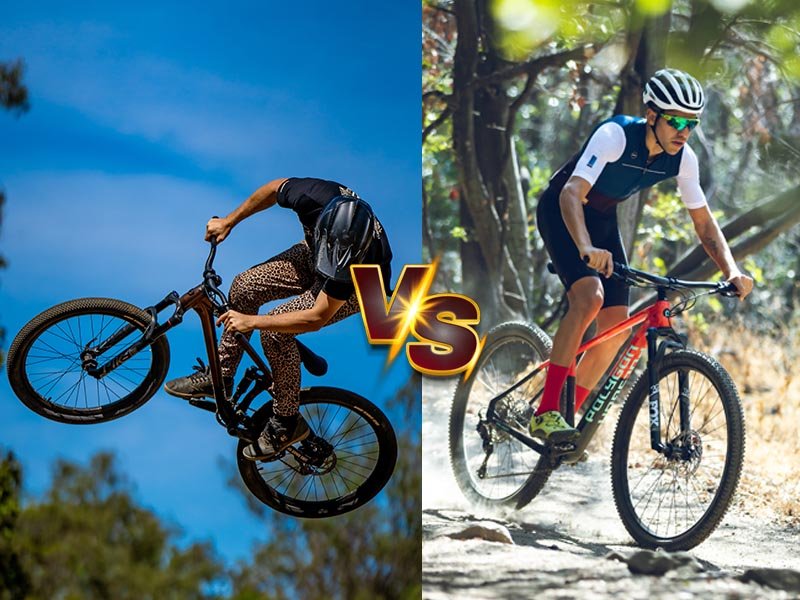
Are you torn between choosing a dirt jump bike or a road bike? Both have their unique thrills, but knowing which one suits your style can change how you ride and enjoy every moment on two wheels.
Whether you crave the adrenaline of airborne tricks or the smooth rush of open roads, understanding the key differences will help you make the best choice. Keep reading, and you’ll discover exactly what makes each bike special—and which one fits your riding goals perfectly.
Frame Design
Frame design is key in choosing between a dirt jump bike and a road bike. The frame affects how the bike handles and performs. Each type has a unique structure built for its riding style.
Understanding frame differences helps you pick the right bike. Look at geometry and shape, plus the materials used. These parts shape the bike’s strength and comfort.
Geometry And Shape
Dirt jump bikes have a compact and strong frame. The top tube is usually short and sloped. This design helps riders jump and land safely.
Road bike frames are longer with a different angle. They focus on speed and smooth riding on paved roads. The frame shape allows for a stretched, aerodynamic posture.
- Dirt Jump Bike: short top tube, low standover height
- Dirt Jump Bike: slack head tube angle for stability
- Road Bike: longer top tube for stretched position
- Road Bike: steep head tube angle for quick steering
Material Differences
| Material | Dirt Jump Bike | Road Bike |
|---|---|---|
| Aluminum | Common for strong, lightweight frames | Used for light and stiff frames |
| Steel | Sometimes used for durability and flexibility | Less common, heavier but comfortable |
| Carbon Fiber | Rare, mostly for high-end dirt jump bikes | Popular for very light and stiff frames |
| Titanium | Rare, strong and light but expensive | Used for high-end, comfortable rides |
Suspension And Tires
Dirt jump bikes and road bikes serve different purposes. Their suspension and tires are made to fit their uses.
Understanding these differences helps you pick the right bike for your ride style.
Suspension Systems
Dirt jump bikes usually have a front suspension fork. It helps absorb shocks from jumps and rough landings.
Road bikes often do not have suspension. They rely on their tires and frame to smooth out the ride on pavement.
- Dirt jump bike: front suspension fork, around 80-100 mm travel
- Road bike: no suspension, stiff frame for speed
- Suspension adds weight but improves control on rough terrain
- Road bike suspension would reduce pedaling efficiency
Tire Types And Tread
Dirt jump bikes use wide tires with knobby treads. These tires grip loose dirt and help with stability.
Road bike tires are narrow and smooth. They reduce rolling resistance for faster rides on pavement.
| Bike Type | Tire Width | Tread Pattern | Best Use |
|---|---|---|---|
| Dirt Jump Bike | 2.1 – 2.5 inches | Knobby, aggressive | Grip on dirt and trails |
| Road Bike | 23 – 28 mm | Smooth, slick | Speed on pavement |
Handlebars And Controls
Handlebars and controls differ greatly between dirt jump bikes and road bikes. Each type suits specific riding styles and terrain. Understanding these differences helps you choose the right bike setup.
The handlebar shape and brake gear setup affect control, comfort, and safety. Let’s explore these two key parts for dirt jump and road bikes.
Handlebar Shape And Size
Dirt jump bikes have wide, flat handlebars. They offer stability and better control during jumps and landings. Road bikes use narrow, drop handlebars to allow aerodynamic positions and multiple hand grips.
- Dirt Jump Bike:Wide and straight bars for balance and quick steering.
- Road Bike:Narrow and curved bars for speed and varied hand positions.
- Handlebar Height:Dirt jump bars sit higher for better visibility; road bars are lower for aerodynamics.
- Material:Both often use lightweight aluminum or carbon fiber, but dirt jump bars are stronger to handle impacts.
Brake And Gear Setup
Dirt jump bikes usually have simple brake setups to reduce weight and avoid damage during tricks. Road bikes have complex gears and brakes for speed control and hill climbing.
| Feature | Dirt Jump Bike | Road Bike |
|---|---|---|
| Brake Type | Mechanical disc or rim brakes, often rear only | Hydraulic or mechanical disc brakes, front and rear |
| Gear Setup | Single-speed or minimal gears for simplicity | Multiple gears (up to 22) for varied terrain |
| Brake Lever Placement | Wide and easy to reach for quick stopping | Integrated with shifters on drop bars |
| Durability | Built to withstand impacts and dirt | Designed for precision and smooth shifting |
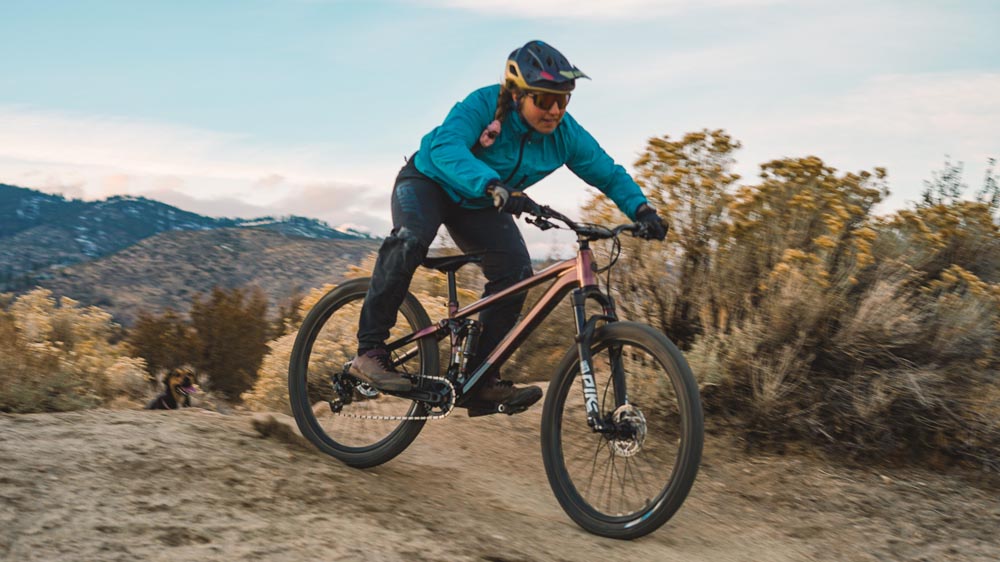
Credit: www.polygonbikes.com
Weight And Durability
Dirt jump bikes and road bikes serve different purposes. Their weight and strength reflect this.
Understanding these differences helps you pick the right bike for your needs.
Bike Weight Comparison
Dirt jump bikes are heavier than road bikes. They need extra weight to handle jumps and landings.
- Dirt jump bike: Usually 25 to 30 pounds
- Road bike: Usually 15 to 20 pounds
- Road bikes use lightweight materials like carbon fiber
- Dirt jump bikes use stronger metals for durability
Strength And Impact Resistance
Dirt jump bikes face hard impacts from jumps. They need strong frames and parts.
| Bike Type | Frame Material | Impact Resistance | Durability |
| Dirt Jump Bike | Chromoly Steel or Aluminum | High | Very Durable |
| Road Bike | Carbon Fiber or Aluminum | Moderate | Less Durable under Impact |
Riding Style And Terrain
Dirt jump bikes and road bikes serve different purposes. Their riding styles and terrain needs are unique. Understanding these differences helps you choose the right bike.
This guide compares the best terrain and riding techniques for dirt jump bikes and road bikes.
Best Terrain For Each Bike
Dirt jump bikes work best on rough, uneven ground. Trails with dirt mounds and jumps are ideal. Road bikes perform well on smooth, paved surfaces like streets and highways.
- Dirt Jump Bike:Dirt trails, bike parks, and off-road courses
- Road Bike:Asphalt roads, bike lanes, and paved paths
Typical Riding Techniques
Dirt jump riders focus on balance and air control. They use quick bursts of speed to jump over obstacles. Road riders keep a steady pace for long distances. They use smooth pedal strokes and handle tight turns.
| Technique | Dirt Jump Bike | Road Bike |
| Speed | Short, fast bursts | Consistent, steady |
| Handling | Quick turns, jumps | Lean into curves |
| Body Position | Shift weight for balance | Lower body for aerodynamics |
| Braking | Controlled, sudden stops | Smooth, gradual stops |
Performance And Speed
Dirt jump bikes and road bikes serve different riding styles. Their design affects how they perform and handle speed.
Understanding their acceleration, maneuverability, top speed, and efficiency helps you choose the right bike.
Acceleration And Maneuverability
Dirt jump bikes accelerate quickly to clear jumps and obstacles. Their lighter frames and wide tires help riders control sharp turns easily.
- Dirt jump bikes have strong suspension for absorbing shocks.
- They offer better control on rough terrain.
- Road bikes accelerate steadily on flat surfaces.
- Road bikes have narrow tires for smoother turns on pavement.
Top Speed And Efficiency
Road bikes reach higher top speeds. Their slim frames and thin tires reduce wind resistance and rolling friction.
| Bike Type | Top Speed | Efficiency |
| Dirt Jump Bike | Lower | Less efficient on roads |
| Road Bike | Higher | Highly efficient on pavement |
Maintenance Needs
Dirt jump bikes and road bikes have different maintenance needs. Each bike faces unique challenges based on how it is used.
Understanding these needs helps keep your bike safe and working well for a long time.
Wear And Tear Factors
Dirt jump bikes often hit rough terrain and land hard after jumps. This causes faster wear on parts.
Road bikes mostly ride on smooth surfaces but cover many miles. This creates steady wear over time.
- Dirt jump bikes face impact damage to frames and forks.
- Road bikes have more wear on tires from long rides.
- Dirt jump bikes need strong tires to handle jumps and drops.
- Road bikes need tires designed for smooth roads and speed.
- Chain and gears wear differently due to riding style and conditions.
Repair And Upkeep
Dirt jump bikes need frequent checks on suspension and frame cracks. Jumps can stress these parts.
Road bikes require regular cleaning and lubrication. Dirt and dust build up from long rides.
- Check dirt jump bike forks and shocks for damage after rides.
- Inspect road bike brakes and gears often for smooth shifting.
- Clean and lubricate chains on both bikes regularly.
- Replace worn tires promptly to avoid accidents.
- Check bolts and screws to keep parts tight and safe.
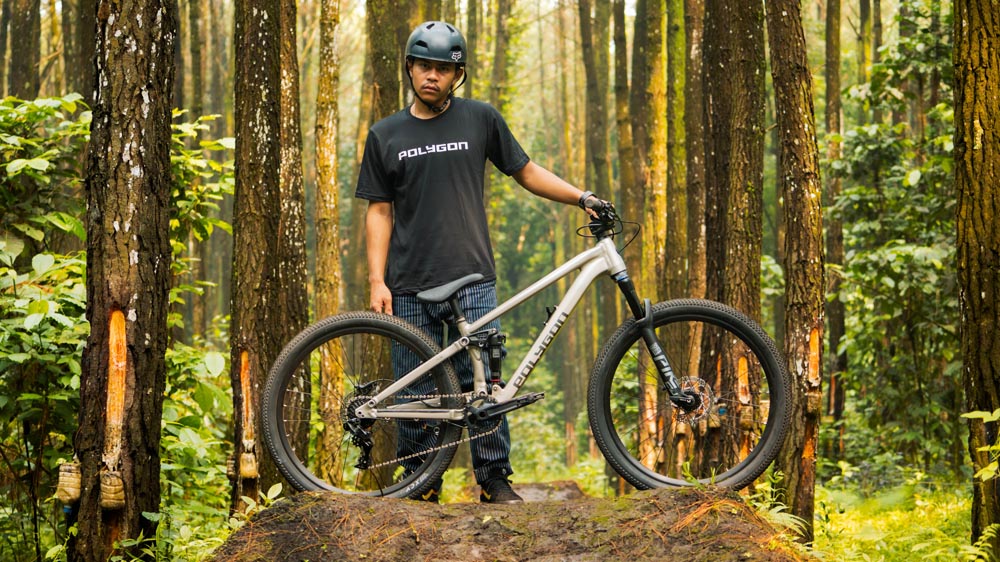
Credit: www.polygonbikes.com
Choosing The Right Bike
Picking the right bike depends on what you want to do. Dirt jump bikes and road bikes serve very different purposes. Knowing your needs helps you make a better choice.
Both types of bikes offer unique features. This guide will help you compare them based on purpose and budget.
Purpose And Preferences
Dirt jump bikes are built for stunts and rough terrain. Road bikes are made for speed and long-distance rides on paved roads.
- Dirt jump bikes have strong frames and suspension for absorbing shocks.
- Road bikes are lightweight and have thin tires for faster riding.
- Choose a dirt jump bike if you like jumping and tricks.
- Pick a road bike for commuting or fitness riding on smooth roads.
Budget Considerations
Price varies for both types depending on brand, materials, and features. Dirt jump bikes tend to cost more for strong parts. Road bikes vary widely based on speed and weight.
| Bike Type | Average Price Range | Key Cost Factors |
| Dirt Jump Bike | $400 – $1500 | Frame strength, suspension, brakes |
| Road Bike | $300 – $3000+ | Weight, gear system, frame material |
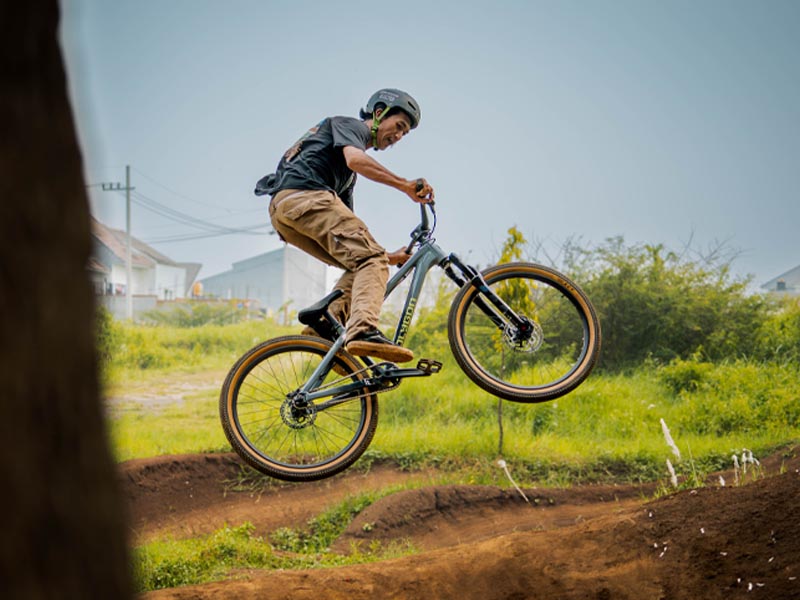
Credit: www.polygonbikes.com
Frequently Asked Questions
What Are The Main Differences Between Dirt Jump Bikes And Road Bikes?
Dirt jump bikes have sturdy frames, suspension, and thick tires for jumps. Road bikes are lightweight with thin tires designed for speed on paved roads.
Can You Use A Dirt Jump Bike For Road Cycling?
Dirt jump bikes are not ideal for road cycling. Their thick tires and heavy frame reduce speed and efficiency on smooth pavement.
Is A Road Bike Suitable For Dirt Jumping?
Road bikes lack suspension and durable frames, making them unsuitable for dirt jumping. They are designed for smooth surfaces, not rough terrain.
Which Bike Is Better For Beginners, Dirt Jump Or Road Bike?
Beginners should choose based on goals. Dirt jump bikes suit stunt riders, while road bikes are better for long-distance and speed training.
Conclusion
Dirt jump bikes and road bikes serve different purposes and riding styles. Dirt jump bikes are built for tough jumps and tricks on rough terrain. Road bikes focus on speed and efficiency on paved roads. Choosing the right bike depends on where you want to ride and what you want to do.
Both offer fun and fitness but in unique ways. Think about your goals and riding preferences before deciding. Enjoy the ride, whatever bike you choose. Stay safe and have fun exploring the outdoors.



