
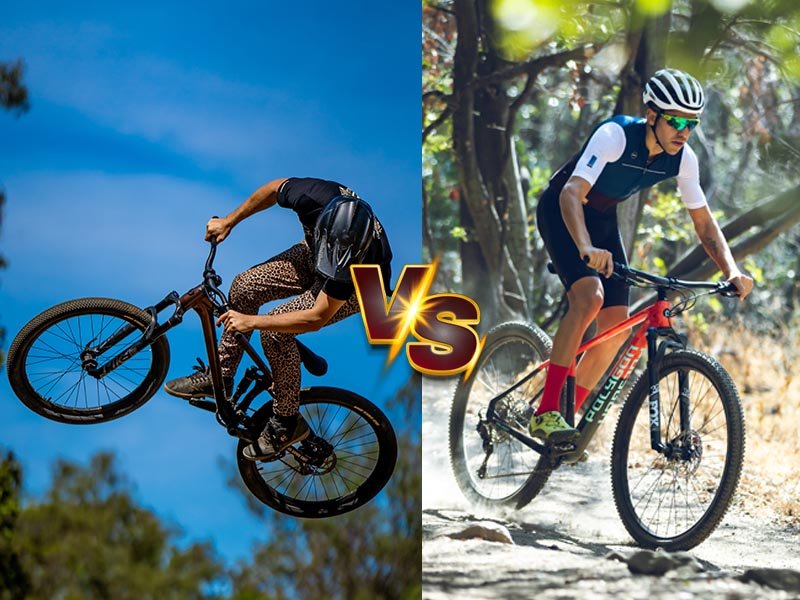
Are you torn between choosing a dirt jump bike or a mountain bike? Both offer thrilling rides, but they serve very different purposes.
Knowing which one fits your style can make all the difference in your riding experience. You’ll discover the key differences, benefits, and what each bike can do for you. By the end, you’ll feel confident picking the perfect bike that matches your goals and skills.
Keep reading to find out which bike is truly right for you!
Credit: www.polygonbikes.com
Dirt Jump Bike Basics
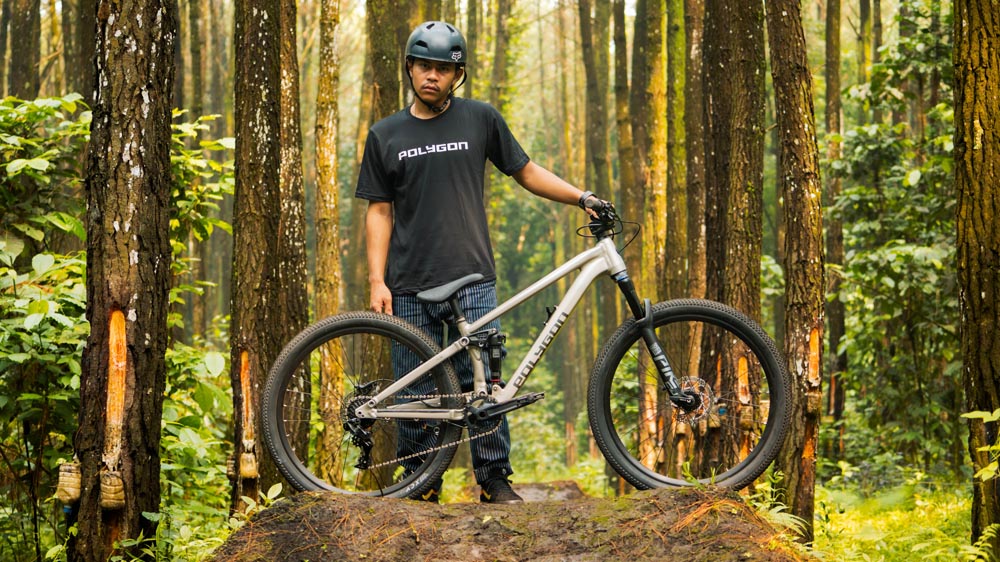
Dirt jump bikes and mountain bikes look similar but serve different rides. Dirt jump bikes focus on jumps and tricks. Mountain bikes handle rough trails and long rides.
Understanding their basic parts helps you choose the right bike. Key differences are in frame, suspension, wheels, and handling.
Frame Design
Dirt jump bike frames are strong and compact. They need to handle hard landings and quick movements.
Mountain bike frames are larger and built for comfort. They absorb shocks from rough trails and long rides.
- Dirt jump frames use thick tubes for strength
- Mountain bike frames focus on durability and comfort
- Dirt jump frames have shorter top tubes for control
- Mountain bikes have longer frames for stability
Suspension Setup
Dirt jump bikes usually have no suspension or a small fork. This helps with control during tricks.
Mountain bikes have full or front suspension to smooth rough trails. This keeps riders comfortable and safe.
- Dirt jump bikes have rigid or minimal suspension
- Mountain bikes have front suspension or full suspension
- Suspension helps absorb shocks on mountain trails
- Less suspension on dirt jump bikes improves bike control
Wheel Size And Tires
Dirt jump bikes use smaller wheels, usually 24 or 26 inches. Smaller wheels help with quick tricks and jumps.
Mountain bikes use larger wheels, like 27.5 or 29 inches. Bigger wheels roll over obstacles better on trails.
- Dirt jump bike tires are thick and smooth for grip on dirt
- Mountain bike tires have knobs for better trail traction
- Smaller wheels on dirt jump bikes aid in fast spins
- Bigger wheels on mountain bikes provide stability and speed
Geometry And Handling
Dirt jump bikes have steep angles for quick turns and jumps. They are easy to maneuver in the air.
Mountain bikes have slacker angles for stability on rough ground. They handle better on long downhill rides.
- Dirt jump bikes have short wheelbase for agility
- Mountain bikes have longer wheelbase for balance
- Steeper head angles on dirt jump bikes improve quick steering
- Slacker head angles on mountain bikes help control at high speed
Mountain Bike Essentials
Mountain bikes are made for rough trails and off-road rides. They have special parts that help you ride safely and comfortably on dirt paths.
Knowing the key features of mountain bikes helps you pick the right bike. This guide covers frame construction, suspension, wheels, tires, geometry, and stability.
Frame Construction
The frame is the bike’s main structure. It needs to be strong and light to handle rough terrain. Common materials include aluminum, carbon fiber, and steel.
Aluminum frames are light and affordable. Carbon fiber is lighter but costs more. Steel is heavy but very durable.
- Aluminum: lightweight and budget-friendly
- Carbon Fiber: very light and stiff
- Steel: strong and lasts long
Suspension Types
Suspension helps absorb shocks from bumps and jumps. It makes rides smoother and reduces strain on your body. There are two main types: hardtail and full suspension.
Hardtail bikes have suspension only in the front fork. Full suspension bikes have suspension in both front and rear. Full suspension offers more comfort but costs more.
- Hardtail: front suspension only, lighter
- Full Suspension: front and rear, smoother ride
Wheel And Tire Specs
Mountain bike wheels are wider and stronger than road bike wheels. Tire size affects speed and control. Common wheel sizes are 26, 27.5, and 29 inches.
Tires have thick tread for better grip on dirt and rocks. Wider tires give more stability but can slow you down. Choose tires based on trail type and riding style.
- Wheel sizes: 26″, 27.5″, 29″
- Wide tires with deep tread for grip
- Choose tire width for balance of speed and control
Geometry And Stability
Bike geometry means the shape and angles of the frame. It affects how the bike handles and feels. A stable bike is easier to control on rough trails.
Mountain bikes usually have a sloped top tube and longer wheelbase. This design helps keep balance on steep or uneven paths. Steeper angles make the bike more agile but less stable.
- Sloped top tube for better clearance
- Long wheelbase for improved stability
- Steep angles for quick handling
Performance On Trails
Dirt jump bikes and mountain bikes have different strengths on trails. Each bike handles jumps, climbs, corners, and impacts in unique ways. Understanding these differences helps riders choose the right bike for their trail style.
This guide compares the performance of dirt jump bikes versus mountain bikes in key trail areas.
Jumping And Air Control
Dirt jump bikes are built for big air and tricks. They have strong frames and stiff forks. This design gives riders better control while airborne. Mountain bikes focus more on stability and smooth landings on varied terrain.
- Dirt jump bikes have shorter wheelbases for quick spins.
- Mountain bikes use suspension to absorb landing shocks.
- Dirt jump bikes are lighter, making jumps easier.
- Mountain bikes offer more control on uneven landings.
Climbing And Descending
Mountain bikes excel at climbing steep trails thanks to multiple gears. Their suspension helps keep traction on rough ground. Dirt jump bikes have fewer gears and a rigid frame, which makes climbing harder but descending fast easier.
| Feature | Dirt Jump Bike | Mountain Bike |
| Gears | Few (1-3) | Many (8-12) |
| Suspension | Minimal or none | Front and rear |
| Weight | Lighter | Heavier |
| Climbing Ability | Lower | Higher |
| Descending Stability | Good on jumps | Very good on trails |
Cornering And Maneuverability
Dirt jump bikes turn quickly thanks to their compact frame. This helps in tight corners and quick tricks. Mountain bikes have longer frames and wider tires to keep balance on sharp turns and rough surfaces.
- Dirt jump bikes are nimble in small spaces.
- Mountain bikes offer better grip on loose dirt.
- Mountain bikes can handle fast, sweeping turns.
- Dirt jump bikes suit short, sharp turns better.
Durability And Impact Resistance
Dirt jump bikes face big impacts from drops and tricks. Their frames are usually made from strong metals like chromoly steel. Mountain bikes need durable parts too, but focus more on shock absorption over rough terrain.
| Aspect | Dirt Jump Bike | Mountain Bike |
|---|---|---|
| Frame Material | Chromoly steel or strong aluminum | Aluminum, carbon, or steel |
| Impact Resistance | High for big drops | Moderate with shock absorption |
| Suspension Damage Risk | Low (rigid forks) | Higher (complex suspension) |
| Maintenance | Simple and less frequent | Requires regular checks |

Credit: www.reddit.com
Riding Experience
Dirt jump bikes and mountain bikes offer different riding experiences. Each bike suits certain styles and terrains.
Understanding their differences helps you choose the right bike for your rides.
Comfort And Fit
Dirt jump bikes have a compact frame and low seat. They focus on easy movement and jumping.
Mountain bikes have larger frames and adjustable seats. They provide comfort for long rides on rough trails.
- Dirt jump bikes: smaller size, stiffer setup
- Mountain bikes: larger size, more suspension
- Dirt jump seats are lower for better control
- Mountain bike seats adjust for comfort over distance
Speed And Agility
Dirt jump bikes are built for quick moves and air tricks. They are lighter and more nimble.
Mountain bikes focus on steady speed and control. They are heavier but stable on uneven ground.
- Dirt jump bikes excel in jumps and tight turns
- Mountain bikes handle climbs and long descents well
- Dirt jump bikes have faster response times
- Mountain bikes maintain speed over rough terrain
Skill Level Requirements
Dirt jumping needs good bike control and balance. It suits riders with some experience.
Mountain biking can fit all skill levels. Beginners can start on easy trails and improve over time.
- Dirt jump bikes require confidence in jumps and tricks
- Mountain bikes are good for learning trail riding
- Both bikes need basic bike handling skills
- Dirt jumping is more demanding on technique
Terrain Adaptability
Dirt jump bikes work best on smooth dirt tracks with jumps. They are not for rough or rocky trails.
Mountain bikes are built to handle many terrains. They perform well on rocks, roots, mud, and steep paths.
- Dirt jump bikes suit dirt parks and pump tracks
- Mountain bikes adapt to various off-road conditions
- Dirt jump bikes have less suspension for rough ground
- Mountain bikes have more suspension for bumps and drops
Maintenance And Durability
Dirt jump bikes and mountain bikes need regular care to last long. They face different stresses and wear.
Understanding their maintenance needs helps keep your bike safe and strong.
Common Wear And Tear
Dirt jump bikes suffer from impact damage due to landing jumps hard. Frames and forks take a lot of stress.
Mountain bikes face wear from rough trails and long rides. Tires, chains, and brakes wear out over time.
- Dirt jump: frame cracks, bent rims, worn suspension
- Mountain bike: tire punctures, chain stretch, brake pad wear
Repair Costs
Dirt jump bike repairs can be costly. Frame damage or suspension fixes often need parts and labor.
Mountain bike repairs vary. Basic fixes like brake pads are cheap, but suspension or wheel repairs cost more.
- Dirt jump bike repairs: $100-$500 depending on damage
- Mountain bike repairs: $20-$400 based on parts and labor
Component Lifespan
Dirt jump bike parts wear out fast because of heavy impacts. Tires and chains may last 6-12 months.
Mountain bike components last longer with proper care. Tires and chains can last 1-2 years or more.
- Dirt jump bike tires: 6-12 months
- Mountain bike tires: 12-24 months
- Chains for both: 6-18 months depending on use
Upgrades And Customization
Dirt jump bikes often need stronger parts to handle big jumps. Riders upgrade frames, wheels, and brakes.
Mountain bikes focus on comfort and control upgrades. Suspension, tires, and handlebars are common upgrades.
- Dirt jump upgrades: heavy-duty rims, reinforced frames, hydraulic brakes
- Mountain bike upgrades: better suspension, tubeless tires, ergonomic grips
Credit: www.polygonbikes.com
Choosing The Right Bike
Picking the right bike matters for dirt jumping and mountain biking. Each type fits different riding needs and styles.
Understanding your options helps you find a bike that suits your skills and goals.
Riding Style Considerations
Dirt jump bikes are built for short, powerful jumps and tricks. They are usually smaller and lighter.
Mountain bikes handle rough trails and long rides. They offer more comfort and control on varied terrain.
- Dirt jump bikes focus on stiffness and quick handling.
- Mountain bikes have suspension for rough terrain.
- Choose based on the type of riding you want to do most.
Budget Factors
Bikes range in price depending on parts and build quality. Decide how much you want to spend before buying.
Higher budget bikes often last longer and perform better but are not always necessary for beginners.
- Set a budget that fits your finances.
- Consider the cost of extras like helmets and pads.
- Look for bikes with good value for your price.
Future Riding Goals
Think about where you want to ride in the future. Your bike should match your long-term plans.
If you plan to try different riding styles, choose a versatile bike or one that allows upgrades.
- Plan if you want to focus on dirt jumping or trail riding.
- Check if the bike can handle upgrades or changes.
- Consider comfort and bike size for longer rides.
Test Ride Tips
Always test ride bikes before buying. This helps you feel the bike’s fit and handling.
Pay attention to comfort, control, and how the bike responds to your movements.
- Wear your usual riding gear during the test ride.
- Try different bikes to compare how they feel.
- Ask questions about the bike’s features and maintenance.
Frequently Asked Questions
What Are The Main Differences Between Dirt Jump And Mountain Bikes?
Dirt jump bikes have a sturdy frame, smaller wheels, and a rigid fork for tricks. Mountain bikes offer suspension, larger wheels, and versatile gearing for varied terrains and long rides.
Which Bike Is Better For Jumps And Tricks?
Dirt jump bikes excel in jumps and tricks due to their lightweight design and strong build. Mountain bikes are less ideal for tricks but better for rough trails and downhill rides.
Can I Use A Mountain Bike For Dirt Jumping?
You can, but mountain bikes are heavier and less maneuverable, making tricks harder. Dirt jump bikes are specifically designed for jumps and tricks with better control.
How Does Suspension Differ In Dirt Jump Vs Mountain Bikes?
Dirt jump bikes typically have minimal or no suspension to keep control during tricks. Mountain bikes feature front or full suspension to absorb shocks on rough trails.
Conclusion
Choosing between a dirt jump bike and a mountain bike depends on your needs. Consider your riding style and terrain. Dirt jump bikes excel in tricks and jumps. Mountain bikes offer versatility for varied paths and trails. Think about your experience level.
Beginners might prefer mountain bikes for stability. Advanced riders may enjoy the thrill of dirt jumps. Safety gear is crucial for both types. Helmets, pads, and gloves protect you. Assess your budget before purchasing. Bikes vary in price and features.
Make an informed choice, and enjoy your rides!



