

Are you trying to decide between a dirt jump bike and a BMX for your next ride? Choosing the right bike can make all the difference in how you perform and enjoy your jumps.
Both bikes look similar, but each has unique features that suit different styles and terrains. If you want to know which one fits your riding style and goals, keep reading. By the end of this article, you’ll have a clear understanding to pick the perfect bike for your dirt jumping adventures.
Dirt Jump Bike Basics
Dirt jump bikes and BMX bikes look similar but have key differences. They are built for jumping on dirt tracks and ramps.
Choosing the right bike depends on your riding style and the type of jumps you want to do. Understanding the basics helps you pick the best bike.
Frame And Geometry
Dirt jump bike frames are stronger and larger than BMX frames. They use tougher materials to handle big impacts.
The geometry of dirt jump bikes is relaxed for better control in the air. BMX bikes have tighter geometry for tricks and quick turns.
- Dirt jump frames are usually made from steel or aluminum
- Geometry favors stability and smooth landings
- BMX frames are smaller and lighter for street tricks
Suspension Features
Dirt jump bikes often have front suspension forks to absorb shocks from big jumps. This helps protect your arms and bike.
BMX bikes usually do not have suspension. They rely on strong frames and tires to handle impact on hard surfaces.
- Dirt jump bikes have 80-100mm front suspension travel
- Suspension adds comfort and control on rough landings
- BMX bikes use rigid forks for better trick response
Wheel Size And Tires
Dirt jump bikes usually have 26-inch wheels. These wheels roll well over dirt and absorb shocks better.
BMX bikes often use 20-inch wheels. Smaller wheels make the bike lighter and easier to spin for tricks.
- Dirt jump tires are wider with knobby tread for grip on dirt
- BMX tires are smoother for better performance on ramps and streets
- Wheel size affects bike speed and control during jumps

Credit: www.reddit.com
Bmx Bike Essentials
BMX bikes are built for tricks and jumps. They have special parts that make riding easier and more fun.
This guide explains key features of BMX bikes. You will learn about frame design, speed setup, and wheel size.
Frame Design And Material
BMX frames are small and strong to handle jumps and tricks. Most frames use steel or aluminum. Steel frames are tough and last long. Aluminum frames are lighter but can be less strong.
The shape of the frame helps with control. A shorter frame makes the bike easier to turn. The top tube is often low for better balance and tricks.
Single-speed Setup
BMX bikes usually have one gear only. This single-speed setup is simple and strong. It needs less maintenance than bikes with many gears.
- Easy to pedal on flat ground
- Less chance of chain slipping
- Lighter weight without extra gears
- Good for quick tricks and jumps
Wheel Size And Tires
| Wheel Size | Tire Type | Purpose |
| 20 inches | Knobby tires | Better grip on dirt tracks |
| 20 inches | Slick tires | Faster on smooth surfaces |
| 24 inches | Mixed tread | More stability for bigger jumps |
Smaller wheels help with quick tricks. Tires with knobs grip dirt well. Smooth tires work better on pavement.
Performance Comparison
Dirt jump bikes and BMX bikes both offer unique riding experiences. They are designed for tricks and jumps but differ in performance features.
Knowing their differences helps riders choose the best bike for their style and needs.
Jumping And Landing
Dirt jump bikes have larger frames and wheels. This helps absorb big impacts during jumps and landings.
BMX bikes are lighter and smaller. They are good for quick jumps but may feel less stable on big landings.
- Dirt jump bikes handle rough landings better
- BMX bikes excel in smaller, faster jumps
- Dirt jump bikes have stronger suspension options
Maneuverability And Control
BMX bikes are easier to turn and spin. Their smaller size gives riders better control during tricks.
Dirt jump bikes are more stable at high speeds. They offer good control but can feel heavier in tight maneuvers.
- BMX bikes are best for quick turns and spins
- Dirt jump bikes suit fast, straight runs
- BMX frames are more responsive to rider input
Durability And Maintenance
Dirt jump bikes use strong materials to handle big impacts. This means they need less frequent repairs.
BMX bikes are also tough but often need more maintenance. Their smaller parts wear out faster with tricks.
- Dirt jump bikes last longer under hard use
- BMX bikes need regular checks on chains and tires
- Both bikes require strong brakes for safety
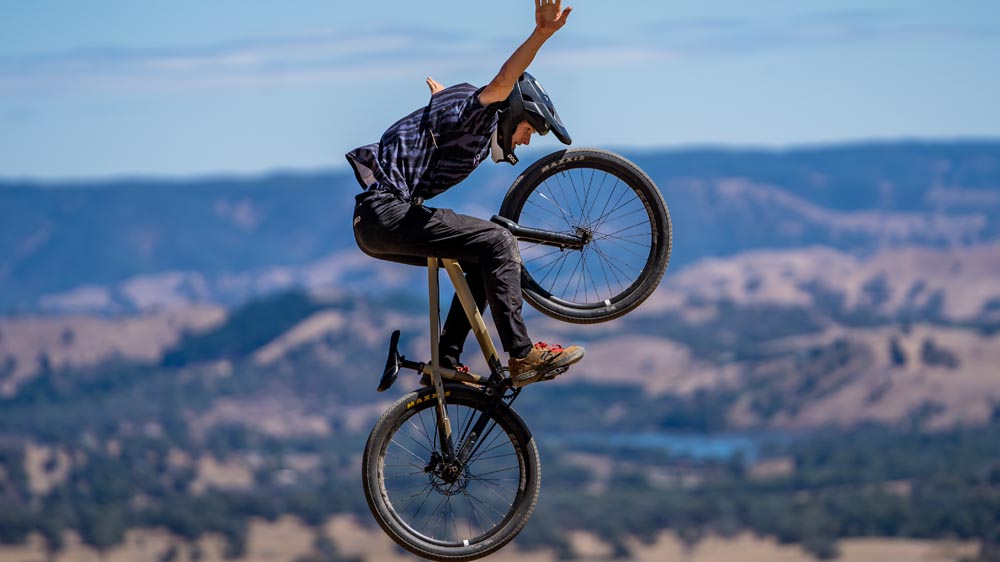
Credit: www.polygonbikes.com
Riding Style And Terrain
Dirt jump bikes and BMX bikes look similar but have different uses. Each bike fits better with certain riding styles and terrains. Knowing the differences helps riders pick the right bike and spot.
We will explore how each bike suits different places like dirt jump trails, skateparks, and urban areas. This guide helps you understand where to ride each bike best.
Dirt Jump Trails
Dirt jump bikes work best on dirt jump trails. These trails have large dirt ramps and jumps made from packed soil. The trails need a bike that can handle big air and rough landings.
- Dirt jump bikes have strong frames and front suspension.
- They absorb shocks from hard landings.
- Wide tires provide good grip on loose dirt.
- Lower gears help with fast acceleration on trails.
Skateparks And Street Riding
BMX bikes shine in skateparks and street riding. These places have smooth concrete and many obstacles like rails, stairs, and ramps. BMX bikes are light and agile for tricks and quick moves.
| Feature | Dirt Jump Bike | BMX Bike |
| Frame | Heavier, strong | Light, compact |
| Suspension | Front fork suspension | None |
| Tires | Wide, knobby | Narrow, smooth |
| Gearing | Multiple gears | Single gear |
| Best for | Dirt jumps and trails | Skateparks and street |
Urban And Mixed Terrain
Urban riding mixes street and light dirt. Riders use both bikes depending on their style. Dirt jump bikes handle rough patches. BMX bikes move quickly through tight spaces.
Tips for urban riding:
- Choose dirt jump bike for rough paths and big jumps.
- Pick BMX bike for quick tricks and smooth surfaces.
- Check your route for obstacles before riding.
- Use protective gear for safety on mixed terrain.
Choosing The Right Bike
Picking the right bike is key for dirt jumping and BMX riding. Each type suits different needs and styles.
This guide helps you understand which bike fits your skill, budget, and upgrade plans.
Skill Level And Goals
Beginner riders need bikes that offer control and stability. Advanced riders may want bikes built for tricks and jumps.
- Dirt jump bikes are good for high jumps and smooth landings.
- BMX bikes work well for street tricks and ramps.
- Consider what you want to do most before choosing.
Budget Considerations
Bike prices vary by brand, parts, and frame material. Set a budget before shopping.
| Bike Type | Price Range | Typical Features |
| Dirt Jump Bike | $400 – $1500 | Strong frame, suspension fork, knobby tires |
| BMX Bike | $300 – $1200 | Compact frame, single gear, thick tires |
Customization And Upgrades
Both bike types allow upgrades. Choose parts that improve performance and comfort.
- Handlebars for better control
- Brakes for safer stops
- Wheels and tires for different terrains
- Seats for comfort during long rides
Safety Gear And Tips
Dirt jump biking and BMX riding need the right safety gear. Wearing gear lowers the risk of injury.
Riders should follow safety tips to enjoy the sport and stay protected.
Helmet And Protective Pads
Always wear a helmet made for dirt jumping or BMX. It protects your head during falls or crashes.
Use pads for knees, elbows, and wrists. They cushion impacts and reduce scrapes and bruises.
- Choose a full-face helmet for maximum protection
- Wear knee and elbow pads that fit well
- Use wrist guards to prevent fractures
- Check gear condition before every ride
Bike Fit And Setup
Your bike should fit you well to keep control and avoid accidents. A good fit helps with balance.
Adjust the seat and handlebars to match your height and riding style. Check tire pressure and brakes regularly.
- Seat height should allow slight bend in knees
- Handlebars must feel comfortable and firm
- Keep tires inflated to the right pressure
- Test brakes before every session
Riding Techniques For Safety
Learn to land jumps properly to reduce injury risk. Bend your knees and absorb shock with your legs.
Keep your eyes on the trail and stay balanced. Practice slow turns and controlled stops before trying big tricks.
- Keep knees bent when landing
- Look ahead, not down at the bike
- Practice slow and steady turns
- Always warm up before riding hard
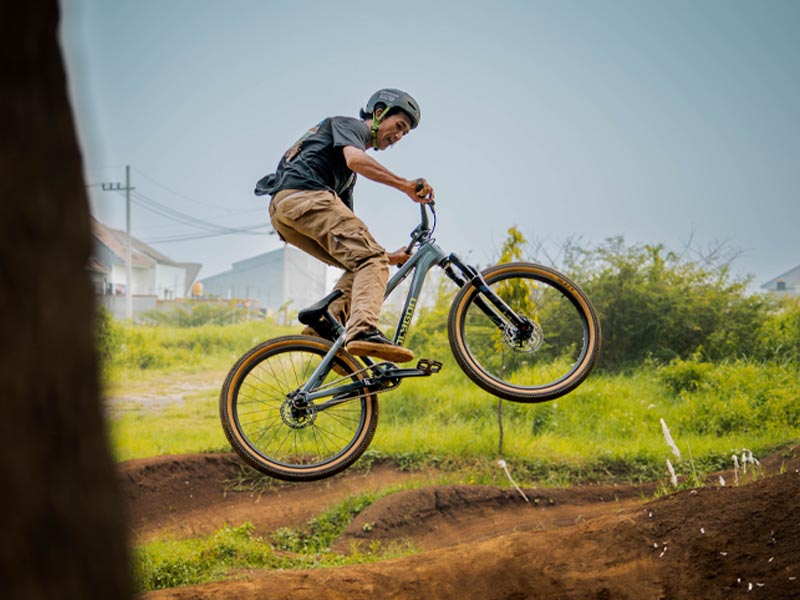
Credit: www.polygonbikes.com
Frequently Asked Questions
What Is The Main Difference Between Dirt Jump Bikes And Bmx?
Dirt Jump Bikes have larger wheels (usually 26 inches) and suspension. BMX bikes have smaller wheels (20 inches) and are rigid. Dirt Jump Bikes are designed for bigger jumps and rough terrain. BMX bikes excel in street tricks and park riding.
Which Bike Is Better For Beginners, Dirt Jump Or Bmx?
BMX bikes are generally better for beginners due to their smaller size and lighter weight. Dirt Jump Bikes require more control and strength, suitable for riders with some experience. Beginners should consider their riding style before choosing.
Can I Use A Bmx Bike For Dirt Jumping?
Yes, you can use a BMX bike for dirt jumping, but it’s less ideal. BMX bikes are lighter and more agile but lack suspension. Dirt Jump Bikes provide better shock absorption and control on rough jumps.
How Do Dirt Jump Bikes Handle Rough Terrain Compared To Bmx?
Dirt Jump Bikes handle rough terrain better thanks to their suspension and larger wheels. BMX bikes have rigid frames and smaller wheels, making rough terrain more challenging. Dirt Jump Bikes offer more stability and comfort on uneven surfaces.
Conclusion
Choosing between a dirt jump bike and a BMX depends on your goals. Dirt jump bikes offer stability for jumps and tricks. BMX bikes provide agility for stunts and racing. Consider your skill level and riding style. Both bikes can offer thrilling experiences.
It’s important to test both if possible. Personal preference plays a huge role. Talk to other riders. Visit local shops for advice. Make an informed choice based on your needs. Enjoy the ride and stay safe.



