
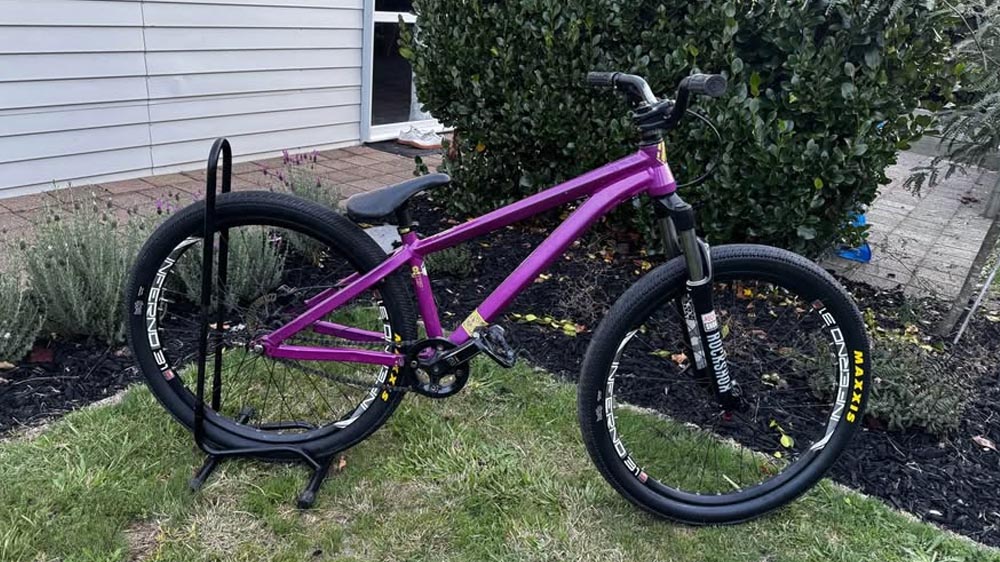
Are you ready to take your dirt jumping skills to the next level? Upgrading your dirt jump bike can make a huge difference in your performance and confidence on the track.
But with so many parts and options out there, it’s easy to feel overwhelmed. This guide will help you understand exactly what upgrades matter most and how they can boost your ride. By the end, you’ll know how to choose the right parts to match your style and goals—making every jump smoother, faster, and more fun.
Keep reading to discover how to transform your bike and your riding experience!

Credit: www.youtube.com
Choosing The Right Frame
Picking the right frame is key for dirt jump bike upgrades. The frame affects how the bike handles and feels. It also impacts your safety and control on jumps.
Understanding different frame options helps you choose one that fits your style and needs. Focus on material, shape, and weight to get the best performance.
Material Options
Frame material affects strength, weight, and cost. Common materials include steel, aluminum, and carbon fiber. Each has pros and cons for dirt jumping.
- Steel:Strong and durable but heavier. Good for rough landings.
- Aluminum:Lightweight and stiff. Offers good speed and control.
- Carbon Fiber:Very light and strong but expensive. Best for advanced riders.
Frame Geometry
Geometry shapes how the bike handles. Look at the top tube length, head tube angle, and chainstay length. These parts affect stability and maneuverability.
| Geometry Part | Effect on Riding |
| Top Tube Length | Affects rider fit and control |
| Head Tube Angle | Controls steering speed and stability |
| Chainstay Length | Impacts bike’s balance and jump ease |
Weight Considerations
Lighter frames make it easier to jump and do tricks. But very light frames can be less durable. Find a balance that fits your riding style and strength.
Tips to consider weight in frame choice:
- Choose lighter materials if you want speed and ease.
- Pick stronger, slightly heavier frames for rough riding.
- Test ride bikes to feel weight differences before buying.
Upgrading Suspension
Upgrading the suspension on your dirt jump bike helps you land jumps smoothly. It improves control and reduces impact on your body.
Good suspension lets you jump higher and ride longer without feeling tired or hurt.
Fork Selection
Choose a fork that is strong and light for dirt jumping. A fork with around 100mm travel works well for absorbing landings.
Look for forks with good damping and a stiff chassis. These help keep the bike stable during jumps and tricks.
- Travel: 80-120mm
- Strong but light materials
- Good rebound and compression damping
- Stiffness for better control
Rear Shock Improvements
Upgrading the rear shock improves how your bike handles big drops. A quality shock absorbs impacts better and offers smoother rides.
Choose a shock with adjustable settings to fit your weight and riding style. This lets you customize your bike’s feel.
- Adjustable rebound and compression
- Suitable spring rate for your weight
- Durable and lightweight design
- Good heat dissipation to avoid fade
Tuning For Jumping
Tuning suspension means adjusting settings for the best jump performance. Set the fork and shock to absorb landings without bottoming out.
Check sag, rebound, and compression regularly. Fine tuning these helps keep the bike balanced and responsive.
- Set sag to 25-30% of travel
- Adjust rebound for quick recovery
- Use compression to control bottom-outs
- Test settings on small jumps first
Enhancing Wheels And Tires
Upgrading your dirt jump bike wheels and tires improves ride control and safety. Strong wheels and the right tires help you land smoother and jump higher.
Choosing the right parts for wheels and tires makes a big difference in your dirt jumping experience. It is important to understand your options before upgrading.
Wheel Size Choices
Dirt jump bikes usually come with 26-inch or 24-inch wheels. Each size has benefits for tricks and control.
Smaller wheels are lighter and easier to spin, good for quick tricks. Larger wheels roll better over obstacles and keep speed well.
- 26-inch wheels: smoother rides, better for big jumps
- 24-inch wheels: lighter, easier for tricks and spins
Tire Types And Tread
Tires affect grip and how your bike handles dirt and landings. Picking the right tire type helps you stay safe and perform better.
Slick tires are fast on hard surfaces but slip on loose dirt. Knobby tires grip better on rough dirt and soft landings.
- Slick tires: good for smooth tracks and hardpack dirt
- Knobby tires: great for loose dirt and rough trails
- Mixed tread: balances speed and grip for varied terrain
Tubeless Setup Benefits
Setting up tubeless tires removes inner tubes and seals the tire airtight. This upgrade helps prevent flats and improves ride feel.
Tubeless tires run at lower pressure, giving better traction and cushioning on jumps. They also weigh less than tube setups.
- Reduced flat tires from pinch punctures
- Smoother ride with lower air pressure
- Lighter weight improves handling and control
Improving Brakes
Good brakes are crucial for dirt jump bikes. They help you stop quickly and safely. Upgrading brakes can improve your control and confidence on the trails.
This guide covers brake type options, brake pad selection, and lever adjustment tips to enhance your bike’s braking power.
Brake Type Options
There are two main brake types for dirt jump bikes: rim brakes and disc brakes. Each type has its pros and cons depending on your riding style and conditions.
- Rim brakes:Lightweight and easy to maintain, but less effective in wet or muddy conditions.
- Disc brakes:Strong stopping power in all weather, but they are heavier and need more upkeep.
- Hydraulic disc brakes:Provide smoother and stronger braking with less hand force.
- Mechanical disc brakes:Easier to adjust but may require more hand strength to use.
Brake Pad Selection
Choosing the right brake pads improves stopping power and pad life. Brake pads come in different materials suited for various conditions.
| Pad Material | Best For | Pros | Cons |
|---|---|---|---|
| Organic | Dry conditions | Quiet and good initial bite | Wear faster and less heat resistant |
| Sintered/Metallic | Wet and muddy conditions | Long lasting and better heat dissipation | Noisier and need longer warm-up |
| Semi-metallic | All-round use | Balance of durability and performance | Can wear rotors faster |
Lever Adjustment Tips
Proper lever position helps you brake better and reduces hand fatigue. Adjust the brake lever to fit your hand size and riding style.
- Set lever reach so your fingers comfortably reach the lever.
- Adjust lever angle to match your wrist position when riding.
- Check that levers do not rub against your grips or frame.
- Test the brake feel after adjustment to ensure smooth operation.
Optimizing Drivetrain
Upgrading your dirt jump bike drivetrain can improve your ride. The right parts make pedaling easier and more efficient. Focus on gear ratios, chain and sprocket upgrades, and crankset and pedal choices.
These changes help you jump higher and land smoother. Small tweaks can make a big difference in control and power.
Gear Ratios For Dirt Jumping
Gear ratio affects how fast and strong your bike pedals. A lower gear ratio gives more power for quick bursts. A higher ratio lets you pedal faster but needs more effort. Choose a ratio that fits your style and the jumps you do.
- Lower gear ratios improve control on short jumps.
- Higher gear ratios help maintain speed on longer runs.
- Common ratios range from 2.5 to 3.0 for dirt jumping.
- Test different setups to find what works best.
Chain And Sprocket Upgrades
Upgrading chains and sprockets reduces weight and increases strength. Stronger parts resist wear from dirt and impacts. A lightweight chain can improve pedaling speed and reduce drag.
| Component | Upgrade Benefit | Material |
| Chain | Better durability and smooth shifting | Steel, sometimes with coatings |
| Front Sprocket | Stronger teeth and lighter weight | Aluminum or steel |
| Rear Sprocket | Improved grip on chain and less wear | Steel or titanium |
Crankset And Pedal Choices
Cranksets and pedals affect your power and comfort. Choose crank arms that are stiff and light. Pedals with good grip keep your feet stable during jumps. Flat pedals are popular for dirt jumping for quick foot release.
- Use crank arms made from aluminum for lightness.
- Flat pedals with pins offer better foot grip.
- Check pedal size to fit your shoe well.
- Replace worn pedals to avoid slipping.
Handlebar And Stem Upgrades
Upgrading your dirt jump bike’s handlebar and stem can improve control and comfort. These parts help you steer better and handle jumps with ease.
Choosing the right size and shape for your handlebar and stem makes a big difference in your riding experience.
Handlebar Width And Rise
Handlebar width affects how stable you feel. Wider bars give more control but can be harder to maneuver in tight spaces.
Rise is the height difference between the center and the ends of the handlebar. More rise helps you stay upright and comfortable.
- Wide bars: better stability and control
- Narrow bars: easier to turn and maneuver
- High rise: more upright riding position
- Low rise: more aggressive, forward position
Stem Length And Angle
The stem connects your handlebar to the fork. Stem length changes your reach and steering feel.
A shorter stem lets you turn faster. A longer stem improves stability on landings and straight lines.
Stem angle affects handlebar height. A positive angle lifts bars higher, while a negative angle lowers them.
- Short stem: quick, responsive steering
- Long stem: steady, stable control
- Positive angle: higher handlebar position
- Negative angle: lower, more aggressive stance
Grips For Better Control
Good grips improve your hold on the handlebar. They reduce hand fatigue and help you control the bike better.
Look for grips with good texture and cushioning. They should fit your hands well and stay secure during jumps.
- Soft grips for comfort on rough landings
- Firm grips for better feedback and control
- Lock-on grips prevent slipping
- Textured grips improve hand traction
Saddle And Seatpost Choices
Upgrading your dirt jump bike’s saddle and seatpost can improve your ride. It affects how you feel and how well you perform. Choosing the right parts matters for comfort and control.
This guide looks at comfort versus weight, dropper post use, and saddle positioning. These points help you pick parts that fit your style and needs.
Comfort Vs Weight
Lightweight parts make your bike faster and easier to jump. But very light saddles can be hard and uncomfortable. Comfort lets you ride longer and better.
- Soft saddles offer more comfort but weigh more.
- Firm saddles weigh less but feel harder.
- Choose padding based on how long you ride.
- Materials like carbon reduce weight but cost more.
- Test different saddles before you buy if possible.
Dropper Post Use
Dropper posts help you adjust saddle height while riding. They make it easier to shift your weight during jumps. Not all riders find them necessary.
| Benefit | Consideration |
| Quick saddle height change | Added weight |
| Better control on landings | More maintenance |
| Improved riding flow | Higher cost |
Saddle Positioning
Correct saddle position helps your balance and power. Adjust it forward or backward to match your riding style. Height also matters for comfort and control.
Here is a quick checklist for saddle positioning:
- Set saddle height so your leg is almost straight at the bottom of the pedal stroke.
- Move saddle forward for more control on landings.
- Shift saddle back for better pedaling power.
- Keep the saddle level or slightly nose-up for comfort.
- Test small changes and ride to feel the difference.
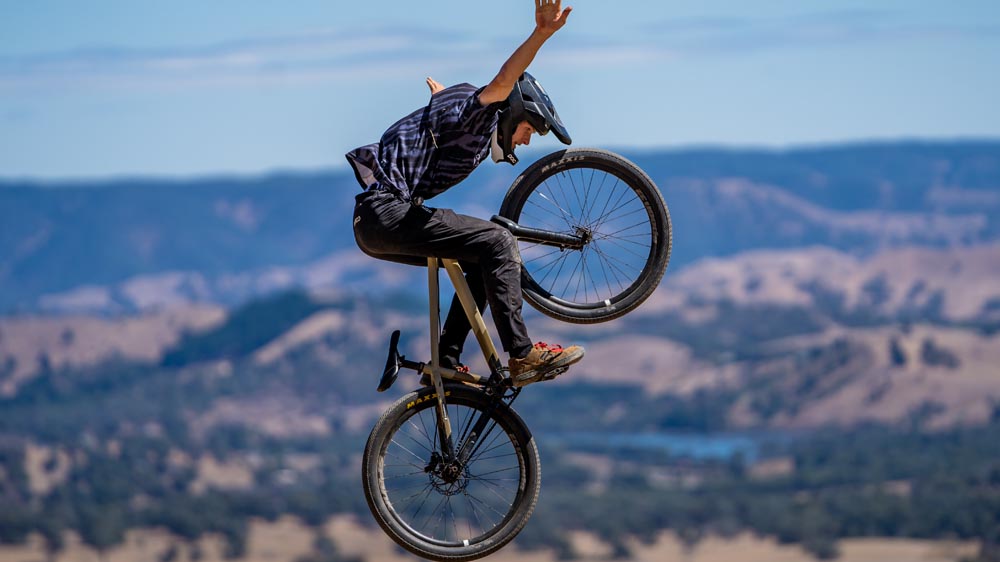
Credit: www.polygonbikes.com
Protective Accessories
Dirt jump biking can be tough on your bike. Using protective accessories helps keep your bike safe. These parts protect important areas from damage.
Adding the right guards and shields extends your bike’s life. It also reduces repair costs and keeps your ride smooth.
Frame Guards
Frame guards protect your bike’s frame from scratches and dents. They are usually made of tough plastic or rubber. You can stick or clamp them on the frame where damage happens most.
- Protects against rock chips and impacts
- Easy to install and replace
- Helps keep paint and frame clean
- Common on top tubes and downtubes
Chainstay Protection
The chainstay is near the chain and can get hit by the chain or debris. Protecting it stops damage like scratches and dents. Chainstay protectors are made from rubber, neoprene, or plastic.
| Material | Benefits | Drawbacks |
| Rubber | Flexible, good grip | Can wear out fast |
| Neoprene | Shock absorbent, durable | Heavier than rubber |
| Plastic | Hard, strong protection | Less flexible, can crack |
Pedal And Rim Protection
Pedals and rims face impacts from rocks and landings. Protecting them helps avoid cracks and dents. Use pedal guards and rim strips to shield these parts.
- Pedal Guards:Attach to pedals to stop damage from strikes.
- Rim Strips:Fit inside rims to protect inner tubes and rims.
- Benefits:Prevents flats, keeps parts strong, and improves safety.
Maintenance Tips For Longevity
Keeping your dirt jump bike in top shape helps it last longer. Regular care prevents damage and keeps riding smooth. Follow these simple tips to maintain your bike well.
Check your bike often and clean it properly. Use the right tools and lubricants to protect parts from wear. This guide covers key maintenance steps for dirt jump bike upgrades.
Regular Inspection
Look over your bike before every ride. Check for loose bolts, cracks, or worn parts. Inspect the frame, wheels, brakes, and suspension closely. Spotting problems early avoids bigger repairs.
- Tighten all bolts and screws
- Check tire pressure and tread
- Examine brake pads and cables
- Look for frame cracks or dents
- Test suspension for smooth movement
Cleaning Techniques
Keep your bike clean to stop dirt from causing damage. Use mild soap and water with a soft brush. Avoid high-pressure water, which can force dirt inside parts. Dry your bike well after cleaning.
| Cleaning Step | Recommended Method |
| Frame and wheels | Soft brush and warm soapy water |
| Chain and gears | Degreaser and brush |
| Suspension | Wipe with damp cloth |
| Drying | Use clean dry cloth, avoid air drying |
Lubrication Practices
Lubricate parts regularly to reduce friction and wear. Use bike-specific lubricants on the chain, cables, and pivot points. Clean old lubricant first for best results. Avoid over-lubricating to stop dirt build-up.
- Apply lubricant to a clean, dry chain
- Wipe off excess lubricant after application
- Lubricate brake and gear cables lightly
- Use suspension oil as per manufacturer advice
- Check lubrication monthly or after wet rides
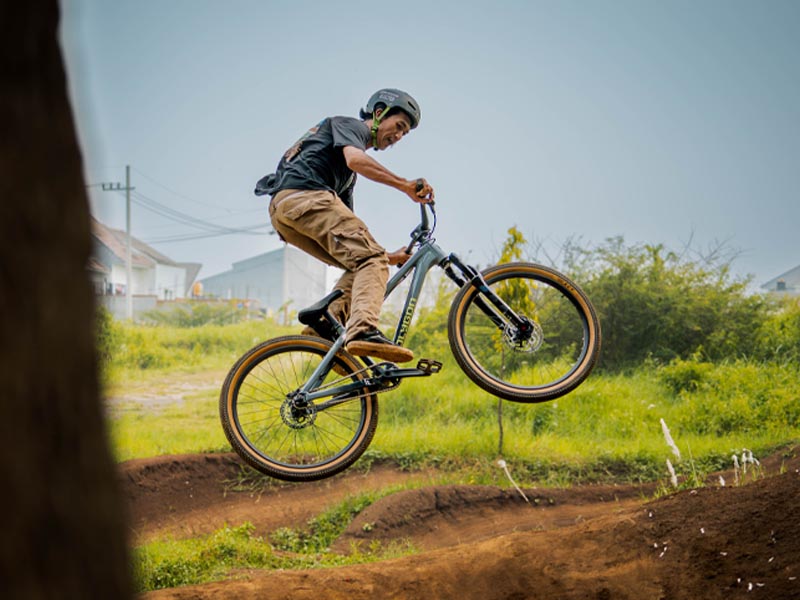
Credit: www.polygonbikes.com
Frequently Asked Questions
What Are The Best Upgrades For Dirt Jump Bikes?
The best upgrades include stronger frames, better suspension forks, and durable tires. Upgrading brakes and handlebars also improves control and safety. These enhancements boost performance and bike longevity for dirt jumping.
How Does Suspension Improve Dirt Jump Bike Performance?
Suspension absorbs shocks during jumps, making rides smoother and safer. It enhances bike control and reduces rider fatigue. Upgrading suspension is essential for handling rough terrains and big jumps effectively.
Which Tires Are Ideal For Dirt Jump Biking?
Ideal tires have a strong grip, durability, and low rolling resistance. Knobby or semi-slick tires provide excellent traction on dirt tracks. Choose tires designed for dirt jumps to improve stability and landing control.
Why Upgrade Brakes On A Dirt Jump Bike?
Upgraded brakes offer quicker response and better stopping power. This increases safety, especially during high-speed jumps and landings. Reliable brakes help maintain control and prevent accidents on challenging trails.
Conclusion
Upgrading your dirt jump bike boosts performance and fun. Start with key components. Handlebars, tires, and suspension make a big difference. Choose quality parts for durability and better rides. Consider your riding style when selecting upgrades. This ensures you get the most out of your bike.
Keep maintaining and adjusting your bike regularly. These small tweaks enhance your biking experience. Experiment with different settings to find what suits you best. Enjoy the thrill of dirt jumping with your improved bike. Happy riding!



