
Are you ready to take your dirt jumping skills to the next level? Understanding the right suspension type for your dirt jump bike can make all the difference in your ride.
Whether you want smoother landings or better control over jumps, knowing how to choose and adjust your suspension will help you perform better and stay safer. You’ll discover the main types of bike suspension for dirt jumping and how each one impacts your ride.
Keep reading to find out which suspension fits your style and needs perfectly.
Dirt Jump Bikes Basics
Dirt jump bikes are designed for jumping and tricks on dirt tracks. They have strong frames and simple parts. These bikes focus on durability and control.
Understanding suspension types helps riders choose the right bike. Suspension affects comfort and bike handling during jumps and landings.
Key Features
Dirt jump bikes have special features that make them good for jumps and tricks. These features balance strength and light weight.
- Strong, lightweight frame often made of aluminum or steel
- Small wheels usually 24 or 26 inches for better control
- Single gear or few gears for simplicity
- Powerful brakes for quick stops
- Wide tires with good grip on dirt surfaces
- Minimal or no rear suspension to keep the bike stiff
- Front suspension with limited travel to absorb shocks
Why Suspension Matters
Suspension helps absorb impact from landing jumps. It protects the rider and the bike frame. Proper suspension improves control and comfort.
| Suspension Type | Description | Pros | Cons |
| Rigid (No Suspension) | No shock absorbers on front or rear | Lightweight and simple | Hard landing impact |
| Front Suspension (Hardtail) | Shock absorber on front fork only | Absorbs front impact, better control | Heavier than rigid |
| Full Suspension | Shock absorbers on front and rear | Best comfort and control | Heaviest and more complex |
Types Of Suspension
Dirt jump bikes use different suspension types to handle jumps and landings. Suspension helps absorb shocks and keeps the ride smooth.
Choosing the right suspension depends on your riding style and the terrain. Let’s look at the main types of suspension for dirt jump bikes.
Hardtail Suspension
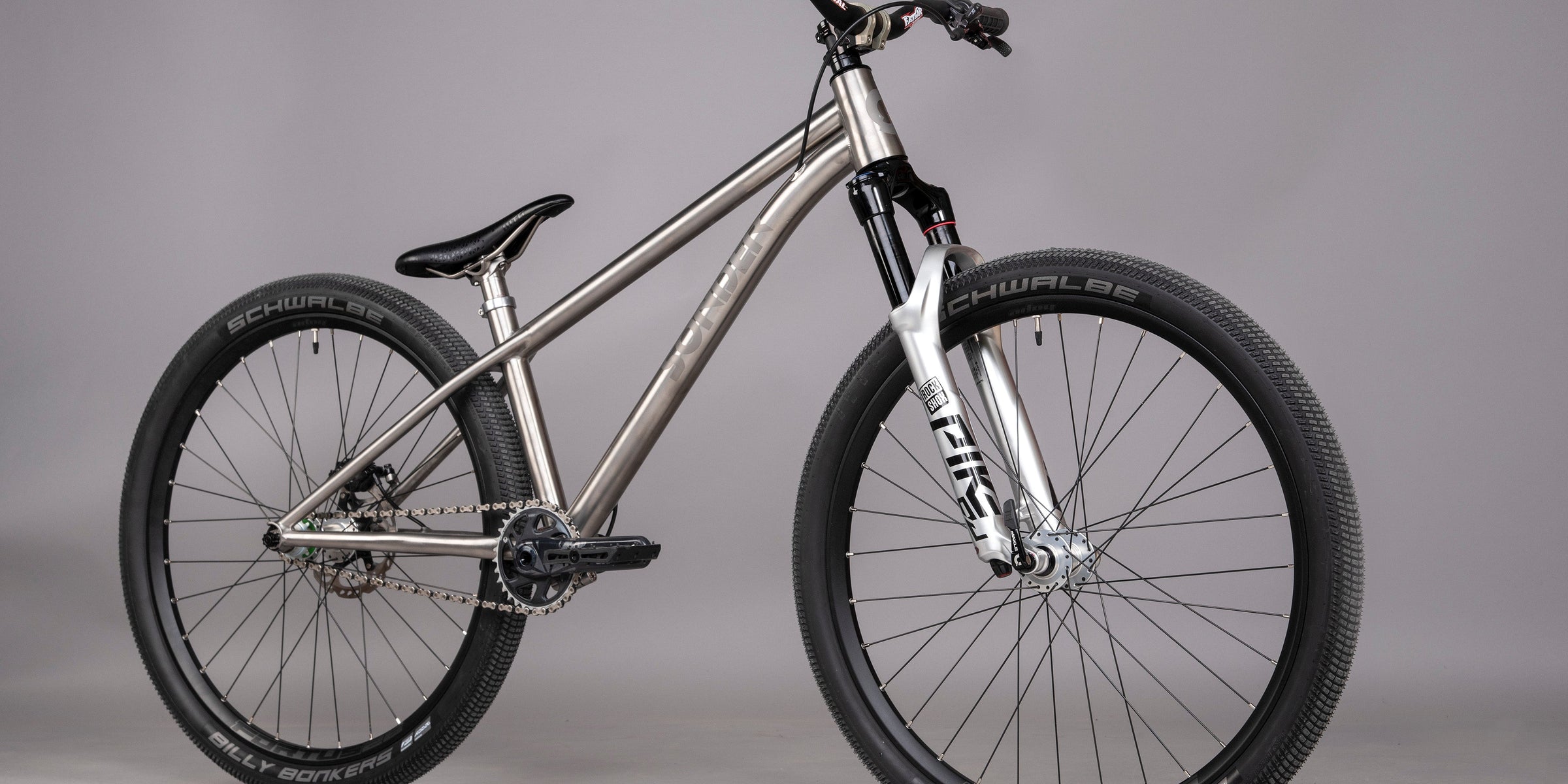
Hardtail bikes have suspension only in the front fork. The rear part of the bike is rigid with no shock absorbers.
This setup is lighter and easier to maintain. It works well for riders who want precise control and fast response on jumps.
- Front suspension fork absorbs bumps and landings
- Rear stays are stiff for better pedaling power
- Lighter weight helps with tricks and jumps
Full Suspension
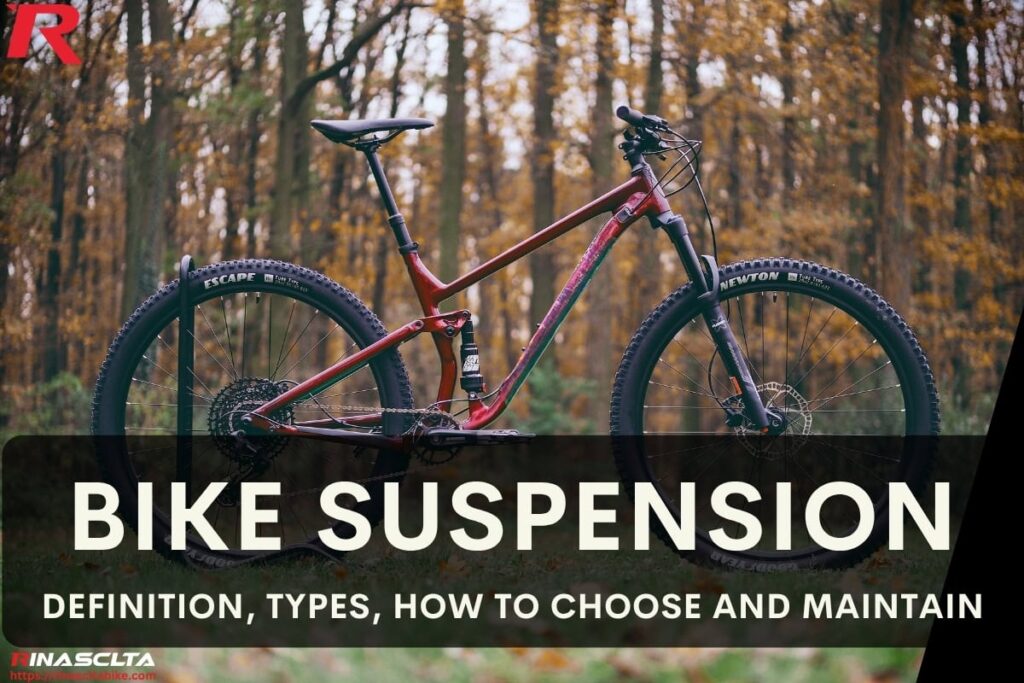
Full suspension bikes have shocks on both the front and rear. This design offers more comfort and control over rough terrain.
The rear suspension helps absorb bigger impacts from jumps. It is great for riders who want smooth landings and less fatigue.
- Front fork and rear shock reduce impact
- Improves traction on rough surfaces
- Heavier than hardtail but more comfortable
Rigid Frames
Rigid frames have no suspension at all. Both the front fork and rear frame are solid with no shock absorbers.
This type is very light and simple. It is good for riders who like direct feedback and ride on smooth dirt jump tracks.
- No suspension means less weight
- Requires skill to handle rough landings
- Low maintenance and very durable
Hardtail Suspension Details
A hardtail bike has suspension only in the front fork. The rear part of the bike is solid and does not move. This design makes hardtail bikes lighter and simpler.
Hardtail suspension is popular for dirt jumping. It helps absorb shocks on landing and rough terrain. Riders can control the bike better with less moving parts.
Design And Components
Hardtail dirt jump bikes have a suspension fork in the front only. The fork uses springs or air to absorb bumps. The frame is usually made of strong materials like aluminum or steel.
The rear part of the bike is rigid. It has no shock absorber. This makes the bike lighter and easier to maintain. The handlebars, wheels, and brakes are built to handle jumps and landings.
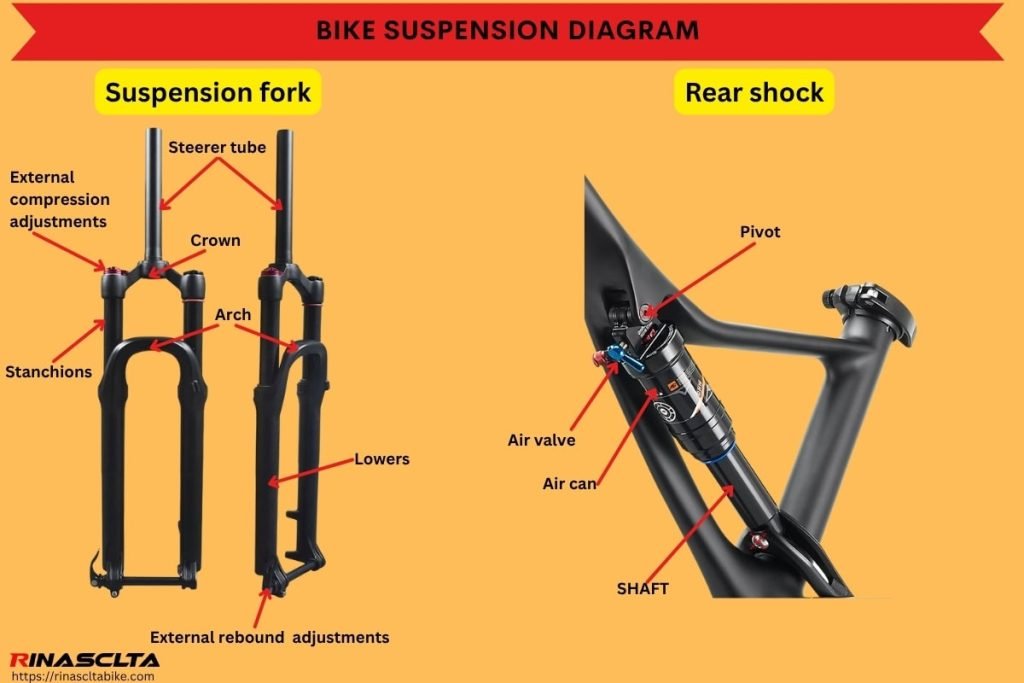
- Front suspension fork with spring or air system
- Rigid rear frame with no suspension
- Strong frame materials like aluminum or steel
- Durable wheels and brakes for jumps
Pros And Cons
Hardtail suspension has advantages and disadvantages for dirt jumping. It offers good control and less weight. But it can be rough on the rider during big jumps.
- Pros:Lighter weight, easier to maintain, better pedaling efficiency
- Cons:Less shock absorption at the rear, rougher rides on hard landings
Best Use Cases
Hardtail suspension works best for riders who want simple and light bikes. It suits smooth dirt jump tracks and street riding. Riders who prefer fast and precise handling choose hardtails.
- Controlled dirt jump tracks with smaller jumps
- Urban street riding with tricks and drops
- Riders focused on speed and bike control
Credit: rinascltabike.com
Full Suspension Features
Full suspension dirt jump bikes have both front and rear suspension. This design helps absorb shocks from landings and rough trails. Riders enjoy better control and comfort with this setup.
Understanding how full suspension works can help you decide if it fits your riding style. Let’s explore its main features and uses.
How It Works
Full suspension bikes use two shock absorbers. One is located at the front fork. The other is mounted near the rear wheel. Both parts work together to reduce impact forces.
- The front fork compresses when hitting obstacles or drops.
- The rear shock moves with the frame to absorb bumps.
- Suspension improves tire contact with the ground.
- This setup gives smoother rides on rough terrain.
Advantages And Drawbacks
| Advantages | Drawbacks |
| Better shock absorption for jumps and drops | Heavier than hardtail bikes |
| Improved bike control and stability | More maintenance due to extra parts |
| Less rider fatigue on rough trails | Higher cost compared to simpler setups |
Ideal Riding Conditions
Full suspension bikes work best on rough and uneven terrain. They are perfect for dirt jump parks with large obstacles. These bikes handle big drops and landings well.
- Steep trails with rocks and roots
- Jump parks with big ramps
- Technical courses with tight turns
- Loose or uneven dirt surfaces
Rigid Frame Characteristics
Rigid frames do not have any suspension components. They rely on a solid frame for strength and control. This design keeps the bike simple and light.
Riders who prefer a direct feel and less maintenance often choose rigid frames. These frames are common in dirt jump bikes for their durability.
Structure And Build
Rigid frames are made from strong materials like steel or aluminum. They have no shock absorbers or suspension forks. The frame is built to handle impacts by itself.
- Solid frame design
- No moving suspension parts
- Usually made from steel or aluminum
- Strong welds and thick tubing
- Often heavier than suspension frames
Benefits And Limitations
| Benefits | Limitations |
| Low maintenance | Less shock absorption |
| Lighter weight | Rougher ride on rough terrain |
| More direct control | Can cause more fatigue |
| Stronger frame | Less comfort on long rides |
When To Choose Rigid
Choose a rigid frame if you want low upkeep and simple design. It fits well for riders who like a firm, responsive ride.
- If you ride mostly on smooth dirt jump tracks
- If you prefer a lighter bike for tricks
- If you want fewer parts to repair or replace
- If you like feeling every move of your bike
Suspension Tuning Tips
Tuning your dirt jump bike suspension helps you ride smoother and safer. Proper settings give better control on jumps and landings.
This guide covers adjusting air pressure, setting rebound and compression, and basic maintenance tips.
Adjusting Air Pressure
Air pressure changes how soft or firm your suspension feels. Lower pressure gives more cushioning but can bottom out easily.
Higher pressure makes the suspension stiffer, which helps on big jumps. Find the right balance for your weight and riding style.
- Start with the manufacturer’s recommended pressure
- Reduce pressure if you feel harsh landings
- Increase pressure for better support on big drops
- Check pressure before every ride
Setting Rebound And Compression
Rebound controls how fast the suspension returns after a bump. Too fast makes the bike bounce; too slow feels stiff.
Compression controls how the suspension absorbs impacts. Adjust it to avoid harsh hits or too much bounce.
- Turn rebound knob to slower if the bike feels bouncy
- Speed up rebound if the bike feels stiff after landing
- Set compression to firm for big jumps
- Use softer compression for small, technical trails
Maintenance Essentials
Keep your suspension clean and checked to work well. Dirt and grime can damage seals and reduce performance.
Regularly inspect for leaks, clean the stanchions, and service the suspension as the manual says.
- Wipe suspension after every ride
- Check for oil leaks on forks and shocks
- Lubricate seals and moving parts
- Follow service intervals from the manufacturer
Choosing Suspension For Your Style
Dirt jumping requires the right bike suspension. Picking the right type helps you ride better.
This guide looks at how to choose suspension based on your riding style and needs.
Beginners Vs. Advanced Riders
Beginners need simple, durable suspension. It should absorb small jumps and bumps easily.
Advanced riders want more control and adjustment options. They handle bigger jumps and rougher landings.
- Beginners: Hardtail or simple front suspension
- Advanced: Full suspension with adjustable settings
- Beginners: Focus on stability and ease of use
- Advanced: Focus on performance and fine tuning
Terrain Considerations
Your terrain impacts the suspension you need. Smooth tracks need less travel than rough trails.
| Terrain Type | Recommended Suspension | Suspension Travel |
| Flat and smooth | Hardtail or front fork | 80-100 mm |
| Mixed terrain | Front suspension with medium travel | 100-120 mm |
| Rough and rocky | Full suspension | 120-150 mm |
Budget Factors
Suspension prices vary widely. Your budget affects your choices and features.
Consider these budget tips:
- Set a clear budget before shopping.
- Basic suspensions cost less but have fewer features.
- Higher-end models offer better adjustability and durability.
- Look for used parts to save money.
Credit: us.alpkit.com
Common Suspension Issues
Dirt jump bike suspension helps absorb shocks during jumps and landings. Over time, suspension parts may wear out or fail. Knowing common problems can help you keep your bike safe and smooth.
Different suspension types have unique parts, but many issues are similar. This guide covers how to spot problems, quick fixes, and when to get professional help.
Identifying Problems
Look for odd noises like creaks or clunks when you ride. These sounds often mean something is loose or damaged. Check if your suspension feels too hard or too soft.
Notice if the bike bounces too much or doesn’t return smoothly after a jump. Leaking oil or dirt around the suspension parts also shows a problem.
- Suspension feels stiff or locked up
- Excessive bouncing or poor rebound
- Oil leaks from forks or shocks
- Strange noises during riding
- Visible damage or dirt buildup
Quick Fixes
Clean your suspension regularly to remove dirt and dust. Use a soft cloth and mild cleaner. Avoid high-pressure water that can push dirt inside.
Tighten loose bolts and check air pressure if your suspension uses air springs. Adjust settings to match your weight and riding style.
- Wipe down suspension stanchions after every ride
- Check and tighten all suspension bolts
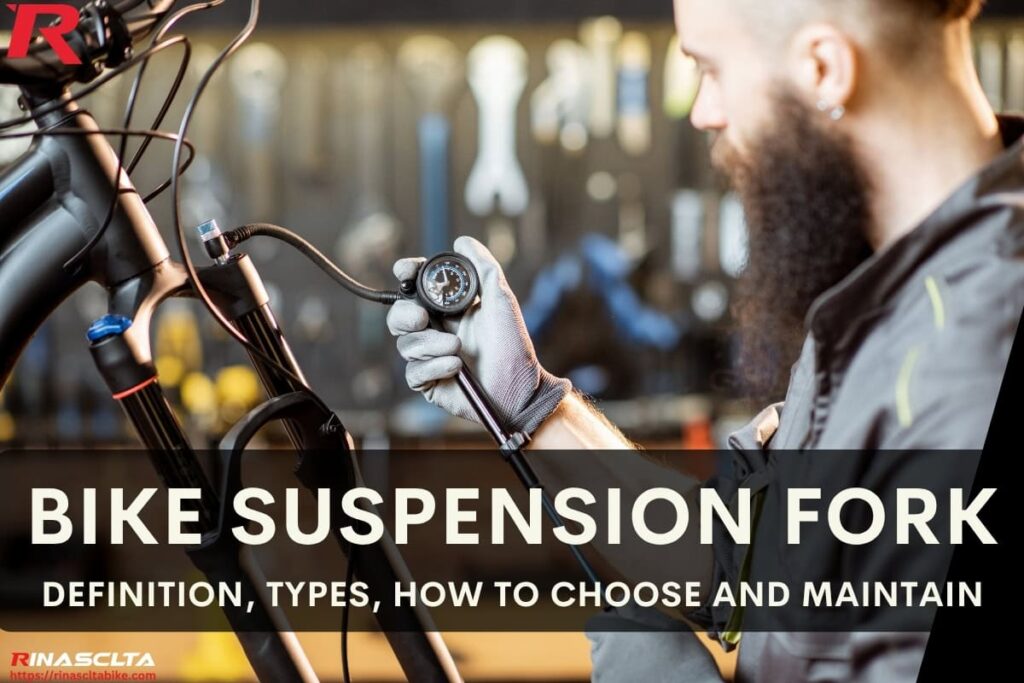
- Adjust air pressure using a shock pump
- Lubricate seals with proper suspension oil
- Replace damaged dust seals if needed
When To See A Professional
If your suspension leaks oil or feels very soft or hard even after adjustments, get expert help. Internal parts may need replacement or servicing.
Unusual noises that don’t stop after tightening bolts also require a mechanic. Regular professional servicing can extend your suspension’s life.
- Oil leaks visible on suspension parts
- Suspension won’t hold air pressure
- Persistent noises after basic fixes
- Rough or uneven ride quality
- Suspension feels stuck or doesn’t rebound
Credit: rinascltabike.com
Frequently Asked Questions
What Is Dirt Jump Bike Suspension?
Dirt jump bike suspension is designed for absorbing impacts during jumps and tricks. It typically features a robust front suspension fork. This setup provides stability and control on rough terrains and during landings. The suspension is usually less than 100mm to ensure a responsive and agile ride.
Why Choose Dirt Jump Bike Suspension?
Choosing dirt jump bike suspension offers enhanced control and stability. It’s crucial for performing jumps and tricks safely. The suspension helps absorb shocks from landings, protecting the rider from harsh impacts. This type of suspension is ideal for riders seeking to improve their skills in dirt jumping.
How Does Suspension Affect Dirt Jumping?
Suspension affects dirt jumping by providing shock absorption and control. It allows for smoother landings and better handling on uneven terrain. A well-tuned suspension enhances performance and comfort, reducing rider fatigue. This results in more confidence during jumps and tricks, improving overall riding experience.
Can You Adjust Dirt Jump Bike Suspension?
Yes, you can adjust dirt jump bike suspension to suit your riding style. Most forks allow for tuning the preload and rebound. Adjusting these settings enhances control and comfort. Proper adjustments can significantly improve your performance and confidence during jumps and tricks.
Conclusion
Choosing the right suspension makes dirt jumping safer and more fun. Each type suits different riding styles and terrains. Think about your skill level and bike setup. Adjust your suspension to match your jumps. Practice often to feel the difference.
Good suspension helps absorb shocks and keeps control. Enjoy your rides with confidence and comfort. Dirt jumping becomes easier with the right gear. Keep learning and improving your technique every time.



