
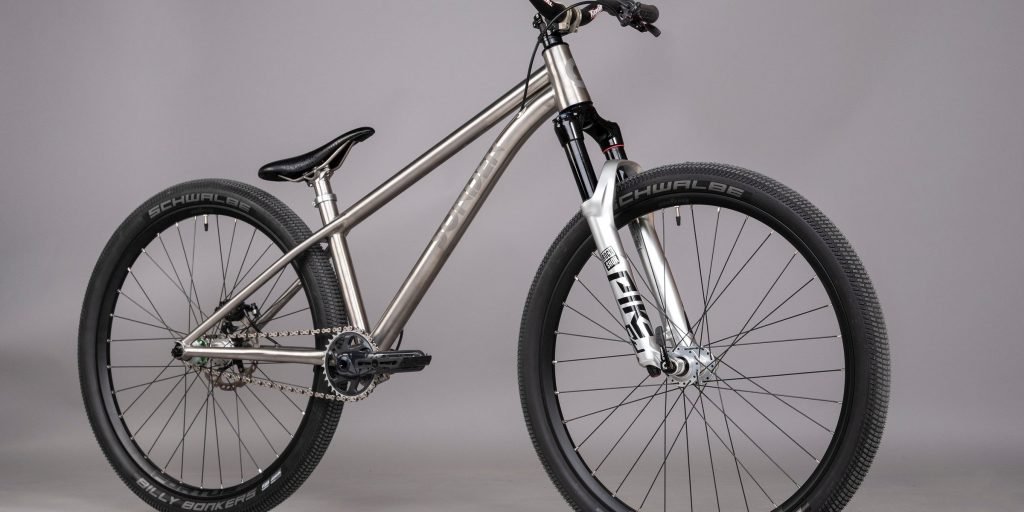
Are you ready to take your dirt jump bike to the next level? Getting your suspension tuned just right can make all the difference between a smooth landing and a rough crash.
If you want to boost your control, feel every jump perfectly, and ride with more confidence, tuning your bike’s suspension is the secret you can’t ignore. In this guide, you’ll discover simple steps to adjust your suspension like a pro, so every jump feels natural and thrilling.
Keep reading, and soon you’ll be flying higher and landing softer than ever before.
Choosing The Right Suspension
Dirt jump bikes need good suspension to handle big landings. Picking the right suspension helps you ride better and safer.
This guide explains how to choose suspension parts for your dirt jump bike. Focus on forks, rear shocks, travel, and springs.
Fork Vs. Rear Shock Selection
Forks and rear shocks work together to absorb impacts. Forks handle front shocks, while rear shocks control the back.
For dirt jumping, strong forks with good travel are important. Rear shocks help with smooth landings and control.
- Choose forks that can handle hard landings
- Rear shocks should offer good rebound control
- Lightweight parts help with bike control
Suspension Travel Considerations
Suspension travel means how far the suspension moves under pressure. Too much travel makes the bike less stable.
Dirt jump bikes usually need less travel than trail bikes. About 80 to 120 mm travel is best for jumps and tricks.
- Short travel keeps the bike stiff and responsive
- Long travel can be too soft for dirt jumping
- Match travel length to your riding style
Spring Types And Ratings
Springs help the suspension absorb shocks. There are coil springs and air springs for dirt jump bikes.
Coil springs are simple and strong. Air springs are lighter and easier to adjust. Choose spring rates that match your weight.
| Spring Type | Pros | Cons |
|---|---|---|
| Coil Spring | Durable, consistent performance | Heavier, less adjustable |
| Air Spring | Lightweight, easy to tune | Can leak, less durable |
Setting Sag For Dirt Jumping
Dirt jump bike suspension needs the right sag to perform well. Sag is how much the suspension compresses under your weight. Setting sag helps the bike absorb landings and control jumps.
Adjusting sag correctly improves comfort and bike handling. You should check sag before every ride for best results.
Measuring Proper Sag
To measure sag, you need a friend or a wall to lean the bike against. Wear your full riding gear and sit on the bike in your normal riding position. Make sure the suspension is fully extended before you start.
- Push the bike down gently to settle the suspension.
- Mark the suspension’s position at full extension.
- Mark the position once you are seated and settled.
- Measure the distance between the two marks.
- Compare this distance to the total suspension travel.
Proper sag is usually between 25% and 35% of the total suspension travel for dirt jumping.
Adjusting Air Pressure Or Spring Preload
You can change sag by adjusting air pressure in air shocks or preload on coil springs. Use a shock pump for air shocks and a wrench for preload collars.
| Type | Adjustment | Effect on Sag |
| Air Suspension | Increase or decrease air pressure | Higher pressure reduces sag; lower pressure increases sag |
| Coil Spring | Turn preload collar to compress or release spring | More preload reduces sag; less preload increases sag |
Make small adjustments and re-measure sag each time. This helps you find the right balance for your weight and riding style.
Tuning Compression Damping
Compression damping controls how your bike suspension reacts to bumps. It slows down the fork or shock as it compresses.
Proper tuning helps you absorb impacts better and keep control during dirt jumps. It needs careful adjustment for different speeds.
Low-speed Vs. High-speed Compression
Low-speed compression affects small, slow movements like pedaling or braking forces. High-speed compression handles quick hits from jumps or rocks.
- Low-Speed Compression:Controls how the suspension moves during gentle or gradual forces.
- High-Speed Compression:Reacts to sudden, hard impacts for better shock absorption.
- Adjusting both helps balance comfort and control on rough trails.
Adjusting For Impact Absorption
You must tune compression damping to absorb impacts well without making the suspension too stiff or too soft.
| Adjustment | Effect | When to Use |
| Increase Low-Speed Compression | Reduces fork dive and improves pedaling efficiency | Riding on smooth trails or climbing |
| Decrease Low-Speed Compression | Allows suspension to move more freely | Rough trails with small bumps |
| Increase High-Speed Compression | Better absorption of big hits and drops | Jumping and fast technical sections |
| Decrease High-Speed Compression | Suspension feels softer but may bottom out | Light jumps or less aggressive riding |

Credit: www.reddit.com
Adjusting Rebound Damping
Rebound damping controls how fast your bike’s suspension returns after compression. It affects your bike’s stability and handling during dirt jumps.
Adjusting it right helps you land smoothly and keeps the suspension ready for the next jump.
Controlling Suspension Return Speed
Rebound speed is the rate at which your suspension extends back after compressing. Too fast, and the bike can feel bouncy. Too slow, and the suspension may not reset before the next impact.
- Locate the rebound adjustment knob, usually marked in red.
- Turn clockwise to slow the rebound speed.
- Turn counterclockwise to speed it up.
- Test your bike on small jumps to feel the difference.
- Make small changes, about one click at a time.
Fine-tuning For Smooth Landings
Proper rebound settings make your landings softer and more controlled. You want the suspension to absorb impact without bouncing too much.
| Rebound Setting | Effect on Landing |
| Too Fast | Suspension rebounds quickly, causing a bouncy feel and less control. |
| Too Slow | Suspension stays compressed too long, making the bike feel stiff and sluggish. |
| Just Right | Suspension returns smoothly, absorbing impact and preparing for the next jump. |
Suspension Setup For Different Terrain
Adjusting your dirt jump bike suspension helps you ride better on different surfaces. Each terrain needs unique settings for smooth control and safety.
This guide covers how to tune your suspension for pump tracks, dirt jumps, and skate parks. Use these tips to improve your ride experience.
Tuning For Pump Tracks
Pump tracks have fast turns and small bumps. Your suspension should be responsive but firm. This helps keep speed and control.
- Set your suspension to medium firmness for quick response.
- Use low rebound to avoid bouncing after bumps.
- Keep sag between 20% and 25% for balance.
- Check for smooth compression to absorb small bumps.
Adjustments For Dirt Jumps
Dirt jumps demand strong suspension to handle big landings. You want more travel and softer settings to reduce impact force.
| Setting | Recommended Value |
| Travel | Max travel available |
| Compression | Medium to soft |
| Rebound | Medium speed |
| Sag | 25% to 30% |
Settings For Skate Parks
Skate parks have smooth ramps and hard surfaces. Your suspension should be firmer to keep stability and quick reaction.
Try these tips for skate park suspension:
- Increase compression for firmer feel on hard landings.
- Use faster rebound to reset quickly after drops.
- Set sag lower, around 15% to 20%, for better control.
Common Suspension Issues
Dirt jump bike suspension needs the right tuning for smooth rides. Problems can cause rough landings and poor control.
Understanding common suspension issues helps you fix and adjust your bike better.
Handling Bottom-outs
Bottoming out happens when the suspension fully compresses too easily. It feels like a hard hit on landing.
- Check your air pressure and increase it if too low
- Use a firmer spring to support your weight
- Adjust the rebound to slow down compression speed
- Inspect for worn or damaged seals and parts
Preventing Excessive Dive
Excessive dive happens when the front suspension compresses too much during braking. It can make the bike unstable.
| Cause | Adjustment | Effect |
| Low compression damping | Increase compression setting | Reduces front fork dive |
| Soft spring | Use stiffer spring | Supports weight better |
| Incorrect rider position | Shift weight back during braking | Improves stability |
Avoiding Harsh Rebounds
Harsh rebounds make the bike bounce back quickly after compression. It can feel jerky and unsafe.
To tune your rebound correctly, follow these tips:
- Turn the rebound dial slower to reduce speed
- Test by dropping the bike from a low height
- Adjust until the suspension returns smoothly without bouncing
- Check manufacturer guidelines for rebound settings
Maintenance Tips For Longevity
Keeping your dirt jump bike suspension in good shape helps it last longer. Proper care makes your rides smoother and safer.
This guide covers simple steps to clean, lubricate, and know when to fix or change parts.
Regular Cleaning And Inspection
Clean your suspension after every ride. Dirt and dust can cause damage over time. Use a soft brush and mild soap to remove grime.
Check for leaks, cracks, or dents on the suspension parts. Look closely at seals and stanchions. Early fixes stop bigger problems.
Lubrication And Seal Care
Lubricate the suspension to keep it moving smoothly. Use oil made for bike suspension parts. Avoid using too much oil.
- Apply lubricant to stanchions and seals regularly.
- Wipe off excess oil to prevent dirt buildup.
- Use a seal cleaner to remove grime without damaging the seals.
- Replace seals if they show signs of wear or damage.
When To Service Or Replace Components
Suspension parts wear out with use. Service your suspension at least once a year or after heavy riding.
| Component | Signs to Service or Replace |
| Fork Seals | Oil leaks, dirt inside, or rough movement |
| Shock Absorber | Loss of damping, strange noises, or visible damage |
| Bushings | Play in the suspension or knocking sounds |
| Springs | Sagging or loss of tension |
Credit: www.dirtrider.com

Credit: rinascltabike.com
Frequently Asked Questions
How Do I Adjust Dirt Jump Bike Suspension?
Adjust your suspension by setting the sag first. Then, fine-tune rebound and compression for smooth landings and control. Test jumps and make small adjustments until comfortable.
What Is The Ideal Sag For Dirt Jump Bikes?
Ideal sag for dirt jump bikes is around 25-30% of total suspension travel. This balance ensures good shock absorption and proper bike handling on jumps.
How Often Should I Tune My Dirt Jump Suspension?
Tune your suspension regularly, especially after heavy use or different trail conditions. Aim for adjustments every few rides or when performance feels off.
Why Is Rebound Adjustment Important In Dirt Jumping?
Rebound controls how fast the suspension returns after compression. Proper rebound prevents bounce-back, ensuring stability and better control during consecutive jumps.
Conclusion
Tuning your dirt jump bike suspension is crucial for better performance. Start with the basics like adjusting air pressure. Test your bike on different terrains. Observe how it feels and make small tweaks. Maintain your suspension regularly for optimal results.
Consult a professional if needed. Each adjustment leads to a more comfortable ride. Enjoy the thrill of dirt jumping with confidence. Happy biking and stay safe!



