
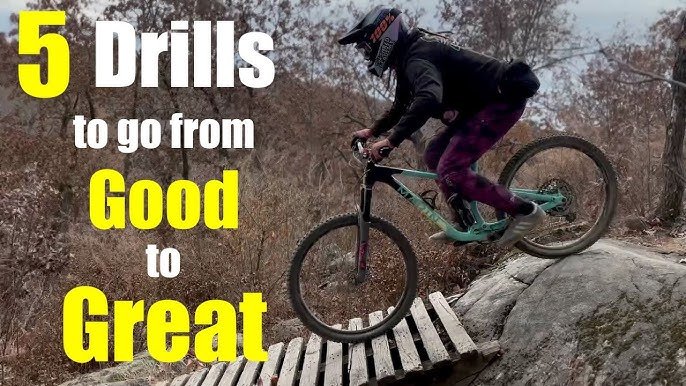
If you love dirt jumping, you know how important it is to have your bike set up just right. One key feature that can make a big difference is the suspension lockout.
But how exactly do you use your dirt jump bike’s suspension lockout to get the best ride? You’ll discover simple, step-by-step tips to master this feature. Whether you’re a beginner or looking to fine-tune your skills, understanding suspension lockout can help you jump higher, land smoother, and ride with more control.
Keep reading to unlock the secrets that will take your dirt jumping to the next level.
Dirt Jump Bikes And Suspension Basics
Dirt jump bikes are built for jumping and tricks on dirt tracks. They have strong frames and simple suspension.
Suspension helps absorb shocks from landing and rough trails. Understanding suspension helps riders control their bike better.
Key Suspension Components
Dirt jump bikes usually have front suspension forks. These forks have springs and dampers to manage bumps.
- Forks:These connect the front wheel to the frame and absorb shocks.
- Lockout Lever:This part stops the suspension from moving, making the bike rigid.
- Springs:They push the suspension back after compression.
- Dampers:They control how fast the suspension moves up and down.
Role Of Suspension In Dirt Jumping
Suspension helps riders land jumps smoothly and keep control on rough terrain. It also reduces the risk of injury.
| Function | Benefit |
| Absorbs impact | Protects rider and bike from damage |
| Improves control | Helps keep balance during tricks |
| Allows lockout | Gives better pedaling efficiency when riding flat |
What Is Suspension Lockout
Suspension lockout is a feature on a dirt jump bike. It stops the suspension from moving.
This helps the bike stay firm on smooth or hard surfaces. It makes pedaling easier and faster.
Lockout Mechanism Explained
The lockout mechanism works by blocking the suspension’s movement. It uses a lever or switch on the bike.
When you activate the lockout, the suspension becomes stiff. This stops it from absorbing bumps.
- The lever controls a valve inside the fork or shock.
- The valve closes to stop fluid from moving.
- This locks the suspension in place.
- You can unlock it to return to normal suspension.
Benefits Of Locking Suspension
Locking your suspension helps on flat, smooth trails. It improves pedaling efficiency and speed.
It also keeps the bike stable when jumping or landing on hard surfaces. You get better control.
- Reduces energy loss from suspension movement
- Makes climbing easier on hard ground
- Increases bike stability on jumps
- Improves speed on smooth trails
When To Use Suspension Lockout
Dirt jump bike suspension lockout helps control your bike better. It stops the suspension from moving.
Use lockout to save energy and improve pedaling on smooth or hard surfaces.
Ideal Riding Conditions
Use suspension lockout on flat, smooth trails or paved areas. The lockout makes the bike feel firm and fast.
It works well on climbs where you need to pedal hard without losing power to suspension movement.
- Smooth dirt or hardpack trails
- Paved or concrete surfaces
- Uphill climbs or sprint sections
Signs To Engage Lockout
You should lock the suspension when pedaling feels slow or energy is wasted. The bike may bounce too much.
If the trail is mostly flat and you want better speed, lock the suspension to keep the bike stable.
- Pedaling feels inefficient or sluggish
- Bike bounces on smooth surfaces
- You want to climb without suspension bob
- Trail has long flat or paved sections

Credit: rinascltabike.com
How To Activate Lockout On Your Bike
Locking out your bike suspension makes pedaling easier on smooth surfaces. It stops the suspension from compressing. This helps save energy and improves speed.
There are two main ways to activate lockout: manual systems and remote options. Each works differently and suits different riders.
Manual Lockout Systems
Manual lockout systems require you to adjust a lever or knob directly on the suspension fork or shock. This method is simple and reliable.
- Locate the lockout lever or knob on your suspension.
- Turn or flip the lever to the lock position.
- Check that the suspension no longer compresses.
- To unlock, return the lever to the original position.
Remote Lockout Options
Remote lockout systems let you control suspension from the handlebar. This allows quick changes without stopping or moving your hands far.
| Feature | Manual Lockout | Remote Lockout |
| Control Location | On Suspension | Handlebar |
| Ease of Use | Requires Reaching | Quick Access |
| Adjustment Speed | Slower | Faster |
| Maintenance | Low | Higher |
Tips For Effective Lockout Usage
Using the suspension lockout on your dirt jump bike can improve your riding experience. It helps you save energy and ride smoothly on different terrains.
This guide shares key tips to use the lockout feature well and keep control and safety on your rides.
Adjusting For Terrain
Lock the suspension on flat or smooth surfaces to pedal more efficiently. Unlock it on rough or uneven ground to absorb shocks and maintain traction.
- Use lockout on paved or hard-packed trails.
- Unlock suspension before jumps or drops.
- Switch to unlocked mode on rocky or root-covered trails.
- Adjust quickly when terrain changes to stay comfortable.
Maintaining Control And Safety
Proper use of lockout keeps your bike stable and prevents accidents. Stay alert and adjust settings before tricky sections.
| Situation | Lockout Setting | Reason |
|---|---|---|
| Riding uphill on smooth trail | Locked | Improves pedaling efficiency |
| Landing from a jump | Unlocked | Absorbs impact safely |
| Rough downhill section | Unlocked | Increases control and comfort |
| Flat straightaway | Locked | Conserves energy |

Credit: rinascltabike.com
Common Mistakes To Avoid
Using the suspension lockout on your dirt jump bike can improve control and speed. But riders often make mistakes that hurt performance.
Knowing what to avoid helps you get the most from your bike’s suspension lockout.
Overusing Lockout
Locking out suspension too much can make your ride rough. It reduces shock absorption on bumpy landings.
Use lockout mainly on smooth surfaces or when pedaling hard. Keep it unlocked for jumps and rough trails.
- Lockout on flat, smooth ground to save energy
- Avoid lockout on rough or rocky trails
- Unlock before jumps to protect your body and bike
Ignoring Suspension Maintenance
Suspension parts need regular care to work well. Dirt and grime can block lockout functions.
Check and clean your suspension often. Replace worn parts to keep lockout smooth and reliable.
- Clean suspension forks after every ride
- Lubricate moving parts as recommended
- Inspect seals and replace if damaged
- Service suspension at least once a year
Troubleshooting Lockout Issues
Dirt jump bike suspension lockout helps you ride smoothly on flat surfaces. Sometimes, the lockout may not work right. Knowing how to fix lockout problems saves time and keeps your ride safe.
This guide explains common lockout issues. It shows easy ways to check and fix your bike’s suspension lockout.
Lockout Not Engaging
If the lockout does not engage, the suspension stays soft. This makes pedaling harder and wastes energy. Check these points to fix the issue.
- Check the lockout lever for damage or dirt.
- Make sure the cable is tight and not broken.
- Inspect the lockout mechanism inside the fork or shock.
- Lubricate moving parts if they feel stiff.
- Replace the cable if it is frayed or stuck.
If problems continue, take your bike to a mechanic for a detailed check.
Suspension Performance Problems
The suspension may not work well even if the lockout engages. It can feel too hard or too soft. These issues affect your control and comfort.
- Check air pressure in air shocks. Add or release air as needed.
- Look for leaks around seals or dampers.
- Make sure the suspension is clean and free of mud.
- Adjust rebound and compression settings for your weight.
- Service the suspension regularly to keep parts working well.
Proper care keeps your suspension smooth and responsive. Fixing small issues early avoids bigger problems later.

Credit: www.youtube.com
Upgrading Your Suspension Lockout
Upgrading the suspension lockout on your dirt jump bike can improve control and efficiency. A well-chosen lockout system helps you ride smoother on flat or paved surfaces.
This guide covers how to choose the right lockout system and tips for installation. Follow these steps to get better performance from your bike.
Choosing The Right Lockout System
Select a lockout system that matches your riding style and suspension type. Different systems offer various control levels and ease of use.
- Check if your fork or shock supports remote lockout.
- Decide between mechanical or hydraulic lockout systems.
- Choose a lockout that fits your budget and skill level.
- Look for easy-to-use controls that you can reach while riding.
- Consider compatibility with your bike’s suspension brand.
Installation Tips
Installing a suspension lockout requires some basic tools and care. Follow these tips to avoid damage and ensure smooth operation.
| Tip | Details |
| Read Instructions | Follow the manufacturer’s manual closely. |
| Use Proper Tools | Use the right size wrenches and screwdrivers. |
| Check Cable Routing | Keep cables clear of moving parts to avoid wear. |
| Test Lockout | Try the lockout several times before riding. |
| Adjust Tension | Make sure cable tension is correct for quick response. |
Frequently Asked Questions
What Is Suspension Lockout On A Dirt Jump Bike?
Suspension lockout is a feature that stiffens the suspension. It prevents the fork from compressing during jumps. This helps maintain speed and control on smooth surfaces. Lockout improves efficiency when pedaling or riding on flat terrain.
When Should I Use Suspension Lockout For Dirt Jumping?
Use suspension lockout on smooth or hard-packed trails. Lock it during approaches to jumps for better power transfer. Unlock suspension for absorbing impact during landings. Proper use enhances bike control and jump performance.
How Do I Activate Suspension Lockout On My Bike?
Locate the lockout lever or dial on the fork or shock. Turn or flip the lever to engage lockout mode. You’ll feel the suspension become firm and less responsive. Adjust as needed depending on the trail conditions.
Can Locking Suspension Damage My Dirt Jump Bike?
No, using lockout won’t damage your bike when used properly. Avoid locking suspension on rough terrain or big drops. This prevents excess stress on the frame and components. Always unlock suspension before landing from jumps.
Conclusion
Using suspension lockout enhances your dirt jump biking experience. It provides better control. You can jump higher with less energy. Lockout also helps during pedaling. It makes your ride smooth and efficient. Adjusting your suspension boosts comfort on different terrains.
Practice using lockout to find your preference. Every rider has unique needs. Experiment with settings for the best performance. Remember, safety comes first. Always wear protective gear. Enjoy the thrill of dirt jumping with confidence.



