
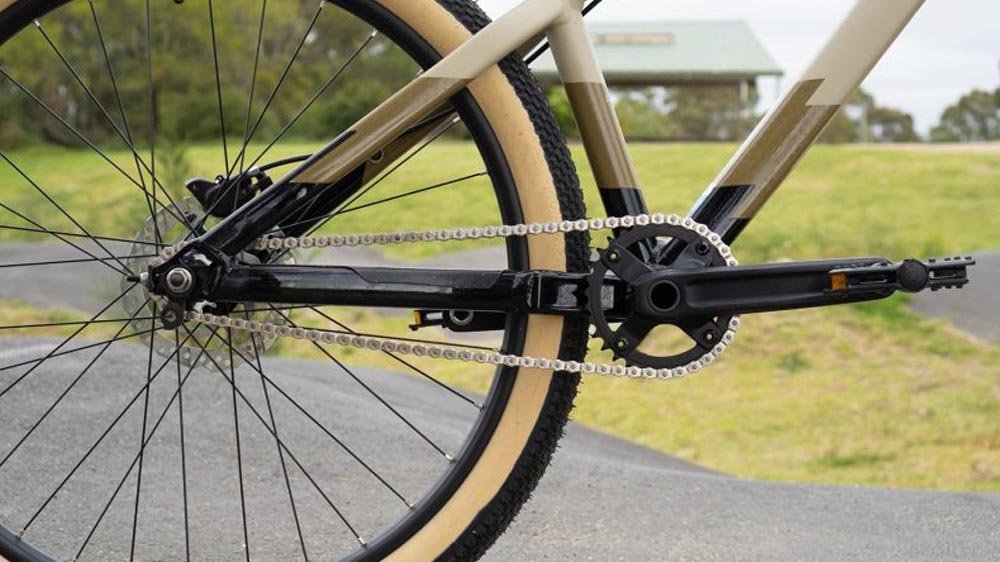
Are you ready to take your dirt jumping skills to the next level? Setting up your bike the right way is the first step to landing smooth jumps and feeling confident on the trail.
But if you’re new to dirt jumping, the bike setup can seem confusing and overwhelming. Don’t worry—this guide breaks it down for you in simple steps. By the end, you’ll know exactly how to prepare your bike for those thrilling airtime moments.
Keep reading to learn how to get your dirt jump bike ready and start flying higher than ever before!
Choosing The Right Bike
Picking the right dirt jump bike is key for beginners. It helps you learn and enjoy the sport safely.
Different bikes fit different styles and rider needs. Knowing bike types and features is important.
Types Of Dirt Jump Bikes
Dirt jump bikes come in several types. Each type suits different riding styles and terrains.
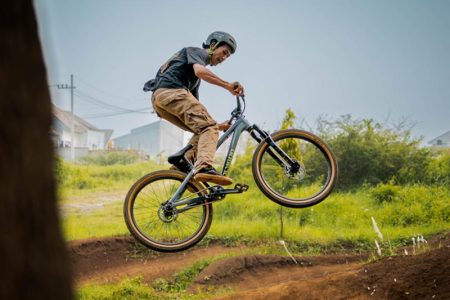
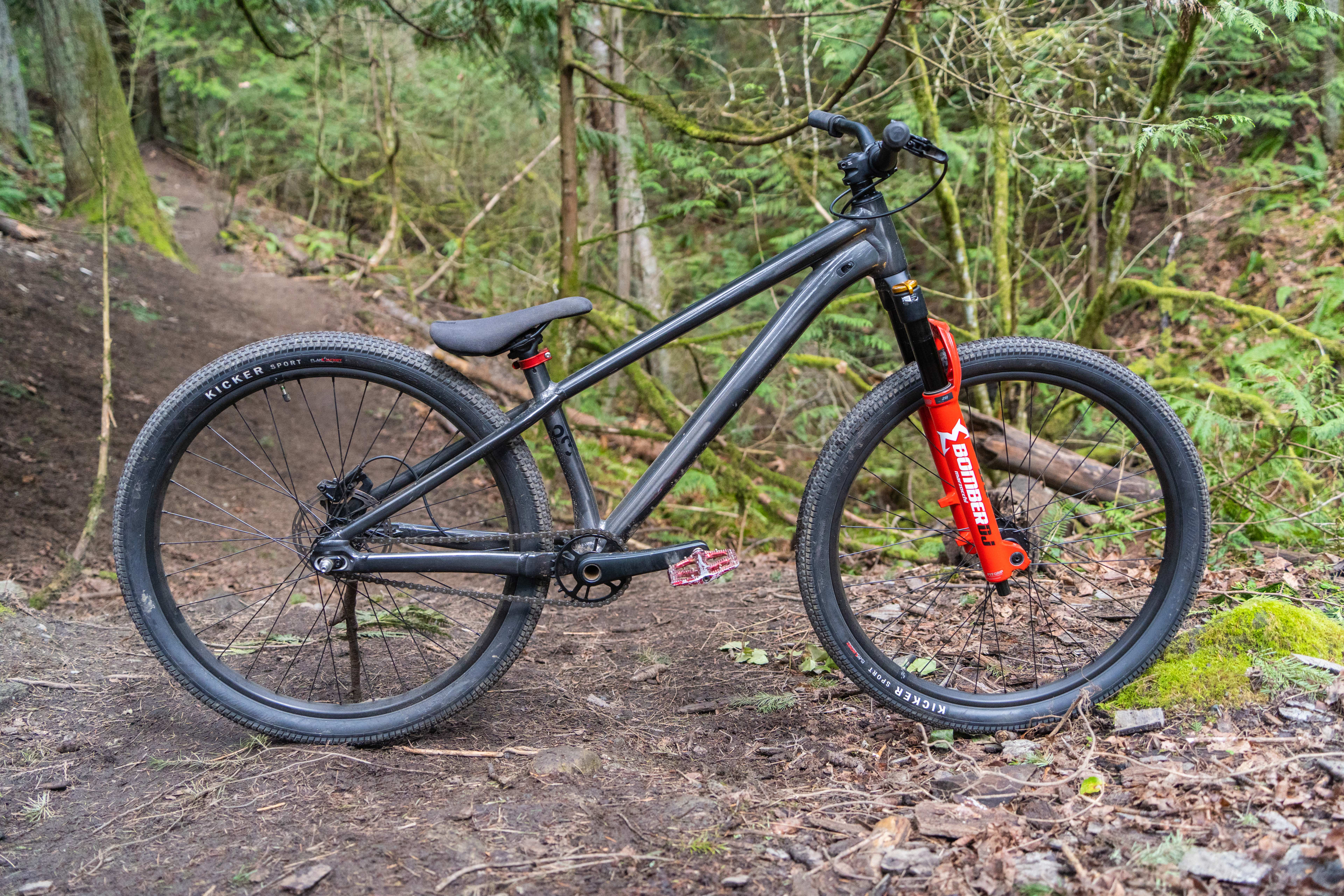
- Hardtail Bikes:These have a front suspension fork only. They are light and simple.
- Full Suspension Bikes:These have front and rear suspension. They absorb big impacts well.
- Rigid Bikes:No suspension at all. They are tough and easy to maintain.
Frame Materials And Sizes
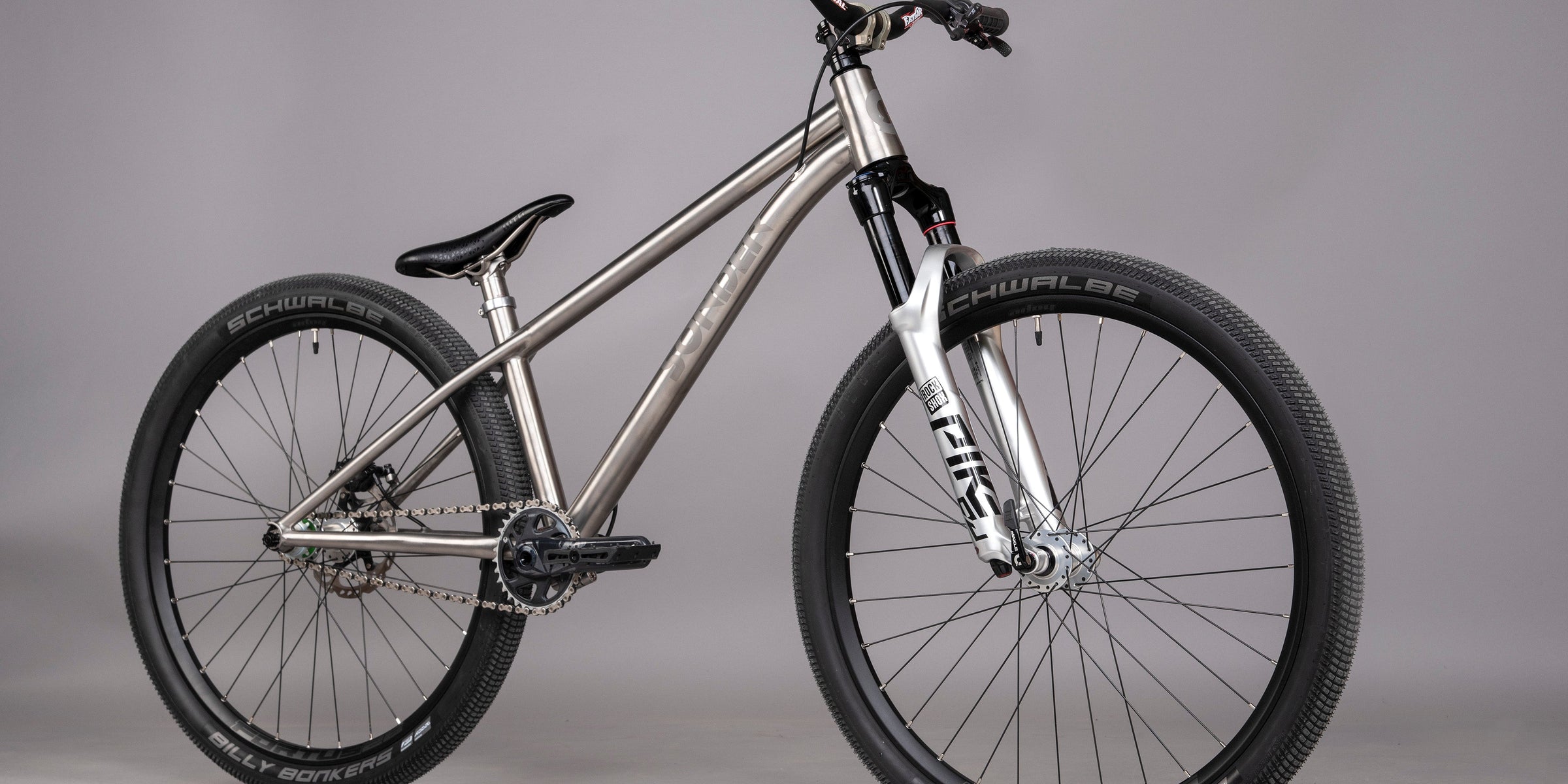
Bike frames affect weight and strength. Common materials include aluminum, steel, and carbon fiber.
Frame size matters for comfort and control. Beginners should pick a size that fits their height well.
- Aluminum:Lightweight and strong, good for most riders.
- Steel:Heavier but very durable, offers a smooth ride.
- Carbon Fiber:Very light but expensive, less common for dirt jumping.
- Size:Check the bike’s top tube length and stand-over height.
Suspension Vs. Rigid
Suspension helps absorb shocks from landings and rough terrain. Rigid bikes have no suspension.
Beginners may find rigid bikes easier to control on small jumps. Suspension bikes help with bigger drops.
- Suspension Bikes:Smoother ride, better for rough trails and big jumps.
- Rigid Bikes:Simpler design, less maintenance, good for smooth dirt tracks.
Credit: www.polygonbikes.com
Essential Components
Dirt jump bikes need special parts for good performance. Beginners should focus on key components.
This guide covers wheels and tires, brakes setup, and handlebars with grips.
Wheels And Tires
Choose strong wheels that handle hard landings. 26-inch wheels are common for dirt jumping.
Use tires with good grip and low pressure to absorb shocks.
- Strong rims and spokes for durability
- Knobby tires for better traction
- Lower tire pressure for shock absorption
Brakes Setup
Brakes must be reliable but not too sensitive. Many riders prefer rear brakes only.
Hydraulic disc brakes offer strong stopping power and easy control.
- Use rear brake for better control
- Hydraulic disc brakes are smooth and strong
- Adjust brake pads to avoid rubbing
Handlebars And Grips
Wide handlebars give better control and balance. Choose a comfortable grip to avoid hand fatigue.
Use grips that fit your hand size and offer good traction.
- Wide handlebars improve steering
- Soft grips reduce hand strain
- Lock-on grips prevent slipping
Adjusting Bike Fit
Setting up your dirt jump bike can be fun. Getting the right fit helps you ride better.
Here are some tips for beginners on adjusting your bike fit. Let’s start with the basics.
Saddle Height And Position
The saddle height affects your comfort and control. A good height lets you touch the ground easily.
Adjust the saddle so your leg is almost straight when the pedal is down. This helps in balancing.
- Check if your knee is slightly bent at the bottom of the pedal stroke.
- Move the saddle forward or backward for better reach.
- Ensure the saddle is level for comfort.
Handlebar Height And Angle
Handlebars affect your control and comfort. Set them at a height you can reach easily.
Adjust the angle so your wrists are comfortable. This helps in steering the bike smoothly.
- Higher handlebars give more control on jumps.
- Adjust the angle to keep your wrists straight.
- Check if you can easily reach the brakes and shifters.
Pedal Selection
Pedals come in different types. Choose ones that match your riding style.
Flat pedals are great for beginners. They allow easy foot movement during jumps.
- Choose pedals with good grip to prevent slipping.
- Consider pedals with a larger platform for stability.
- Regularly check and clean your pedals for smooth rides.
Suspension Settings
Setting up your bike suspension helps you land jumps smoothly. Good suspension reduces impact and keeps control.
Adjusting suspension parts is key for a safe and fun dirt jump experience. Focus on your fork and shock settings.
Fork Tuning Basics
Your bike fork absorbs hits from jumps. Proper tuning makes riding easier and safer.
Start by setting the right air pressure or spring tension. It should match your weight and riding style.
- Check the fork travel for your bike model
- Adjust air pressure or spring preload for firm but smooth feel
- Set rebound to control how fast the fork returns after compression
- Test settings on small jumps and adjust as needed
Shock Setup Tips
The rear shock helps control your bike’s movement over bumps. Proper setup keeps you balanced in the air.
Adjust the shock’s air pressure or spring preload to match your weight. Tune the rebound for smooth landing.
- Set sag by measuring how much the shock compresses with you on the bike
- Adjust rebound to avoid bouncing after landing
- Test your setup on different jumps to find the best feel
- Make small changes to improve control and comfort
Safety Gear Recommendations
Dirt jumping is a fun sport but can be risky without the right gear. Wearing proper safety equipment helps protect you from injuries.
Choosing the right gear is important for beginners to feel safe and confident while riding.
Helmets And Pads
A helmet is the most important safety gear for dirt jumping. It protects your head from serious injuries.
Pads protect your knees, elbows, and sometimes your chest. They help reduce scrapes and bruises.
- Use a full-face helmet for better protection.
- Choose knee and elbow pads with good padding and fit.
- Check that your gear is comfortable and does not limit movement.
Gloves And Shoes
Gloves protect your hands from blisters and improve your grip on the handlebars.
Wear strong shoes with good grip and ankle support. This helps you control the bike better and protects your feet.
- Choose gloves with padding and breathable material.
- Shoes should have flat soles for better pedal contact.
- Look for shoes that cover the ankle for extra support.
Credit: us.alpkit.com
Basic Maintenance Tips
Keeping your dirt jump bike in good shape helps it work better. Regular care makes your rides safe and fun.
Simple maintenance tasks can stop big problems. Clean, check, and fix your bike often.
Cleaning And Lubrication
Dirt and mud can hurt your bike parts. Clean your bike after each ride to keep it smooth.
Use water and a soft brush to wash dirt off. Avoid high-pressure water near bearings.
- Dry the bike with a clean cloth
- Apply bike-specific lubricant to the chain
- Lubricate pivot points like brakes and derailleurs
- Wipe off extra lubricant to avoid dirt buildup
Checking Bolts And Tires
Loose bolts can cause parts to move or fall off. Check all bolts before every ride.
Look at your tires for wear and correct air pressure. Proper tires help you land safely and ride smoothly.
- Tighten bolts on handlebars, seat, and wheels
- Check tire pressure with a gauge
- Look for cracks or bald spots on tires
- Replace tires if they are too worn
Starting To Ride
Dirt jumping is a fun way to enjoy your bike and the outdoors. It needs some basic skills to stay safe and have a good time.
Focus on your body, how you approach jumps, and how you land. These parts help you ride better and avoid falls.
Body Positioning
Keep your body loose and balanced. Stand on the pedals with knees and elbows bent. This helps you absorb shocks and control the bike.
- Look ahead, not down at the front wheel
- Keep your weight centered over the bike
- Keep your arms and legs slightly bent
- Relax your upper body to stay flexible
Approaching Jumps
Approach the jump with steady speed. Avoid sudden braking or pedaling. Keep your eyes on the landing spot.
- Use a smooth and steady pace
- Keep your shoulders level
- Stay relaxed but alert
- Prepare to lift off at the jump lip
Landing Techniques
Landing softly helps you keep control. Aim to land with both wheels at the same time or the rear wheel slightly first.
| Landing Tip | Why It Helps |
| Keep knees and elbows bent | Absorbs shock and protects your body |
| Look forward, not down | Keeps balance and prepares for next move |
| Land on the pedals, not the feet | Prevents slipping and keeps control |
| Shift weight slightly back | Prevents going over the handlebars |
Credit: www.bikemag.com
Frequently Asked Questions
What Type Of Bike Is Best For Dirt Jumping?
A hardtail mountain bike with a sturdy frame and strong suspension is ideal. Look for 24 to 26-inch wheels for better control.
How To Adjust Tire Pressure For Dirt Jumping?
Lower tire pressure around 25-35 PSI improves grip and shock absorption. Avoid too low pressure to prevent pinch flats.
Which Suspension Settings Work Best For Beginners?
Start with medium fork compression and rebound settings. Adjust gradually as you gain skill and learn how the bike responds.
What Gear Ratio Suits Dirt Jump Bikes?
Use a single-speed setup with a 28-32 tooth chainring and 14-16 tooth rear cog. This balance offers quick acceleration and control.
Conclusion
Setting up your dirt jump bike right makes riding safer and more fun. Start with the right tire pressure and check your brakes often. Adjust the seat low for better control. Keep your bike clean and parts tight before each ride.
Practice simple jumps first. Enjoy learning and improving step by step. Remember, patience helps you get better. Ride smart, stay safe, and have a great time on your dirt jump bike.



