

Before you hit the dirt jumps, making sure your bike is safe is the most important step you can take. A quick safety check can save you from crashes, injuries, and costly repairs.
You want to feel confident and in control every time you ride. In this guide, you’ll learn exactly how to inspect your dirt jump bike so it’s ready to perform at its best. Follow these simple, clear steps and keep your rides smooth and safe—because your safety comes first.
Keep reading to master the essential dirt jump bike safety check.

Credit: cyclingmagazine.ca
Pre-ride Inspection
Before you start dirt jumping, check your bike carefully. A quick inspection helps keep you safe on the trail. It stops small problems from turning into big ones.
Follow these checks every time you ride. They cover key parts of your bike that wear out or get damaged.
Check Tire Pressure And Tread
Proper tire pressure keeps your bike stable and helps you land jumps safely. Also, look at the tread for wear or damage.
- Use a pressure gauge to check tire pressure.
- Inflate tires to the recommended pressure on the sidewall.
- Look for cuts, cracks, or worn tread patterns.
- Replace tires if tread is too worn or damaged.
Inspect Brakes Functionality
Your brakes must work well for quick stops and control. Test both front and rear brakes before riding.
| Brake Part | What to Check |
| Brake Pads | Check thickness and replace if thin |
| Brake Levers | Ensure they move smoothly and return |
| Brake Cables / Hoses | Look for frays, cracks, or leaks |
| Brake Response | Make sure brakes stop the wheel quickly |
Examine Suspension Setup
Suspension helps you absorb shocks and keep control. Check your forks and shock for correct settings and damage.
- Check if the suspension moves smoothly without noise.
- Look for oil leaks around forks and shock.
- Adjust air pressure or springs to your weight and riding style.
- Test rebound and compression settings to match the trail.
Verify Frame And Fork Integrity
Cracks or bends in the frame or fork can cause crashes. Examine these parts closely for damage.
- Look for cracks around welds and joints.
- Check for dents or bends in the frame tubes.
- Inspect the fork legs for straightness and damage.
- Listen for unusual creaks when you apply pressure.
Bike Components To Monitor
Performing a safety check on your dirt jump bike keeps you safe and your bike in top shape. Focus on key parts that face the most stress during jumps.
Monitoring these components regularly helps spot problems early and avoid accidents while riding.
Assess Wheel Alignment And Spokes
Check if the wheels spin straight without wobbling. Look closely at the spokes to ensure none are loose or broken. Proper wheel alignment keeps your ride smooth and stable.
- Spin the wheel and watch for side-to-side movement
- Press each spoke gently to test for tension
- Replace any broken or bent spokes immediately
- Use a truing stand or visit a bike shop if wheels are out of alignment
Test Handlebar And Stem Tightness
Grab the handlebar and try to twist it. It should not move independently from the front wheel. Also, check the stem bolts that connect the handlebar to the fork.
| Component | Check | Action |
| Handlebar | No twisting or wobbling | Tighten bolts if loose |
| Stem bolts | All bolts secure and tight | Use correct torque settings to tighten |
Review Chain And Drivetrain Condition
Look for rust, stiff links, or dirt buildup on the chain. Check the gears and derailleur for damage or wear. A clean and well-lubricated drivetrain improves performance.
- Inspect the chain for rust and stiff links
- Clean the chain and gears after muddy rides
- Lubricate the chain regularly
- Check derailleur alignment and adjust if needed
Look For Loose Bolts And Fasteners
Inspect all bolts and fasteners on your bike. Check the seat post clamp, brake mounts, and crank arms. Loose bolts can cause parts to shift or fall off during jumps.
Use this quick checklist:
- Seat post clamp
- Brake calipers and levers
- Crank bolts and pedals
- Rear axle nuts or quick release
Retighten any loose bolts with the right tools and torque.
Safety Gear Essentials
Dirt jumping is exciting but risky. Wearing the right safety gear helps protect you.
Check your gear before every ride. It can prevent injuries and keep you safe.
Select Proper Helmet
A good helmet protects your head during falls. Choose one designed for dirt jumping.
- Look for full-face helmets for better face coverage.
- Check for safety certifications like CPSC or ASTM.
- Make sure the helmet fits snugly without gaps.
- Replace helmets after any strong impact.
Wear Protective Pads
Pads guard your knees, elbows, and shins. They absorb shocks from hard landings.
| Pad Type | Purpose | Material |
| Knee Pads | Protect knees from scrapes and hits | Foam and hard plastic shell |
| Elbow Pads | Shield elbows during falls | Foam padding with a tough cover |
| Shin Guards | Guard shins against pedal strikes | Rigid plastic with straps |
Choose Appropriate Footwear
Wear shoes with strong grip and ankle support. They help control the bike better.
- Shoes should have stiff soles for pedal pressure.
- High-top shoes protect ankles from twists.
- Look for waterproof and breathable materials.
- Avoid sandals or loose shoes.
Consider Gloves And Eye Protection
Gloves improve grip and protect your hands. Eye protection keeps dirt out.
| Gear | Benefits |
| Gloves | Prevent blisters and cuts, enhance grip |
| Goggles or Sunglasses | Shield eyes from dust and debris |
Jump Technique Checks
Doing a safety check before dirt jumping is very important. It helps you jump safely and avoid injuries.
Focus on your jump technique to keep control and stay safe. Check your body, speed, landing, and emergency moves.
Practice Proper Body Position
Keep your body relaxed and balanced on the bike. Stand on the pedals with knees and elbows slightly bent.
This position helps absorb shocks and keeps you ready to adjust in the air or on landing.
Control Speed And Approach
Approach the jump with a steady speed. Too fast or too slow can cause loss of control or poor landing.
- Keep your speed consistent before takeoff
- Use brakes lightly to adjust speed if needed
- Look ahead to plan your approach path
Landing Strategies
Prepare to land with your bike’s wheels aligned and your body centered. Land with bent knees to absorb impact.
Try to touch down on both wheels at the same time to keep balance and prevent falls.
- Keep eyes on the landing spot
- Shift weight slightly back for rear-wheel first landings
- Use arms and legs as shock absorbers
Emergency Maneuvers
If you lose control, try to stay calm and steer away from obstacles. Use your brakes gently to reduce speed.
Practice quick moves like bunny hops and emergency stops to improve your reaction and safety.
- Keep your body loose to react fast
- Use rear brake more than front to avoid flips
- Look where you want to go, not where you want to avoid
Post-ride Maintenance
After a dirt jump bike ride, checking your bike is important. This keeps it safe and working well. Post-ride maintenance helps avoid problems later.
Follow these simple steps to care for your bike after every ride. Each step protects parts and improves bike life.
Clean And Lubricate Chain
Start by cleaning the chain to remove dirt and grime. Use a brush and a mild cleaner. After cleaning, dry the chain well. Then apply bike-specific lubricant to keep it running smoothly.
Check For Damage Or Wear
Look over the frame, tires, and brakes for any damage. Check the tires for cuts or bald spots. Inspect brake pads and cables to ensure they work well. Catching wear early prevents accidents.
Tighten Loose Components
- Check the handlebars and stem bolts
- Tighten the seat post clamp
- Secure pedals and crank arms
- Inspect and tighten wheel nuts or quick releases
Use proper tools for tightening. Loose parts can cause loss of control during jumps.
Store Bike Safely
| Storage Tip | Reason |
| Keep bike indoors | Protect from weather damage |
| Use a bike stand | Prevent tire and frame damage |
| Avoid damp areas | Stop rust and mold growth |
| Cover bike if outdoors | Shield from dust and rain |

Credit: www.youtube.com
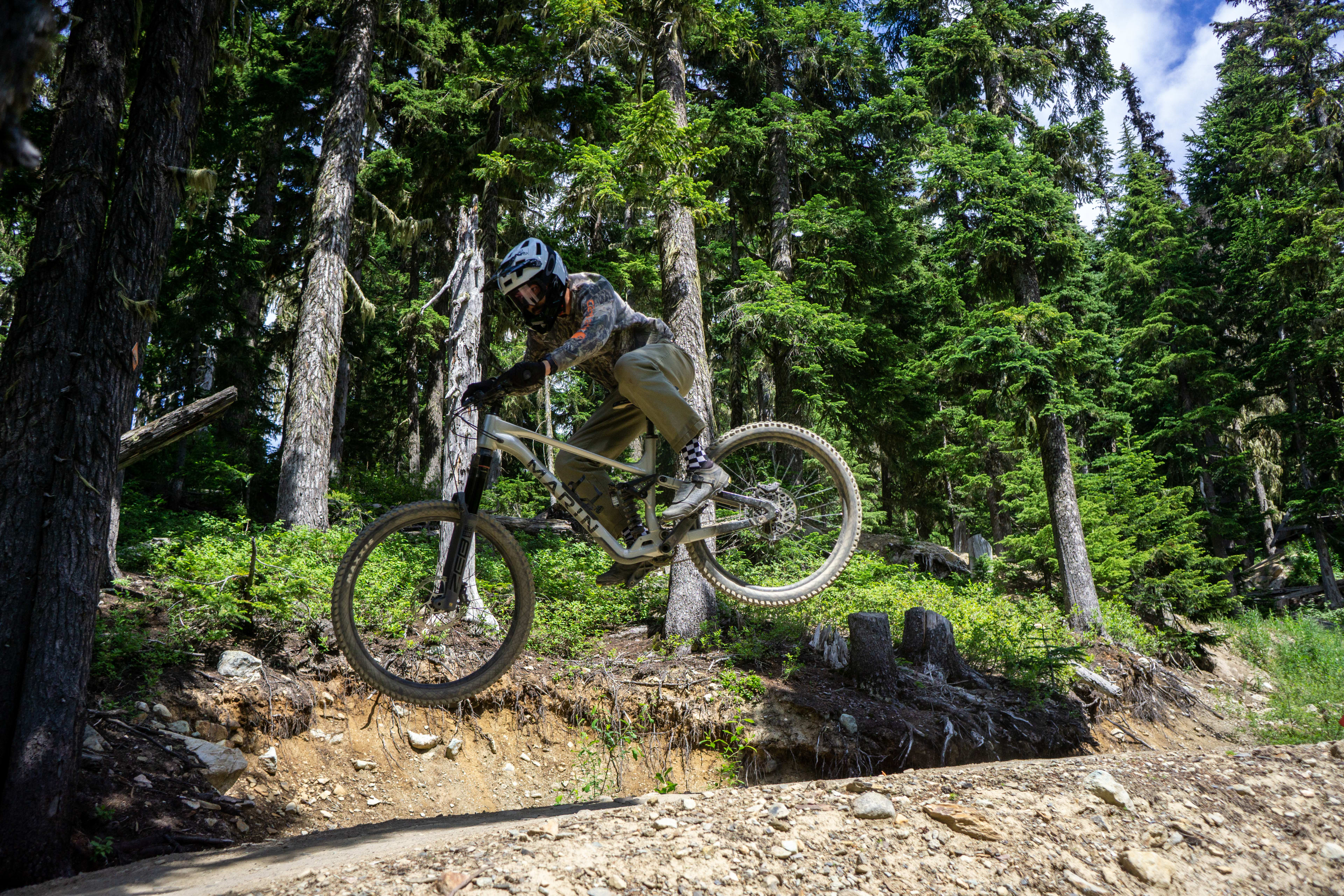
Credit: www.bikemag.com
Frequently Asked Questions
How Often Should I Perform A Dirt Jump Bike Safety Check?
Perform a safety check before every ride to ensure all parts function properly. Regular checks prevent accidents and extend bike life. Focus on brakes, tires, suspension, and frame integrity for safe jumping.
What Are Key Areas To Inspect For Dirt Jump Bike Safety?
Check tire pressure, brake performance, suspension, frame cracks, and loose bolts. Inspect the chain and handlebars for wear or damage. These areas are critical for safe and smooth dirt jumping.
How Do I Check My Dirt Jump Bike Brakes Effectively?
Test brake response by squeezing the levers firmly. Ensure the pads contact the rims or rotors without delay. Adjust or replace worn brake pads promptly to maintain reliable stopping power.
Why Is Tire Pressure Important For Dirt Jumping?
Proper tire pressure improves control, shock absorption, and traction on dirt jumps. Underinflated tires risk damage, while overinflated tires reduce grip. Check pressure regularly using a reliable gauge for optimal performance.
Conclusion
Performing a dirt jump bike safety check keeps you safe and confident. Check brakes, tires, and suspension before every ride. Tighten bolts and inspect the frame for cracks. Test your bike’s responsiveness on flat ground first. Safety checks help avoid accidents and bike damage.
Ride smart, stay alert, and enjoy every jump. Regular checks build good habits and protect your fun. Keep your bike in top shape for safer riding. Safety is simple when you take a few minutes. Ride safe, jump high, and have fun out there!



