
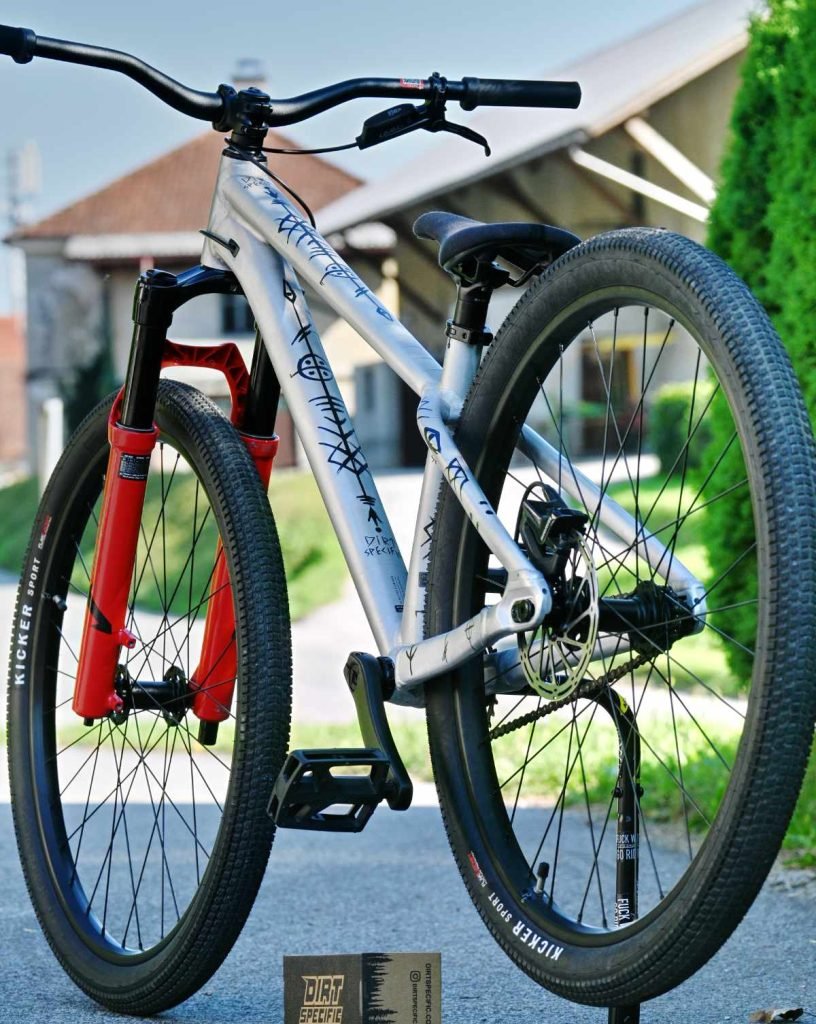
If you’re into dirt jumping, you know how tough your bike rims take a beating. Every landing, every rough trail, puts your rims at risk of dents, cracks, or worse.
Protecting your bike rims isn’t just about keeping your ride looking good—it’s about saving you time, money, and frustration down the road. In this guide, you’ll discover simple, effective ways to shield your rims from damage. Keep reading to learn how to make your bike stronger and your rides smoother.
Your rims will thank you.

Credit: leoguarbikes.com
Choosing The Right Rim
Picking the right rim is key to protecting your dirt jump bike. The rim must handle rough landings and keep your tires safe. This guide explains what to look for when choosing a rim.
Focus on the rim’s material, width, profile, and weight. Each affects how well your bike performs and how much damage the rim can take.
Material Options
Rims come in different materials. Aluminum is common for its balance of strength and weight. Steel rims are strong but heavy. Carbon fiber rims are light but can be costly and less durable for rough jumps.
- Aluminum: Strong, affordable, and widely used
- Steel: Very tough but adds weight
- Carbon Fiber: Light and stiff but fragile under impact
Rim Width And Profile
Wider rims offer better tire support and reduce pinch flats. The rim profile affects how the tire sits and how the rim handles impacts. Look for rims with a sturdy profile to absorb shocks better.
| Rim Width | Effect |
| Narrow (19-23 mm) | Lightweight but less tire support |
| Medium (24-28 mm) | Good balance of support and weight |
| Wide (29 mm and above) | Best tire support and impact resistance |
Weight Considerations
Lighter rims help with bike control and jumping. Heavy rims add strength but slow you down. Choose a rim weight that balances durability and ride quality.
- Light rims improve jump height and handling
- Heavier rims resist dents and damage better
- Consider your riding style to pick the right weight

Credit: alpkit.com
Essential Rim Protection Gear
Dirt jump biking puts a lot of pressure on your bike rims. Protecting your rims is key to avoid damage.
Using the right gear helps keep rims strong and safe during jumps and rough landings.
Rim Tape Types
Rim tape covers the inside of the rim to protect tubes from spoke holes. There are several types.
Cloth tape is thick and durable. Plastic tape is thinner but water-resistant. Rubber tape offers good sealing.
- Cloth rim tape is strong and lasts long
- Plastic rim tape is light and waterproof
- Rubber rim tape seals well for tubeless setups
Rim Strips Vs. Rim Tapes
Rim strips and rim tapes both protect tubes but differ in design and use.
Rim strips are usually made of rubber or plastic and fit over the spoke holes. Rim tapes are thinner and wrap inside the rim.
- Rim strips are easy to install and reusable
- Rim tapes provide better protection for high pressure tires
- Tape fits tightly and reduces tube punctures
- Strips are good for quick fixes or lower pressure tires
Tubeless Rim Protection
Tubeless rims need special tape to seal air and protect the rim from dirt and damage.
This tape is sticky and strong to keep the tire airtight and safe from spoke holes. It also helps prevent rim cuts.
- Tubeless rim tape is thicker and adhesive
- It creates an airtight seal for tubeless tires
- Protects rims from dirt and sharp objects
- Regular checks help keep tape in good shape
Installing Rim Protection
Rim protection helps keep your dirt jump bike rims safe. It stops damage from rocks and impacts during rides.
Installing rim protection is easy with the right tools. Follow simple steps to prepare and apply it correctly.
Preparing The Rim
Clean the rim well before adding protection. Dirt and grease can stop the tape from sticking properly.
Check the rim for any damage or sharp edges. Fix small problems to avoid cutting the rim tape later.
- Use a cloth and rubbing alcohol to clean the rim.
- Remove old tape or debris from the rim bed.
- Inspect the rim for dents or cracks.
Applying Rim Tape
Choose rim tape that fits your rim size. It should cover the spoke holes to protect the inner tube.
Start taping slowly, pressing the tape into the rim bed. Avoid wrinkles or bubbles for a smooth fit.
- Begin at the valve hole and work around the rim.
- Overlap the tape slightly when finishing the circle.
- Press the tape firmly with your fingers or a soft tool.
Securing Rim Strips
Rim strips add extra protection between the rim and tire. They help prevent punctures and rim damage.
Place the rim strip carefully over the tape. Make sure it fits tightly without gaps or folds.
- Align the strip with the valve hole.
- Press the strip evenly around the rim.
- Check the strip for proper fit before mounting the tire.

Credit: www.youtube.com
Maintenance Tips For Durability
Protecting your dirt jump bike rims keeps them strong and safe. Regular care helps avoid damage and costly repairs.
This guide covers simple ways to inspect, clean, and fix your rims to extend their life.
Regular Inspections
Check your rims often for cracks, dents, or loose spokes. Early signs of damage can save your bike from bigger problems.
- Look closely at the rim edges for bends or dents.
- Spin the wheel to see if it wobbles or rubs on the brake pads.
- Press on the spokes to check if any are loose or broken.
- Listen for unusual sounds when riding, such as creaks or clicks.
Cleaning Practices
Keep your rims clean from dirt and mud. Clean rims work better and last longer.
- Use a soft brush and mild soap to remove dirt.
- Rinse with water but avoid soaking the hub or bearings.
- Dry rims fully to prevent rust and corrosion.
- Clean after every ride, especially in wet or muddy conditions.
Spotting And Repairing Damage
Find small damages early and fix them to keep riding safely. Some repairs you can do yourself.
| Damage Type | Signs | Repair Tips |
| Cracks | Visible lines on rim surface | Stop riding and replace rim |
| Dents | Deformed rim edge | Try gentle hammering or take to a bike shop |
| Loose Spokes | Wheel wobbles or sounds | Tighten with spoke wrench carefully |
| Corrosion | Rust spots on metal | Clean rust and apply protective coating |
Upgrading For Tough Terrain
Dirt jump biking demands strong and durable rims. Rough landings and rocky trails can damage your bike’s rims fast. Upgrading your rims helps protect them from cracks and dents.
Using the right rim protection parts makes your bike ready for hard impacts. These upgrades keep your wheels spinning smoothly on tough trails.
Reinforced Rims
Reinforced rims are built with extra strong materials. They resist bending and breaking during jumps and drops. These rims often use thicker metal or special alloys.
Strong rims help keep your bike stable and safe. They last longer and need less repair after heavy riding.
Heavy-duty Rim Tape
Heavy-duty rim tape protects the inside of the rim from sharp spokes and debris. It stops punctures and keeps the tire seal airtight. This tape is thicker than regular tape.
Installing strong rim tape lowers the chance of flats on rough trails. It also prevents damage to the tube from rough rim edges.
- Use a tape that fits your rim width
- Check tape condition regularly
- Replace tape after strong impacts
Protective Rim Guards
Rim guards are hard plastic or rubber covers that fit around the rim edge. They shield the rim from rocks, roots, and crashes. These guards absorb impact and prevent dents.
Adding rim guards is an easy way to extend rim life. They are especially useful for dirt jump biking with big drops and rough landings.
- Choose rim guards that match rim size
- Install them firmly to avoid slipping
- Replace guards if cracked or worn
Common Mistakes To Avoid
Dirt jump bike rims face a lot of stress and impact. Protecting your rims helps avoid damage and keeps your bike safe.
Many riders make simple mistakes that harm rim protection. Avoid these errors to keep your rims in good shape.
Skipping Rim Protection
Some riders skip rim protection to save time or money. This choice leaves rims open to dents and cracks.
Without protection, rims wear out faster. This can cause bigger repairs and unsafe rides.
Using Incompatible Components
Using parts that do not fit your rim can cause problems. Incompatible components may not protect well or stay in place.
Check the size and type of your rim before buying protection parts. Wrong parts can damage rims or break quickly.
- Measure rim width accurately
- Choose protection designed for your rim type
- Avoid mixing brands without compatibility
Improper Installation
Installing rim protection incorrectly can reduce its effectiveness. Loose or uneven parts do not protect rims well.
Follow instructions carefully and double-check your work. Proper installation keeps protection tight and rims safe.
- Clean rims before installing protection
- Align parts evenly around the rim
- Tighten all fasteners securely
- Test for movement after installation
Frequently Asked Questions
How Can I Protect My Dirt Jump Bike Rims?
To protect your dirt jump bike rims, use rim strips, rim tape, and proper tire pressure. Avoid landing harshly and regularly inspect rims for damage. Consider reinforced rims designed for dirt jumping to enhance durability and reduce the risk of cracks or dents.
What Is The Best Rim Tape For Dirt Jumping?
The best rim tape for dirt jumping is a strong, puncture-resistant tape like Velox or Stan’s NoTubes. It prevents spoke holes from damaging the inner tube. Choose tape that fits your rim width and offers extra cushioning to absorb shocks during jumps.
How Often Should I Check My Dirt Jump Bike Rims?
Check your dirt jump bike rims before every ride and after hard landings. Regular inspection helps spot cracks, dents, or loose spokes early. Timely maintenance prevents rim failure and ensures safe, smooth riding on rough dirt jump trails.
Can Tire Pressure Affect Rim Protection?
Yes, tire pressure directly affects rim protection. Proper tire pressure cushions impacts and prevents rim dents. Too low pressure risks pinch flats; too high pressure increases rim damage risk. Follow manufacturer recommendations and adjust based on trail conditions for optimal protection.
Conclusion
Protecting your bike rims is essential for safe dirt jumping. Use rim protectors to guard against damage. They shield rims from impacts and harsh landings. Regular checks ensure your rims stay in top shape. Tighten spokes and check for cracks often.
These steps extend rim lifespan and improve performance. Remember, safe riding depends on well-maintained equipment. Follow these tips to enjoy dirt jumping safely. Your bike will thank you with a smoother ride. Stay proactive and make rim protection a routine.
Enjoy the thrill with confidence and peace of mind.



