

Are you ready to take your dirt jump bike racing to the next level? Preparing properly is the key to boosting your performance and staying safe on the track.
Whether you’re a beginner or looking to sharpen your skills, knowing exactly how to get your bike and body race-ready can make all the difference. In this guide, you’ll discover simple, effective steps to prepare like a pro—so you can focus on flying high and landing smooth every time.
Keep reading, because your best race starts right here.

Credit: m.youtube.com
Choosing The Right Bike
Picking the right bike is key for dirt jump bike racing. The bike must fit your style and the terrain you ride on.
This guide covers the main parts to consider when choosing your bike. Focus on the frame, suspension, tires, wheels, brakes, and gearing.
Frame And Suspension
The frame should be strong and light. Most riders choose aluminum or chromoly steel frames. These materials handle jumps well.
Suspension is important for absorbing shocks. A hardtail frame with a front suspension fork is common. It gives control and support on landings.
Tires And Wheels
Good tires help with grip and control. Wider tires offer better traction on dirt tracks. Strong wheels prevent damage from rough landings.
- Choose tires with knobby treads for dirt grip
- Look for wheels made from durable materials like aluminum
- Consider tubeless tires to reduce flats
- Check tire width between 2.1 and 2.4 inches
Brakes And Gearing
| Component | Recommendation | Reason |
| Brakes | Hydraulic Disc Brakes | Provide strong stopping power and good control |
| Gearing | Single-speed or 7-9 Speed | Simpler setup, less chance of chain drops during jumps |
Hydraulic disc brakes work best for quick stops. Choose gearing that matches your riding style. Single-speed bikes need less maintenance and weigh less.
Essential Safety Gear
Dirt jump bike racing is an exciting sport. Safety gear protects you from injuries. Wearing the right gear helps you ride with confidence.
In this guide, learn about the most important safety gear. Focus on helmet selection, protective clothing, gloves, and pads.
Helmet Selection
Choose a helmet that fits well and meets safety standards. Full-face helmets offer the best protection for dirt jumping. Make sure the helmet has good ventilation to keep you cool.
- Check for CPSC or ASTM certification
- Look for a snug but comfortable fit
- Choose a helmet with a chin guard for full-face coverage
- Inspect for damage before each ride
Protective Clothing
Wear clothing that protects your body and lets you move freely. Durable materials reduce cuts and scrapes. Long sleeves and pants help shield your skin from dirt and impacts.
| Clothing Item | Purpose | Material |
| Jersey | Breathability and protection | Lightweight polyester |
| Pants | Durability and abrasion resistance | Reinforced nylon or denim |
| Jacket | Extra padding for upper body | Padded textile or mesh |
Gloves And Pads
Gloves improve grip and protect your hands. Pads shield your knees and elbows from impact. Choose gear that fits well and allows movement.
- Full-finger gloves with padding
- Knee pads with hard shells
- Elbow pads for joint protection
- Check fit to avoid slipping or binding
Physical Conditioning
Physical conditioning is key to dirt jump bike racing. It helps you perform better and avoid injuries. Good conditioning improves strength, endurance, and control.
Focus on training that builds power, stamina, and balance. These skills help you handle jumps and land safely.
Strength Training
Strength training builds muscles used in dirt jumping. Strong legs and core improve your bike control and jump power. Upper body strength helps with steering and landing impact.
Include exercises like squats, lunges, and push-ups. Use weights or body weight to increase strength gradually.
- Squats for leg and core strength
- Lunges to improve balance and power
- Push-ups for upper body strength
- Planks to strengthen the core
- Deadlifts for overall muscle power
Cardio And Endurance
Cardio training boosts your stamina on the track. It helps you stay strong during long sessions and recover faster between jumps. Good endurance keeps your focus sharp.
Try running, cycling, or swimming to build endurance. Aim for steady workouts that last at least 20 minutes.
- Running for overall stamina
- Cycling to mimic bike movements
- Swimming for low-impact cardio
- Interval training to improve speed
- Jump rope for quick footwork
Flexibility And Balance
Flexibility helps you move smoothly on the bike. It reduces muscle tightness and lowers injury risk. Balance training improves your control during jumps and landings.
Stretch daily and practice balance exercises. Use tools like balance boards or yoga to enhance your skills.
- Stretch hamstrings, quads, and hips
- Use yoga poses to increase flexibility
- Practice standing on one leg for balance
- Try balance boards for stability
- Include core exercises to support posture
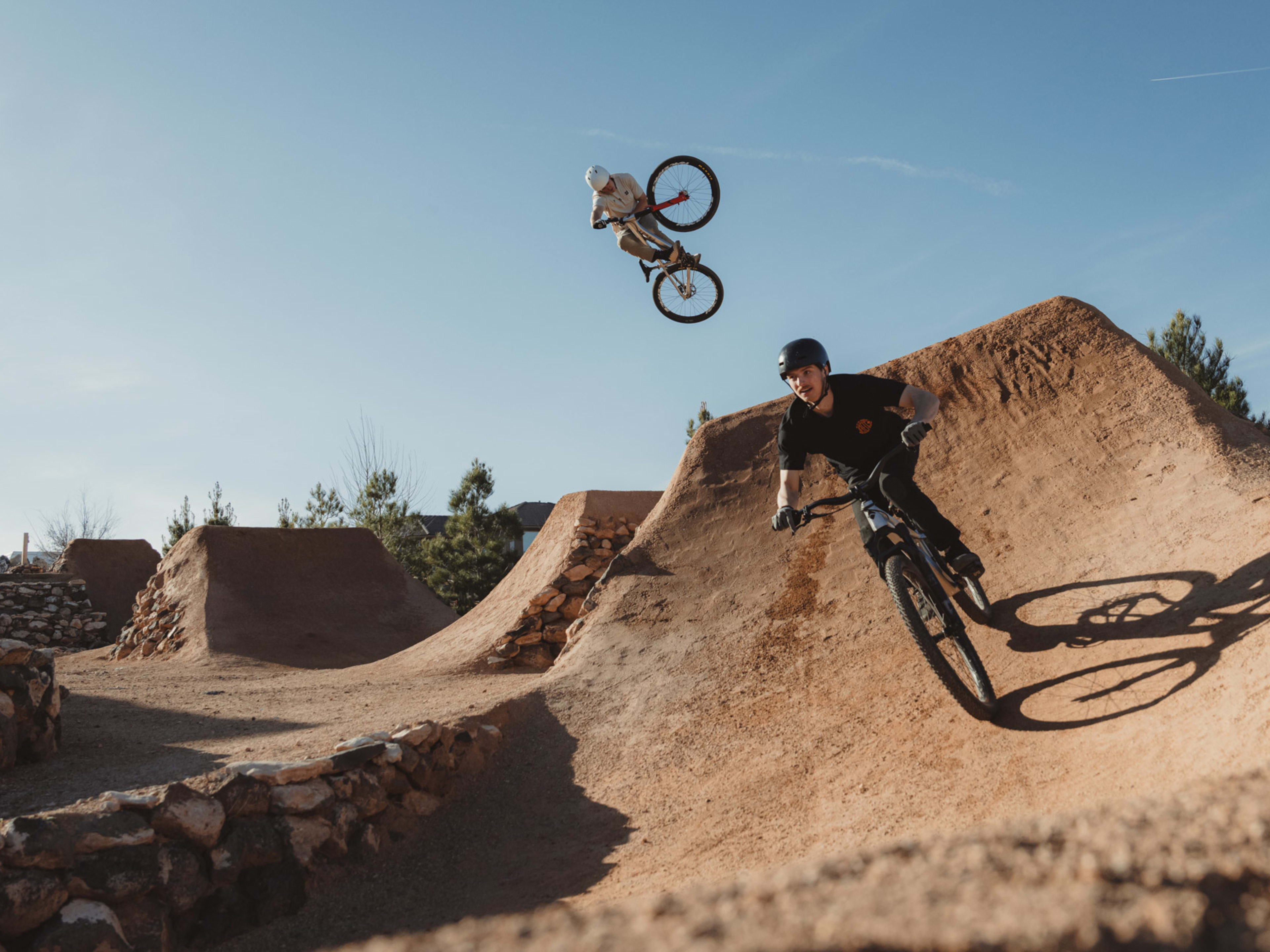
Credit: www.bikemag.com
Skill Development
Dirt jump bike racing needs good skills to ride safely and fast. Practice helps you improve control and confidence.
Focus on learning jump techniques, handling the bike, and landing smoothly. These skills make riding better and fun.
Basic Jump Techniques
Start with small jumps to learn how to lift the bike off the ground. Use your legs and arms to balance.
Practice timing your jumps with speed and body position. Keep your eyes on the landing spot to stay steady.
- Bend knees and elbows for shock absorption
- Pull up the handlebars gently
- Keep your weight centered over the bike
- Look ahead to where you will land
Advanced Maneuvers
After mastering basic jumps, try tricks like manuals and bunny hops. These moves improve bike control and style.
Practice spinning the bike or shifting your weight mid-air. These skills help you handle difficult race courses.
- Manual: lift front wheel and balance on rear wheel
- Bunny hop: jump with both wheels at once
- 180 or 360 spins: rotate bike in the air
- Whips: swing the bike sideways during a jump
Landing And Control
Landing safely keeps you riding longer and avoids crashes. Aim to land with both wheels at the same time.
Keep your body loose and absorb impact with bent knees. Control speed and direction after landing to prepare for the next jump.
- Spot the landing early
- Extend legs to absorb shock
- Keep handlebars steady
- Ride away smoothly and controlled
Bike Maintenance Tips
Dirt jump bike racing needs your bike to be in top shape. Proper maintenance keeps your bike safe and fast.
Focus on key areas before every ride. This helps prevent problems on the track.
Pre-ride Checks
Check your bike carefully before each ride. Look for damage and loose parts. Make sure brakes work well and tires are firm.
- Inspect tires for cuts or low pressure.
- Test brakes to ensure quick stopping power.
- Check bolts and screws for tightness.
- Examine the chain for rust or slack.
- Look over the frame for cracks or dents.
Tuning Suspension
Your bike’s suspension needs tuning for smooth jumps. Adjust it to match your weight and style. Check for leaks and clean the seals.
| Suspension Part | Check | Adjust |
|---|---|---|
| Forks | Look for oil leaks | Set pressure for your weight |
| Rear Shock | Inspect seals and air pressure | Adjust rebound and compression |
| Pivot Points | Check for play or noise | Tighten or lubricate as needed |
Cleaning And Lubrication
Cleaning your bike after rides stops dirt from causing damage. Lubricate moving parts to keep them working smooth.
- Wash the frame with gentle soap and water.
- Dry the bike thoroughly to avoid rust.
- Apply lubricant to the chain and gears.
- Wipe off extra lubricant to prevent dirt build-up.
- Check cables and pivot points for smooth movement.
Course Familiarization
Knowing the dirt jump bike racing course helps you ride better. You can prepare for each jump and turn.
Spend time studying the course before the race. This helps you plan your moves safely and quickly.
Track Inspection
Walk or ride slowly through the track to see every part. Look for bumps, loose dirt, and tricky spots.
Check the landing areas and jumps. Make sure nothing has changed since the last time you saw the course.
Line Selection
Choose the best path to ride on the course. Pick lines that keep your speed and control steady.
- Look for smooth paths with fewer obstacles
- Avoid sharp turns that slow you down
- Pick lines that help you jump better
Practice different lines to find which one fits your riding style. Stay flexible and ready to change if needed.
Timing And Rhythm
Learn the timing of each jump and turn on the course. Good timing helps you keep a smooth flow.
Ride the course at a steady rhythm. This keeps your bike balanced and makes the race easier.
- Count your pedal strokes between jumps
- Use consistent speed on all sections
- Adjust your body movement to the rhythm
Mental Preparation
Mental preparation is key for dirt jump bike racing. It helps you stay calm and focused.
Strong mental skills improve your performance and keep fear under control.
Focus And Visualization
Focus on your bike and the track before racing. Clear your mind from distractions.
Visualize the jumps and landings. Imagine yourself riding smoothly and safely.
- See the track in your mind
- Picture each jump clearly
- Imagine a perfect landing
- Feel confident and calm
Managing Fear
Fear is normal in dirt jump bike racing. Use it to stay alert, not scared.
Control fear by breathing deeply and thinking positive thoughts about your skills.
- Take slow, deep breaths
- Repeat calm and strong phrases
- Focus on what you can control
- Remember past successes
Race Day Mindset
On race day, stay relaxed but ready. Keep your mind clear and positive.
Trust your training and skills. Take one jump at a time and stay in the moment.
- Arrive early to prepare
- Warm up your body and mind
- Focus on one jump at a time
- Stay calm and confident

Credit: alpkit.com
Nutrition And Hydration
Good nutrition and hydration help you perform well in dirt jump bike racing. Eating and drinking right gives you energy and keeps you focused.
Staying hydrated and eating the right foods before, during, and after the race supports your body’s needs.
Pre-race Meals
Eat a balanced meal 2 to 3 hours before the race. Include carbohydrates, protein, and a small amount of fat. Carbs give quick energy while protein helps muscles.
Drink water to stay hydrated before the race starts. Avoid heavy or greasy foods that may upset your stomach.
- Oatmeal with fruit and nuts
- Whole grain bread with peanut butter
- Yogurt with berries
- Water or an electrolyte drink
During The Race
Keep drinking water during the race to avoid dehydration. If the race is long, use drinks with electrolytes to replace lost salts.
Eat small snacks if the race lasts more than one hour. Choose easy-to-digest foods for quick energy.
- Energy gels or chews
- Bananas or small fruit pieces
- Sports drinks with electrolytes
- Water in small, regular sips
Recovery Nutrition
After the race, eat a meal with carbohydrates and protein within 30 minutes. This helps muscles recover and refills energy stores.
Keep drinking water or electrolyte drinks to rehydrate. Avoid sugary or fatty foods that slow recovery.
- Grilled chicken with rice and vegetables
- Protein shake with fruit
- Whole grain pasta with lean meat
- Plenty of water or electrolyte drinks
Frequently Asked Questions
What Gear Is Essential For Dirt Jump Bike Racing?
Essential gear includes a full-face helmet, gloves, knee pads, and sturdy shoes. Protective gear minimizes injury risks during jumps and crashes. Proper bike maintenance gear is also important for safety and performance.
How Should I Physically Prepare For Dirt Jump Racing?
Focus on leg strength, core stability, and cardio fitness. Exercises like squats and planks improve control and endurance. Regular practice on varied terrains enhances your jumping skills and confidence.
What Bike Features Suit Dirt Jump Racing Best?
A lightweight frame, strong suspension, and responsive brakes are key. Bikes with reinforced wheels and durable tires handle jumps and landings better. Proper bike setup ensures optimal control and safety.
How Do I Mentally Prepare For A Dirt Jump Race?
Stay calm, visualize your course, and focus on technique. Mental readiness boosts confidence and reaction time. Practice mindfulness to reduce anxiety and improve concentration during races.
Conclusion
Dirt jump bike racing requires careful preparation. Always check your bike’s condition. Practice regularly to enhance your skills and confidence. Wear protective gear for safety. Stay hydrated and eat well for energy. Rest is important for peak performance. Focus on your technique and learn from each ride.
Join local groups to share experiences and tips. Enjoy the process and have fun racing. By preparing well, you’ll feel ready on race day. Embrace the challenge and push your limits. Keep striving to improve and enjoy the ride.



