
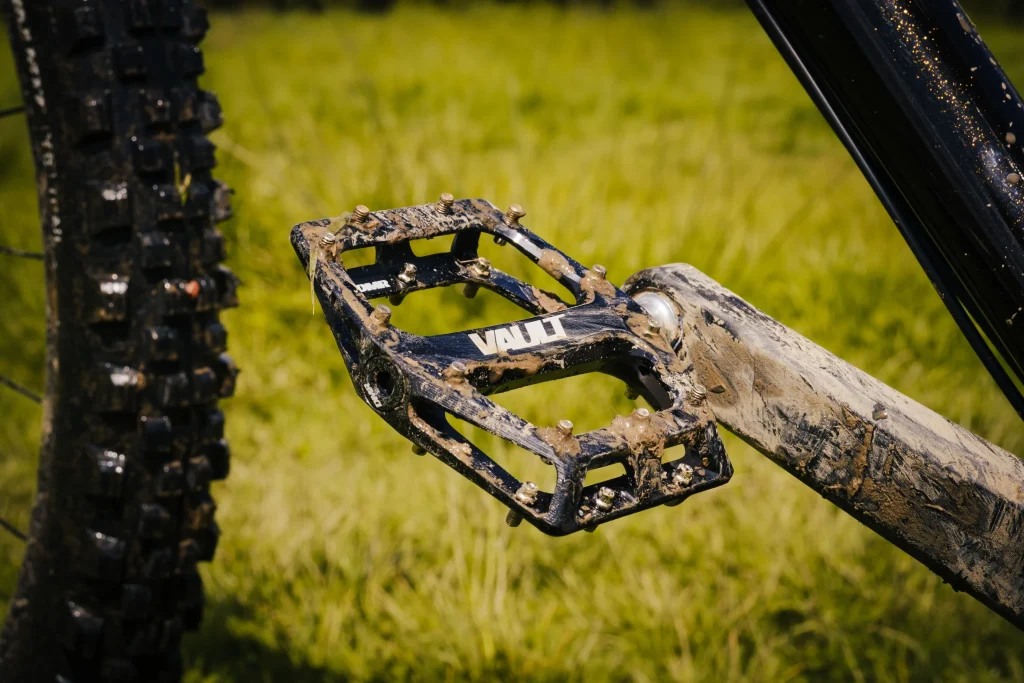
Choosing the right pedals for your dirt jump bike can make all the difference in your performance and safety. You want pedals that give you the perfect grip, durability, and comfort every time you hit the dirt.
But with so many options out there, how do you know which ones suit your style and skill level? You’ll discover the key pedal types, what to look for, and how to pick the best ones for your dirt jump adventures.
Keep reading to find the pedal option that will boost your confidence and take your riding to the next level.
Choosing The Right Pedals
Picking the right pedals is key for dirt jump biking. Pedals affect control, comfort, and safety.
There are several types to choose from. Flat, clipless, and hybrid pedals each have strong points.
Flat Pedals Benefits
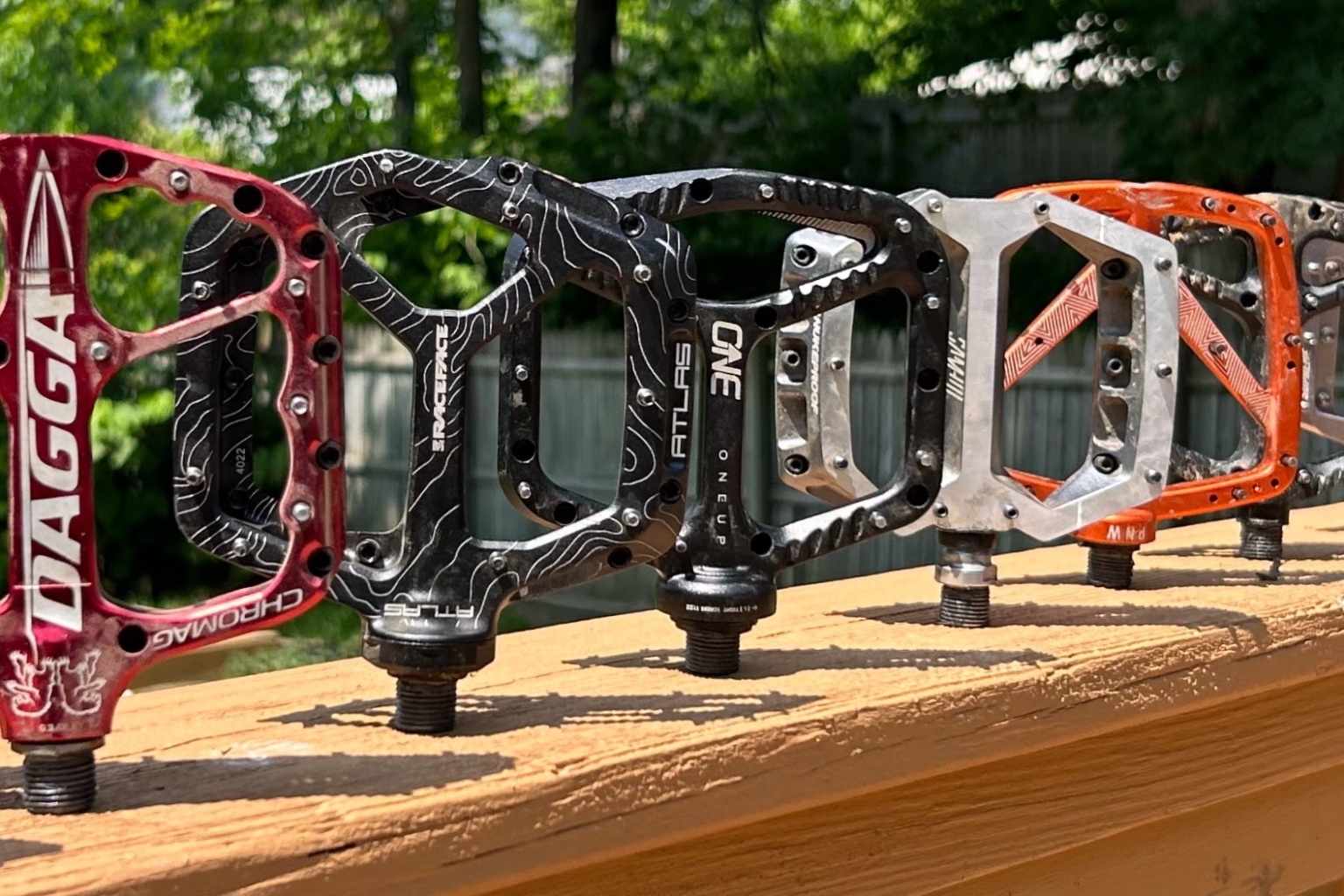
Flat pedals have a wide surface that helps you keep your feet steady. They do not lock your shoes in place.
- Easy to get on and off quickly
- Good grip with pins on the pedal surface
- Better for beginners and tricks
- Allow quick foot repositioning
- Work with any shoes
Clipless Pedals Pros And Cons
Clipless pedals lock your shoes to the pedals using cleats. They give strong foot control but need practice.
| Pros | Cons |
|---|---|
| Strong connection to the bike | Harder to release feet quickly |
| Better power transfer | Requires special shoes with cleats |
| Good for long rides and speed | Risk of falling if not released in time |
Hybrid Pedals For Dirt Jumping
Hybrid pedals combine flat and clipless features. They let you choose how to ride with the same pedals.
- One side is flat with pins for grip
- The other side is clipless for locking shoes
- Good for riders who want versatility
- Allow switching between styles easily
- Require special shoes for the clipless side
Credit: gearjunkie.com
Material And Build Quality
Choosing the right pedals for dirt jump bikes depends on their material and build quality. These factors affect how well the pedals perform and last.
Different materials offer different strengths and weaknesses. Understanding these helps you pick pedals that suit your riding style.
Metal Vs Plastic Pedals
Metal pedals usually feel stronger and last longer than plastic ones. They provide better grip and handle rough landings better.
Plastic pedals are lighter and less expensive. They work well for beginners but may wear out faster on rough trails.
Durability Factors
- Material type: Metal is tougher than plastic.
- Build design: Sealed bearings add to pedal life.
- Pin placement: More pins improve grip and wear resistance.
- Maintenance: Regular cleaning prevents damage.
Durability depends on how pedals handle impacts and resist wear. Metal pedals with sealed bearings usually last longer under stress.
Weight Considerations
| Pedal Material | Average Weight (grams) |
| Aluminum Metal | 350 |
| Steel Metal | 450 |
| Plastic Composite | 250 |
Lighter pedals help you jump and maneuver better. Plastic pedals weigh less but may not last as long. Metal pedals are heavier but offer more strength.
Grip And Traction
Good grip and traction on dirt jump bike pedals help you stay steady. They prevent your feet from slipping off during jumps and tricks.
Choosing the right pedal depends on pin design, surface texture, and shoe compatibility. Each factor affects your control and safety on the bike.
Pin Designs And Placement
Pedal pins dig into your shoe soles to keep your feet in place. The shape and placement of pins change how well they grip.
- Longer pins offer deeper grip but may wear shoes faster.
- Shorter pins give less grip but more comfort.
- Evenly spaced pins provide balanced traction across the pedal.
- Random pin placement can increase grip by catching shoe edges.
Surface Texture
The pedal surface texture adds to grip by increasing friction. Rough or patterned surfaces help your shoes stick better.
| Texture Type | Description | Grip Level |
| Knurled | Small, raised diamond shapes | High |
| Grooved | Long cuts or lines | Medium |
| Flat | Smooth surface | Low |
| Textured Rubber | Rubber pads with bumps | Medium |
Shoe Compatibility
Pedals work best with shoes that match their design. Some pedals suit flat soles, others fit sticky or lugged shoes.
Here are key points to check for shoe and pedal fit:
- Flat pedals fit flat-soled shoes best.
- Pedals with pins need shoes with firm soles.
- Sticky rubber soles improve grip on smooth pedals.
- Lugged soles work well with deep-pin pedals.
Credit: www.youtube.com
Pedal Size And Platform Shape
Choosing the right pedal size and platform shape is key for dirt jump biking. Pedals affect your grip and comfort during jumps.
Different sizes and shapes suit different riding styles and foot sizes. Knowing your options helps you pick the best pedals.
Platform Width Options
Pedals come in various platform widths to fit your foot size and riding style. A wider platform gives more support and balance.
Narrow platforms are lighter and allow quick foot movements. Choose width based on your control needs and comfort.
- Wide platforms: Better stability and foot support
- Medium platforms: Good balance of control and weight
- Narrow platforms: Easier foot repositioning and lighter pedals
Edge Design For Control
The edges of your pedal platform help keep your feet in place. Sharp edges provide extra grip and control on landings.
Rounded edges feel smoother when you move your feet. Choose edge design based on how much control you want.
- Sharp edges: Increase foot grip and prevent slipping
- Rounded edges: Allow easier foot adjustments
- Combination edges: Balance grip and smooth movement
Maintenance And Replacement
Dirt jump bike pedals need regular care to work well. Cleaning and checking pedals helps keep rides safe.
Replacing pedals on time stops damage to your bike. Good pedals improve control and comfort.
Cleaning Tips
Keep pedals clean by washing them after rides. Use water and mild soap to remove dirt and grime.
Dry pedals fully to stop rust and wear. Use a soft brush to reach small parts and grooves.
- Rinse pedals with water
- Use soft brush and mild soap
- Dry pedals completely
- Remove mud and debris from pins
Bearing Care
Pedal bearings help pedals spin smoothly. Clean bearings regularly to avoid rough riding.
Apply grease to bearings after cleaning. This keeps them moving well and lasts longer.
- Remove pedals from crank arms
- Clean bearings with a cloth
- Use bike grease on bearings
- Check for noise or rough feel
When To Replace Pedals
Change pedals if they are cracked or bent. Damaged pedals can cause injury or bike problems.
Replace pedals if bearings are worn out. If pedals do not spin freely, it is time for new ones.
- Cracks or bends in pedal body
- Loose or damaged pedal pins
- Bearings that do not spin smoothly
- Excessive wear on pedal surface
Top Pedal Brands For Dirt Jumping
Dirt jumping needs strong and reliable pedals. The right pedals give you better control and grip.
There are many pedal brands made for dirt jump bikes. Some focus on flat pedals, others on clipless pedals.
Popular Flat Pedal Brands
Flat pedals are common for dirt jumping. They have a wide surface and good grip pins. This helps keep your feet steady.
These brands make flat pedals known for toughness and grip:
- Race Face: Known for durable and wide pedals with strong pins.
- DMR Bikes: Offers flat pedals with a low profile and great grip.
- OneUp Components: Builds lightweight pedals with replaceable pins.
- Crankbrothers: Popular for their flat pedal models with good traction.
- HT Components: Makes strong pedals used by many riders worldwide.
Leading Clipless Pedal Makers
Clipless pedals lock your shoes to the pedals. They give extra power and control when jumping.
These brands are top choices for clipless pedals in dirt jumping:
- Shimano: Offers clipless pedals with solid engagement and easy release.
- Crankbrothers: Known for reliable clipless pedals with good mud-shedding design.
- Time: Builds clipless pedals with smooth entry and strong hold.
- Speedplay: Provides clipless pedals with adjustable float and low stack height.
- Look: Popular for clipless pedals with wide platforms for better stability.
Matching Pedals To Riding Style
Choosing the right pedals for dirt jump biking is key to improving your ride. Different pedals suit different riding styles and needs. This guide helps you pick pedals based on how you ride.
Understanding your riding style helps you find pedals that give the best grip, control, and comfort. Let’s look at options for freestyle tricks, speed, control, and comfort.
Freestyle Tricks
For riders who focus on freestyle tricks, pedal choice affects performance and safety. You need pedals that stay on your feet during spins and jumps.
- Flat pedals with pins offer good grip and easy foot release.
- Clipless pedals help keep feet attached but may limit quick foot movement.
- Weight matters; lighter pedals help with spins and flips.
Speed And Control Needs
Speed riders need pedals that provide solid foot placement and control. This helps maintain balance and power during fast runs and landings.
| Pedal Type | Grip Level | Weight | Best For |
| Flat Pedals | High (with pins) | Medium | Quick foot repositioning |
| Clipless Pedals | Very High | Light | Power transfer and control |
| Hybrid Pedals | Medium | Medium | Versatile riding styles |
Personal Comfort
Comfort is important for long rides and practice sessions. Pedals should fit your foot size and riding habits to reduce fatigue and avoid pain.
- Consider pedal width for foot support.
- Check the surface texture to avoid slipping.
- Look at pedal thickness to prevent hitting obstacles.
- Test pedals with your shoes before buying.

Credit: leoguarbikes.com
Frequently Asked Questions
What Are The Best Pedals For Dirt Jump Bikes?
The best pedals for dirt jump bikes are flat pedals with good grip. They provide stability and control during jumps and landings. Popular options include metal platform pedals with pins for extra traction and durability. Choose pedals that match your riding style and comfort.
Should I Choose Clipless Or Flat Pedals For Dirt Jumping?
Flat pedals are preferred for dirt jumping due to quick foot release and better control. Clipless pedals offer strong foot retention but can be risky during jumps. Beginners and experienced riders often choose flat pedals for safety and ease of use in dirt jumping.
How Do Pedal Materials Affect Dirt Jump Performance?
Pedal materials impact weight, durability, and grip. Aluminum pedals are lightweight and durable, ideal for dirt jumping. Plastic pedals are cheaper but less durable. Metal pins on pedals enhance grip on rough terrain. Choose pedals balancing weight and strength for best performance.
Can Pedal Size Influence Dirt Jump Bike Handling?
Yes, pedal size affects foot stability and bike control. Larger pedals provide more surface area for foot support during jumps. Smaller pedals are lighter but may reduce grip. Select pedal size based on your foot size and riding preference to improve handling.
Conclusion
Choosing the right pedals is vital for dirt jumping. They impact your control and confidence on the bike. Flat pedals offer easy foot release. Clipless pedals provide better grip and power transfer. Consider pedal material for durability. Lightweight options enhance performance.
Remember, your comfort and riding style matter most. Try different types to find your perfect match. Always prioritize safety and enjoy your ride. With the right pedals, you’ll have more fun and control. Keep practicing, and your skills will grow.
Happy jumping!



