

Are you ready to take your dirt jump bike skills to the next level? Before you hit those ramps and fly through the air, knowing the right safety tips can make all the difference.
Imagine landing every jump with confidence and avoiding injuries that could keep you off your bike. This guide will show you exactly how to protect yourself while enjoying the thrill of dirt jumping. Keep reading, and you’ll discover simple yet powerful safety steps that let you focus on the fun without worrying about the risks.
Your best jumps start here.
Choosing The Right Bike
Dirt jump biking needs a special kind of bike. It must be strong and easy to control. Picking the right bike helps you stay safe and enjoy jumping.
Look closely at the bike’s frame, tires, and brakes. Each part plays a big role in how well the bike performs on jumps.
Frame And Suspension
Choose a bike frame made from strong materials like aluminum or steel. The frame should be light but tough to handle big impacts. Dirt jump bikes usually have hardtail frames with no rear suspension. This keeps the bike simple and stiff, which helps in jumping and landing.
Tire Selection
Tires must be wide with good grip. This helps you land safely and ride on dirt surfaces. Look for tires with a tread pattern that works well on loose dirt and packed trails.
- Choose tires 2.3 to 2.5 inches wide
- Look for tires with knobby tread for grip
- Use tires that can handle rough landings
- Check tire pressure regularly for best performance
Brake Types
| Brake Type | Advantages | Disadvantages |
| Disc Brakes | Strong stopping power, works in mud | Needs maintenance, more expensive |
| Rim Brakes | Simple, low cost, easy to fix | Less power, affected by dirt and water |
Disc brakes are the best choice for dirt jump bikes. They stop the bike quickly and work well in all conditions. Rim brakes can be a cheaper option but do not perform as well on dirt tracks.

Credit: www.youtube.com
Essential Safety Gear
Dirt jumping is an exciting sport that needs the right safety gear. Wearing proper equipment helps protect you from injuries. This guide covers key gear to keep you safe.
Focus on three main areas: your helmet, protective pads, and gloves with footwear. Each plays a big role in your safety on the jumps.
Helmet Options
A good helmet protects your head from impacts. Choose one made for dirt jumping or BMX riding. Look for helmets with full-face coverage for extra safety.
- Full-face helmets offer maximum protection for chin and face.
- Open-face helmets are lighter but protect only the top and sides of the head.
- Make sure the helmet fits snugly without gaps.
- Check for safety certifications like CPSC or ASTM.
Protective Pads
Pads protect your knees, elbows, and shins from scrapes and bruises. Use pads made with impact-absorbing foam and strong outer shells.
| Pad Type | Purpose | Material |
| Knee Pads | Protect knees from hard landings | Foam with hard plastic shell |
| Elbow Pads | Shield elbows during falls | Foam padding with reinforced cover |
| Shin Guards | Guard shins against bike parts | Hard plastic with foam lining |
Gloves And Footwear
Gloves improve your grip and protect your hands. Shoes should be strong with good grip for better control on pedals.
- Choose gloves with padded palms to reduce vibration.
- Look for breathable materials to keep hands dry.
- Wear flat-soled shoes for better pedal grip.
- Shoes should cover the ankles for added support.
Preparing Your Bike
Getting your bike ready is key for safe dirt jumping. Check every part before you ride.
Proper bike preparation helps prevent crashes and keeps you in control on jumps.
Inspecting Components
Look over your bike parts closely. Check the frame, handlebars, and wheels for cracks.
Loose or damaged parts can cause accidents. Tighten bolts and replace broken parts.
- Check the frame for dents or cracks
- Ensure handlebars are tight and straight
- Inspect wheels for bent rims or loose spokes
- Look at pedals and crank arms for damage
Adjusting Tire Pressure
Correct tire pressure improves bike control and shock absorption. Use a pressure gauge.
Lower pressure helps with landing, but too low risks rim damage. Find the right balance.
- Check recommended tire pressure on tire sidewall
- Adjust pressure to match the dirt and jump style
- Use a pump with a pressure gauge for accuracy
Brake Check
Strong brakes help you control speed before jumps. Test both front and rear brakes.
Make sure brake pads are not worn out and cables are tight. Replace parts if needed.
- Squeeze brake levers to check response
- Look for brake pad wear and replace if thin
- Check brake cables for frays or looseness
- Adjust brakes to stop smoothly and quickly

Credit: cyclingmagazine.ca
Selecting A Safe Jump Site
Choosing the right site is very important for dirt jump bike safety. A safe site helps prevent accidents and injuries.
Look for a place that fits your skill level and has good features for jumping. Check the area carefully before riding.
Terrain Assessment
Examine the ground where you want to jump. The terrain should be firm and stable to support your bike.
Avoid loose rocks, wet spots, and uneven ground. These can cause you to lose control or crash.
- Check for loose soil or sand
- Look for wet or muddy patches
- Watch out for hidden rocks and roots
- Make sure the surface is firm and dry
Jump Size And Shape
Pick a jump that matches your skill and comfort level. The size and shape affect how you take off and land.
Start with smaller jumps if you are new. The shape should be smooth and predictable without sharp edges.
- Choose jumps that fit your experience
- Look for smooth takeoff ramps
- Avoid jumps with sharp or broken edges
- Test the jump slowly before full speed
Landing Area
The landing zone must be clear and big enough for a safe touchdown. It should let you slow down smoothly.
Remove any obstacles like rocks, sticks, or holes. Check that the landing is on firm and level ground.
- Ensure the landing area is wide and long
- Clear away debris and obstacles
- Check for soft, firm soil without holes
- Make sure the slope is gentle and even
Basic Jumping Techniques
Dirt jumping is an exciting sport that needs good technique. Learning the basics keeps you safe and helps you improve. This guide covers key tips for jumping safely.
Focus on three main parts: body positioning, speed control, and takeoff and landing. Each part plays a big role in your jump quality.
Body Positioning
Keep your body relaxed but ready. Bend your knees and elbows slightly. Stay centered over the bike to keep balance in the air.
- Stand on the pedals with feet parallel to the ground
- Keep your eyes looking forward, not down
- Lean slightly forward, but do not hunch your back
- Hold the handlebars firmly but avoid stiffness
- Keep your weight balanced between the front and rear wheels
Speed Control
Speed affects the height and distance of your jump. Too slow means you may not clear the jump. Too fast can cause loss of control.
| Speed Level | Effect | Tip |
| Slow | May not clear the jump | Increase pedal power before takeoff |
| Moderate | Good control and height | Maintain steady pedaling |
| Fast | More air time but risk of losing control | Practice gradual speed increase |
Takeoff And Landing
Timing your takeoff and landing is important. Use your legs like shock absorbers to soften impact and keep your bike steady.
- Approach the ramp steadily and prepare to lift off
- As you reach the lip, push down then pull up with your body
- Keep your eyes on the landing spot while in the air
- Extend your legs slightly before landing to absorb shock
- Land with both wheels at the same time if possible
- Roll forward smoothly and keep balance
Common Mistakes To Avoid
Dirt jumping is fun but can be risky. Knowing common mistakes helps you stay safe.
Many riders make errors that cause accidents. Avoiding these keeps your jumps smooth and injury-free.
Overestimating Skill Level
Trying jumps beyond your skill can lead to crashes. Be honest about what you can do safely.
Start with small jumps and practice often. Build skills before moving to harder tricks or bigger ramps.
- Don’t attempt jumps you haven’t practiced
- Learn from experienced riders or coaches
- Wear protective gear to reduce injury risk
Ignoring Weather Conditions
Wet or windy weather changes jump surfaces and bike control. This can cause falls or crashes.
Check weather before riding. Avoid dirt jumps when rain makes the track slippery or wind is strong.
- Wet dirt can cause slipping on takeoff or landing
- Strong wind affects bike balance mid-air
- Cold weather can make muscles stiff
Neglecting Warm-up
Jumping without warming up can cause muscle injuries. Your body needs time to prepare for action.
Do light exercises like stretching and jogging before riding. Warm muscles improve control and reduce injury.
- Stretch legs, arms, and back for flexibility
- Start with easy rides to get ready
- Warm-up helps focus and reaction time
Building Confidence And Skills
Dirt jumping is a fun and exciting sport. Learning to jump safely helps you enjoy it more. Building confidence and skills takes time and practice.
Start with small steps and keep improving. This way, you reduce risks and feel more comfortable on your bike.
Starting Small
Begin with small jumps to get used to the feeling. Small jumps help you learn how to control your bike in the air.
Practicing small jumps builds your balance and timing. This makes bigger jumps easier and safer later.
Progressive Training
Increase your jump size slowly as your skills improve. Don’t rush to big jumps before you are ready.
Try different jump styles and landings step by step. This helps you handle new challenges safely.
- Practice jumping on different ramps
- Work on smooth landings
- Improve your bike control in the air
- Train regularly to build muscle memory
Riding With Experienced Jumpers
Ride with riders who have more experience. They can give helpful tips and show safe techniques.
Watching others jump helps you learn by example. You can also ask questions and get feedback.
- Observe their body position and speed
- Ask about their training routines
- Practice jumps together for support
- Learn how to handle different jump types
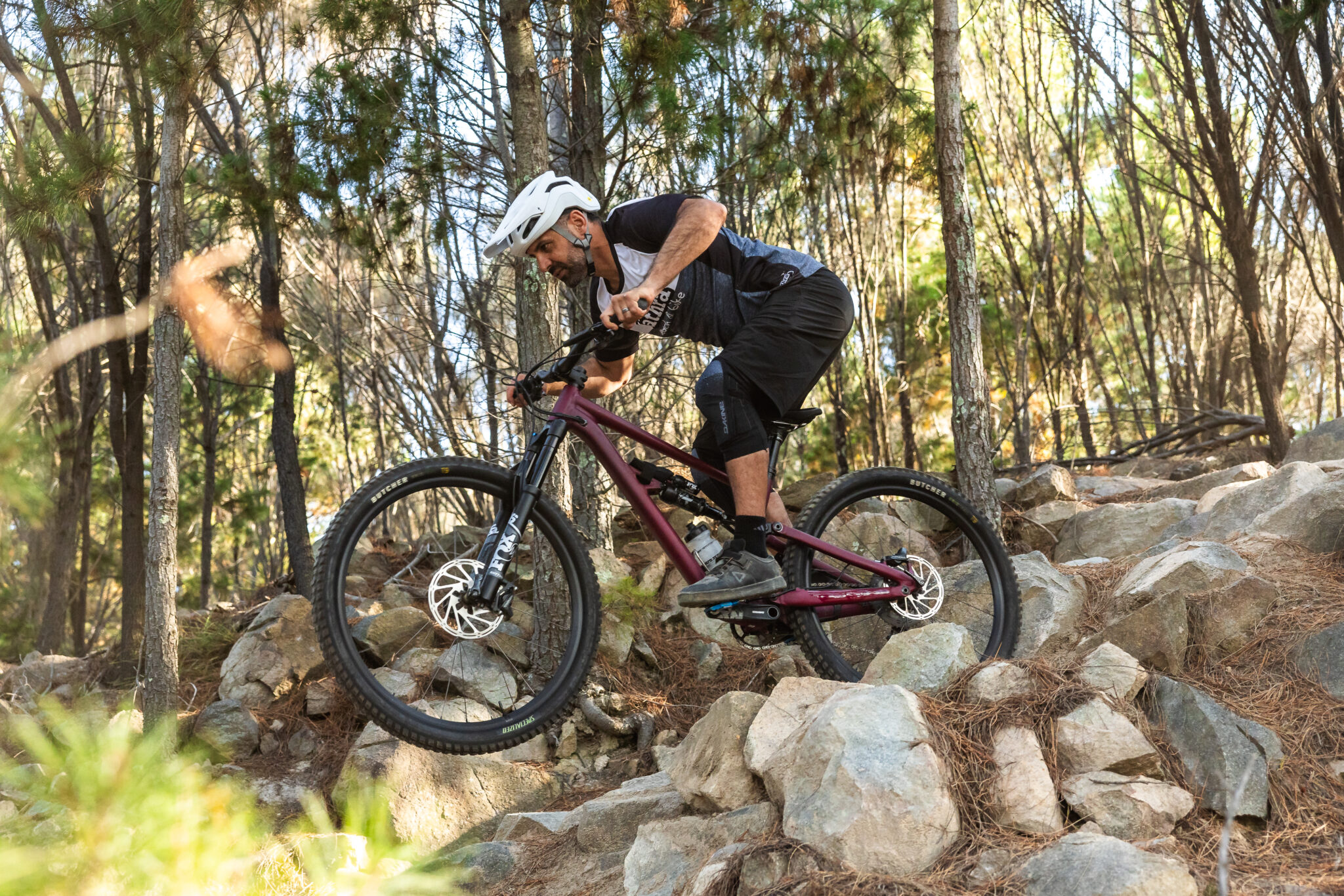
Credit: www.ambmag.com.au
Maintenance After Jumping
After dirt jumping, your bike needs care to keep working well. Proper maintenance helps avoid damage and keeps you safe.
Check your bike regularly after each session. This ensures it stays in good shape for your next jump.
Cleaning Your Bike
Dirt and mud can build up on your bike after jumping. Clean your bike to stop rust and wear.
Use a soft brush and water to remove dirt. Avoid using high-pressure water near bearings.
- Rinse off loose dirt gently
- Use bike-specific cleaner if possible
- Dry the bike with a clean cloth
- Focus on the frame, wheels, and drivetrain
Checking For Damage
Look over your bike for cracks, dents, or loose parts after jumping. Damage can cause accidents.
Check the frame, handlebars, wheels, and brakes. Tighten any bolts that feel loose.
- Inspect frame for cracks or bends
- Check wheels for true and spoke tension
- Test brakes for proper function
- Look for worn or torn tires
Lubricating Moving Parts
Lubrication helps your bike parts move smoothly. Apply lubricant after cleaning and drying.
Focus on the chain, derailleurs, and pivot points. Too much lubricant can attract dirt.
- Use bike-specific lubricant
- Apply a small amount to the chain links
- Wipe off excess lubricant with a cloth
- Lubricate derailleur pivots and brake levers
Frequently Asked Questions
What Are Essential Safety Gear For Dirt Jump Biking?
Wearing a full-face helmet, gloves, knee and elbow pads, and sturdy shoes is crucial. These protect you from falls and injuries during jumps.
How Can I Prepare My Bike For Dirt Jumps?
Check tire pressure, brake function, and suspension settings. Ensure your bike frame and components are sturdy and tightened for safety.
What Is The Best Way To Learn Dirt Jump Techniques?
Start with small jumps and practice body positioning and balance. Progress gradually to larger jumps as your skills improve.
How Do I Spot Safe Dirt Jump Trails?
Look for well-maintained trails with clear takeoff and landing zones. Avoid trails with loose debris or unstable surfaces.
Conclusion
Dirt jumping offers thrill and excitement. Safety should always come first. Wear your helmet and protective gear every time. Check your bike before each ride. Practice in a safe environment. Always start with small jumps. Gradually progress to bigger ones.
Listen to your body and rest if needed. Riding with friends can enhance safety. They can help if something goes wrong. Stay focused and alert while riding. Pay attention to your surroundings. Remember, having fun is key. But staying safe is even more important.
Keep these tips in mind for a safer ride. Enjoy dirt jumping responsibly.



