
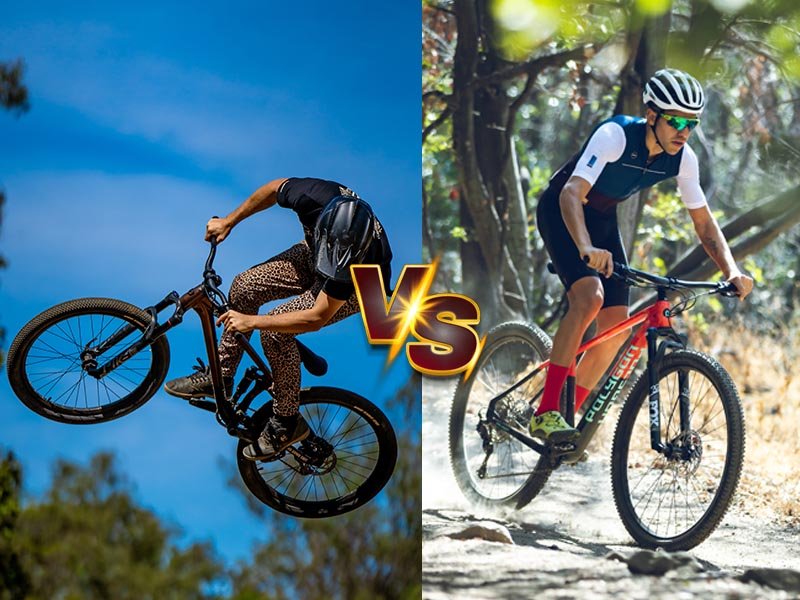
If you love dirt jumping, you know that your bike’s geometry can make or break your ride. But what exactly does “dirt jump bike geometry” mean, and why should you care?
Understanding how your bike’s frame angles, wheelbase, and other key measurements affect your control and style can take your jumps to the next level. You’ll discover simple explanations that unlock the secrets behind your bike’s design. By the end, you’ll know exactly what to look for to boost your confidence, land smoother, and fly higher.
Ready to master your dirt jump bike? Let’s dive in.
Key Dirt Jump Geometry Terms
Dirt jump bikes have unique shapes to help riders jump and land safely. The bike’s geometry affects how it handles in the air and on the ground. Understanding key geometry terms helps you pick the right bike for dirt jumping.
This guide explains important parts of dirt jump bike geometry. You will learn about frame size, angles, and lengths that shape the bike’s performance.
Frame Size
Frame size is the main measurement of the bike frame. It usually shows the length of the seat tube or top tube in inches or centimeters. A right frame size helps you control the bike better and jump with more confidence.
Head Tube Angle
The head tube angle is the angle between the front fork and the ground. It affects how quickly the bike turns and how stable it feels. A steeper angle makes the bike turn faster, while a slacker angle adds stability during jumps.
Seat Tube Angle
The seat tube angle shows how upright or leaned back the seat is. It influences your riding position and pedaling power. Dirt jump bikes often have steeper seat tube angles for better control and easier standing on the pedals.
Chainstay Length
Chainstay length is the distance between the bottom bracket and the rear wheel axle. It impacts the bike’s stability and ability to do tricks. Shorter chainstays make the bike more nimble, while longer ones give more stability.
- Short chainstay: Easier to spin and jump
- Long chainstay: More stable on landings
- Medium chainstay: Balanced control and stability
Bottom Bracket Height
Bottom bracket height is the distance from the ground to the bike’s bottom bracket. It affects how high your pedals are off the ground. A higher bottom bracket helps clear obstacles but may raise the bike’s center of gravity.
| Bottom Bracket Height | Effect |
| Low | Better balance, easier to pedal |
| High | More ground clearance, less pedal strikes |

Credit: www.reddit.com
Impact Of Geometry On Performance
Dirt jump bike geometry affects how the bike performs in the air and on the ground. Different shapes and angles change control, stability, and speed.
Understanding bike geometry helps riders choose the right setup for better riding experience and safety.
Stability In Air
Bike geometry impacts how stable you feel during jumps. A longer wheelbase and slacker head angle help keep the bike steady in the air. This reduces wobbling and makes landings smoother.
Landing Control
Landing control depends on the bike’s geometry. A shorter chainstay and steeper seat tube angle let riders shift their weight easily. This improves balance and reduces the chance of crashes.
- Short chainstay for quick weight shifts
- Steep seat tube angle for better posture
- Lower bottom bracket for stability
- Wide handlebars for control
Manoeuvrability On Trails
Good geometry makes the bike easier to turn and handle on trails. A steep head angle and short wheelbase help with sharp turns. This lets riders navigate tight corners fast and safely.
| Geometry Part | Effect on Manoeuvrability |
| Steep Head Angle | Improves quick steering |
| Short Wheelbase | Enhances sharp turns |
| Narrow Handlebars | Easy to maneuver tight spaces |
| Light Frame | Reduces effort in handling |
Pump Track Efficiency
Bike geometry affects how well you pump on a track. A balanced frame and proper angles help transfer energy to speed without pedaling. Good geometry keeps you smooth and fast.
- Moderate bottom bracket height for ground clearance
- Balanced weight distribution for momentum
- Responsive suspension for smooth rides
Choosing The Right Frame Size
Picking the right frame size is key for dirt jump bike performance. The frame size affects your comfort and control on the bike.
Understanding how rider height and reach match the frame helps you choose well. The right fit makes jumps safer and more fun.
Rider Height And Reach
Your height and arm reach guide the frame size you need. A frame too big or small can cause handling problems.
| Rider Height (inches) | Recommended Frame Size (inches) |
| 4’10” – 5’2″ | 15″ – 16″ |
| 5’3″ – 5’7″ | 16″ – 17″ |
| 5’8″ – 6’0″ | 17″ – 18″ |
| 6’1″ and above | 18″ – 19″ |
Measure your reach from the saddle to the handlebars. This helps confirm if the frame length suits your body.
Balance Between Comfort And Control
Comfort and control must work together in dirt jump bike geometry. Too much comfort can reduce control on jumps.
- Choose a frame that lets you move easily.
- Check if the bike feels steady when you land.
- Look for a frame size that fits your style of riding.
- Test how the bike handles tight turns and big drops.
Try adjusting the seat and handlebar height to improve comfort without losing control. Small changes make a big difference.
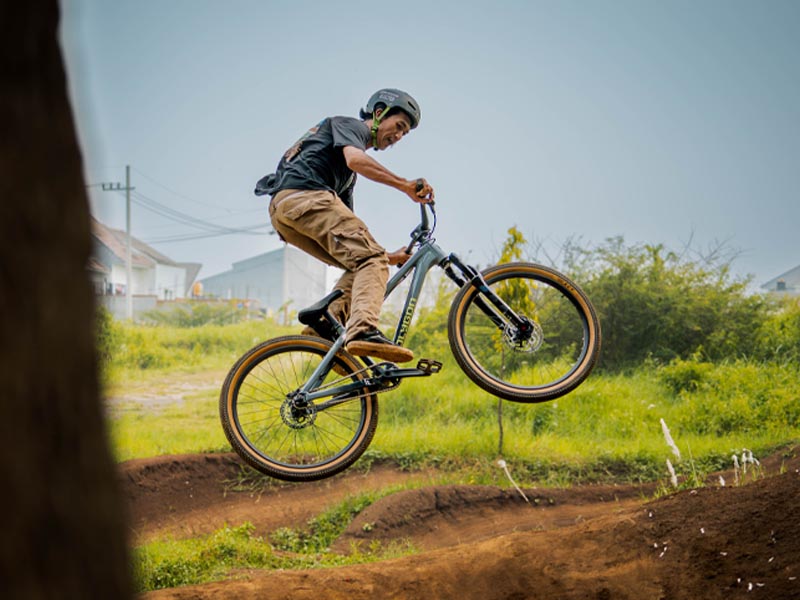
Credit: www.polygonbikes.com
Adjusting Head Tube Angle
The head tube angle affects how your dirt jump bike handles. It changes the way the bike turns and stays stable on landings.
Understanding this angle helps you pick the right setup for your riding style and terrain.
Steeper Angles For Quick Turns
Steeper head tube angles make the front wheel turn faster. This helps you make quick, sharp turns on the dirt track.
- Improves bike responsiveness
- Better for tight and twisty trails
- Requires more rider control to stay balanced
- Can feel twitchy at high speeds
Slack Angles For Stability
Slack head tube angles give more stability during jumps and landings. The bike feels steady and less nervous on rough terrain.
| Head Tube Angle | Effect | Best Use |
| Steeper (around 70°-72°) | Quick turns and agility | Tight dirt jump tracks |
| Slack (around 63°-67°) | More stability and control | Big jumps and rough landings |
Optimizing Chainstay Length
The chainstay length on a dirt jump bike affects how it handles. It changes the bike’s balance and control. Choosing the right length helps you ride better and safer.
This guide explains the effects of short and long chainstays. You will learn which suits your riding style and needs.
Short Chainstays For Agility
Short chainstays make the bike easier to turn and jump. They bring the rear wheel closer to the rider. This helps with quick moves and tricks.
- Improves bike responsiveness
- Helps with sharp turns
- Makes jumping and manuals easier
- Increases bike’s playful feel
Long Chainstays For Stability
Long chainstays add stability to your ride. They keep the bike balanced at high speeds. This length is good for smooth landings and control.
| Feature | Short Chainstay | Long Chainstay |
| Turning | Sharp and fast | Smoother and slower |
| Stability | Less stable | More stable |
| Jump Control | Quick and agile | Steady and controlled |
| Best for | Technical tricks | High-speed riding |

Credit: sportsgarage.com
Setting Bottom Bracket Height
The bottom bracket height affects how your dirt jump bike feels and rides. It changes your control and ability to clear obstacles.
Choosing the right height helps you ride better and safer on dirt jumps and trails.
Lower For Better Control
A lower bottom bracket height lowers your center of gravity. This improves stability and bike handling during jumps and landings.
- Easier to balance in the air
- Smoother cornering and turns
- More confident landings
- Better bike feel on smooth trails
Higher To Avoid Obstacles
A higher bottom bracket helps clear rocks, roots, and other trail obstacles. It prevents pedal strikes and damage to your bike.
| Bottom Bracket Height | Benefit | Drawback |
| Low | Better control and stability | Risk of pedal strikes |
| High | Clear obstacles easily | Less stable in corners |
Seat Tube Angle And Rider Position
The seat tube angle affects how you sit and pedal on a dirt jump bike. It changes your balance and power.
A steeper angle moves the rider forward. This change can improve pedaling and control during jumps.
Forward Positioning For Better Pedaling
A forward seat tube angle helps you pedal with more force. It places your hips over the pedals better.
- Improves pedaling efficiency
- Reduces fatigue on climbs
- Keeps the rider balanced on the bike
- Helps maintain speed between jumps
Impact On Jumping And Landing
A forward rider position changes how you jump and land. It shifts your center of gravity closer to the handlebars.
| Aspect | Effect of Forward Position |
| Jump Control | Better control and bike handling in the air |
| Landing Stability | Improved balance during landing |
| Shock Absorption | Rider can absorb impact more efficiently |
| Risk of Over-the-Bar | Higher if position is too far forward |
Suspension And Geometry Interaction
Dirt jump bikes need a special design to handle big jumps and landings. The bike’s suspension and frame shape work together to affect how it rides.
The geometry changes how the bike feels in the air and on the ground. Suspension helps absorb shocks and keeps the ride smooth.
Rigid Vs. Suspension Bikes
Rigid bikes have no suspension. They are simple and light but feel harder on landings. The frame absorbs all the impact.
Suspension bikes have shock absorbers on the rear or front. They soften landings and improve control. This makes riding easier on rough terrain.
- Rigid bikes offer direct power transfer
- Suspension bikes provide more comfort
- Rigid frames are lighter but less forgiving
- Suspension frames handle drops better
How Suspension Changes Ride Feel
Suspension changes how the bike reacts during jumps and landings. It smooths out bumps and keeps wheels on the ground longer.
With suspension, the bike feels more stable. Riders can control speed and direction better, making jumps safer and more fun.
- Absorbs impact to reduce rider fatigue
- Improves traction on uneven surfaces
- Keeps bike stable during landing
- Allows for faster, more controlled riding
Fine-tuning Your Setup
Dirt jump bike geometry affects how your bike handles in the air and on landings. Adjusting your setup helps you ride smoother and jump better.
Small changes to your bike can make a big difference in control and comfort. Testing and tools help you find the right fit.
Test Rides And Adjustments
Take your bike out for short test rides after each change. Pay attention to how the bike feels during jumps and turns.
Note if the bike feels too stiff or too loose. Adjust your seat height, handlebar position, and suspension settings based on these feelings.
- Check if the bike lands smoothly
- Feel for balance when in the air
- Notice any slipping or loss of control
- Adjust one part at a time for clear results
Tools And Techniques For Customization
Use simple tools like Allen wrenches and a torque wrench to make safe adjustments. Keep your bike parts tight but not over-tightened.
Techniques like changing the stem length or handlebar angle can improve comfort and control. Adjust the suspension preload to fit your weight and riding style.
- Allen wrenches for bolts and clamps
- Torque wrench to avoid over-tightening
- Shock pump for suspension pressure
- Bike stand to keep the bike steady
- Measuring tape for seat and handlebar height
Frequently Asked Questions
What Is Dirt Jump Bike Geometry?
Dirt jump bike geometry refers to the specific frame and component angles designed for jumping and tricks. It affects stability, control, and landing performance. Key aspects include a low bottom bracket, short chainstays, and a slack head angle, optimizing the bike for dirt jumping.
How Does Geometry Affect Dirt Jump Performance?
Geometry influences handling, balance, and maneuverability during jumps. A slack head angle improves stability, while a short wheelbase enhances agility. Proper geometry helps riders maintain control in the air and on landing, boosting confidence and safety.
Why Is A Slack Head Angle Important?
A slack head angle increases front-end stability when landing jumps. It helps absorb impact and keeps the bike steady. This angle allows smoother steering and better control during high-speed dirt jumping.
What Role Do Chainstays Play In Dirt Jump Bikes?
Short chainstays make the bike more responsive and easier to maneuver. They help riders perform tricks and quick turns mid-air. This compact design improves overall bike control and agility on dirt jump trails.
Conclusion
Understanding dirt jump bike geometry is essential. It affects your biking experience greatly. Proper geometry ensures balance and control. This leads to better jumps and landings. It also helps in navigating tricky terrains. A well-designed bike enhances your performance. So, choose wisely based on your riding style.
Consult experts if unsure about adjustments. Remember, the right geometry can make biking more enjoyable. Ride safely and have fun exploring new trails. Keep learning and improving your skills. Happy biking!



