
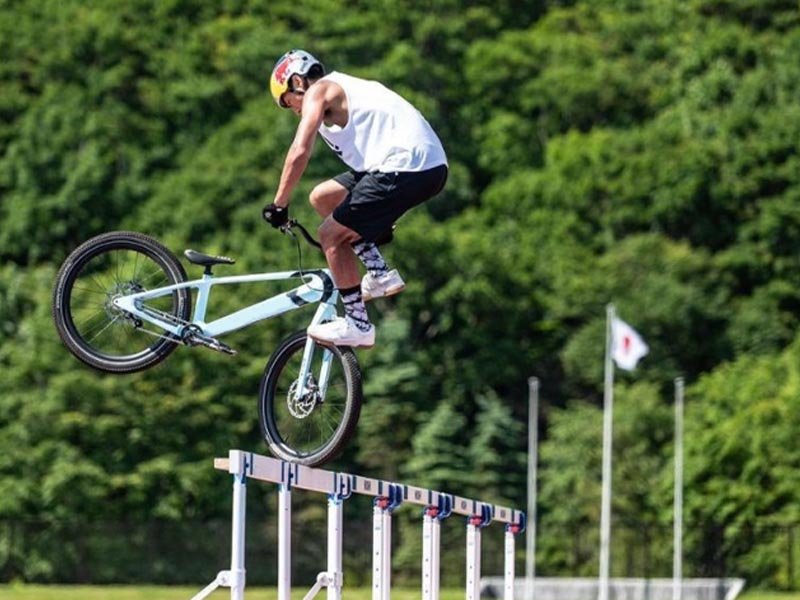
Are you ready to take your dirt jumping skills to the next level and compete like a pro? Whether you’re aiming to win your first competition or just want to impress with smooth, high-flying tricks, mastering dirt jump biking is key.
This guide will show you exactly how to prepare, practice, and perform so you can stand out on the course. Stick with me, and by the end, you’ll have the confidence and know-how to jump higher, land safer, and ride smarter in every competition you enter.
Let’s get you ready to dominate those dirt jumps!
Choosing The Right Dirt Jump Bike
Choosing the right dirt jump bike is key for competing well. The bike must fit your style and the jumps you face.
Focus on the bike’s frame, tires, and setup to get the best ride and control.
Frame And Suspension Features
Pick a strong, light frame. Aluminum and chromoly steel are common materials. A smaller frame helps with tricks and control.
Most dirt jump bikes use a hardtail design, which means no rear suspension. This keeps the bike stiff and responsive on jumps.
Tire Selection And Pressure
Choose tires that grip well on dirt but roll smoothly. Width between 2.2 to 2.4 inches works best for jumps.
| Tire Type | Best Use | Recommended Pressure |
| Knobby Tires | Loose dirt and rough surfaces | 25-30 PSI |
| Slick Tires | Hard-packed dirt and smooth tracks | 30-35 PSI |
| Semi-Slick Tires | Mixed terrain | 28-32 PSI |
Handlebars And Seat Setup
Wide handlebars give better control and balance during jumps. Look for bars around 720-780mm wide.
- Keep the seat low or remove it for more room to move.
- Set grips for comfort and firm hold.
- Use a short stem to improve steering response.
Essential Safety Gear
Dirt jump biking is exciting but can be risky. Wearing the right safety gear protects you from injuries.
Before competing, make sure you have all the essential gear for a safe ride.
Helmet Types And Fit
A helmet is the most important safety item for dirt jump biking. It protects your head in falls and crashes.
Choose a helmet that fits snugly and covers your forehead well. A loose helmet can fail to protect you.
- Full-face helmets offer the best protection for jumps.
- Open-face helmets are lighter but less protective.
- Check that the helmet does not move when you shake your head.
- Replace helmets after any strong impact.
Protective Pads And Gloves
Pads help protect your knees, elbows, and shins from scrapes and impacts. Gloves protect your hands and improve grip.
Wear pads that fit well and stay in place during jumps. Gloves should be comfortable and padded in key areas.
- Knee pads shield your knees from hard landings.
- Elbow pads protect elbows from scrapes and bruises.
- Shin guards can prevent cuts from bike parts.
- Gloves reduce hand fatigue and protect from blisters.
Proper Clothing For Jumping
Choose clothing that allows free movement and protects your body. Avoid loose clothes that can catch on the bike.
Wear durable, breathable fabrics to stay comfortable. Long sleeves and pants reduce skin injuries in falls.
- Use moisture-wicking shirts to keep dry.
- Wear long pants made of tough material like denim.
- Avoid jewelry or accessories that may get caught.
- Consider a lightweight jacket for extra protection.
Basic Dirt Jump Techniques
Dirt jumping is a fun and exciting way to ride your bike. To compete well, you need to learn the right techniques. This guide covers the basics you need to know.
Focus on your body position, speed control, and landing. These skills will help you jump safely and smoothly on the dirt track.
Body Position And Balance
Keep your body loose and centered over the bike. Bend your knees and elbows to absorb shocks. Look ahead to stay balanced during the jump.
- Stand on the pedals with feet flat
- Lean slightly forward with a straight back
- Keep your arms and legs flexible
- Use your core to stay stable
Speed Control And Approach
Approach the jump with the right speed. Too slow can cause you to fall short. Too fast may make landing hard. Control your speed by using your brakes gently.
| Speed Level | Effect | Tip |
|---|---|---|
| Slow | May not clear the jump | Pedal harder before the ramp |
| Moderate | Good balance and control | Maintain steady pedal pressure |
| Fast | Harder to control landing | Use rear brake lightly to adjust |
Landing Smoothly
Landing is key to a clean jump. Try to land with both wheels at the same time or the rear wheel first. Keep your knees and elbows bent to absorb impact. Look forward and stay relaxed.
- Extend your arms and legs just before landing
- Absorb shock by bending knees and elbows
- Keep your weight balanced over the bike
- Roll away smoothly after landing

Credit: en.wikipedia.org
Mastering Core Tricks Quickly
Dirt jump biking for competitions needs strong basic skills. Learning core tricks fast helps you ride better and score higher.
Focus on simple moves first. These tricks build your confidence and prepare you for harder jumps and spins.
Bunny Hop Basics
The bunny hop is a key skill in dirt jumping. It lets you lift both wheels off the ground at the same time.
Start by pulling up the handlebars and then lifting your feet quickly. Practice on flat ground before trying jumps.
- Keep your knees and elbows bent
- Pull up with your arms first
- Lift your legs to clear the ground
- Land with both wheels at once
Tabletop And Whip Tricks
Tabletop and whip tricks add style and control to your jumps. They help you stand out in competitions.
For a tabletop, turn your bike sideways while in the air. Whip tricks mean swinging the back wheel out and back.
- Start with small air time jumps
- Use your hips to guide the bike’s motion
- Keep your eyes on the landing spot
- Practice landing smoothly to keep balance
180 And 360 Spins
Spins are exciting tricks that need timing and balance. A 180 spin turns the bike halfway around in the air.
A 360 spin is a full turn. Start with 180 spins on small jumps before trying 360s on bigger ramps.
- Look over your shoulder in the direction of the spin
- Use your arms and shoulders to start the turn
- Keep your body centered on the bike
- Spot your landing as you finish the spin
Training Routines For Speedy Progress
Dirt jump biking requires strong skills and fast reflexes. Good training helps you improve quickly.
Focus on exercises that build strength and coordination. Plan your practice sessions well and use video feedback to track progress.
Drills For Strength And Coordination
Strength and coordination are key for dirt jumping. Do drills that work on your legs, arms, and balance.
Try exercises that mimic jump motions to build the right muscles and improve control.
- Squats and lunges for leg strength
- Push-ups and pull-ups for upper body
- Balance board training for stability
- Jumping rope to improve timing
Practice Sessions Planning
Plan your practice sessions carefully. Short, focused sessions work better than long, tiring ones.
Include warm-up, skill drills, and cool-down in every session. Change your routine to avoid boredom.
- Start with 10 minutes of light cycling to warm up
- Spend 20-30 minutes on jump drills and tricks
- Take breaks to rest and hydrate
- End with stretching to prevent injuries
Using Video For Feedback
Recording your practice helps you see what to improve. Watch videos to spot mistakes and fix them.
Compare your jumps over time to track progress. Ask friends or coaches to give advice after watching your videos.
- Use a phone or camera to record your jumps
- Check your body position and timing
- Look for smooth landings and good speed
- Note areas that need work and focus on them next time
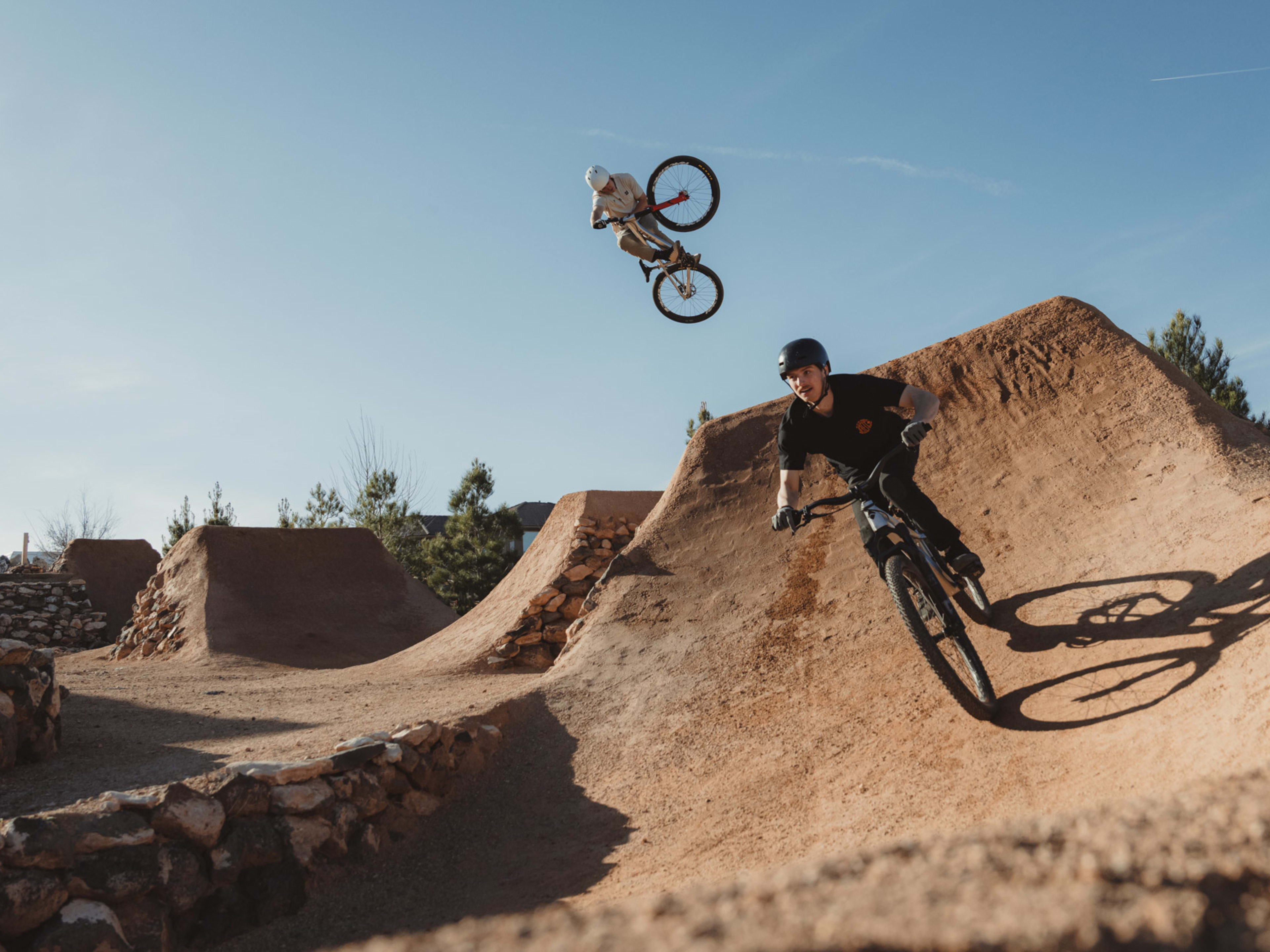
Credit: www.bikemag.com
Competition Preparation Tips
Dirt jump bike competitions need both skill and smart preparation. Getting ready helps you perform your best.
Use these tips to prepare your mind, body, and strategy for the race day.
Course Inspection And Strategy
Study the dirt jump course before competing. Look at jumps, turns, and landing spots closely.
Plan your lines and tricks based on what the course offers. Adjust your speed to match each section.
- Check for tricky sections or sharp turns
- Note wind direction and weather conditions
- Decide where to slow down or speed up
- Choose which tricks fit best on each jump
Mental Focus Techniques
Stay calm and focused before and during your runs. Clear your mind of distractions.
Use deep breathing and positive thoughts to keep nerves low. Visualize your best performance.
- Take slow, deep breaths to relax
- Repeat simple positive phrases in your mind
- Imagine yourself landing every jump perfectly
- Focus only on the current jump, not the score
Warm-up And Recovery
Warm up your muscles before starting to avoid injury. Start with light biking and stretches.
After your runs, cool down with gentle movements. Drink water and rest to recover quickly.
- Begin with 5-10 minutes of easy riding
- Stretch legs, arms, and back gently
- Use foam rollers or massage to loosen muscles
- Drink water to stay hydrated
- Rest between runs to keep energy high
Common Mistakes To Avoid
Dirt jump biking is exciting but tricky. Many riders make simple mistakes that hurt their performance. Avoiding these can help you ride better and safer.
Below are common errors riders face in competitions. Learning these can keep you ready and confident on the track.
Overcommitting Tricks
Trying to do too much at once often leads to crashes. Riders sometimes push beyond their skill level to impress judges or crowds.
- Start with basic tricks before trying advanced ones.
- Practice each trick many times on small jumps.
- Stay in control instead of going too fast.
- Focus on landing safely, not just the trick style.
- Know your limits and improve gradually.
Ignoring Bike Maintenance
A well-maintained bike is key for good rides. Many riders skip bike checks and face problems during competitions.
| Part | Check | Frequency |
| Tires | Pressure and tread | Before every ride |
| Brakes | Pad wear and response | Weekly |
| Chain | Lubrication and tightness | Every 2 rides |
| Suspension | Leaks and performance | Monthly |
Neglecting Safety Protocols
Safety is often overlooked but is vital. Skipping gear or ignoring rules can cause injuries.
- Always wear a helmet made for dirt jumping.
- Use knee and elbow pads to protect joints.
- Check the jump area for hazards before riding.
- Follow event rules and listen to officials.
- Warm up your body to prevent muscle strains.

Credit: www.youtube.com
Frequently Asked Questions
What Gear Is Essential For Dirt Jump Bike Competitions?
Wearing a full-face helmet, gloves, knee pads, and sturdy shoes is essential. A well-maintained dirt jump bike with strong suspension and brakes is also necessary.
How Do I Improve My Dirt Jump Bike Skills Quickly?
Practice basic jumps, balance, and bike control daily. Focus on landing smoothly and increasing jump height step-by-step to build confidence and skill.
What Bike Setup Works Best For Dirt Jump Contests?
Use a lightweight frame with 24-26 inch wheels, strong suspension, and responsive brakes. Adjust tire pressure for better grip and stability on dirt tracks.
How To Stay Safe During Dirt Jump Bike Competitions?
Always wear protective gear and inspect your bike before riding. Warm up properly and ride within your skill level to avoid injuries.
Conclusion
Dirt jumping for competitions requires skill and practice. Start with basic techniques. Gradually build confidence as you progress. Safety gear is essential. Never skip it. Learn from experienced riders. Watch their techniques closely. Consistent practice improves your skills. Stay focused during each jump.
Balance is key to success. Enjoy the thrill of competing. Keep pushing your limits. Remember to have fun. Each jump is a new opportunity. Embrace the challenge and ride on.



