
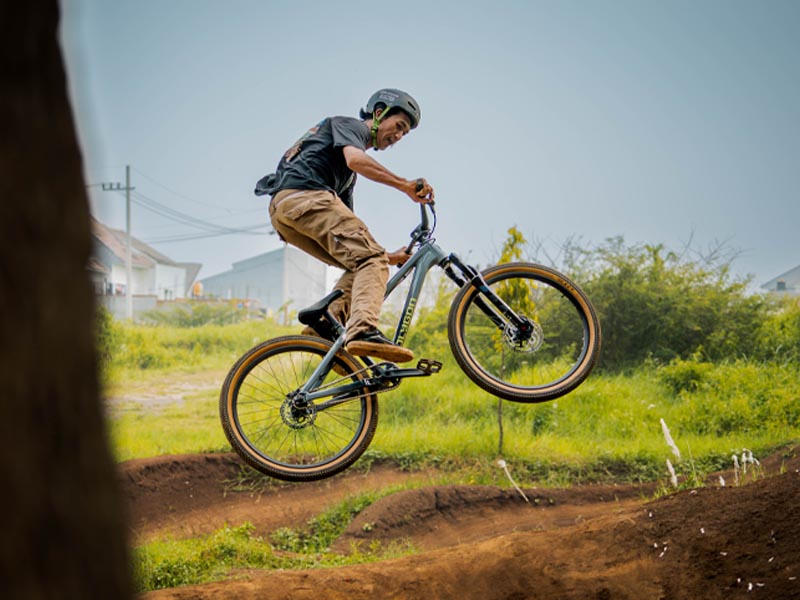
Are you ready to take your biking skills to the next level? Dirt jumping is an exciting way to add thrill and fun to your rides.
But if you’re new to it, the idea of launching off ramps and flying through the air can feel a bit overwhelming. Don’t worry—this guide is made just for you. You’ll learn simple, step-by-step tips to build your confidence and master the basics safely.
By the end, you’ll be ready to hit the dirt jumps with control and style. Keep reading, and let’s get you airborne!
Choosing The Right Dirt Jump Bike
Picking the right dirt jump bike is important for beginners. It helps you learn and enjoy the sport safely.
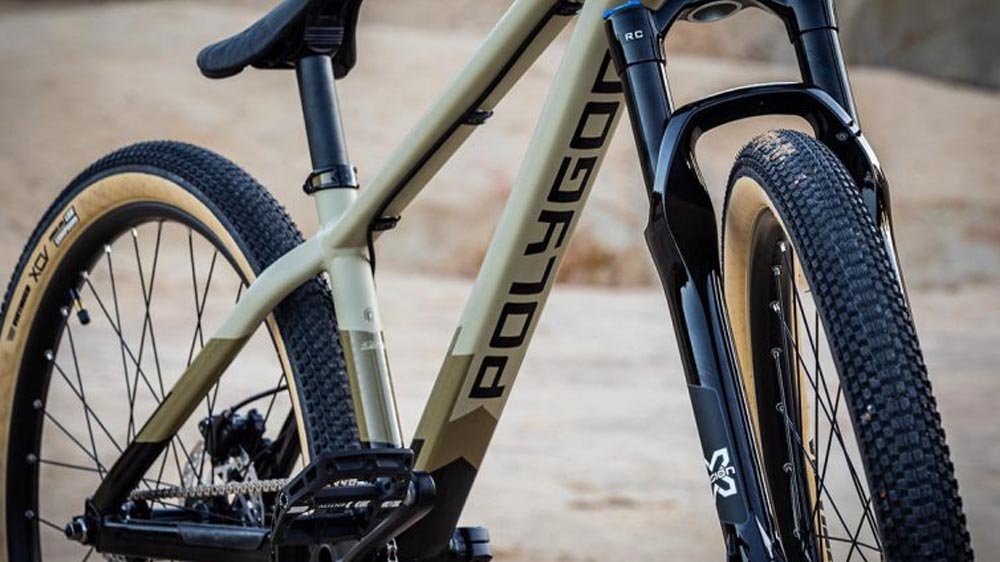
This guide explains key features to look for in your first bike. Focus on frame, suspension, tires, and parts.
Bike Frame And Geometry
The bike frame should be strong and light. Look for frames made from aluminum or steel.
Geometry affects how the bike handles jumps. A shorter top tube helps with control and tricks.
- Compact frame for better maneuverability
- Strong material to handle impacts
- Lower standover height for easy mounting
Suspension Vs Hardtail
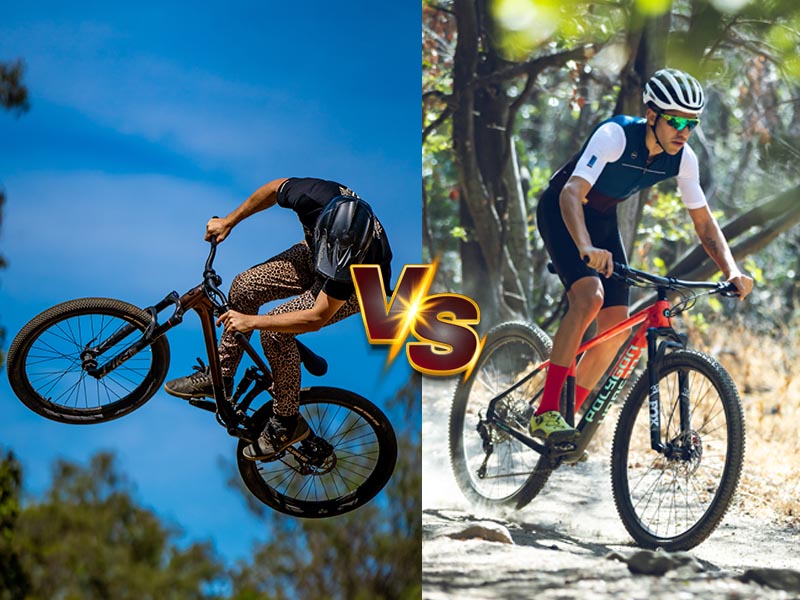
Suspension bikes have shocks that absorb bumps. Hardtail bikes have no rear suspension.
Hardtails are lighter and easier to maintain. Suspension bikes give more comfort on rough landings.
- Hardtail bikes are good for smooth jumps
- Suspension bikes help on rough or big jumps
- Beginners often start with hardtail bikes
Tire Selection
Pick tires with good grip and the right size. Most dirt jump bikes use 24 or 26-inch tires.
Tires with a smooth center and knobby edges work well. They roll fast and grip corners tightly.
- Choose tires sized 24″ or 26″
- Smooth center tread for speed
- Knobby side tread for corner grip
- Use tires with strong sidewalls to avoid flats
Essential Bike Components
Good brakes are important for control and safety. Most dirt jump bikes use hydraulic disc brakes.
Strong pedals and a sturdy seat help during tricks. Keep the gear simple with one or two speeds.
- Hydraulic disc brakes for strong stopping power
- Flat pedals for better foot grip
- Lightweight saddle for comfort
- Single-speed drivetrain for easy maintenance
Essential Safety Gear
Dirt jumping is a fun bike sport that needs safety gear. Wearing the right gear protects your body from falls and bumps.
Always wear safety gear before you start dirt jumping. It helps you ride with more confidence and less risk.
Helmet Options
Helmets are the most important gear for dirt jumping. They protect your head from serious injuries during crashes.
There are different types of helmets to choose from for dirt jumping. Pick one that fits well and feels comfortable.
- Full-face helmets offer the most protection for your face and head.
- Open-face helmets are lighter but protect only the top and sides of your head.
- Make sure the helmet meets safety standards and is designed for biking.
- Check that the helmet fits snugly and does not move when you shake your head.
Protective Pads
Protective pads shield your knees, elbows, and shins from scrapes and bruises. They help reduce injuries when you fall.
Choose pads that fit well and stay in place during jumps. Soft padding inside adds comfort and impact absorption.
- Knee pads protect your knees from impact and scratches.
- Elbow pads guard your elbows during falls.
- Shin guards protect your lower legs from pedal strikes and debris.
- Look for pads with adjustable straps for a secure fit.
Gloves And Footwear
Gloves improve your grip on the handlebars and protect your hands from cuts. Good shoes protect your feet and help control the pedals.
Wear gloves and shoes made for biking to keep your hands and feet safe. They also help you ride better.
- Choose gloves with padded palms to reduce hand fatigue.
- Wear shoes with stiff soles for better pedal grip.
- Shoes should cover your ankles for extra protection.
- Make sure gloves and shoes fit well and feel comfortable.
Basic Dirt Jump Techniques
Dirt jumping is a fun and exciting bike sport. It needs practice and good technique. Learning the basics will help you jump safely and improve faster.
This guide covers three important parts: body positioning, approach and takeoff, and landing smoothly. Each part helps you ride better on dirt jumps.
Body Positioning
Your body position affects balance and control. Keep your knees and elbows slightly bent. Stand on the pedals with feet flat and shoulder-width apart. Look ahead, not down.
- Keep your back straight and relaxed
- Shift your weight slightly back when in the air
- Use your arms and legs to absorb shocks
- Stay loose to react quickly
Approach And Takeoff
Approach the jump with a steady speed. Too fast or slow can cause trouble. Keep your eyes on the lip of the jump. Just before takeoff, preload your bike by compressing your legs and arms.
| Speed | Effect |
| Too Slow | May not clear the jump |
| Too Fast | Hard to control landing |
| Right Speed | Smooth takeoff and landing |
Landing Smoothly
Landing is key to a good jump. Keep your knees and elbows bent to absorb impact. Land with both wheels at the same time or back wheel slightly first. Look forward and stay balanced.
- Keep your body loose and ready to absorb shock
- Use your arms and legs as natural suspension
- Focus on a smooth roll away from the jump
- Practice small jumps before bigger ones
Credit: www.polygonbikes.com
Building Confidence On Small Jumps
Dirt jumping can be fun but also a little scary for beginners. Starting small helps you learn the basics safely. This guide shows how to build confidence on small jumps step by step.
Practicing on small jumps prepares you for bigger ones. It also keeps you safe while you learn control and balance. Let’s look at some easy ways to start.
Starting With Bunny Hops
Bunny hops teach you how to lift your bike off the ground. This skill is key for jumping over small obstacles. Begin by practicing hopping while standing still.
Focus on pulling up with your arms and pushing down with your legs. Keep your body balanced and eyes ahead. Once you can bunny hop on flat ground, try hopping over small objects.
- Start by lifting the front wheel
- Then lift the back wheel
- Practice smooth, quick movements
- Keep your knees bent for better control
Progressing To Small Ramps
After bunny hops, try small ramps. These help you learn to jump while moving. Ride slowly toward the ramp and stay relaxed as you leave the ground.
Land softly by bending your knees. Avoid stiffening your body. Practice on ramps that are low and gentle to build trust in your skills.
- Choose ramps about 1 to 2 feet high
- Keep your speed steady and slow
- Look ahead, not down at the ramp
- Use your arms and legs to absorb impact
Practicing Balance And Control
Balance and control keep you safe and confident on jumps. Work on riding smoothly and staying steady. Use your body to guide the bike over small bumps.
Try riding on flat ground while standing on your pedals. Shift your weight to keep balance. The better your control, the easier it is to jump safely.
- Practice riding slowly without wobbling
- Keep your eyes looking forward
- Use your core muscles to stay stable
- Try gentle turns and balance drills
Advanced Jumping Tips
Once you know the basics of dirt jumping, it is time to improve your skills. Advanced tips help you jump higher and land smoothly. These tips focus on better control and timing.
Practice these tips slowly and safely. They will make your dirt jumping more fun and less risky.
Timing Your Pump
Pumping means pushing your bike down and pulling up at the right time. Good timing helps you get more height and speed.
Start pushing down just before the jump’s takeoff. Pull up as you leave the lip of the jump. This gives your bike extra lift.
- Watch the jump closely to know when to pump
- Practice pumping on small jumps first
- Keep your movements smooth and steady
Using Your Legs And Arms
Your legs and arms control the bike in the air. Use them to absorb shocks and keep balance.
Bend your knees and elbows as you land. This helps reduce impact and keeps you stable.
- Keep your legs slightly bent while riding
- Use your arms to steer and absorb bumps
- Stay relaxed to react faster
Adjusting Speed For Different Jumps
Different jumps need different speeds. Going too fast or slow can cause problems.
Slow down for small jumps to keep control. For big jumps, gain enough speed to clear the gap.
- Start slow and increase speed as you gain confidence
- Watch other riders to learn good speeds
- Practice speed control on flat ground before jumps

Credit: www.youtube.com
Common Mistakes To Avoid
Dirt jumping is exciting but can be tricky for beginners. Avoiding common mistakes helps you improve faster.
Being aware of errors keeps you safe and makes riding more fun. Let’s look at key mistakes to avoid.
Overcommitting
Overcommitting means trying jumps that are too big or too hard. It can cause loss of control and falls.
Start with small jumps and build your skills before moving to bigger ones. This helps you stay confident.
- Pick jumps that match your skill level
- Practice landing smoothly before bigger jumps
- Stay calm and focused on each jump
Poor Body Position
Bad body position makes controlling your bike hard. It can lead to crashes or missed landings.
Keep your knees bent and your body centered over the bike. Look ahead, not down, to stay balanced.
- Stand on pedals with feet flat
- Bend elbows and knees slightly
- Lean forward slightly on takeoff
- Keep your head up and eyes forward
Ignoring Bike Maintenance
A poorly maintained bike can break or cause accidents. Check your bike before every ride to stay safe.
Clean your bike, check tire pressure, and tighten bolts regularly. Proper care keeps your bike working well.
- Inspect brakes and make sure they work
- Check tire pressure before riding
- Tighten all bolts and screws
- Lubricate the chain often
Maintaining Your Dirt Jump Bike
Keeping your dirt jump bike in good shape is important. It helps the bike last longer and keeps you safe.
Regular care can stop problems before they start. This guide shows easy ways to maintain your bike.
Regular Inspections
Check your bike before every ride. Look for loose bolts, cracks, and damaged parts. Make sure the tires have enough air.
Look at the brakes and suspension. Test them to see if they work well. Fix any problems right away to avoid accidents.
- Check bolts and screws for tightness
- Look for cracks in the frame and forks
- Inspect tires for damage and proper pressure
- Test brakes for good stopping power
- Check suspension for smooth movement
Cleaning And Lubrication
Clean your bike after every ride. Dirt and mud can cause parts to wear out faster. Use water and a soft brush to clean the frame.
Lubricate the chain and moving parts to keep them working smoothly. Use bike-specific lubricants and wipe off extra oil to avoid dirt buildup.
- Wash dirt and mud off the frame and wheels
- Dry the bike before applying lubricant
- Apply lubricant to the chain, derailleurs, and cables
- Wipe off excess lubricant to prevent dirt
Replacing Worn Parts
Parts like tires, brake pads, and chains wear out over time. Replace them before they break. This keeps your bike safe and riding well.
Keep an eye on parts that wear faster. Change them if you see cracks, thinning, or poor performance. Use parts made for dirt jump bikes.
- Replace tires if treads are worn or cracked
- Change brake pads when they look thin
- Swap the chain if it is rusty or stretched
- Inspect grips and pedals for damage
Finding Dirt Jump Spots
Finding good dirt jump spots is key for beginners. The right place helps you practice safely and improve your skills.
Look for spots that fit your skill level and allow you to ride with friends. Here are some ways to find or create dirt jump spots.
Local Trails And Parks
Local trails and parks often have dirt jumps or bike areas. These spots are good for beginners because they are maintained and safe.
- Check with your city’s parks department for bike trails
- Visit mountain biking forums to find popular local spots
- Ask other riders in your area about good places
- Look for bike parks with dirt jump sections
Building Your Own Jumps
Building your own dirt jumps can be fun and help you learn quickly. You can start small and improve your jumps over time.
Follow these tips to build safe and rideable jumps:
- Find a flat spot with good soil
- Use shovels and rakes to shape the dirt
- Start with small takeoff and landing ramps
- Compact the dirt to make jumps firm
- Test jumps carefully before riding fast
Joining Dirt Jump Communities
Joining dirt jump communities helps you find new spots and meet riders. Communities share information about trails and events.
- Look for local bike clubs or groups on social media
- Join online forums or apps dedicated to dirt jumping
- Attend local dirt jump meetups or races
- Share and get tips on jump building and maintenance
Credit: www.polygonbikes.com
Frequently Asked Questions
What Gear Is Essential For Beginner Dirt Jump Biking?
Beginners need a sturdy dirt jump bike, helmet, gloves, and knee pads. These protect you and improve control while riding. Proper shoes and comfortable clothing enhance safety and performance. Always check your gear before each ride.
How Do I Start Learning Dirt Jump Biking Safely?
Begin on small jumps to build confidence. Practice proper body positioning and balance. Use controlled speed and avoid risky tricks initially. Always wear protective gear and ride in designated dirt jump parks or trails. Gradual progression reduces injury risk.
What Bike Features Are Best For Dirt Jumping?
Look for a bike with a strong frame, front suspension, and wide tires. A lower seat height and responsive brakes improve maneuverability. Lightweight bikes help with airtime and control. Choose durable components designed for impact and rough terrain.
How Can I Improve My Dirt Jump Biking Skills Quickly?
Practice regularly on varied jump sizes to build skill. Watch tutorials and learn from experienced riders. Focus on smooth landings and consistent speed. Strengthen leg and core muscles for better control. Always review your technique to avoid bad habits.
Conclusion
Embarking on dirt jumping can be thrilling. Start with the basics and practice often. Wear safety gear to protect yourself. Choose a bike that suits your needs. Find a good location to jump. Watch and learn from experienced riders. Take it slow and build confidence with each jump.
Remember, practice makes perfect. Enjoy the ride and have fun! With patience, you’ll get better. Dirt jumping offers excitement and a sense of freedom. Keep pushing your limits and soon you’ll see improvement. Happy jumping!



