
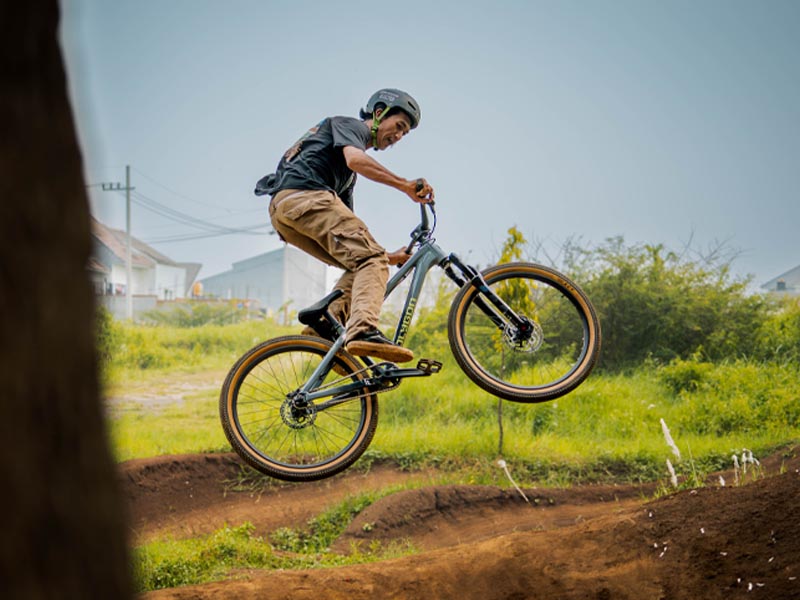
If you love dirt jumping, you know the thrill comes with risks. Crashing is part of the ride, but protecting yourself can make all the difference between a scary fall and a quick bounce back.
You want to push your limits without fear. That’s where smart crash protection steps in. You’ll discover simple, effective ways to keep yourself safe while still enjoying every jump. Ready to ride harder and safer? Let’s dive in.
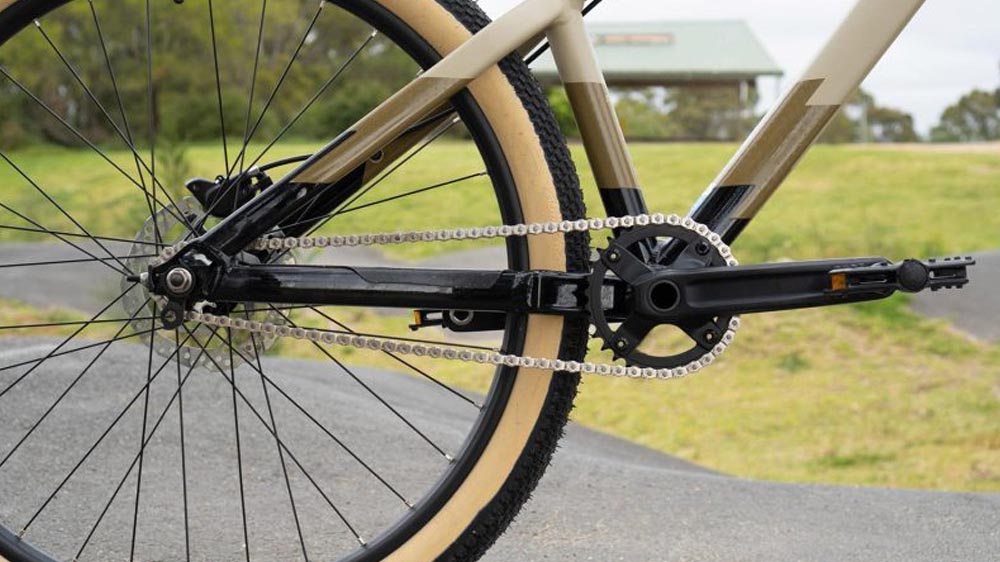
Credit: www.polygonbikes.com
Essential Protective Gear
Dirt jump biking can be risky. Wearing the right gear helps protect you in crashes.
Good protection lowers injury chances and lets you ride with more confidence.
Helmet Types And Features
Helmets protect your head from impacts. Choose one made for dirt jumping or mountain biking.
Full-face helmets offer more coverage. They protect your chin and face during crashes.
- Full-face helmets have a chin bar for extra safety
- Half-shell helmets are lighter but protect only the top and sides
- Look for helmets with good ventilation to keep cool
- Check for a secure fit with adjustable straps
- Helmets must meet safety standards like CPSC or ASTM
Body Armor And Pads
Body armor shields your chest, back, and shoulders from hard impacts. It reduces bruises and broken bones.
Pads protect elbows, knees, and shins. They help absorb shock and prevent scrapes.
- Wear a chest protector or a full upper-body armor vest
- Use elbow and knee pads made of foam and hard plastic
- Shin guards protect your lower legs from pedal strikes
- Choose gear that fits snugly but allows easy movement
Gloves And Footwear
Gloves improve your grip and protect your hands from cuts and blisters.
Proper shoes give you good pedal control and protect your feet during crashes.
- Choose gloves with padding on palms for comfort
- Look for gloves with breathable fabric to avoid sweating
- Wear sturdy shoes with good grip and ankle support
- Flat pedal shoes help keep your feet stable on pedals
Bike Setup For Safety
Setting up your dirt jump bike properly helps protect you during crashes. Good setup lowers injury risk and keeps you in control.
Focus on the right frame, tires, and brakes. These parts can make your ride safer and smoother.
Frame And Suspension Choices
Choose a frame made from strong materials like aluminum or steel. These materials absorb impact better in crashes.
Use a suspension that fits dirt jumping. A strong front fork with good travel helps absorb landings and bumps.
Tire Selection And Pressure
Pick tires with thick tread to grip dirt and rocks well. Good grip prevents slipping and falling.
Keep tire pressure balanced. Too high pressure makes the ride hard and bumpy. Too low pressure can cause rim damage.
- Check pressure before every ride
- Use pressures between 25-35 PSI for dirt jumps
- Adjust pressure based on terrain and weight
Brake Maintenance
Well-maintained brakes help you stop safely and avoid crashes. Check brakes often for wear and tear.
Keep brake pads clean and replace them if they get thin. Test brake levers for firm and smooth action.
- Inspect brake cables or hydraulic lines regularly
- Adjust brakes to avoid rubbing wheels
- Test brakes before every ride
Crash Prevention Techniques
Dirt jumping is fun but can be risky without the right skills. Learning how to avoid crashes keeps you safe and confident.
Using good techniques helps you control the bike and land safely. Let’s look at some key ways to prevent crashes.
Proper Jumping Posture
Keep your body balanced and relaxed before jumping. Bend your knees and elbows slightly to absorb shocks.
Look ahead, not down, to maintain control. Keep your weight centered over the bike to stay steady in the air.
- Stand on pedals with knees bent
- Keep elbows out and relaxed
- Focus on where you want to land
- Keep your back straight, not stiff
Landing Strategies
Prepare to land by shifting your weight back slightly. This helps prevent going over the handlebars.
Use your legs as shock absorbers by bending your knees on landing. Keep your arms flexible to handle bumps.
- Aim to land with both wheels together
- Bend knees and elbows on impact
- Keep your head up and eyes forward
- Roll with the landing to reduce force
Speed Control
Control your speed before jumps to avoid losing control. Too fast or too slow speeds can cause crashes.
Adjust your speed by using brakes gently and pedaling smoothly. Practice keeping a steady pace on different tracks.
- Slow down before the takeoff ramp
- Use rear brake lightly to control speed
- Maintain a steady pedaling rhythm
- Adjust speed based on jump size and track
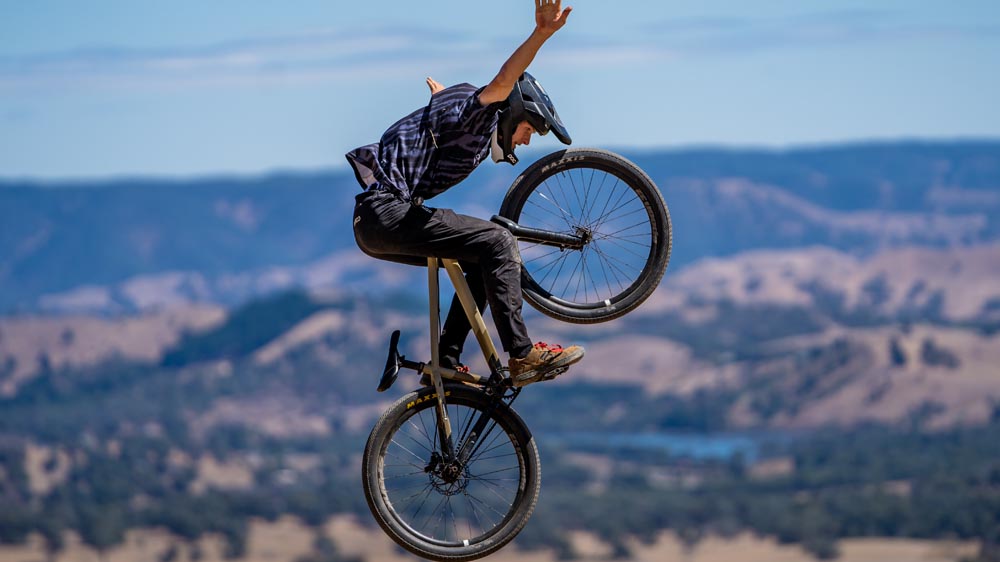
Credit: www.polygonbikes.com
Post-crash Actions
Crashing while dirt jumping can cause injuries. It is important to act quickly and safely after a fall. Knowing what to do helps reduce harm and speeds recovery.
Follow clear steps to check your condition, give first aid, and get medical help if needed. This guide covers key actions after a crash.
Assessing Injuries
After a crash, stay still and check for pain or bleeding. Look for broken bones, cuts, or swelling. Ask if you feel dizzy or confused. If you feel severe pain or cannot move, do not try to stand.
- Check head for bumps or bleeding
- Look for cuts and scrapes on arms and legs
- Test if joints or bones feel painful or misshapen
- Notice any numbness or weakness
- Stay calm and breathe slowly
First Aid Basics
Use basic first aid to stop bleeding and reduce pain. Clean wounds gently with water. Cover cuts with a clean cloth or bandage. Avoid moving injured limbs unless necessary.
| Injury | First Aid Action |
| Bleeding | Apply firm pressure with a clean cloth |
| Sprain or strain | Rest, ice, compress, and elevate the injured area |
| Scrapes or cuts | Clean with water, cover with sterile bandage |
| Head injury | Keep still and monitor consciousness |
| Broken bone | Immobilize and avoid moving the limb |
When To Seek Medical Help
Call for medical help if injuries are serious or worsen. Seek care if you have:
- Heavy bleeding that does not stop
- Severe pain or swelling
- Loss of movement or feeling in limbs
- Confusion, dizziness, or loss of consciousness
- Deep cuts that may need stitches
Training And Practice Tips
Dirt jumping is thrilling but risky. You need good training to stay safe. Practice helps improve your skills and avoid crashes.
Focus on building your abilities step by step. Learn to spot dangers and ride with others safely. This guide covers key tips for crash protection.
Skill Progression
Start with small jumps to learn balance and control. Gradually increase jump height and distance as you gain confidence. Practice landing softly to reduce impact.
- Begin on flat ground to master bike handling.
- Try small ramps before moving to bigger jumps.
- Focus on smooth takeoffs and controlled landings.
- Practice bunny hops and manuals to improve bike control.
- Wear protective gear during every practice session.
Spotting Hazards
Look carefully at the jump area before riding. Check for loose dirt, rocks, or wet spots that can cause slips or falls. Watch for broken ramps or uneven landings.
- Loose gravel on takeoff or landing zones
- Hidden roots or branches on the trail
- Damaged or unstable jump structures
- Puddles or wet surfaces causing slipperiness
- Other riders crossing your path unexpectedly
Riding With Others
Riding with friends helps you learn and stay safe. Watch each other’s jumps and warn about dangers. Communicate clearly before and after jumps.
| Tip | Reason |
| Ride one at a time | Avoid collisions on the jump |
| Signal before your turn | Let others know when you will jump |
| Help after a fall | Provide quick aid and support |
| Share hazard information | Keep everyone aware of risks |
| Practice group warm-ups | Prevent muscle injuries |
Environmental Awareness
Protecting yourself during dirt jump bike crashes is important. Knowing the environment helps you stay safe. This guide explains key points for safe riding.
Understanding the trail and weather conditions can reduce accidents. Choosing safe zones also lowers risks of injury. Always respect the surroundings while riding.
Trail Conditions
Check the trail before riding. Loose gravel, wet mud, and rocks can cause crashes. Look for signs of erosion or damage on the trail.
- Avoid trails with deep ruts or holes
- Be cautious on loose or sandy surfaces
- Watch out for fallen branches or debris
- Ride slower on unfamiliar trails
Weather Impact
Weather changes affect the trail and your bike. Rain makes the ground slippery and harder to control. Wind can throw you off balance during jumps.
| Weather | Effect on Riding |
| Rain | Slippery trails, mud buildup |
| Wind | Less control in air, balance issues |
| Heat | Fatigue faster, dry and dusty trails |
| Cold | Stiff muscles, icy spots |
Safe Riding Zones
Choose zones designed for dirt jumping. These areas have proper landing spots and fewer hazards. Avoid crowded or unstable places.
Safe Riding Zone Tips:
- Use marked bike parks or trails
- Stay away from private property
- Respect wildlife and plants
- Keep away from roads and pedestrian paths

Credit: www.reddit.com
Frequently Asked Questions
What Gear Is Essential For Dirt Jump Bike Crash Protection?
Wearing a full-face helmet, gloves, knee pads, and elbow guards is crucial. These protect key body parts during crashes and reduce injury risks effectively.
How Can I Minimize Injuries During A Dirt Jump Crash?
Practice proper landing techniques and keep your body relaxed. Wearing protective gear and maintaining bike control also helps reduce injury severity.
Are Padded Shorts Important For Dirt Jump Biking Safety?
Yes, padded shorts cushion impacts and protect hips and tailbone. They enhance comfort and reduce bruising during falls or crashes.
Should I Use A Full-face Helmet For Dirt Jumping?
A full-face helmet offers maximum head and face protection. It is highly recommended for dirt jump biking to prevent serious injuries.
Conclusion
Safety gear is crucial for dirt jump biking. Helmets, pads, and gloves protect you. Choose gear that fits well. Proper fit ensures maximum protection. Invest in high-quality equipment for durability. Practice riding techniques to reduce crash risks. Always stay aware of your surroundings.
Follow these tips for a safer experience. Protect yourself to enjoy the thrill longer. Remember, safety first keeps biking fun. Stay prepared and ride confidently. Your protection matters every time you ride.



