
Choosing the right crank for your dirt jump bike can make a huge difference in how you ride. You want something strong, light, and reliable—because every jump counts.
But with so many options out there, it’s easy to feel overwhelmed. This guide will help you cut through the noise and find the perfect crank that fits your style and needs. Stick with me, and by the end, you’ll know exactly what to look for to boost your performance and confidence on every jump.
Dirt Jump Bike Cranks Basics
Dirt jumping is a fun and exciting bike sport. Your bike’s cranks play a big role in your performance. Cranks connect the pedals to the bike and help you pedal powerfully.
Picking the right crank helps you jump higher and control your bike better. Let’s look at the basics of dirt jump bike cranks.
Crank Types For Dirt Jumping
There are mainly two types of cranks used in dirt jumping. Each type offers different strength and weight features. Knowing these helps you choose the right one for your riding style.
- One-piece cranks:These are strong and simple. The crank arms and spindle are one piece. They are heavy but very durable.
- Three-piece cranks:These have separate crank arms and spindle. They are lighter and easier to repair or replace parts.
Material Choices
Crank materials affect weight, strength, and cost. Choosing the right material helps balance performance and durability.
- Aluminum:Lightweight and strong. Common for dirt jump bikes. It offers good strength without much weight.
- Steel:Very strong and heavy. Steel cranks last long but add weight to your bike.
- Chromoly:A type of steel alloy. It is strong yet lighter than regular steel. Good for tough riders.
- Carbon:Very light and stiff. Carbon cranks cost more and need careful handling.
Crank Lengths Explained
Crank length is the distance from the pedal to the center of the bike. It affects your pedaling speed and control.
Shorter cranks spin faster and help with tricks. Longer cranks give more power but may slow your pedaling.
- Typical dirt jump crank lengths are 165mm to 175mm.
- Riders under 5 feet often use 165mm or shorter.
- Taller riders may prefer 170mm or 175mm for more leverage.
Single Vs Double Cranks
Dirt jumping needs a strong and reliable crankset. Choosing between single and double cranks can change your ride. Each type offers different benefits for dirt jump bikes.
Understanding the differences helps you pick the right crank for your style. This guide looks at the advantages of single and double cranks for dirt jumping.
Advantages Of Single Cranks
Single cranks have one chainring. They are simple and lightweight. This makes them popular for dirt jump bikes.
- Easier to maintain with fewer parts
- Less chance of chain drops during tricks
- Lighter weight helps with bike control
- Better clearance for obstacles and jumps
- Simpler shifting or no shifting needed
Benefits Of Double Cranks
Double cranks have two chainrings. They offer more gear options. This suits riders who want variety in their riding.
| Benefit | Details |
|---|---|
| More Gear Choices | Two chainrings give a wider gear range for different speeds |
| Better Hill Climbing | Lower gears help on steep or rough terrain |
| Versatile Riding | Good for mixed trails and dirt jump parks |
| Improved Cadence Control | Allows smoother pedaling at various speeds |
Which To Choose For Dirt Jumping
Pick your crank type based on your needs. Single cranks work well for pure dirt jumping. Double cranks suit riders who want more gear options.
- Choose single cranks for lightweight and simple setup
- Choose double cranks for gear variety and mixed riding
- Consider maintenance and riding style
- Test both types if possible to see what fits you best
Crank Arms And Durability
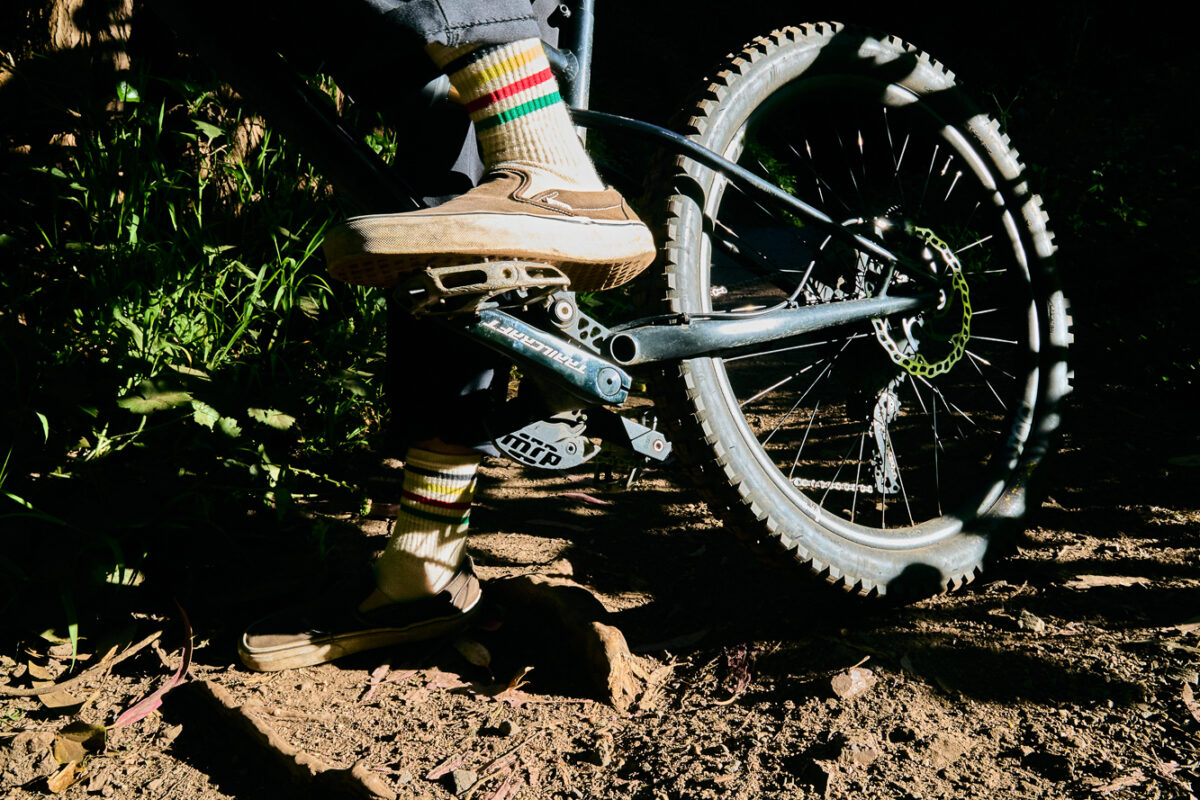
Dirt jump bike crank arms need to be strong and tough. They must handle hard landings and rough riding.
Choosing the right crank arms affects your bike’s performance and how long they last.
Impact Resistance
Crank arms face strong impacts from jumps and tricks. They must resist bending or breaking.
Materials like aluminum and chromoly steel offer good impact resistance for dirt jumping.
- Aluminum is light and strong but can crack under extreme stress.
- Chromoly steel is heavier but bends instead of breaking.
- Carbon fiber is light but may not handle hard impacts well.
Weight Considerations
Lighter crank arms help you jump higher and control the bike better.
But very light cranks can be less durable. Balance weight and strength for best results.
- Aluminum cranks are usually the lightest option.
- Chromoly steel cranks add weight but increase toughness.
- Steel cranks may feel heavier but last longer under stress.
Common Damage And Repairs
Crank arms often get scratched, bent, or cracked from dirt jumping.
Small damage can sometimes be fixed, but big cracks need replacement for safety.
- Scratches and paint chips do not affect strength.
- Bent crank arms can be straightened carefully.
- Cracked or broken cranks must be replaced immediately.
- Regularly check bolts and tighten them to avoid damage.
Credit: theradavist.com
Bottom Bracket Compatibility
Choosing the right crank for dirt jump bikes means checking bottom bracket compatibility. The bottom bracket connects the crank to the bike frame. It must fit well for smooth riding and good performance.
Different bikes use different bottom bracket types and sizes. Knowing these helps you select the right crank and avoid damage or poor fit.
Types Of Bottom Brackets
Bottom brackets come in various styles. Each type works with specific frame designs and cranksets. Common types include cartridge, external, and press-fit.
- Cartridge:Sealed unit, easy to install and replace.
- External:Bearings sit outside the frame for better strength.
- Press-fit:Bearings press directly into the frame without threads.
Installation Tips
Install bottom brackets carefully to avoid damage. Use the right tools and follow the correct steps for your type. Clean the frame shell before installation.
- Check frame specifications for the correct bottom bracket size.
- Apply grease or anti-seize on threads or surfaces to prevent corrosion.
- Tighten bolts or cups to the recommended torque settings.
- Make sure the crank spins smoothly without play or noise.
Maintenance For Performance
Regular maintenance keeps your bottom bracket working well. Dirt jump biking can cause dirt and water to enter the bearings. Cleaning and checking helps avoid problems.
- Clean the area around the bottom bracket often.
- Check for play or rough feeling in the crank.
- Replace bearings if you hear grinding or notice stiffness.
- Grease threads and parts during service to keep parts moving smoothly.
Popular Crank Brands
Dirt jump biking needs strong and reliable cranksets. Choosing the right crank can improve your ride. Many brands offer options that fit different styles and budgets.
This guide covers popular crank brands for dirt jumping. It highlights top choices, budget options, and high-end picks.
Top Choices Among Riders
Many riders trust certain brands for their performance and durability. These cranks are well tested in dirt jump communities.
- Race Face: Known for strong and lightweight cranks.
- Shimano Saint: Offers durability and smooth pedaling.
- Truvativ: Provides solid cranks with good value.
- Sram NX: Popular for reliable performance on a budget.
Budget-friendly Options
Riders with limited budgets can still find good cranksets. These brands balance cost and quality for dirt jumping.
| Brand | Model | Price Range | Key Feature |
| Funn | Crankster | Low | Strong aluminum build |
| Odyssey | Twist | Low to Mid | Good for street and dirt |
| Blackspire | Snaggletooth | Mid | Durable and stylish |
High-end Performance Picks
For advanced riders, high-end cranks offer top performance and light weight. These options are made with quality materials.
Some top high-end crank brands include:
- Race Face Atlas– Carbon fiber, very light and stiff.
- Shimano XTR– High durability with smooth operation.
- SRAM XX1 Eagle– Designed for precision and strength.
Customizing Your Crank Setup
Choosing the right crank setup for dirt jumping can improve your ride. A good setup matches your style and bike frame. It helps you jump higher and land safely.
Focus on chainring size, pedal type, and the balance between strength and weight. These parts affect how well you perform tricks and control your bike.
Choosing The Right Chainring
Chainring size affects your pedaling speed and control. Smaller chainrings make it easier to spin fast. Larger ones give more speed but need more effort.
- Choose a chainring between 25 to 30 teeth for dirt jumping.
- Smaller sizes help with quick jumps and tricks.
- Make sure the chainring fits your crank arm and bike chain.
Pedal Compatibility
Your pedals must match the crank arms and your riding style. Some pedals offer better grip and control. Others are lighter for easier spinning.
| Pedal Type | Best For | Weight |
| Flat Pedals | Quick foot release and tricks | Light to Medium |
| Clipless Pedals | Strong connection and power | Medium to Heavy |
| Platform Pedals | Good grip with shoes | Light to Medium |
Balancing Strength And Weight
Your crank setup should be strong enough to handle big jumps. At the same time, it should not be too heavy. A heavy setup slows you down and tires you quickly.
Consider these materials for cranks:
- Aluminum:Strong and light, common choice.
- Chromoly Steel:Very strong but heavier.
- Carbon Fiber:Very light, less common for dirt jump cranks.
Installation And Adjustment Tips
Choosing the right crank for your dirt jump bike is important. Proper installation and adjustment help your bike perform well.
This guide shows you how to install and adjust your dirt jump bike crank for a smooth ride.
Tools Needed
You need some basic tools to install your bike crank. These tools make the process easier and safer.
- Allen wrenches (usually 5mm and 8mm)
- Bottom bracket tool (if replacing the bottom bracket)
- Torque wrench for proper tightening
- Grease to prevent rust and ease installation
- Rubber mallet (optional for gentle tapping)
Step-by-step Installation
Start by removing the old crank using the correct tools. Clean the area well before putting on the new crank.
Apply a thin layer of grease to the spindle and threads. This prevents corrosion and makes future removal easier.
- Insert the crank onto the spindle carefully.
- Use the Allen wrench to tighten the crank bolt to the recommended torque.
- Make sure the crank arms are aligned straight across from each other.
- If your crank uses a pinch bolt, tighten it evenly to avoid damage.
- Spin the crank to check for smooth rotation without wobble.
Fine-tuning For Smooth Ride
Check the crank for any play or looseness after installation. Tighten bolts if you feel any movement.
Adjust the chainring position if needed to avoid chain drop. Use spacers if your crank allows it.
- Use a torque wrench to ensure all bolts are tight but not over-tightened.
- Test ride the bike and listen for any unusual noises.
- Recheck crank tightness after the first ride.
- Keep the crank clean and lubricated for long life.
Credit: www.royalmedicalsystems.in
Common Mistakes To Avoid
Choosing the right dirt jump bike crank is important for your riding experience. Many riders make simple errors that affect performance and safety.
This guide covers common mistakes to help you pick the best crank option for dirt jumping.
Incorrect Sizing
Using the wrong crank size can hurt your control and comfort. Cranks that are too long or too short make pedaling harder and affect your jumps.
- Too long crank arms reduce pedal clearance and increase injury risk.
- Too short crank arms lower your power output and control.
- Choose crank length based on your leg length and riding style.
- Test different sizes before buying to find your best fit.
Ignoring Maintenance
Many riders forget to keep their cranks clean and tight. Dirt and sweat can damage bearings and bolts over time.
| Maintenance Task | Why It Matters |
| Regular cleaning | Prevents dirt buildup and wear |
| Check bolt tightness | Keeps crank secure and safe |
| Lubricate bearings | Ensures smooth pedal rotation |
Overlooking Compatibility
Not all cranks fit every bike. Ignoring compatibility causes poor fit and damages parts.
Check these compatibility points before buying:
- Bottom bracket type and size
- Crank arm length that matches your frame
- Chainring size and mounting style
- Spindle length suitable for your bike

Credit: www.vitalmtb.com
Frequently Asked Questions
What Are The Best Crank Options For Dirt Jump Bikes?
The best crank options for dirt jump bikes are strong, lightweight, and durable. Popular choices include aluminum and chromoly cranks. These provide the right balance of strength and weight for jumps and tricks.
How To Choose Crank Length For Dirt Jumping?
Choose crank length based on your height and riding style. Shorter cranks (165-170mm) offer better clearance and faster pedal speed. Longer cranks provide more leverage but can hit obstacles during jumps.
Are Single Or Double Chainring Cranks Better?
Single chainring cranks are preferred for dirt jumping. They are lighter, simpler, and reduce chain drops. Double chainrings add weight and complexity, which is unnecessary for dirt jump bikes.
Can I Use Mountain Bike Cranks For Dirt Jumping?
Yes, many mountain bike cranks are suitable for dirt jumping. Ensure they are durable and have the correct length. Avoid lightweight XC cranks that may not withstand impact.
Conclusion
Choosing the right crank for dirt jumping is crucial. It affects performance and safety. Consider material, length, and weight. These factors influence your ride. Steel cranks offer durability. Aluminum cranks are lightweight. Length impacts leverage. Shorter cranks provide more control.
Longer cranks add power. Match your choice to your style and needs. Test different options if possible. Feel the difference firsthand. This helps you make an informed decision. Remember, the right crank can enhance your biking experience. Always prioritize quality and fit.
Happy riding!



