
Your dirt jump bike is built for excitement, but without proper chain maintenance, that thrill can quickly turn into frustration. You rely on your chain to perform flawlessly every time you hit the ramps and trails.
If your chain slips, rusts, or breaks, it can ruin your ride and even cause accidents. You want smooth, reliable rides that keep you coming back for more. That’s why knowing how to care for your dirt jump bike chain is essential.
In this guide, you’ll discover simple, effective steps to keep your chain clean, well-lubricated, and ready for action. Keep reading to ensure your bike stays in top shape and your jumps stay smooth.
Choosing The Right Chain
Maintaining your dirt jump bike chain is key to smooth rides and long bike life. Picking the right chain helps prevent problems and keeps your bike running well.
Choosing the right chain means thinking about the type, material, and size. These factors affect how your bike performs and how often you need to replace parts.
Chain Types For Dirt Jump Bikes
Dirt jump bikes often use specific chains made for tough impacts and jumps. These chains are strong and built for extra stress.
Single-speed chains are common because dirt jump bikes usually have one gear. These chains are thicker and less likely to break during jumps.
- Single-speed chains: thick and strong for one gear
- Multi-speed chains: thinner, used in bikes with many gears
- Half-link chains: adjustable length, good for custom setups
Material And Durability Factors
Chain material affects how long it lasts and how well it handles dirt and water. Most dirt jump bike chains are made of steel for strength.
Look for chains with rust-resistant coatings. These coatings help the chain last longer, especially if you ride in wet or muddy conditions.
- Steel: strong and durable
- Nickel-plated: resists rust and wear
- Chromium-coated: extra protection against corrosion
Sizing Your Chain Correctly
Choosing the right size chain is important for safe and smooth riding. A chain that is too short can break, and one too long can slip off.
Measure your bike’s chainstay length and gear setup before buying. You can also count the number of links on your old chain to find the right size.
- Measure the distance between the front and rear sprockets
- Count the links on your current chain
- Adjust length with half-link chains if needed

Credit: biketips.com
Tools Needed For Maintenance
Keeping your dirt jump bike chain clean and well-maintained is key. Using the right tools makes the job easier and better.
This guide lists the basic tools you need. It also suggests extra accessories for faster work.
Essential Tools Checklist
These tools help you clean and maintain your bike chain properly. They are easy to find and use.
- Chain cleaning brush – for scrubbing dirt off the chain
- Degreaser – to remove old grease and grime
- Chain lubricant – to keep the chain smooth and protected
- Rag or cloth – for wiping off dirt and excess oil
- Chain tool – for removing or adjusting chain links
- Gloves – to keep your hands clean and safe
Optional Accessories For Efficiency
These accessories are not required but help you work faster and cleaner. They improve your maintenance experience.
- Chain cleaning device – holds the chain for easier cleaning
- Cleaning stand – to hold your bike steady while working
- Small container – to soak the chain in degreaser
- Toothbrush – for detailed cleaning in hard spots
- Compressed air can – to dry the chain quickly
Cleaning Your Bike Chain
Keeping your dirt jump bike chain clean helps it last longer. Dirt and grime can wear down the chain fast.
Regular cleaning keeps your bike running smooth and safe. It also improves your riding experience.
Removing Dirt And Debris
Start by wiping the chain to remove loose dirt. Use a dry cloth or soft brush to clean hard spots.
Remove large debris like mud and small stones stuck between links. This prevents damage during rides.
- Use a stiff brush for tough dirt
- Use a toothpick or small tool for stuck debris
- Shake the bike gently to loosen dirt
Best Cleaning Solutions
Choose cleaning solutions that remove grease and dirt without harming the chain. Avoid harsh chemicals.
Common options include bike-specific degreasers and gentle household cleaners. Water alone is not enough.
- Bike degreaser (safe for metal parts)
- Dish soap mixed with warm water
- Isopropyl alcohol for quick cleaning
Step-by-step Cleaning Process
Follow these steps to clean your dirt jump bike chain properly. Take your time for the best results.
- Place the bike on a stand or lean it securely.
- Apply degreaser or cleaning solution to the chain.
- Use a brush to scrub all sides of the chain links.
- Rinse the chain with clean water to remove residue.
- Dry the chain fully with a clean cloth.
- Apply lubricant to the chain once it is dry.
Lubricating The Chain
Keeping your dirt jump bike chain lubricated helps it last longer. It also makes your rides smooth and quiet.
Regular lubrication prevents rust and reduces wear on the chain parts. You need the right tools and technique.
Types Of Lubricants
There are many lubricants made for bike chains. Pick one that fits your riding style and conditions.
- Wet Lubricants: Good for wet or muddy conditions. They stay on the chain longer but can attract dirt.
- Dry Lubricants: Best for dry, dusty trails. They don’t attract much dirt but wash off easily.
- Wax-Based Lubricants: Clean and quiet. They protect well but need frequent reapplication.
How Much Lubricant To Use
Use just enough lubricant to cover the chain links. Too much can cause dirt buildup and poor performance.
Apply a drop to each roller while turning the pedals backward slowly. This helps the lubricant reach inside.
Applying Lubricant Correctly
Clean your chain before applying lubricant. Use a brush or rag to remove dirt and old oil.
Apply the lubricant evenly on the inside of the chain. Wipe off any extra oil with a clean cloth to avoid dirt.
Inspecting For Wear And Damage
Regularly checking your dirt jump bike chain helps keep it working well. It also stops bigger problems.
Look closely for signs of wear and damage. This keeps your rides safe and smooth.
Signs Of Chain Stretch
Chain stretch happens when the links get longer from use. This makes the chain fit poorly on gears.
Check if the chain feels loose or skips while pedaling. These are common signs of stretch.
- Measure chain length with a ruler or tool
- Look for gaps between links that seem larger
- Notice slipping or skipping during rides
Checking For Rust And Corrosion
Rust and corrosion weaken the bike chain. They cause rough riding and can break the chain.
Look for brown or orange spots on the chain. Also, check if the chain feels sticky or rough.
- Clean the chain to remove dirt before inspection
- Check all sides of the chain for rust spots
- Replace the chain if rust covers many links
Identifying Broken Links
Broken links can stop your ride and cause crashes. It is important to find and fix them fast.
Look for links that do not move or are bent out of shape. Also, check for cracks or missing pins.
- Check each link by moving it back and forth
- Find stiff or stuck links that do not bend easily
- Look closely for cracks or missing parts
- Replace broken links or the whole chain if needed
Adjusting Chain Tension
Keeping your dirt jump bike chain at the right tension is key for smooth rides. Too loose or too tight chains can cause problems.
Learning how to adjust chain tension helps your bike last longer and ride better.
Why Proper Tension Matters
Proper chain tension stops the chain from slipping off your gears. It also prevents damage to the bike parts.
A chain that is too tight wears out faster. A loose chain can fall during jumps and cause accidents.
- Prevents chain slipping
- Reduces wear on gears and sprockets
- Improves pedaling efficiency
- Increases safety while riding
Methods To Adjust Tension
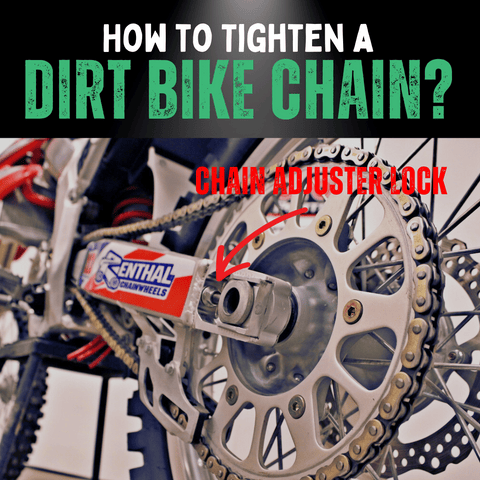
Most dirt jump bikes let you change chain tension by moving the rear wheel. This changes how tight the chain sits.
You can also adjust tension by using a chain tensioner if your bike has one. This tool keeps the chain tight automatically.
- Loosen rear axle nuts
- Pull the rear wheel backward to tighten the chain
- Push the wheel forward to loosen the chain
- Tighten the axle nuts once the chain feels right
- Use a chain tensioner if available
Avoiding Common Tension Mistakes
Do not make the chain too tight. It can cause extra friction and damage parts. Avoid a chain that is very loose too.
Check tension often because chains stretch over time. Always test by spinning the pedals and watching the chain.
- Do not over-tighten the chain
- Do not let the chain hang loose
- Check tension before each ride
- Make small adjustments for best results
- Keep the chain clean and lubricated
Replacing The Chain
Keeping your dirt jump bike chain in good shape is key. Over time, chains wear out and need replacing.
Replacing the chain helps your bike run smoothly and prevents damage to other parts.
When To Replace Your Chain
Chains stretch and wear down with use. Watch for signs that show your chain needs replacing.
- The chain skips or slips during pedaling.
- Rust or stiff links appear on the chain.
- The chain looks stretched or longer than normal.
- It has been over 2,000 miles since the last change.
Choosing A Replacement Chain
Pick a chain that fits your bike’s gears and style. Dirt jump bikes often use single-speed chains.
Check the number of speeds your bike has. Chains for 1-speed bikes differ from those for multi-speed bikes.
- Use a single-speed chain for one gear bikes.
- Choose a chain that matches your bike’s speed count.
- Opt for durable chains made for off-road riding.
Installation Tips
Clean the bike and chain area before installing the new chain. This helps it work well.
Use a chain tool to remove the old chain and connect the new one. Make sure the length fits your bike.
- Check the chain length by wrapping it around the largest sprockets.
- Use a chain breaker tool to shorten or join the chain.
- Lubricate the new chain to reduce friction and wear.
- Test the bike by pedaling to ensure smooth shifting.

Credit: biketips.com
Maintenance Schedule Tips
Keeping your dirt jump bike chain in good shape helps your rides stay smooth. A regular maintenance schedule makes the chain last longer and perform better.
Follow simple tips to know when and how to clean and lubricate your bike chain. This guide covers timing based on conditions, seasons, and tracking your work.
Frequency Based On Riding Conditions
The dirt and dust from jumps can wear your chain faster. Riding in wet or muddy places needs more care. Dry and clean trails mean less frequent maintenance.
- After muddy or wet rides, clean and lubricate the chain immediately.
- If you ride on dry dirt tracks, clean your chain every 3 to 5 rides.
- Inspect the chain for rust or stiffness before each ride.
- Use a brush and degreaser to remove dirt and grime regularly.
Seasonal Maintenance Advice
Each season affects your bike chain differently. Cold weather can cause the chain to stiffen. Hot and dry months increase dust buildup.
| Season | Maintenance Tips | Frequency |
|---|---|---|
| Spring | Clean off winter grime, lubricate well | Monthly |
| Summer | Remove dust often, check for wear | Every 3 rides |
| Fall | Watch for mud, clean and dry chain | Weekly |
| Winter | Protect from rust, use wet lube | After every ride |
Tracking Your Maintenance
Keeping track helps you avoid missing cleanings or lubrication. Use simple tools to log your bike chain work and riding days.
Common Problems And Fixes
Dirt jump bikes face tough conditions that can cause chain problems. Proper chain care helps keep your ride smooth and safe.
Below are common chain issues and easy fixes to keep your bike performing well on every jump.
Chain Slippage Issues
Chain slipping happens when the chain jumps over the teeth of the gears. This can cause loss of control and damage.
- Check if the chain is worn out or stretched and replace if needed.
- Inspect the cassette and chainrings for worn teeth and replace if damaged.
- Adjust the derailleur to ensure proper tension and alignment.
- Clean and lubricate the chain regularly to avoid slipping caused by dirt.
Noise Troubleshooting
Noise from your chain can signal several problems. Identifying the source helps fix it quickly.
| Noise Type | Possible Cause | Fix |
| Squeaking | Dry chain or dirt buildup | Clean and lubricate chain |
| Grinding | Worn gears or chain | Replace worn parts |
| Clicking | Loose chain or misaligned derailleur | Tighten and adjust derailleur |
| Rattling | Chain too loose | Increase chain tension |
Preventing Chain Drop
Chain drop happens when the chain falls off the chainring. It can stop your ride and damage your bike.
- Make sure the chainring bolts are tight.
- Use a chain guide to keep the chain in place.
- Keep the chain and drivetrain clean to prevent slipping.
- Check chain length; too long chains can drop easily.
- Inspect the derailleur hanger for bends and fix if needed.

Credit: riiroo.com
Frequently Asked Questions
How Often Should I Clean My Dirt Jump Bike Chain?
Clean your dirt jump bike chain every 2-3 rides or after muddy conditions. Regular cleaning prevents rust and improves performance, ensuring a longer chain life and smoother rides.
What Is The Best Lubricant For Dirt Jump Bike Chains?
Use a wet lubricant for muddy or wet conditions and a dry lube for dusty trails. Proper lubrication reduces friction, prevents rust, and extends your chain’s durability.
How Do I Check If My Bike Chain Needs Replacement?
Check for chain stretch using a chain checker tool or measure 12 links. If the chain is stretched beyond 0. 5%, it’s time to replace to avoid drivetrain damage.
Can I Use Household Oil For My Bike Chain?
No, household oils are not suitable as they attract dirt and can damage the chain. Always use bike-specific lubricants for optimal chain performance and longevity.
Conclusion
Maintaining your dirt jump bike chain is essential for smooth rides. Regular cleaning prevents rust and wear. Lubricate the chain to ensure longevity and performance. Check for damage or stretched links often. This keeps your bike safe and efficient. A well-maintained chain saves you time and money in the long run.
You’ll enjoy biking more with less hassle. A few simple steps make all the difference. Keep your dirt jump bike in top shape. Happy riding!



