
Are you ready to take your dirt jumping skills to the next level? Your bike chain is one of the most important parts keeping you in control and landing smooth jumps.
But if it’s not set up right, you could face frustrating slips, noisy rides, or even crashes. In this guide, you’ll learn exactly how to choose, maintain, and adjust your dirt jump bike chain so it performs perfectly every time.
Stick with me, and you’ll ride safer, jump higher, and enjoy every moment on your bike like never before. Let’s get your chain dialed in!
Choosing The Right Chain
Picking the right chain is key for dirt jump bikes. The chain must be strong and fit your bike well.
A good chain helps you ride smoothly and keeps your bike safe on jumps.
Chain Types For Dirt Jumping
There are several chain types made for dirt jumping. Choose one that suits your riding style and bike.
Single-speed chains are common for dirt jump bikes because they are simple and strong.
- Single-speed chains: Thick and durable for jumping
- Multi-speed chains: For bikes with gears, lighter but less strong
- Heavy-duty chains: Extra strong, made for rough riding
Durability And Strength Factors
Durability is important because dirt jumping puts stress on the chain. Strong chains last longer.
Look for chains made from hardened steel and with thick plates to resist wear and breakage.
- Hardened steel resists stretching and breaking
- Thicker plates add strength to the chain
- Rust-resistant coatings improve lifespan
- Good pins and rollers reduce wear
Chain Compatibility With Bikes
Chains must fit your bike’s drivetrain. Check the number of speeds and chain width before buying.
Single-speed bikes need wider chains. Multi-speed bikes use narrower chains to fit cogs properly.
| Bike Type | Chain Type | Chain Width |
|---|---|---|
| Single-speed Dirt Jump | Single-speed chain | 1/8 inch (3.18 mm) |
| 7-9 Speed Bikes | Multi-speed chain | 7.1 – 7.3 mm |
| 10-12 Speed Bikes | Narrow multi-speed chain | 5.5 – 6.6 mm |

Credit: riiroo.com
Chain Installation Tips
Installing a dirt jump bike chain is key for smooth rides. A properly installed chain keeps your bike running well and safe.
Follow simple steps and use the right tools to install your chain correctly. Avoid common mistakes to save time and effort.
Tools Needed For Installation
Using the right tools makes chain installation easier and more accurate. Gather these before you start.
- Chain tool or chain breaker
- Master link pliers (if your chain uses a master link)
- Bike grease or lubricant
- Clean rag or cloth
- Gloves to keep hands clean
Step-by-step Installation Process
Install your chain by following these clear steps. Take your time for a safe and smooth fit.
- Clean the chain and drivetrain before installation.
- Wrap the chain around the chainring and rear cog.
- Check the chain length; it should be slightly longer than needed.
- Use the chain tool to remove extra links if needed.
- Connect the chain ends using the master link or by pressing the pin with the chain tool.
- Lubricate the chain lightly to reduce friction.
- Spin the pedals and shift gears to check chain movement.
Common Installation Mistakes
Watch out for these mistakes to avoid chain problems later. Fixing them early saves you effort.
- Using the wrong chain length can cause slipping or damage.
- Not lubricating the chain leads to fast wear and noise.
- Forcing the chain tool pin can break the chain.
- Skipping a clean drivetrain makes installation harder.
- Ignoring the master link direction causes poor connection.
- Failing to test the chain after installation risks failure on rides.
Maintenance For Peak Performance
Keeping your dirt jump bike chain clean and well-lubricated is key to smooth rides. Proper maintenance helps avoid chain wear and breakage.
This guide covers cleaning, lubrication, and inspection to keep your chain in top shape.
Cleaning Your Bike Chain
Regular cleaning removes dirt and grime that damage the chain. Use a brush and degreaser for best results.
- Shift the bike to the smallest gear
- Apply degreaser to the chain
- Scrub the chain with a stiff brush
- Rinse with water and dry completely
Lubrication Techniques
Lubricate your chain after cleaning to reduce friction and prevent rust. Use the right type of lubricant for dirt jumping.
| Lubricant Type | Best Use | Application Tip |
| Wet Lube | Wet and muddy conditions | Apply sparingly to avoid dirt buildup |
| Dry Lube | Dry and dusty trails | Wipe off excess after application |
| Wax-Based | Clean, dry rides | Reapply often for best protection |
Regular Inspection Points
Check your chain often for signs of wear to avoid damage during rides.
- Look for stiff or rusted links
- Measure chain stretch with a ruler or chain checker tool
- Inspect for missing or damaged rollers
- Check chain tension and adjust if needed
Troubleshooting Chain Issues
Dirt jump biking demands a strong and reliable chain. Chain issues can stop your ride or cause accidents. Learn how to spot and fix common problems fast.
In this guide, we cover fixing chain slippage, dealing with chain breaks, and adjusting chain tension. Each section has easy tips to keep your bike ready.
Fixing Chain Slippage
Chain slippage happens when the chain skips over the gears. This can make pedaling uneven and reduce control.
- Check if the chain or gears are worn out. Replace if needed.
- Clean dirt and grime from the chain and cassette.
- Lubricate the chain regularly to keep it smooth.
- Inspect the derailleur for proper alignment.
- Tighten any loose bolts on the drivetrain.
Dealing With Chain Breaks
A broken chain stops your ride immediately. Fixing it quickly lets you get back on track.
| Tool Needed | Purpose |
| Chain Tool | Remove and rejoin chain links |
| Spare Quick Link | Replace broken chain link |
| Gloves | Protect hands during repair |
Use the chain tool to push out the broken link. Insert a spare quick link to connect the chain again. Test the chain for smooth movement before riding.
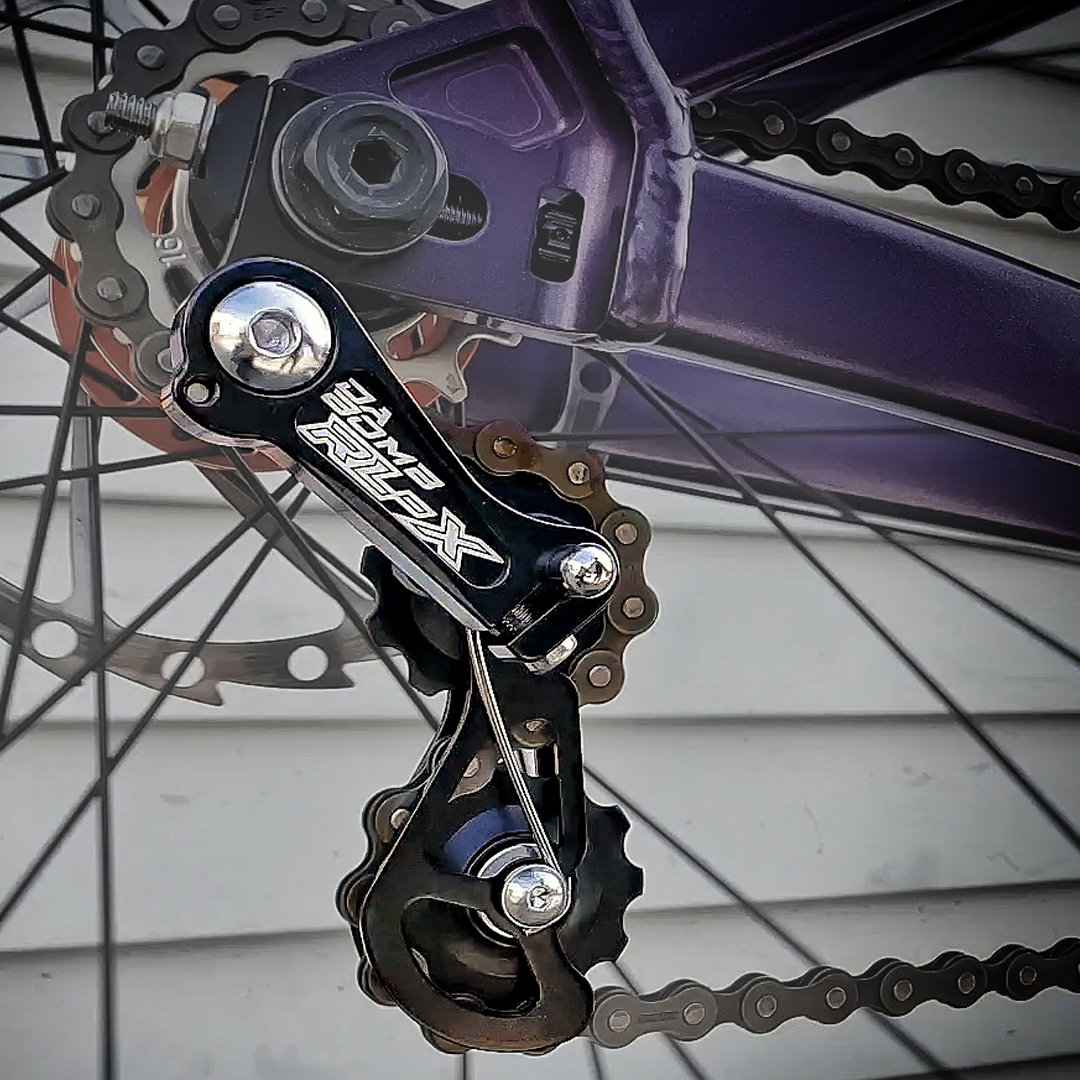
Adjusting Chain Tension
Proper chain tension prevents slipping and wear. Too loose or too tight chains cause problems.
Follow these steps to adjust chain tension:
- Shift to the smallest gear to release tension.
- Loosen the rear axle nuts slightly.
- Pull the rear wheel backward to tighten the chain.
- Check chain slack; it should move about 1/2 inch up and down.
- Tighten the axle nuts securely.
- Spin the pedals to ensure the chain runs smoothly.
Upgrading Your Chain Setup
Improving your dirt jump bike chain setup can make your rides smoother. A good chain setup helps you avoid chain drops and keeps your bike reliable.
Focus on the chain quality, guides, and customization to get better control on your jumps and landings.
High-performance Chain Options
Choose a chain made for heavy impacts and dirt jumps. These chains often have thicker plates and stronger pins to handle stress.
- Use chains with reinforced side plates for durability
- Select rust-resistant coatings to prevent wear
- Consider chains designed for single speed setups
- Look for brands trusted by dirt jump riders
Benefits Of Chain Guides
Chain guides keep your chain from slipping off the chainring. They are key for rough terrains and big landings.
| Type | Use Case | Pros |
| Top-Only Guide | Light jumps | Lightweight, simple |
| Full Chainguide | Hard landings | Best chain retention |
| Single Speed Guide | Single speed bikes | Minimal design, strong hold |
Customizing For Better Control
Adjust your chain setup to suit your riding style. Proper tension and guide placement improve control and reduce chain noise.
- Keep chain tension firm but not too tight.
- Align chain guide close to the chainring for better hold.
- Use chain lube to reduce friction and wear.
- Check chain wear regularly and replace if stretched.
Credit: www.redbull.com
Safety Tips For Dirt Jumping
Dirt jumping is an exciting sport that needs care and caution. Keeping safe helps you enjoy every jump. Protecting your bike’s chain is also very important.
Follow these tips to stay safe and keep your bike chain working well. Use the right gear and check your chain before riding. Learn riding methods that protect your chain too.
Protective Gear Essentials
Wearing proper protective gear reduces injury risk. Always wear a helmet made for dirt jumping. Gloves help grip the handles and protect your hands. Knee and elbow pads prevent scrapes and bruises.
- Helmet with full face protection
- Durable gloves for grip and safety
- Knee pads to shield your joints
- Elbow pads for added protection
- Sturdy shoes with good grip
Pre-ride Chain Checks
Before each ride, inspect your bike chain closely. A well-maintained chain lasts longer and performs better. Check for dirt, rust, or damage on the links and rollers.
| Check Point | What to Look For |
| Chain Tension | Chain should not be too loose or tight |
| Rust or Dirt | Clean and lubricate if dirty or rusty |
| Chain Wear | Look for stretched or damaged links |
| Chainring and Sprocket | Teeth should not be worn or broken |
Riding Techniques To Protect The Chain
Good riding habits keep your chain safe during jumps. Avoid sudden gear changes in mid-air. Land smoothly to reduce chain stress. Pedal steadily and avoid overloading the chain.
- Shift gears only when wheels touch the ground
- Land softly to protect the bike’s drivetrain
- Keep pedals level in the air
- Use proper body position to control jumps
- Maintain steady pedaling rhythm
Credit: www.dabombmtb.com
Frequently Asked Questions
How Often Should I Clean My Dirt Jump Bike Chain?
Clean your dirt jump bike chain every 1-2 weeks for optimal performance. Frequent cleaning prevents dirt buildup and prolongs chain life. Use a degreaser and a brush to remove grime. Always dry the chain thoroughly before lubricating it to avoid rust.
What Type Of Lubricant Is Best For Dirt Jump Bike Chains?
Use a wet lubricant for muddy or wet conditions and a dry lubricant for dusty or dry trails. Choose a lubricant designed specifically for bike chains to ensure smooth operation and long-lasting protection against wear and rust.
How Do I Know When To Replace My Dirt Jump Bike Chain?
Replace your chain if it shows visible signs of wear, rust, or stretching. Use a chain checker tool to measure elongation. A worn chain can damage your bike’s drivetrain, reducing performance and increasing maintenance costs.
Can I Use A Regular Bike Chain For Dirt Jumping?
While regular chains can work, it’s better to use a heavy-duty chain designed for dirt jumping. These chains are stronger and more durable, handling the stress and impacts from jumps and rough trails more effectively.
Conclusion
Dirt jumping bike chains need regular care and attention. Keep your chain clean and well-lubricated for smooth rides. Check for wear and replace parts when needed. A good chain helps you jump with confidence and safety. Practice often to improve your skills and enjoy the sport.
Remember, simple steps keep your bike ready for action. Stay safe, ride smart, and have fun on every jump.



