
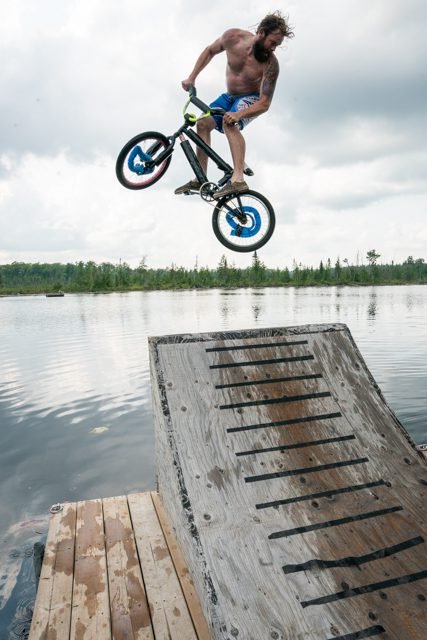
If you love dirt jumping, you know how important it is to keep your bike in top shape. Your bike takes a lot of hits, and without proper care, it can wear out fast or even fail when you need it most.
Imagine landing a big jump and your bike letting you down—that’s the last thing you want. You’ll discover simple, effective tips to keep your dirt jump bike strong, smooth, and ready for action. Stick with me, and your bike will thank you with better performance and longer life.
Let’s dive into the must-know bike care secrets that every dirt jumper needs!

Credit: alpkit.com
Choosing The Right Dirt Jump Bike
Picking the right dirt jump bike is key for a good ride. Your bike should fit your style and the jumps you want to do.
Look at the frame, suspension, wheels, and tires. These parts affect how the bike handles and feels.
Frame Materials And Geometry
Frames come in different materials like aluminum or steel. Aluminum is light and strong. Steel is tougher but heavier.
Geometry means the shape and size of the frame. A compact frame helps with control and tricks. A longer frame adds stability.
- Aluminum frames: light and stiff
- Steel frames: strong and durable
- Short frames: easy to maneuver
- Long frames: more stable at speed
Suspension Types
Dirt jump bikes usually have either no suspension or a front suspension fork. No suspension means less weight and more control.
Front suspension helps absorb big landings. It makes jumps softer but adds some weight. Rear suspension is rare on dirt jump bikes.
- No suspension: lighter and more precise
- Front suspension: absorbs shocks from jumps
- Rear suspension: mostly not used for dirt jumps
Wheel Size And Tire Selection
Most dirt jump bikes have 24 or 26-inch wheels. Smaller wheels are quicker and easier to spin. Larger wheels roll over obstacles better.
Choose tires with good grip and the right width. Wider tires give more control and absorb bumps. Tread should match the dirt type.
- 24-inch wheels: agile and light
- 26-inch wheels: stable and smooth
- Wide tires: better grip and comfort
- Tread types: smooth for hard dirt, knobby for loose dirt
Essential Maintenance Tools
Dirt jump bikes need regular care to keep them safe and fun. Having the right tools helps you fix problems fast.
This guide covers basic tools, lubricants, cleaners, and spare parts to carry for your bike.
Basic Toolkit Essentials
Keep a small toolkit with you. It should have tools for common repairs and adjustments.
- Allen wrenches in different sizes for bolts
- Tire levers to remove tires easily
- A portable pump to keep tires firm
- A multi-tool with screwdrivers and wrenches
- A chain breaker for fixing broken chains
Lubricants And Cleaners
Lubricants keep your bike moving smoothly and protect parts from wear. Cleaners remove dirt and grime that cause damage.
Choose products made for bikes. Use lubricants on chains and moving parts. Cleaners help keep the bike frame and components clean.
- Chain lubricant for smooth pedaling
- All-purpose bike cleaner for frames and parts
- Degreaser to remove old grease and dirt
- Clean rags or brushes for scrubbing
Spare Parts To Carry
Carrying spare parts helps fix small issues during rides. This saves time and avoids walk-backs.
Choose small, easy-to-carry parts that you might need often on dirt jumps.
- Spare inner tubes for flat tires
- Tire patches for quick repairs
- Extra chain links or quick links
- Spare brake pads in case of wear
- Replacement bolts for loose or lost ones
Cleaning Your Dirt Jump Bike
Cleaning your dirt jump bike keeps it working well and looking good. Dirt and mud can wear out parts fast.
Regular cleaning helps you find problems early. It also makes your rides smoother and safer.
Proper Washing Techniques
Use a gentle spray of water to rinse off loose dirt. Avoid high-pressure water that can damage parts.
Use a soft brush and bike cleaner to scrub the frame and components. Clean the chain with a degreaser for best results.
- Rinse bike with low-pressure water
- Apply bike-specific cleaner or mild soap
- Use soft brushes for scrubbing
- Clean the chain with a degreaser
- Rinse off all soap carefully
Avoiding Water Damage
Keep water away from sensitive parts like bearings and suspension seals. Water can cause rust and damage.
Turn your bike upside down or on its side to avoid water entering the headset and bottom bracket areas.
- Do not spray water directly on bearings
- Avoid soaking suspension seals
- Cover the headset and bottom bracket if possible
- Use a cloth to clean tight spots
Drying And Protecting Components
After washing, dry your bike well with a clean cloth. Moisture left on parts can cause rust and wear.
Apply bike lubricant to the chain and moving parts to protect them from moisture and dirt.
- Use a soft cloth to dry the bike
- Focus on drying chain, gears, and brakes
- Apply lubricant to chain and pivot points
- Wipe off excess lubricant to avoid dirt
Credit: www.singletracks.com
Lubrication And Chain Care
Taking care of your dirt jump bike chain helps it last longer. Proper lubrication keeps the chain running smoothly. Dirt and grime can cause wear and tear quickly.
Regular maintenance of the chain ensures safe and efficient riding. This guide covers how to pick lubricants, clean the chain, and how often to lubricate it.
Choosing The Right Lubricant
Pick a lubricant made for bike chains. It should protect against dirt and water. Avoid thick greases that attract dirt. Thin oils can dry too fast and leave the chain dry.
- Wet lubricants work well in rainy or muddy conditions.
- Dry lubricants are best for dry and dusty trails.
- Wax-based lubricants keep the chain clean longer.
Cleaning The Chain
Cleaning the chain removes dirt and old lubricant. Use a brush and degreaser for best results. Wipe the chain dry before applying new lubricant.
| Cleaning Step | Tools Needed |
|---|---|
| Remove dirt and mud | Soft brush or old toothbrush |
| Apply degreaser | Bike-specific degreaser or mild detergent |
| Scrub chain links | Brush or chain cleaning tool |
| Rinse with water | Low pressure water spray |
| Dry chain thoroughly | Clean rag or air dry |
Lubrication Frequency
Lubricate the chain often for smooth riding. Riding in wet or dusty places means more lubrication is needed. After cleaning the chain, always apply lubricant.
- Lubricate after every few rides in dry weather.
- Apply lubricant after every ride in wet or muddy conditions.
- Check chain for dryness or noise before rides.
- Wipe off extra lubricant to prevent dirt buildup.
Brake Maintenance Tips
Keeping your dirt jump bike brakes in good shape is key for safety. Regular care helps your brakes work well every ride.
Brake maintenance includes checking pads, adjusting tension, and bleeding hydraulic systems. Each part needs attention for smooth stopping power.
Inspecting Brake Pads
Brake pads wear down after many jumps and landings. Check them often to avoid poor stopping power.
- Look for pad thickness less than 3mm
- Check for uneven wear or cracks
- Listen for squealing sounds when braking
- Replace pads if worn or damaged
Adjusting Brake Tension
Proper brake tension keeps the brakes responsive. Too loose or tight tension can cause issues.
| Problem | Cause | Adjustment |
| Brake lever too soft | Loose cable or low tension | Tighten brake cable |
| Brake lever too hard | Excess tension or stuck pads | Loosen brake cable or clean pads |
| Brake drags | Too tight pads or misalignment | Adjust pad position |
Bleeding Hydraulic Brakes
Hydraulic brakes need bleeding to remove air bubbles. Air lowers brake power and feel.
- Gather bleed kit and brake fluid
- Attach syringe to brake caliper
- Push fluid through to remove air
- Refill reservoir and tighten all parts
- Test brakes before riding
Tire And Wheel Upkeep
Taking care of your dirt jump bike’s tires and wheels keeps your ride smooth and safe. Regular checks help you avoid problems on the trail.
Simple maintenance can extend the life of your tires and wheels. Let’s look at how to check pressure, inspect damage, and true your wheels.
Checking Tire Pressure
Keep your tires at the right pressure for better control and less damage. Use a reliable pressure gauge to check before each ride.
Underinflated tires can cause flats and poor handling. Overinflated tires reduce grip and comfort.
- Check pressure when tires are cold
- Use the pressure range printed on the tire sidewall
- Adjust pressure based on terrain and weight
Inspecting For Damage
Look for cuts, cracks, or tears on the tire surface. These can cause flats or blowouts during jumps.
Check the wheel rims for dents or bends. Damaged rims affect wheel strength and bike control.
- Run your hands over the tire for rough spots
- Look inside the tire for sidewall damage
- Spin the wheel to spot rim wobbles or dents
Truing The Wheels
Truing means fixing the wheel so it spins straight. A true wheel improves bike stability and brake performance.
You can use a truing stand or do it on the bike with a brake pad as a guide. Tighten or loosen spokes to correct wobbles.
- Spin the wheel and watch the rim near brake pads
- Tighten spokes on the side where the rim moves away
- Loosen spokes where the rim moves closer
- Make small adjustments to avoid over-tightening
Suspension Setup And Care
Keeping your dirt jump bike suspension in good shape improves ride control. Proper care helps your bike handle tough landings and rough trails.
Focus on setting suspension correctly and doing regular cleaning and maintenance. This makes your bike safer and more fun to ride.
Adjusting Suspension Settings
Adjust your suspension to fit your weight and riding style. This keeps your bike stable and smooth during jumps.
- Set the sag to about 25-30% of total travel.
- Adjust rebound to control how fast the suspension returns.
- Set compression to manage how the suspension reacts to bumps.
- Test the bike after adjustments and fine-tune as needed.
Cleaning Forks And Shocks
Clean your suspension parts often to stop dirt from causing damage. Use a soft cloth and mild cleaner around seals and stanchions.
- Wipe down forks and shocks after every ride.
- Avoid using high-pressure water near seals.
- Check seals for cracks or leaks regularly.
- Keep the stanchions free of scratches and dirt.
Regular Suspension Servicing
Schedule regular servicing to keep suspension parts working well. This includes oil changes, seal replacement, and inspection of internal parts.
| Service Task | Recommended Interval |
| Oil Change | Every 50 hours of riding |
| Seal Inspection and Replacement | Every 100 hours or if leaking |
| Full Suspension Overhaul | Every 200 hours or yearly |
Frame And Component Inspection
Regular inspection of your dirt jump bike frame and parts keeps it safe and strong. Checking early stops bigger problems and costly repairs.
Focus on finding cracks, tightening bolts, and swapping worn parts. This helps your bike perform well every time.
Detecting Cracks And Wear
Look closely at the frame and key components for cracks or damage. Pay special attention to welds and joints where stress is high.
- Clean the frame before inspection to see small cracks.
- Use a bright light and magnifying glass if needed.
- Check suspension parts and fork for signs of wear.
- Listen for unusual noises while riding that may show damage.
Tightening Bolts And Fasteners
Loose bolts can cause parts to move or fall off. Check all bolts and fasteners regularly for tightness using the right tools.
| Component | Recommended Torque (Nm) |
| Stem Bolts | 5-8 |
| Seat Clamp | 5-7 |
| Brake Calipers | 6-8 |
| Pedals | 35-40 |
| Crank Bolts | 30-35 |
Replacing Worn Parts
Replace parts that show wear or damage to keep your bike safe and smooth.
- Swap out tires with worn tread or sidewall cuts.
- Change brake pads if stopping power weakens.
- Replace chains and cassettes that skip or rust.
- Check bearings for roughness and replace if needed.
Storage And Transport Tips
Taking care of your dirt jump bike means storing and moving it the right way. Proper storage and transport keep your bike safe and ready to ride.
Follow simple tips to avoid damage and keep your bike in top shape over time.
Protecting Your Bike During Storage
Store your dirt jump bike in a dry place away from direct sunlight. This stops rust and fading of parts.
Keep the bike off the ground to avoid moisture damage on the tires and frame.
- Use a bike stand or wall mount
- Cover the bike with a breathable cloth
- Check tires for proper inflation before storing
- Clean the bike to remove dirt and mud
Safe Transport Practices
Use a bike rack or a padded bag to transport your dirt jump bike safely. This prevents scratches and damage.
Secure the bike tightly to avoid movement during transport. Loose bikes can get damaged or cause accidents.
- Remove or secure loose parts like pedals and handlebars
- Use foam or padding to protect the frame
- Check the bike is stable before driving
- Cover the bike if exposed to rain or dust
Seasonal Care Adjustments
Change your bike care based on the season to keep it working well. Cold and wet weather need extra attention.
In winter, clean the bike often to remove salt and dirt. In summer, check for dry parts and lubricate moving pieces.
- Winter: Use rust protection spray and store indoors
- Spring: Inspect brakes and tires before riding
- Summer: Keep chain lubricated and tires inflated
- Fall: Clean and prepare bike for storage
Credit: www.bikemag.com
Frequently Asked Questions
How Often Should I Clean My Dirt Jump Bike?
Clean your dirt jump bike after every ride to remove dirt and grime. Regular cleaning prevents rust and keeps parts working smoothly.
What Type Of Lubricant Is Best For Dirt Jump Bikes?
Use a high-quality bike-specific lubricant for chains and moving parts. Avoid heavy oils that attract dirt and dry quickly for better performance.
How Do I Check For Damage After Dirt Jumping?
Inspect the frame, wheels, and suspension for cracks or dents. Check bolts and handlebars for tightness to ensure safety and bike longevity.
When Should I Replace Dirt Jump Bike Tires?
Replace tires when tread is worn or sidewalls show cracks. Worn tires reduce grip and increase the risk of accidents on jumps.
Conclusion
Caring for your dirt jump bike ensures it lasts longer. Regular checks and cleanings prevent costly repairs. Keep your tires inflated and your chain lubricated. Inspect brakes and gears for smooth rides. Tighten bolts and screws to avoid accidents. Store your bike properly to protect it from weather damage.
With these simple tips, your bike stays in great condition. Enjoy safer and more fun rides every time. Remember, a little care goes a long way. Keep riding and stay safe!



