
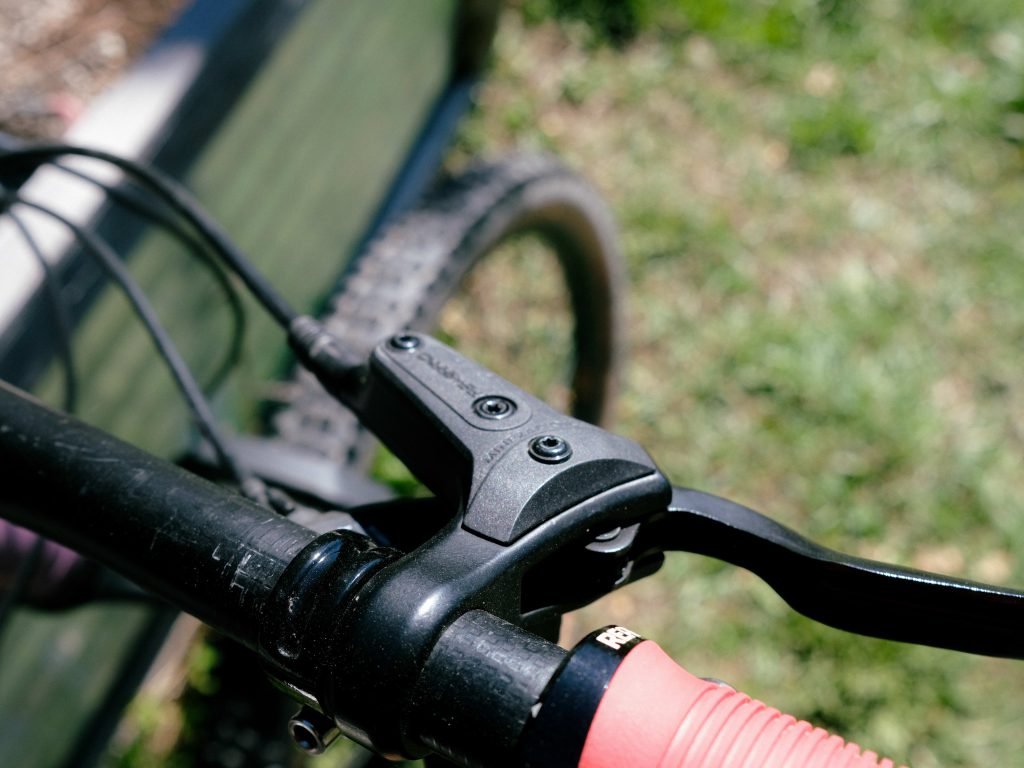
When it comes to dirt jumping, your bike’s brakes can make all the difference between smooth landings and unexpected wipeouts. You might be wondering which brake options suit your style best or how to upgrade your setup for better control and safety.
Choosing the right brakes isn’t just about stopping power—it’s about confidence, precision, and enjoying every jump without hesitation. You’ll discover the key brake options for dirt jump bikes and learn how to pick the perfect one for your rides. Ready to take your jumps to the next level?
Let’s dive in.
Types Of Dirt Jump Bike Brakes
Dirt jump bikes need strong brakes for safety and control. Choosing the right brake type helps you stop fast on dirt tracks. This guide covers common brake types for dirt jump bikes.
We will look at rim brakes, disc brakes, and the difference between hydraulic and mechanical systems.
Rim Brakes
Rim brakes press brake pads against the bike’s wheel rim. They are lighter and cheaper than disc brakes. Rim brakes work well in dry conditions but can lose power in mud or rain.
They are easier to maintain and adjust, which makes them popular for beginners.
Disc Brakes
Disc brakes use a rotor on the wheel hub and calipers to stop the bike. They offer stronger and more consistent braking in all weather. This makes disc brakes common on dirt jump bikes.
- Better stopping power in mud and rain
- Less wear on wheel rims
- More precise control
- Usually heavier and more costly than rim brakes
Hydraulic Vs Mechanical
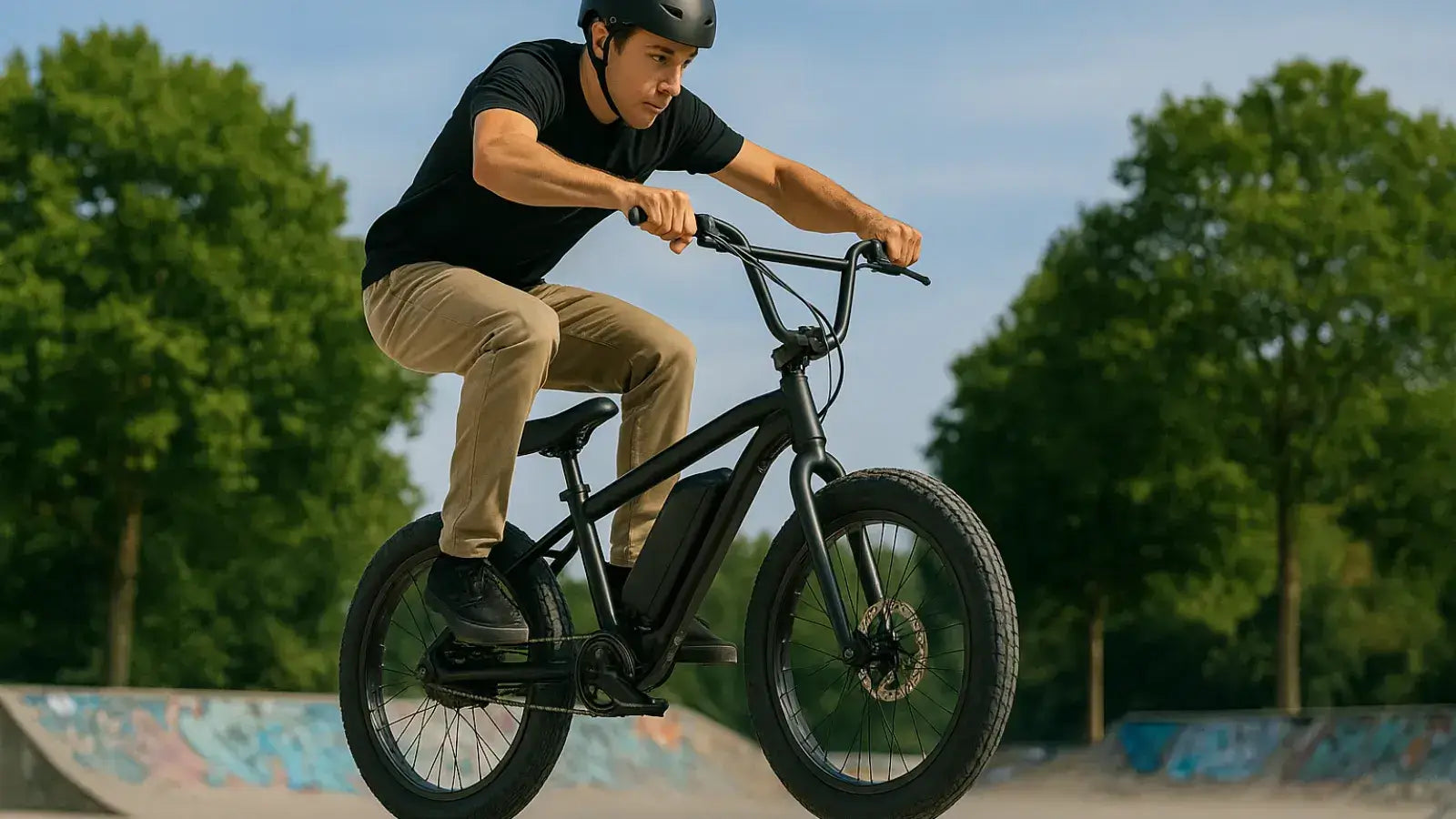
Hydraulic brakes use fluid to move brake pads. Mechanical brakes use cables. Both types can be rim or disc brakes.
| Brake Type | Advantages | Disadvantages |
| Hydraulic | Strong, smooth braking; low maintenance | More expensive; harder to fix on trail |
| Mechanical | Simple design; easy to fix and adjust | Less powerful; cable can stretch or wear |
Credit: leoguarbikes.com
Factors To Consider When Choosing Brakes
Choosing the right brakes for your dirt jump bike is important for safety and control. Different brake types offer various benefits. Understanding key factors can help you pick the best option.
This guide explains what to think about when selecting brakes. Focus on stopping power, weight and size, maintenance needs, and budget constraints.
Stopping Power
Stopping power means how well brakes can slow or stop your bike. Good stopping power helps you control your speed on jumps and land safely.
- Hydraulic disc brakes usually offer strong stopping power.
- Mechanical disc brakes provide good control but less power than hydraulic.
- Rim brakes are lighter but less effective in wet or muddy conditions.
Weight And Size
Brakes add weight to your bike. Lighter brakes help with jumps and tricks. Size also matters to fit your bike frame and wheels.
| Brake Type | Average Weight | Size Notes |
| Hydraulic Disc | 600-800 grams | Bulkier due to calipers |
| Mechanical Disc | 500-700 grams | Moderate size |
| Rim Brakes | 200-400 grams | Compact and lightweight |
Maintenance Needs
Some brakes need more care than others. Regular checks keep brakes working well and safe.
Maintenance tips for common brake types:
- Hydraulic Disc:Check fluid levels and bleed brakes yearly.
- Mechanical Disc:Adjust cable tension often and replace worn pads.
- Rim Brakes:Clean rims and replace brake pads regularly.
Budget Constraints
Brakes come in many price ranges. Decide how much to spend based on features and quality.
- Hydraulic disc brakes are usually the most expensive.
- Mechanical disc brakes cost less but still offer good performance.
- Rim brakes are the cheapest option but less durable in tough conditions.
Pros And Cons Of Rim Brakes
Rim brakes are a common choice for dirt jump bikes. They work by pressing brake pads against the wheel rim to slow down or stop the bike. Understanding their advantages and limitations helps riders choose the right brake system.
This section covers the main pros and cons of rim brakes for dirt jumping.
Advantages
Rim brakes offer several benefits that make them popular for dirt jump bikes.
- Lightweight:Rim brakes add less weight to the bike, helping with jumps and tricks.
- Simple Design:They have fewer parts, which makes them easy to maintain.
- Cost-Effective:Rim brakes are usually cheaper than disc brake systems.
- Easy Adjustment:Adjusting brake tension and pad alignment is straightforward.
- Good Modulation:They provide smooth control over braking force.
Limitations
Despite their benefits, rim brakes have some drawbacks to consider.
| Limitation | Description |
|---|---|
| Reduced Performance in Wet Conditions | Water or mud on rims lowers braking power and increases stopping distance. |
| Rim Wear | Brake pads rubbing on the rim cause gradual wear, requiring rim replacement. |
| Less Stopping Power | Rim brakes generally offer weaker stopping power compared to disc brakes. |
| Heat Build-Up | Extended braking can cause rims to heat up, reducing brake effectiveness. |
| Compatibility Issues | Not all modern dirt jump bikes support rim brake mounts. |
Pros And Cons Of Disc Brakes
Disc brakes are popular for dirt jump bikes. They offer strong stopping power and work well in different weather. Many riders choose them for safety and control.
This article explains the advantages and limitations of disc brakes. It helps you decide if they fit your dirt jumping style.
Advantages
Disc brakes provide reliable and strong braking. They keep working well even in mud or rain. This makes them great for dirt jump biking.
- Strong stopping power for quick control
- Effective in wet and muddy conditions
- Less brake fade on long rides
- Better heat dissipation to avoid overheating
- Require less hand force to brake
- More consistent performance
Limitations
Disc brakes need regular maintenance to stay effective. They can be heavier and more complex than other brake types. Also, they cost more to buy and fix.
| Limitation | Details |
| Maintenance | Need regular checks and brake pad replacements |
| Weight | Heavier than rim brakes, adding some bike weight |
| Cost | More expensive to buy and repair |
| Complexity | More parts and tools needed for adjustments |
Installation Tips For Dirt Jump Brakes
Dirt jump bikes need strong brakes to stop safely. Installing brakes correctly keeps you safe and improves control.
This guide shows simple steps and tips to install dirt jump brakes easily. Follow the right tools and avoid common mistakes.
Tools Required
Having the right tools makes brake installation faster and easier. Prepare these tools before starting the job.
- Allen wrenches (various sizes)
- Torque wrench
- Brake cable cutters
- Flathead screwdriver
- Needle-nose pliers
- Bike stand or repair stand
- Cleaning cloth and rubbing alcohol
- Grease or lubricant
Step-by-step Installation
Follow these steps to install your dirt jump bike brakes. Take your time and check each part carefully.
- Place the bike securely on a stand.
- Remove the old brake components if needed.
- Attach the brake calipers to the frame or fork.
- Insert brake pads and adjust their position.
- Route the brake cables through the levers and calipers.
- Tighten the cable bolts and check cable tension.
- Test the brake lever for smooth operation.
- Adjust the pads so they contact the rim evenly.
- Tighten all bolts to the correct torque settings.
- Clean the braking surfaces with rubbing alcohol.
- Lubricate pivot points if needed.
- Test the brakes by squeezing the lever firmly.
Common Mistakes To Avoid
Watch out for these common mistakes during brake installation. Fix them early to avoid problems later.
- Not tightening bolts enough causes loose brakes.
- Over-tightening can strip threads or break parts.
- Pads touching the tire instead of the rim.
- Brake cables routed incorrectly or too tight.
- Failing to clean the rim and pads before installation.
- Ignoring brake lever free play adjustment.
- Installing pads backward or upside down.
- Not testing brakes before riding the bike.
Brake Maintenance And Troubleshooting
Keeping your dirt jump bike brakes in good shape is very important. Good brakes help you stop safely and control your bike better.
Regular maintenance and quick fixes keep your brakes working well. This guide covers checks, replacing pads, and adjusting brakes.
Regular Checks
Check your brakes often before riding. Look for worn pads, loose parts, and brake fluid leaks if you have hydraulic brakes.
Listen for unusual sounds like squeaking or grinding. These signs show your brakes may need attention.
- Inspect brake pads for wear and tear
- Check brake lever tightness and movement
- Look for leaks or damage on hydraulic lines
- Test brakes for smooth and strong stopping power
Brake Pad Replacement
Replace brake pads if they are thin or damaged. Thin pads reduce stopping power and can damage rotors.
Clean the brake area before installing new pads. Use the right tools to avoid damage and make sure pads fit well.
- Remove the wheel for better access
- Take out old brake pads carefully
- Clean the rotor and caliper with rubbing alcohol
- Insert new pads and secure them properly
- Test brakes gently after replacement
Adjusting Brake Performance
Adjust your brakes to get the best stopping feel. Tighten or loosen cables for mechanical brakes to change pad contact.
Hydraulic brakes may need bleeding to remove air bubbles. This keeps the brake lever firm and responsive.
- Tighten brake cable if pads feel loose
- Loosen cable if brakes grab too hard
- Bleed hydraulic brakes to remove air
- Check lever reach and adjust as needed
- Test brakes carefully after each adjustment
Recommended Brake Brands For Dirt Jump Bikes
Choosing the right brakes is key for dirt jump bikes. Good brakes help you stop safely and control your bike better.
There are two main brake types: rim brakes and disc brakes. Each has good brand options for dirt jump riding.
Top Rim Brake Brands
Rim brakes are lighter and simpler. They work by squeezing the bike’s wheel rim to slow down. Some brands make strong rim brakes for dirt jump bikes.
These brands offer reliable rim brakes that fit dirt jump needs. They give good stopping power and last long.
- Shimano
- Tektro
- Avid
- Promax
Top Disc Brake Brands
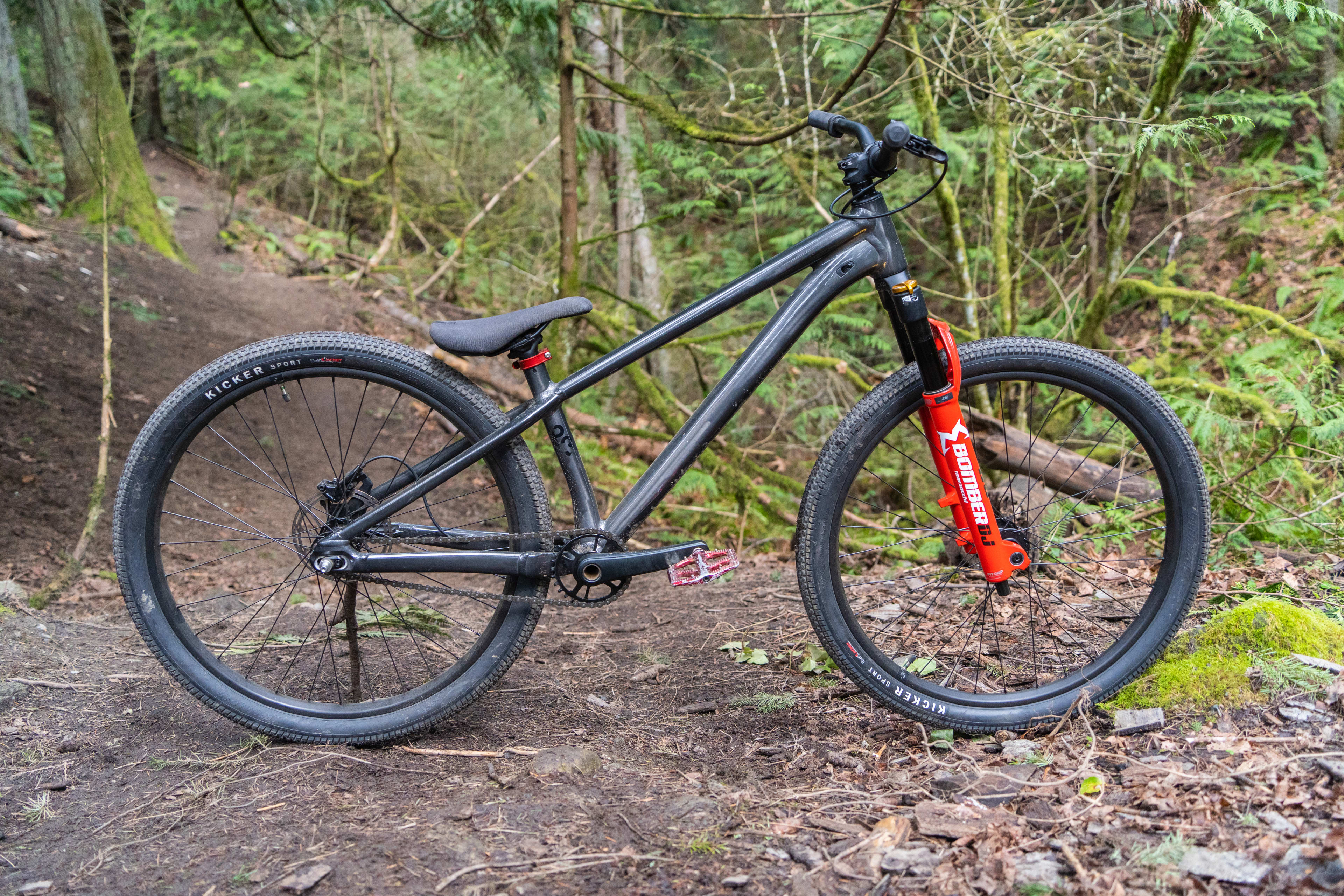
Disc brakes are strong and work well in wet or muddy conditions. They use pads to press on a disc near the wheel hub. This gives more control for dirt jumping.
Many riders prefer disc brakes for dirt jump bikes because of their power and durability. These brands make quality disc brakes.
- Shimano
- SRAM
- Hope
- Magura
Credit: www.bikemag.com

Credit: www.starunion-store.com
Frequently Asked Questions
What Are The Best Brake Types For Dirt Jump Bikes?
Hydraulic disc brakes are ideal for dirt jump bikes. They offer strong stopping power, modulation, and reliability in various conditions. Mechanical disc brakes are a budget-friendly option but with less performance. Rim brakes are less recommended due to reduced stopping power on dirt tracks.
How Do Hydraulic Brakes Improve Dirt Jump Safety?
Hydraulic brakes provide consistent and powerful stopping force. They allow precise control and better modulation during jumps. This improves rider confidence and reduces the risk of accidents. Their low maintenance and durability make them a preferred choice for dirt jumpers.
Are Mechanical Disc Brakes Suitable For Dirt Jumping?
Mechanical disc brakes work but lack the smoothness of hydraulic systems. They are easier to maintain and cheaper but deliver less braking power. For casual riders, they suffice, but serious dirt jumpers should opt for hydraulic brakes for enhanced performance.
Why Are Rim Brakes Less Favored For Dirt Jump Bikes?
Rim brakes lose effectiveness in muddy or wet dirt jump conditions. They wear out rims faster and provide less stopping power. Dirt and debris can cause inconsistent braking. Disc brakes offer better durability and control, making them the preferred choice.
Conclusion
Choosing the right brake option helps you ride safer and better. Good brakes give you control on jumps and landings. Consider your bike type and riding style before deciding. Test different brakes to find what feels best for you. Remember, regular brake checks keep your bike ready to ride.
Simple steps can improve your dirt jumping experience a lot. Keep practicing and enjoy every ride with confidence. Safety and fun go hand in hand on dirt jumps.



