
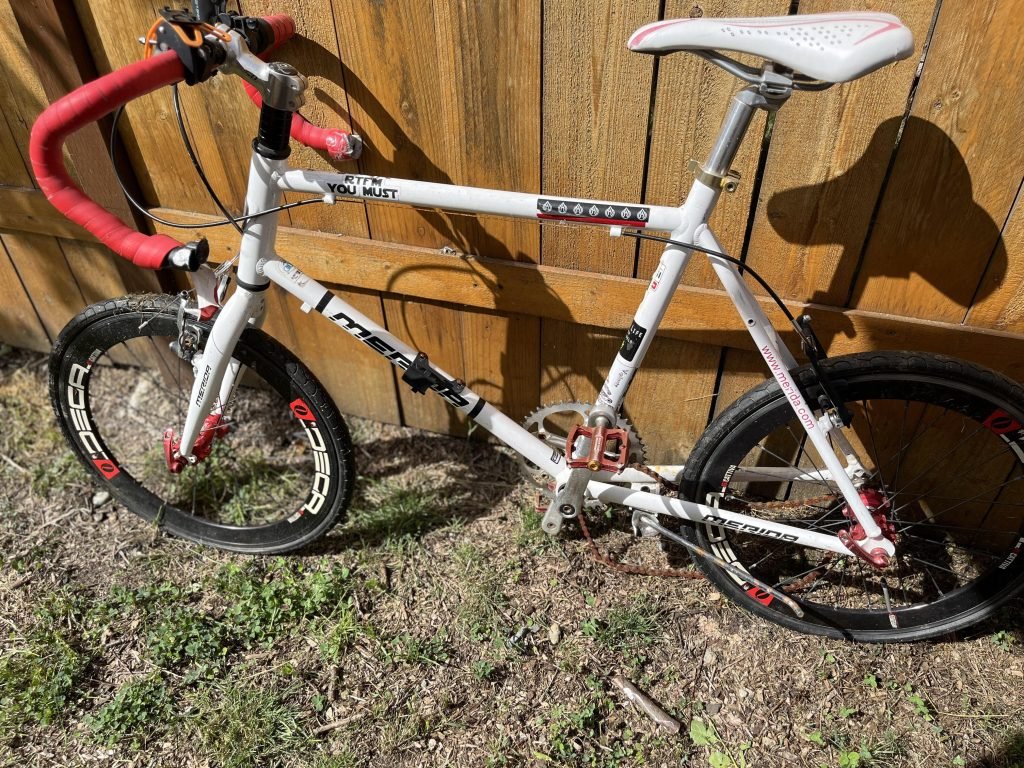
If you love riding your mini velo bike, you know how fun and nimble it feels on city streets. But when it’s time to go downhill, things can get tricky fast.
How do you keep control without losing speed or risking a fall? This guide will show you simple, effective ways to descend safely on your mini velo bike. By mastering these tips, you’ll gain confidence and enjoy every ride—no matter the slope ahead.
Ready to ride smarter and safer? Let’s dive in.
Choosing The Right Mini Velo
Choosing the right mini velo is key for safe descents. A strong frameoffers stability and control. Look for frames made of lightweight materialslike aluminum or steel. Tires should be widerthan road bike tires to give better grip.
Tire treadaffects traction. Smooth tires are fast but can slip on wet roads. Tires with some treadhelp grip corners and downhill slopes.
| Brake Type | Impact on Descending |
|---|---|
| Caliper Brakes | Lightweight but can fade on long descents |
| Disc Brakes | Strong stopping power and consistent in wet conditions |
| Drum Brakes | Low maintenance but heavier and less powerful |

Credit: www.reddit.com
Preparing For The Descent
Carefully inspect your mini velo bikebefore every ride. Check the frame for cracks or damage. Ensure the wheels spin freely without wobbling. Tighten all bolts and screws to avoid any loose parts.
Brake performanceis crucial for safe descending. Test both front and rear brakes. Squeeze the brake levers to feel if they respond quickly. Replace worn brake pads to guarantee strong stopping power.
- Wear a properly fitted helmetto protect your head.
- Use glovesfor better grip and hand protection.
- Consider knee and elbow padsto reduce injury risks.
- Wear bright or reflective clothing to stay visible.
Mastering Braking Techniques
Use both front and rear brakesfor better control. The front brake gives most stopping power. The rear brake helps keep balance.
Press the brakes gently at first. Then increase pressure slowly to avoid skidding. Smooth brake pressure helps keep the bike steady.
- Apply brakes gradually, not suddenly.
- Keep your body relaxedand centered.
- Look ahead to plan your brakingearly.
- Practice braking on safe, flat ground.
Brake lockup happens when wheels stop turning but bike slides. Avoid this by modulatingbrake pressure. Release slightly if wheel locks. This keeps traction and control.

Credit: www.reddit.com
Body Position And Balance
Shifting your weight properly keeps the mini velo bike stable during descents. Lean slightly forward to balance the bike and avoid tipping back. Your hands should grip the handlebars firmly but not too tight. Move your body weight toward the front wheel when going downhill to maintain control. This helps you react quickly to changes in the road.
Keeping a low center of gravity is key for safe descents. Bend your knees and lower your hips closer to the bike frame. This position makes you less likely to lose balance. It also helps absorb bumps and shocks from rough surfaces. Staying low improves your bike’s grip on the road.
Handling Different Terrain
On smooth pavement, keep your body relaxed and low. Use both brakes gently to control speed. Look ahead to spot any obstacles early. Keep your hands firm on the handlebars for better control. Smooth pavement allows for steady, safe descents.
For rough or wet surfaces, slow down more than usual. Avoid sudden braking to prevent slipping. Keep your weight slightly back to improve traction. Watch for loose gravel, puddles, or wet leaves that can cause falls. Use a lower gear to keep steady power and balance.
| Terrain | Tips for Safe Descending |
|---|---|
| Smooth Pavement |
|
| Rough or Wet Surfaces |
|
Speed Control Strategies
Keep a steady speed while going downhill. Use brakes gently to avoid skidding. Always check the path ahead for obstacles. Slow down before sharp turns. Balance is key on mini velo bikes. Lean slightly forward for stability. Keep both hands on the handlebars. This helps with control and balance. Look ahead and plan your path. Be aware of your surroundings.
Engine braking can help you control speed. Shift to a lower gear before descending. This slows the bike without heavy braking. It’s safer for your bike and tires. Avoid using only the front brake. This can cause the bike to tip. Distribute braking between front and rear wheels. Practice these techniques on easy slopes first. Gain confidence in using engine braking. Always wear a helmet for safety.
Emergency Situations
Descending carefully on mini velo bikes helps avoid accidents in emergency situations. Keep your speed controlled and use both brakes gently to maintain balance and safety. Stay alert and lean slightly back to handle steep slopes confidently.
Responding To Brake Failure
Brake failurecan be scary. Stay calm and think quick. Use your feet to slow down. Drag them on the ground gently. Look for a soft place to stop. Grass or sand can help stop. Avoid hard surfaces like rocks.
If there’s a hill, steer to the side. Look for bushes or a fence. They can help slow you. Always wear a helmet to stay safe. Practiceemergency stops often. It helps when brakes fail.
Avoiding Obstacles Safely
Keep your eyes on the path. Look out for rocks and bumps. Steer around them slowly. Use your body to help turn. Shift your weight to the side. Keep both hands on the handlebars. This keeps you steady.
Slow down when you see obstacles. Use the back brake gently. It helps you control the bike. Always ride at a safe speed. This gives you time to react. Practice riding around cones or small objects. It makes avoiding obstacles easier.

Credit: handsonbike.blogspot.com
Maintenance Tips For Safe Riding
Check your brakesoften to ensure they work well. Squeeze the brake levers and feel for tightness. Loose brakes can cause accidents. Replace brake pads if they look worn out or thin. Properly working brakes help you stop safely and quickly.
Keep your tiresat the right pressure. Too low pressure can make riding hard and unsafe. Too high pressure may cause a bumpy ride. Use a pump with a gauge to measure tire pressure before every ride.
| Tire Condition | What to Check |
|---|---|
| Tread | Look for worn or smooth spots. Replace tires if tread is gone. |
| Pressure | Keep tire pressure between 40-60 psi. Check weekly. |
| Damage | Check for cuts, cracks, or bulges on tires. |
Frequently Asked Questions
How Do I Control Speed On A Mini Velo Descent?
Use both brakes gently to control speed. Avoid sudden braking to prevent skidding. Maintain a steady, manageable pace for safety.
What Is The Best Body Position When Descending?
Lean slightly back with bent elbows. Keep your weight centered and low. This improves balance and control on descents.
How Can I Improve Mini Velo Brake Performance?
Regularly check brake pads and cables for wear. Adjust brake tension for quick response. Use high-quality pads for effective stopping power.
Should I Use Lower Gears When Descending A Mini Velo?
No, use higher gears to maintain smooth pedaling. Lower gears can cause instability and reduce control on descents.
Conclusion
Descending safely on mini velo bikes takes care and focus. Keep your speed controlled and your body relaxed. Use both brakes gently to avoid sudden stops. Watch the road ahead for any obstacles or sharp turns. Keep your weight balanced and lean into curves.
Practice these tips regularly to build confidence. Safety is the key to enjoying every ride. Stay alert, ride smart, and have fun on your mini velo bike.



