
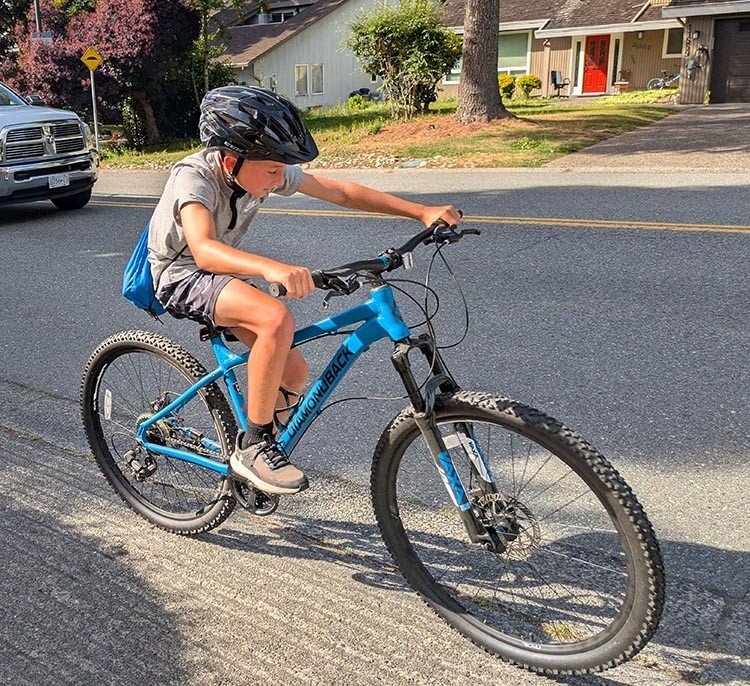
Is your bike starting to feel a little small? Maybe your knees are brushing the handlebars, or your feet barely touch the pedals.
Knowing when to move up a bike size can be tricky, but it’s key to riding comfortably and safely. If you ignore the signs, you might end up with aches, poor control, or even accidents. You’ll discover simple ways to tell if it’s time for a bigger bike.
By the end, you’ll feel confident making the right choice—so you can enjoy every ride to the fullest. Keep reading to find out how to know when your bike size just isn’t working anymore.
Signs You Need A Bigger Bike
Choosing the right bike size matters for comfort and control. Riding a bike that is too small can cause problems. It is important to spot signs that show you may need a bigger bike.
This guide explains key signs that tell you it is time to move up a bike size. Look for discomfort, difficulty controlling, and pain as clues.
Discomfort During Rides
Feeling uncomfortable on your bike can mean it is too small. Common issues include cramped legs, tight shoulders, and bent wrists. These signs show your body is not in a natural position.
- Limited leg extension while pedaling
- Hunching over the handlebars
- Hands feeling numb or cramped
- Difficulty reaching the brakes or gears
Difficulty Controlling The Bike
Smaller bikes can be harder to steer and balance. You might feel unstable or have trouble making turns. This happens because your body is not aligned with the bike frame.
| Problem | Cause | Effect |
|---|---|---|
| Hard to steer | Too short reach to handlebars | Less control on turns |
| Unstable ride | Incorrect frame size | Higher risk of falls |
| Fatigue | Poor posture | Less riding time |
Frequent Knee Or Back Pain
Pain in knees or back after riding can mean your bike is too small. The wrong size makes your joints work too hard. This can cause soreness and injury over time.
Check these signs of pain related to bike size:
- Knees bending too much or too little when pedaling
- Lower back strain from leaning forward too much
- Sharp pain during or after rides
- Long-lasting discomfort even after rest

Credit: www.reddit.com
Measuring Your Current Fit
Knowing your current bike fit helps you decide if it’s time to move up a size. A proper fit makes riding comfortable and safe.
Check your bike’s frame, saddle, and handlebars to see how well they match your body.
Checking Frame Size
Frame size is the main factor in bike fit. Stand over the bike and check the clearance between you and the top tube.
You should have about 1 to 2 inches of space for a road bike and 3 to 4 inches for a mountain bike.
- Too little clearance means the frame is too small
- Too much clearance means the frame is too large
- Check if you feel cramped or stretched on the bike
Saddle Height And Position
Saddle height affects your pedaling comfort and power. When seated, your leg should be almost straight at the bottom of the pedal stroke.
Check if you slide forward or backward easily. The saddle should support your sitting bones without pressure points.
- Raise saddle if your knee bends too much
- Lower saddle if you cannot reach the pedals fully
- Move saddle forward or backward for better comfort
Handlebar Reach And Height
Handlebar reach is the distance from the saddle to the handlebars. It should allow a slight bend in your elbows.
Handlebar height should be level with or slightly below the saddle for road bikes. Higher bars suit comfort and casual riding.
- Too far reach causes strain on back and shoulders
- Too close reach feels cramped and limits control
- Adjust handlebar height to avoid neck and wrist pain
Growth And Fitness Factors
Choosing the right bike size is important for comfort and performance. Your body and fitness changes help decide when to move up a size.
Watch your growth and how you ride to know if a bigger bike fits better. Fitness also plays a key role.
Body Growth Patterns
Kids and teens grow at different speeds. This growth affects bike size needs. Taller legs or longer arms mean a bigger frame might be better.
Check how your body fits the bike. If you feel cramped or your knees hit the handlebars, it may be time to change size.
- Measure inseam length to find correct frame height
- Look for enough space between body and handlebars
- Check if feet reach pedals comfortably
Changes In Riding Style
Your riding style can change as you gain skills. More aggressive riding may need a larger bike for better control.
If you ride longer distances or on rough paths, a bigger bike can offer more stability and comfort.
- Shift from casual to sport riding may need a bigger frame
- More speed and jumps require a stable bike size
- Long rides demand a comfortable riding position
Fitness Level Impact
Stronger muscles let you handle bigger bikes better. If your fitness improves, a larger bike might suit you more.
Less fit riders may prefer smaller bikes for easier control. Fitness growth helps you manage a bigger, heavier bike.
- Higher fitness means better bike handling skills
- Stronger legs can power bigger bike frames
- Good fitness reduces fatigue on larger bikes
Types Of Bikes And Sizing Differences
Choosing the right bike size helps you ride comfortably and safely. Different types of bikes have unique sizing rules. Knowing these can guide you when to move up a size.
Bike sizes depend on frame geometry and intended use. This guide covers road, mountain, and hybrid bikes to help you decide on the best fit.
Road Bikes
Road bikes focus on speed and efficiency on paved roads. Their frames are usually lightweight and have a tighter fit. Sizing is often given in centimeters from the center of the bottom bracket to the top of the seat tube.
- Riders who feel cramped may need to move up a size.
- If you struggle to reach the handlebars, a larger frame helps.
- Leg extension is key; too much bend means a bigger frame is better.
Mountain Bikes
Mountain bikes have sturdy frames and more relaxed geometry. Sizing is usually in inches or small, medium, and large labels. They allow for more body movement than road bikes.
| Size Label | Height Range | Frame Size (inches) |
|---|---|---|
| Small | 5’2″ – 5’6″ | 15″ – 16″ |
| Medium | 5’7″ – 5’10” | 17″ – 18″ |
| Large | 5’11” – 6’2″ | 19″ – 20″ |
Move up a size if your knees hit the handlebars or if the bike feels too tight when standing. A larger frame improves control and comfort on rough trails.
Hybrid Bikes
Hybrid bikes mix features of road and mountain bikes. They fit a wide range of riders and often use the same small, medium, large sizing as mountain bikes.
Signs you may need to move up a hybrid bike size:
- Your back feels too bent over while riding.
- Your knees come close to the handlebars during pedaling.
- Your feet struggle to reach the pedals comfortably.
Choosing the right size keeps your rides smooth and reduces injury risk. Always test ride and check measurements before deciding to move up a size.
Testing A Larger Bike
Trying a bigger bike helps you see if the size fits well. It shows how you feel while riding and if the bike is easy to control.
This guide gives tips on test rides, what to check, and how to adjust parts for a better fit.
Test Ride Tips
Take the larger bike for a short ride on different surfaces. Pay attention to comfort and handling. Try stopping, turning, and pedaling hard.
- Wear your usual riding gear
- Ride on flat and slightly rough ground
- Check if you can touch the ground with your feet
- Notice if the bike feels too tall or wide
- Test braking and gear shifting
What To Look For
Watch for signs that the bike fits or does not fit your body. Your balance and control matter most.
| Fit Aspect | Good Fit | Bad Fit |
|---|---|---|
| Reach | Comfortable arm stretch | Too stretched or cramped |
| Standover Height | Enough clearance over the frame | Legs feel tight or unsafe |
| Saddle Height | Legs almost fully extend when pedaling | Knees too bent or locked |
| Handlebar Width | Easy to steer and control | Too wide or narrow for comfort |
Adjusting Components
Small changes in parts can improve how the larger bike fits you. Adjusting the seat, handlebars, and pedals helps find the right position.
- Raise or lower the saddle for better leg reach
- Move handlebars up or down to reduce strain
- Change saddle position forward or backward
- Swap pedals to match your foot size
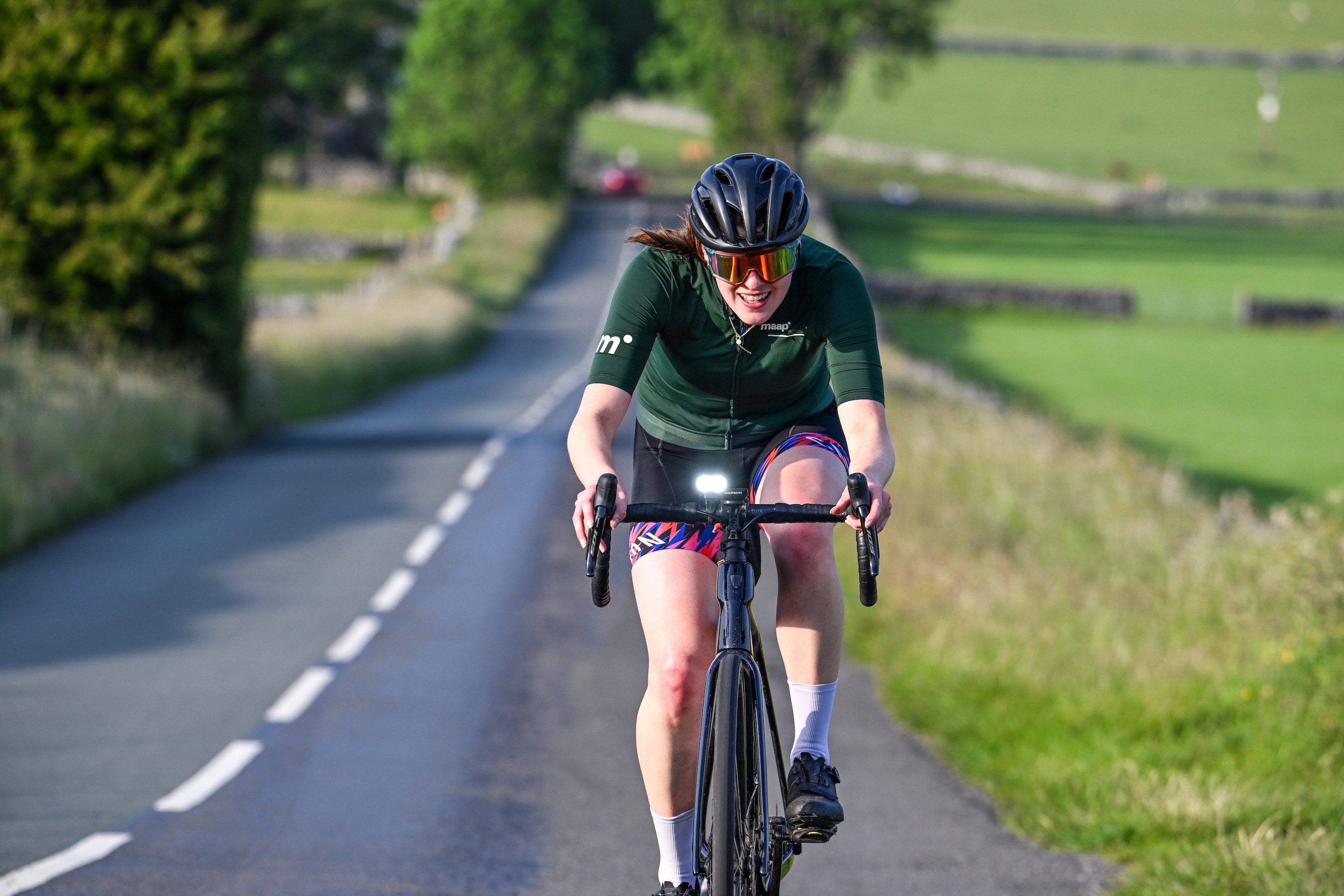
Credit: www.cyclingweekly.com
Cost And Timing Considerations
Deciding when to move up a bike size depends on your budget and timing. It is important to plan your purchase carefully.
Understanding costs and the right moment to upgrade helps you make a smart choice. This guide covers key points to consider.
Budgeting For A New Bike
Buying a larger bike means extra costs. You need to think about the bike price and any new gear you may need.
- Set a clear budget before shopping
- Include costs for helmet and accessories
- Check for sales or secondhand options
- Consider maintenance expenses after purchase
When To Upgrade
Timing your upgrade is key. Moving up too soon or too late can affect comfort and performance.
| Sign | Reason to Upgrade |
| Legs feel cramped | Bike size is too small |
| Handlebars hard to reach | Improper fit |
| Frequent discomfort | Need better riding posture |
| Outgrown bike physically | Growth spurt |
Reselling Or Trading Your Current Bike
Getting some money back from your old bike can help fund the new one. Selling or trading are both good options.
Consider these tips for reselling or trading:
- Clean your bike before selling
- Take clear photos and write honest descriptions
- Check local bike shops for trade-in programs
- Compare offers to get the best deal
Expert Tips For A Smooth Transition
Choosing the right bike size is key for comfort and control. Moving up a size can help if your current bike feels tight or limits your riding.
Learn how to work with bike shops, explore custom fitting options, and keep your ride comfortable and efficient.
Working With Bike Shops
Bike shops have experts who can help you find the right size. They measure your body and watch you ride to make sure the fit is good.
- Visit a local bike shop for a professional fitting.
- Try different bike sizes to feel the difference.
- Ask about test rides before buying.
- Discuss your riding style and goals with the staff.
- Get advice on frame size and adjustments.
Custom Fitting Options
Custom fitting adjusts the bike to your unique body shape. This can include seat height, handlebar reach, and pedal position.
| Adjustment | Purpose |
| Seat Height | Ensures leg extension for power and comfort |
| Handlebar Reach | Supports a natural arm position and balance |
| Pedal Position | Improves pedaling efficiency and reduces strain |
| Frame Size | Matches your height and riding style |
Maintaining Comfort And Performance
After moving up in size, keep your ride smooth by checking your setup often. Small tweaks can make a big difference.
- Adjust the saddle angle and height regularly.
- Check handlebar height and position.
- Use padded shorts to reduce discomfort.
- Inspect tire pressure for a smooth ride.
- Listen to your body and rest when needed.
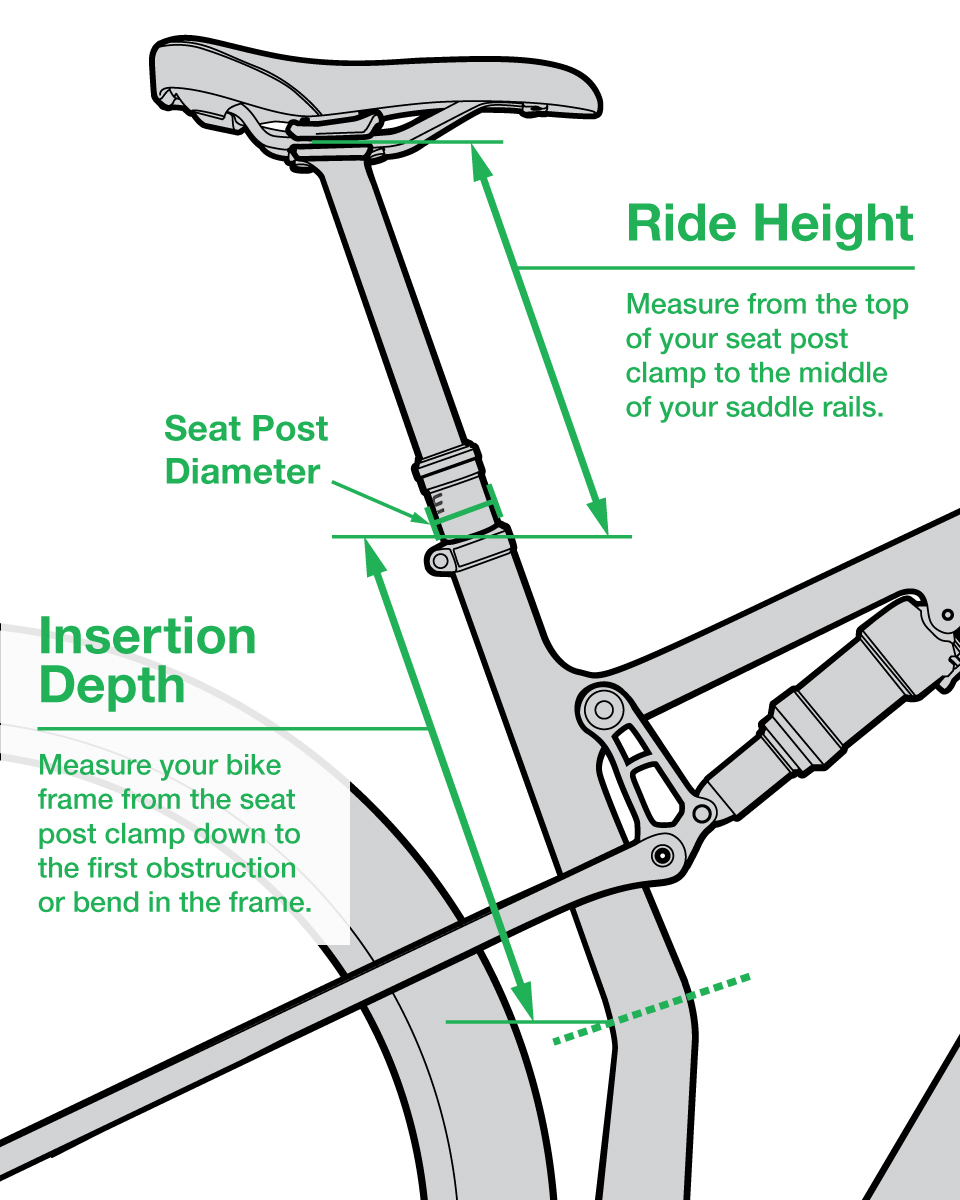
Credit: www.oneupcomponents.com
Frequently Asked Questions
When Is The Right Time To Move Up Bike Size?
You should move up bike size when your current bike feels cramped. Your knees or elbows should not hit the frame. Also, if you experience discomfort or limited control, consider a larger size for better comfort and safety.
How Does Bike Size Affect Riding Comfort?
Bike size directly impacts your riding posture and comfort. A too-small bike can cause strain on your back and joints. The right size allows proper leg extension and handlebar reach, ensuring a smooth and enjoyable ride without pain.
What Are Signs I Need A Bigger Bike?
Signs include difficulty reaching pedals, cramped handlebars, and knee pain. If you feel unstable or need to lean forward excessively, it indicates your bike is too small. Upgrading to a larger size improves control and reduces injury risk.
Can Moving Up Bike Size Improve Performance?
Yes, a correctly sized bike enhances pedaling efficiency and balance. It reduces fatigue and allows for better power transfer. Proper fit helps maintain speed and control, which boosts overall cycling performance during long rides or races.
Conclusion
Choosing the right bike size makes riding safer and more fun. Pay attention to how your current bike fits your body. Notice if you feel cramped or stretched out. Test different sizes if possible. Your comfort and control matter most on any ride.
Remember, a well-sized bike helps you ride longer and enjoy more. Take your time deciding. Small changes can make a big difference in your biking experience.



