
Choosing between a tricycle and a balance bike for your child can feel confusing. You want to make the best choice that keeps your little one safe, happy, and excited to ride.
But how do you know which one suits your child’s age, skills, and personality? This guide will help you understand the key differences, benefits, and what to look out for. By the end, you’ll feel confident about picking the perfect ride that will set your child on the path to fun and confidence.
Keep reading to discover what fits your family best!
Credit: www.besrey.com
Benefits Of Tricycles
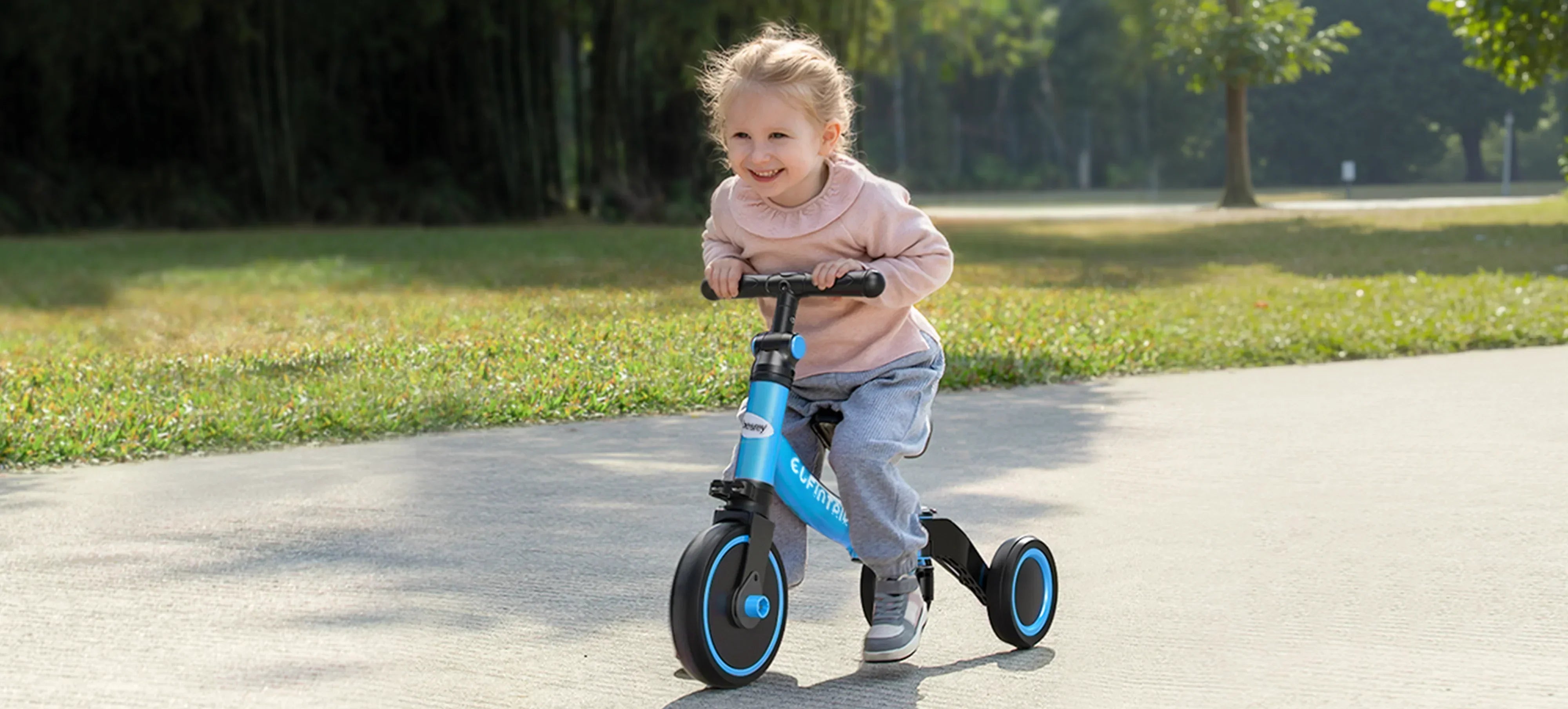
Tricycles offer young children a safe way to start riding. They help kids gain confidence while learning to balance. Many parents choose tricycles for their ease of use.
This guide looks at key benefits of tricycles. It covers stability, pedaling skills, and safety features. These points help decide between a tricycle and a balance bike.
Stability For Beginners
Tricycles have three wheels that keep the bike steady. This stability helps kids who are new to riding feel safe. They do not have to worry about falling over easily.
With a tricycle, children can focus on pedaling and steering. It gives them the chance to build skills without needing to balance at the same time.
Building Pedaling Skills
Tricycles teach kids how to pedal smoothly and control speed. These skills are important for future riding. The pedals are easy to reach and use.
- Helps strengthen leg muscles
- Improves coordination between hands and feet
- Encourages practice of continuous pedaling
- Supports gradual learning of riding motions
Safety Features
| Feature | Description | Benefit |
|---|---|---|
| Wide Wheel Base | Three wheels spaced apart | Prevents tipping over |
| Low Center of Gravity | Frame sits close to the ground | Increases balance and stability |
| Sturdy Frame | Strong materials used | Supports child’s weight safely |
| Easy-to-Grip Handles | Comfortable grips on handlebars | Better control and steering |
Advantages Of Balance Bikes
Choosing between a tricycle and a balance bike can be tricky. Balance bikes help kids learn balance and coordination early.
These bikes do not have pedals, so children focus on steering and balancing first. This makes learning to ride easier later.
Enhancing Balance Early
Balance bikes teach kids how to keep steady on two wheels. Kids use their feet to push and stop, building balance skills.
Early balance practice helps kids feel more confident on real bikes. They learn to adjust their body to stay upright.
Lightweight And Portable
Balance bikes are usually lighter than tricycles. This makes it easier for kids to handle and carry them.
Parents find balance bikes simple to take along on trips or walks. The light weight adds to their convenience.
Smooth Transition To Bikes
Kids who use balance bikes often move to pedal bikes without training wheels. They already know how to balance well.
The switch is easier and faster because children focus on pedaling after learning balance. This reduces fear and falls.
Age And Development Factors
Choosing between a tricycle and a balance bike depends on a child’s age and development. Both help kids learn to ride, but they suit different stages.
Understanding when to introduce each can help improve balance, coordination, and confidence in young riders.
Ideal Age For Tricycles
Tricycles are best for toddlers who are just starting to explore movement. Most children enjoy tricycles between ages 2 and 4.
At this age, kids can pedal and steer but may still need support for balance. Tricycles offer a stable ride to build leg strength.
- Best for ages 2 to 4 years
- Helps develop pedaling skills
- Provides stable, three-wheel support
- Good for early muscle development
When To Introduce Balance Bikes
Balance bikes are ideal for children ready to learn balance and coordination. Most kids start using them around 18 months to 5 years old.
These bikes teach kids to balance on two wheels without pedals. They prepare children for riding a regular bike faster.
- Suitable for 18 months to 5 years
- Focuses on balance and steering
- Helps transition to pedal bikes
- Lightweight and easy to handle
Physical And Cognitive Readiness
Physical skills like leg strength and coordination matter when choosing a bike. Cognitive skills also play a role in learning how to ride safely.
Look for these signs before choosing a tricycle or balance bike:
- Can the child sit steadily without help?
- Does the child understand simple instructions?
- Is the child able to push with feet on the ground?
- Can the child steer or turn the handlebars?
Credit: leoguarbikes.com
Safety Considerations
Choosing between a tricycle and a balance bike means thinking about safety first. Both options have risks and benefits for young riders.
Parents should check safety gear, riding areas, and supervision to keep kids safe while learning to ride.
Helmet And Protective Gear
Wearing a helmet is a must for any bike or tricycle ride. It protects the head from injuries in case of falls.
Other protective gear like knee pads, elbow pads, and gloves can reduce scrapes and bruises. Choose gear that fits well and is comfortable.
- Always use a properly fitting helmet certified for safety
- Wear knee and elbow pads to protect joints
- Gloves help protect hands from scrapes
- Bright colors on gear improve visibility
Safe Riding Environments
Pick places free from traffic and obstacles for children to ride. A flat, smooth surface helps keep balance and control.
Avoid steep hills, busy roads, or crowded areas. Parks, playgrounds, or quiet driveways are good spots to practice riding safely.
- Use flat, even surfaces like sidewalks or driveways
- Stay away from streets and traffic
- Choose areas with good lighting and visibility
- Remove toys or objects that can cause falls
Supervision And Guidance
Adults should watch children closely while they learn to ride. Supervision helps prevent accidents and gives quick help if needed.
Teach kids the basics of balance and steering. Show them how to stop safely and respect others sharing the space.
- Stay near children during rides
- Guide them on how to steer and brake
- Explain safe riding rules clearly
- Encourage practice in calm, quiet places
Cost And Maintenance
Choosing between a tricycle and a balance bike depends on cost and upkeep. Both have different prices and maintenance needs.
Knowing these details helps parents decide which bike suits their budget and lifestyle.
Initial Investment
Tricycles usually cost less at the start. They have a simple design with three wheels. Balance bikes can be pricier because of their lightweight frame and quality parts.
Parents should think about how long the child will use the bike before buying.
Upkeep And Durability
Tricycles need little maintenance. Their plastic parts may wear out but are easy to clean. Balance bikes need regular checks on tires and brakes. Their metal frames last longer if cared for properly.
- Tricycles: low maintenance, plastic parts may crack
- Balance bikes: need tire inflation and brake checks
- Balance bikes last longer with good care
- Tricycles can get damaged if used roughly
Resale Value
| Type | Resale Value | Reason |
| Tricycle | Low | Plastic parts wear quickly |
| Balance Bike | Higher | Durable metal frame and parts |
Space And Storage Needs
Choosing between a tricycle and a balance bike involves thinking about space. Both need room for storage and use. Knowing where and how you will keep them helps make a better choice.
Space can limit which bike fits your home or outdoor area. Storage needs and how often you move the bike matter too. Let’s look at these points closely.
Indoor Vs Outdoor Use
Tricycles are usually larger and take more space indoors. They can be bulky to store in small rooms. Balance bikes are smaller and easier to fit inside the house.
Outside, tricycles need flat space to ride safely. Balance bikes work well on sidewalks, parks, or yards. Both bikes need a dry place for storage to avoid rust or damage.
Storage Solutions
Tricycles often need a corner or garage space for storage. Some models can be stacked or hung on walls with special racks. Balance bikes can fit in smaller spaces like closets or under tables.
- Use wall hooks or racks for tricycles
- Store balance bikes on shelves or under furniture
- Cover bikes with a cloth to keep dust away
- Keep bikes in a shed if possible
Portability Factors
Balance bikes are lighter and easier to carry. You can take them on trips or put them in a car trunk easily. Tricycles are heavier and harder to move around.
If you plan to travel or move the bike often, a balance bike is better. Tricycles are better if the bike stays mostly in one place.
Making The Final Choice
Choosing between a tricycle and a balance bike can be tricky for parents. Both help children learn to ride, but each suits different needs. This guide helps you decide the best fit for your child.
Look closely at your child’s abilities and preferences. Trying out both options helps make the choice clearer. Also, think about benefits that last long after learning to ride.
Assessing Your Child’s Needs
Every child is unique. Some have good balance early on, while others feel safer with extra support. Age, coordination, and confidence matter when choosing the right bike.
- If your child struggles with balance, a tricycle offers stability.
- If your child is eager to learn balance and steering, a balance bike suits well.
- Consider your child’s height and leg length for proper fit.
- Think about the terrain where your child will ride most often.
- Note your child’s interest in trying new challenges.
Trying Both Options
Let your child try a tricycle and a balance bike before buying. Observe how easily they pedal, steer, and balance. Their reaction can guide your decision.
| Bike Type | Advantages | Considerations |
| Tricycle | Stable, easy to pedal, builds leg strength | Less focus on balance, bulkier |
| Balance Bike | Teaches balance early, lightweight, easy to maneuver | Requires some coordination, no pedals |
Long-term Benefits
Think about how the bike helps beyond the first rides. Balance bikes often speed up learning to pedal later. Tricycles can boost leg muscles and confidence in young riders.
- Balance bikes promote quick transition to pedal bikes without training wheels.
- Tricycles develop strength and coordination in early stages.
- Both improve motor skills and outdoor activity habits.
Credit: bicystarstore.com
Frequently Asked Questions
What Are The Key Differences Between Tricycles And Balance Bikes?
Tricycles have three wheels and provide more stability for beginners. Balance bikes have two wheels and teach balance and coordination early. Tricycles are slower and safer, while balance bikes prepare kids for regular bicycles faster. Choosing depends on the child’s age and skill level.
Which Is Better For Toddlers: Tricycle Or Balance Bike?
Tricycles are ideal for toddlers who need more support and stability. Balance bikes suit toddlers ready to develop balance and coordination. Toddlers benefit from tricycles initially, then transition to balance bikes for advanced skills. Consider your child’s physical development and confidence.
How Does A Balance Bike Improve Cycling Skills?
Balance bikes teach kids to balance and steer without pedals. They help develop coordination and confidence early on. This makes the transition to pedal bikes smoother and faster. Balance bikes encourage natural learning of cycling skills through practice.
Can A Tricycle Help Build Motor Skills In Children?
Yes, tricycles help strengthen leg muscles and improve coordination. They also enhance balance and spatial awareness in young children. Riding tricycles promotes physical activity and confidence in movement. This builds a foundation for future cycling skills.
Conclusion
Choosing between a tricycle and a balance bike depends on your child’s needs. Tricycles offer extra stability for beginners. Balance bikes help children learn balance early. Think about your child’s age and confidence. Consider where they will ride most often.
Both options support fun and active play. Your choice can help build skills step by step. Keep your child’s safety and comfort in mind. This decision sets the stage for happy riding ahead.



