
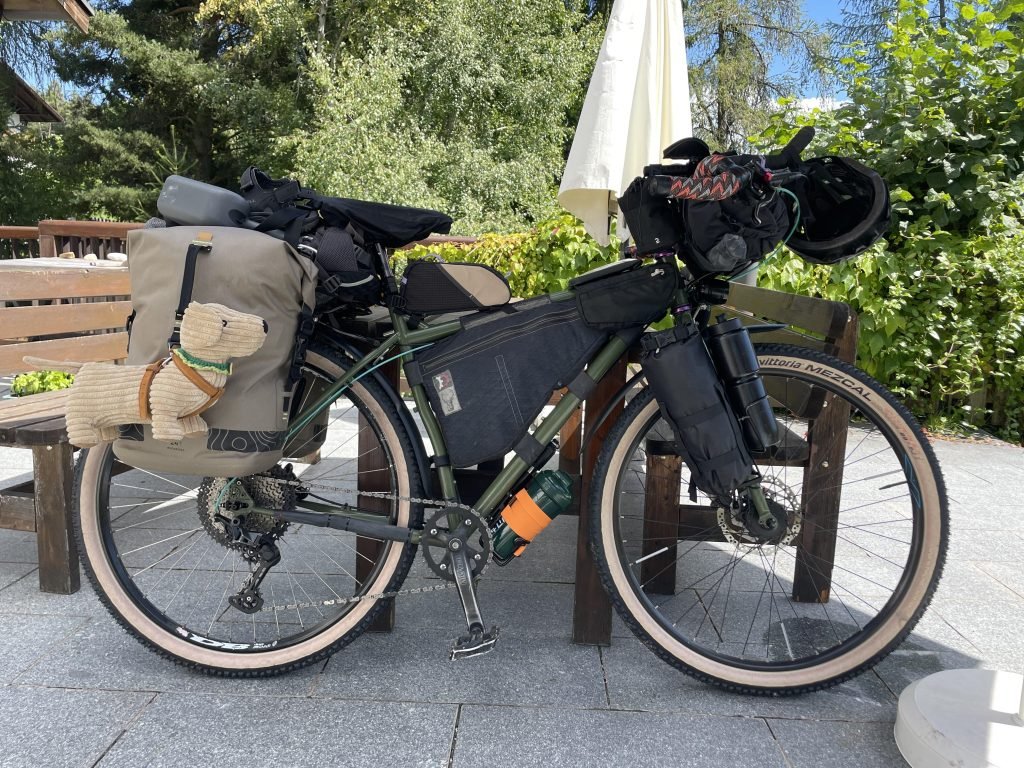
Weather can change fast when you’re out on a bikepacking tour. One minute the sun is shining, and the next, rain or wind can make your ride tough and uncomfortable.
If you’re not ready, these sudden shifts can ruin your trip or even put your safety at risk. But what if you could stay ahead of the weather and keep your ride smooth no matter what? You’ll discover simple, practical ways to handle weather changes on your bikepacking adventures.
Keep reading to learn how to protect yourself, your gear, and your journey from the unexpected.

Credit: www.reddit.com
Preparing For Weather Variability
Bikepacking tours often face sudden weather changes. Being ready helps you stay safe and comfortable.
Planning for weather variability means choosing gear, packing layers, and using forecast tools smartly.
Choosing The Right Gear
Select gear that protects you from rain, wind, and cold. Durable gear lasts through tough weather.
Waterproof bags and covers keep your belongings dry. A reliable tent shields you from storms.
- Waterproof jacket and pants
- Sturdy and weatherproof tent
- Waterproof bike bags and covers
- Gloves and hats for warmth
- Lights for low visibility
Packing Smart Layers
Use layers to adjust your clothing to changing temperatures. Layers trap heat and allow airflow.
Start with a base layer that moves sweat away. Add an insulating layer for warmth and a shell layer for rain.
- Base layer: moisture-wicking shirts and leggings
- Insulating layer: fleece or light down jackets
- Shell layer: waterproof and windproof jacket
- Extra socks and gloves for cold weather
- Pack light but include key layers
Weather Forecasting Tools
Use weather apps and devices to check conditions before and during your trip. Stay updated on changes.
Some tools work offline and give alerts for storms or temperature drops. They help you plan daily rides.
- Mobile weather apps with offline mode
- Portable GPS with weather updates
- Barometers and handheld weather meters
- Local weather reports before leaving camp
- Check forecasts daily and adjust plans

Credit: alpkit.com
Clothing Strategies For Different Conditions
Bikepacking tours expose you to many weather conditions. Dressing right helps you stay safe and comfortable. Your clothes must protect you from rain, cold, heat, and sun.
Choosing the right layers and materials can change your experience. It keeps you dry, warm, or cool depending on the weather.
Rain Protection Techniques
Rain can make your ride hard and unsafe. Wear waterproof jackets and pants to stay dry. Look for breathable fabrics to avoid sweating inside your clothes.
Use waterproof gloves and shoe covers to protect your hands and feet. A rain cover for your backpack helps keep your gear dry.
- Wear a waterproof jacket with a hood
- Choose waterproof pants or rain shells
- Use waterproof gloves and shoe covers
- Cover your backpack with a rainproof cover
- Pick breathable fabrics to reduce sweat buildup
Staying Warm In Cold Weather
Cold weather can lower your body temperature quickly. Dress in layers to trap heat and stay warm. Start with a moisture-wicking base layer to keep skin dry.
Add an insulating middle layer like fleece or wool. Finish with a windproof and water-resistant outer layer to block cold air and moisture.
- Use a moisture-wicking base layer
- Add an insulating fleece or wool layer
- Wear a windproof, water-resistant outer shell
- Wear gloves and warm socks
- Use a hat or balaclava to cover your head
Managing Heat And Sun Exposure
Heat and sun can cause dehydration and sunburn. Wear light-colored, loose clothes that let air flow. Choose fabrics that wick sweat away from your skin.
Use a wide-brim hat or a cap with a neck flap. Apply sunscreen on exposed skin to avoid burns. Sunglasses protect your eyes from UV rays.
- Wear light-colored, loose-fitting clothes
- Choose breathable, moisture-wicking fabrics
- Use a hat with a wide brim or neck flap
- Apply sunscreen on all exposed skin
- Wear UV-protection sunglasses
Bike And Equipment Care In Changing Weather
Bikepacking tours expose you to different weather conditions. Rain, mud, and cold can affect your bike and gear. Proper care helps keep everything working well.
Understanding how to protect your bike and equipment makes your trip safer and more comfortable. Focus on key areas for the best results.
Maintaining Your Bike In Wet Conditions
Wet weather brings mud and water that can damage your bike parts. Clean your bike often and check moving parts for rust or dirt.
- Rinse mud off after rides using a gentle spray.
- Dry the bike thoroughly to avoid rust.
- Lubricate the chain and gears regularly.
- Check brakes and cables for wear and tear.
- Inspect bearings and replace if water has entered.
Protecting Gear From Moisture
Moisture can ruin clothes, electronics, and sleeping bags. Use waterproof bags and covers to keep gear dry during rain or damp conditions.
| Gear Item | Protection Method |
| Clothing | Waterproof dry bags or stuff sacks |
| Electronics | Sealed cases or plastic bags |
| Sleeping Bag | Compression sack with waterproof cover |
| Food | Waterproof containers or resealable bags |
Adjusting Tire Pressure And Traction
Changing weather means changing trail conditions. Lower tire pressure helps grip wet or muddy paths better.
- Reduce tire pressure slightly for soft or slippery ground.
- Use tires with deeper tread for better traction.
- Check tire pressure daily to adapt to conditions.
- Carry a pump and pressure gauge for quick adjustments.
Riding Techniques For Weather Challenges
Bikepacking tours expose riders to many weather changes. Riding safely means adjusting your techniques to match the weather.
Different weather conditions need different riding styles. Learning these helps keep you steady and comfortable on your trip.
Navigating Windy Terrains
Strong winds can push your bike off balance. Keep a low center of gravity by bending your elbows and lowering your torso.
Ride in a straight line and avoid sudden moves. Use gears to keep a steady pace and pedal smoothly.
- Lean slightly into the wind for better control
- Keep your weight centered over the bike
- Look ahead to spot gusts early
- Use lower gears to maintain steady speed
Handling Slippery Surfaces
Wet or muddy trails reduce tire grip. Slow down and avoid sudden braking to keep traction.
Shift your weight slightly back to prevent the front wheel from sliding. Look where you want to go, not at obstacles.
- Use tires with good tread for grip
- Brake gently with both wheels
- Keep your pedals level on tricky spots
- Choose smooth, steady pedal strokes
Dealing With Sudden Temperature Drops
Cold weather can reduce your body warmth quickly. Dress in layers so you can adjust as needed.
Keep moving to stay warm but avoid sweating too much. Wet clothes can make you colder when the temperature drops.
- Wear moisture-wicking base layers
- Add windproof and insulated layers
- Cover hands, feet, and head well
- Stop to put on layers before you feel very cold
Safety Tips And Emergency Planning
Weather can change fast during bikepacking tours. Being ready helps you stay safe and enjoy your trip.
Plan for bad weather and emergencies before you start your ride. This can save your life.
Recognizing Weather Warning Signs
Look at the sky often to spot changes. Dark clouds or sudden wind can mean storms are coming.
Listen for thunder or watch for quick drops in temperature. These signs tell you to prepare.
- Dark, heavy clouds
- Strong or sudden winds
- Thunder or lightning
- Sudden temperature drop
- Unusual animal behavior
Planning Alternative Routes
Always have backup routes in case weather blocks your path. Choose safer roads or trails nearby.
Check maps before you ride and mark places to avoid floods or landslides.
- Find lower-risk paths
- Choose roads with shelter spots
- Avoid steep or slippery trails
- Know exit points to towns or roads
- Tell someone your planned routes
Emergency Shelter Options
Carry small tents or tarps for quick shelter. Natural spots like caves or dense trees can also help.
Use your bikepacking gear to build a safe space from wind and rain until weather improves.
- Lightweight tent or bivy sack
- Waterproof tarp or rain fly
- Find natural windbreaks
- Use trees for cover
- Keep emergency blanket handy
Mental Preparation And Flexibility
Weather can change fast on bikepacking tours. Being ready in your mind helps you handle these changes well.
Flexibility means you can change plans without stress. This skill keeps your trip safe and fun.
Adapting Your Itinerary
Changing your route helps you avoid bad weather. Look for safer or shorter paths if needed.
Plan stops where you can rest or wait out storms. This keeps you strong and ready to ride again.
- Check weather forecasts daily
- Have backup routes planned
- Know where shelters or towns are
- Be ready to pause your ride
Staying Positive During Tough Conditions
Strong thoughts help you face rain, wind, or cold. Stay calm and focus on small goals.
Talk to yourself kindly. Remind yourself that tough weather will pass.
- Use deep breaths to stay calm
- Think about why you enjoy bikepacking
- Celebrate small successes during the ride
- Keep your mind on the end goal
Learning From Weather Experiences
Every weather challenge teaches you something new. Write down what worked and what did not.
Use past weather lessons to prepare better gear and plans next time.
- Note how your gear handled rain or cold
- Record changes you made to your route
- Think about how you felt during bad weather
- Plan better for future weather based on these notes
Credit: revelatedesigns.com
Frequently Asked Questions
How To Prepare For Sudden Weather Changes On Bikepacking Tours?
Pack layered clothing for quick adjustments to temperature and rain. Always carry waterproof gear and check forecasts daily. Prepare for wind by securing your tent and belongings. Stay flexible with your route to avoid severe weather zones.
What Essential Gear Helps In Unpredictable Weather On Bikepacking Trips?
Include a waterproof jacket, thermal layers, and quick-dry clothing. Use waterproof bags to protect electronics and supplies. Carry a compact emergency shelter and a reliable weather app. Good quality gloves and footwear keep you comfortable and safe.
How To Stay Safe During Storms While Bikepacking?
Find low ground away from tall trees to avoid lightning strikes. Secure your bike and gear to prevent damage from wind. Use waterproof clothing to stay dry and warm. Avoid metal objects and exposed ridges during thunderstorms.
Can Weather Apps Improve Bikepacking Tour Safety?
Yes, weather apps provide real-time updates and alerts for your location. They help you plan routes avoiding severe weather. Use apps with offline maps for areas without signal. Regularly check conditions to make informed decisions on the road.
Conclusion
Embrace weather changes on bikepacking tours with confidence. Prepare wisely by packing versatile clothing and gear. Check forecasts regularly to avoid surprises. Adapt routes to suit weather conditions. Stay hydrated and fueled for energy. Listen to your body and rest when needed.
Quick decisions can ensure safety. Connect with fellow travelers for tips and support. Every journey offers new experiences and stories. Enjoy the adventure, rain or shine.



