

Have you ever wished your bicycle felt like it was made just for you? Adaptive bicycles are designed to fit your unique needs, but the real magic happens when you customize them.
Imagine riding a bike that perfectly matches your comfort, style, and ability. You’ll discover simple and effective ways to tailor your adaptive bicycle so it works exactly the way you want. Whether you’re new to adaptive bikes or looking to enhance your current ride, these tips will help you unlock a more enjoyable and confident cycling experience.
Keep reading to find out how to make your adaptive bicycle truly yours.
Credit: www.rifton.com
Choosing The Right Adaptive Bike
Adaptive bicycles help people with different abilities enjoy riding. Choosing the right bike makes riding safer and more fun. Consider your needs and options before buying.
This guide explains types of adaptive bicycles and how to match features to your needs. Use this to find a bike that fits you well.
Types Of Adaptive Bicycles
Adaptive bikes come in many forms. Each type supports different physical needs. Here are common types you can choose from.
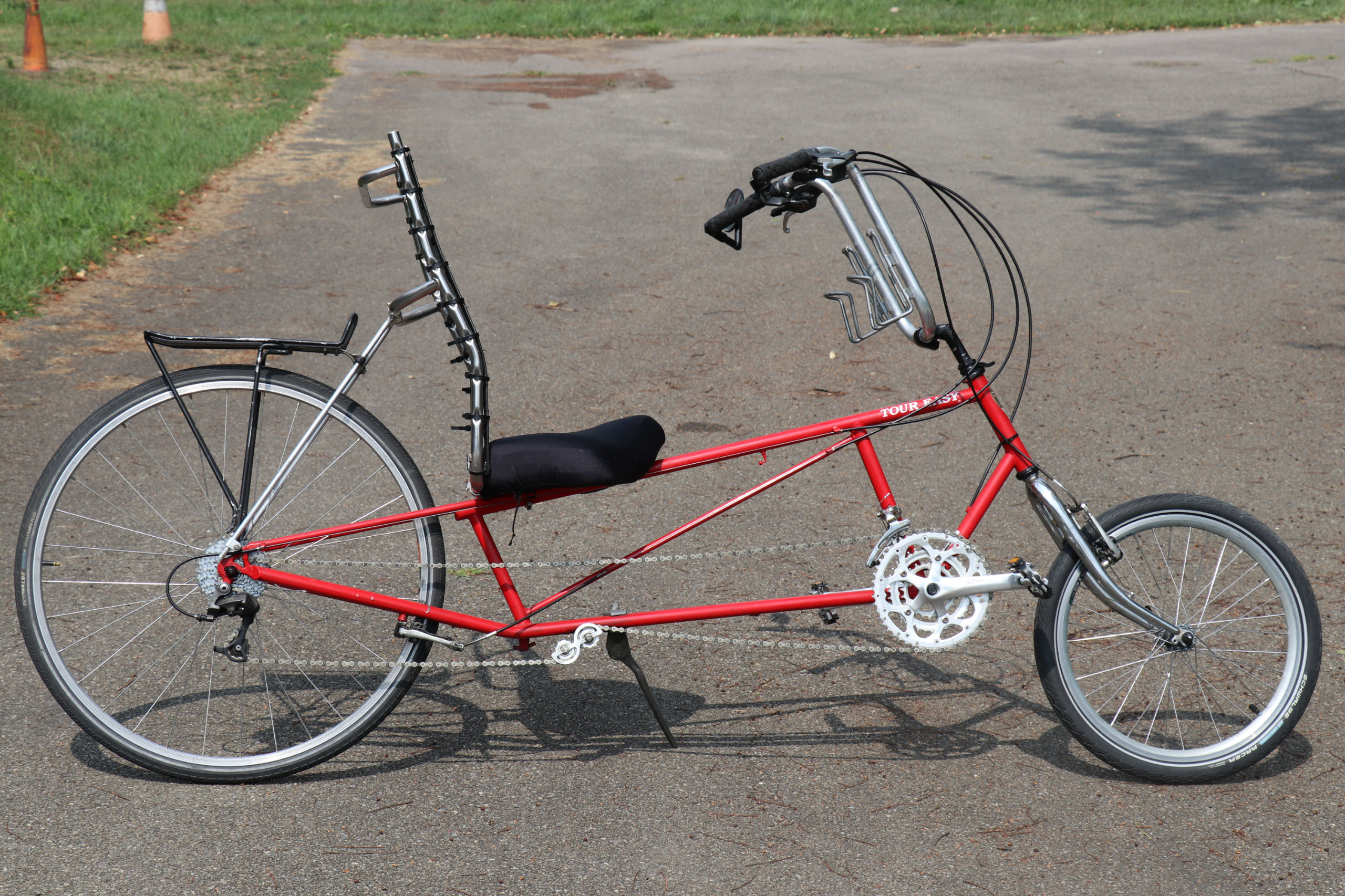
- Recumbent Bikes:Bikes where you sit back in a reclined position. Good for people with back or balance issues.
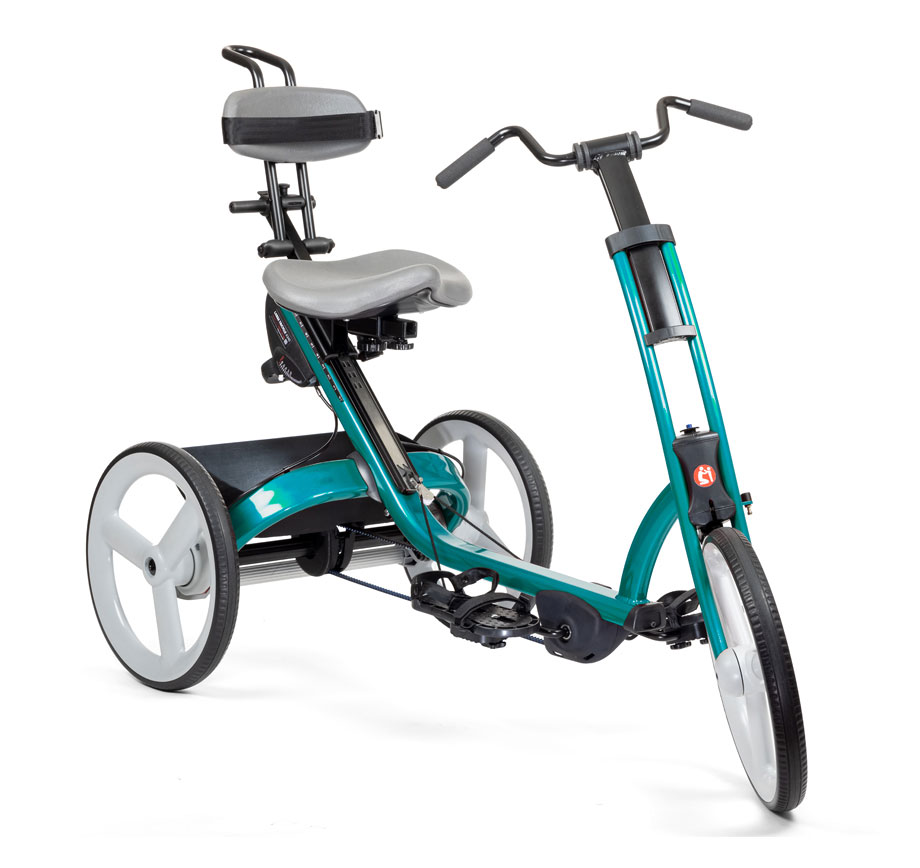
- Tricycles:Three-wheeled bikes that offer more stability. Ideal for riders who need extra balance support.
- Handcycles:Bikes powered by hand pedals. Great for those with limited or no use of their legs.
- Tandem Adaptive Bikes:Bikes built for two riders. One rider can help with pedaling and steering.
- Wheelchair Bikes:Bikes designed to carry a wheelchair on the frame. Useful for riders who use wheelchairs.
Matching Bike Features To Needs
Look at your abilities and goals. Match bike features that help you ride comfortably and safely. Consider these key features.
| Feature | Benefit | Who It Helps |
| Adjustable Seat | Fits different body sizes and shapes | Riders with varying height or posture needs |
| Extra Stability | Prevents falls and improves balance | People with weak balance or coordination |
| Hand Pedals | Allows pedaling with hands | Riders with limited leg use |
| Step-Through Frame | Easier to get on and off the bike | People with limited leg mobility |
| Electric Assist | Helps with pedaling effort | Riders needing extra power or endurance |
Essential Adjustments For Comfort
Adaptive bicycles help riders with different needs enjoy cycling. Comfort is key to a good ride. Adjusting parts of the bike can make a big difference.
Simple changes to the seat, handlebars, and pedals improve how the bike fits each rider. These adjustments reduce strain and increase control.
Seat And Backrest Modifications
The seat and backrest support the rider’s weight. Adjusting them helps prevent pain and fatigue. Make sure the seat height fits your leg length.
Move the backrest angle to support your spine well. Some bikes have adjustable backrests that tilt forward or backward.
- Check seat height so feet reach pedals comfortably
- Adjust seat angle to avoid sliding forward
- Set backrest angle for good lower back support
- Use extra padding if the seat feels hard
Handlebar Positioning
Handlebars control steering and balance. Position them so your arms stay relaxed. Avoid reaching too far forward or up.
Adjust handlebar height and angle to fit your natural arm position. This reduces shoulder and wrist strain during rides.
- Set handlebar height near seat level
- Adjust angle to keep wrists straight
- Move handlebars closer or farther for comfort
- Choose grips that match your hand size
Pedal And Crank Adjustments
Pedal and crank length affect leg movement. Proper settings help prevent knee pain and improve pedaling power.
Adjust crank length to fit your leg size. Make sure pedals are easy to reach without stretching your knees too much.
- Choose crank length that fits your leg length
- Set pedal position for smooth leg motion
- Use pedal straps or clips for foot security
- Check for smooth pedal rotation regularly
Enhancing Stability And Safety
Adaptive bicycles offer freedom to many riders. Customizing them improves safety and balance. This guide covers ways to enhance stability and control.
Adding the right accessories and using brakes properly makes riding safer and more comfortable. Focus on these areas to get the best results.
Adding Supportive Accessories
Supportive accessories help keep the rider steady and secure. They reduce the risk of falls and improve comfort during rides.
- Install wider tires for better ground grip.
- Use handlebar grips with extra padding to avoid slipping.
- Add a sturdy rear rack or basket for carrying items safely.
- Attach reflective strips or lights for visibility at night.
- Fit a comfortable seat with back support to maintain posture.
- Consider training wheels or stabilizers for beginners.
Using Brakes And Controls Effectively
Proper brake use is key to safe stopping and control. Controls should be easy to reach and simple to use for all riders.
| Brake Type | Best Use | Notes |
| Hand Brakes | Quick stopping and precise control | Check cable tension regularly |
| Coaster Brakes | Easy use for beginners | Brake by pedaling backward |
| Disc Brakes | Strong stopping power in all conditions | Require occasional maintenance |
| Foot Controls | Good for riders with limited hand strength | Ensure smooth pedal action |
Credit: bicycleman.com
Customizing For Mobility Challenges
Adaptive bicycles help people with mobility challenges enjoy riding. Customizing these bikes makes riding safer and easier. Each rider has unique needs to consider.
This guide covers key changes for limited limb movement and balance problems. These changes improve comfort and control on the bike.
Adaptations For Limited Limb Movement
People with limited limb movement need special bike parts. These parts help them pedal and steer without pain or strain.
- Use hand pedals or hand cycles if leg movement is limited.
- Install easy-grip handlebars with padded grips.
- Add adjustable seats with extra support and cushioning.
- Use pedal straps or clips to keep feet stable.
- Choose electric assist motors to reduce pedaling effort.
Modifications For Balance Issues
Balance problems require changes to keep the rider stable. These changes lower the risk of falls and increase confidence.
| Modification | Benefit |
|---|---|
| Use three- or four-wheel designs | Improves stability and prevents tipping |
| Install wider tires | Increases ground contact and balance |
| Add low center of gravity frames | Makes bike easier to control |
| Attach side support bars | Helps rider stay upright when stopped |
| Use electronic balance aids | Assists in maintaining steady riding |
Incorporating Technology
Adding technology to adaptive bicycles can improve comfort and usability. It helps riders enjoy their experience more. Technology makes cycling easier and safer.
This guide covers two key ways to add technology: electric assist options and smart sensors with tracking. Both bring new features to adaptive bikes.
Electric Assist Options
Electric assist helps riders pedal with less effort. It uses a motor to support the rider’s power. This is good for longer rides or hilly areas.
- Choose a motor type: hub motors or mid-drive motors.
- Select battery size based on ride length.
- Pick a control system that is easy to use.
- Consider pedal-assist or throttle modes.
- Make sure the system fits the bike frame.
Smart Sensors And Tracking
Smart sensors collect data to improve safety and performance. Tracking devices help locate the bike and monitor rides. These tools bring more control to riders.
| Type | Function | Benefit |
| Speed Sensor | Measures bike speed | Helps monitor pace |
| GPS Tracker | Tracks bike location | Prevents theft, aids recovery |
| Heart Rate Monitor | Checks rider’s pulse | Supports health tracking |
| Brake Sensor | Detects braking | Enhances safety alerts |
Maintenance Tips For Customized Bikes
Customized adaptive bicycles need regular care to stay safe and comfortable. Proper maintenance helps keep all parts working well.
Checking and adjusting your bike often can prevent problems and extend its life. This guide covers important routines and adjustments.
Regular Inspection Routines
Inspect your bike before every ride. Look for loose bolts, worn tires, and brake function. Check the frame for cracks or damage.
- Check tire pressure and inflate if needed
- Inspect brake pads and cables
- Lubricate the chain and moving parts
- Examine seat and handlebar adjustments
- Look for unusual noises while riding
Adjustments After Modifications
After changing any part, fine-tune your bike for safety and comfort. Adjust brakes and gears to match new settings.
| Modification | Adjustment Needed | Check Points |
| New seat installation | Height and tilt | Comfort and stability |
| Handlebar change | Position and grip | Control and reach |
| Brake replacement | Brake tension and alignment | Stopping power and safety |
| Custom pedals | Cleat position and fit | Foot comfort and power |
Credit: design.hudistore.com
Frequently Asked Questions
How Can I Customize Adaptive Bicycles For Different Disabilities?
Customizing adaptive bicycles involves adjusting seats, handlebars, and pedals. You can add support cushions and specialized grips. Tailoring each part helps meet specific mobility and comfort needs effectively.
What Tools Are Needed To Customize Adaptive Bicycles?
Basic tools include wrenches, screwdrivers, Allen keys, and pliers. You may also require specialized bike tools like a chain tool or spoke wrench. These help in precise adjustments and component replacements.
Can I Add Electronic Accessories To Adaptive Bicycles?
Yes, electronic accessories like electric assist motors, GPS, and lights can be added. They enhance mobility, safety, and convenience. Ensure compatibility with your bike model before installation.
How To Ensure Safety When Customizing Adaptive Bicycles?
Always use quality parts and follow manufacturer guidelines. Test all modifications carefully before riding. Regularly inspect the bike to maintain stability and rider safety.
Conclusion
Customizing adaptive bicycles makes riding easier and more fun. Small changes can improve comfort and control. Adjust parts like seats, pedals, and handlebars to fit your needs. Each rider is different, so personalize your bike step by step. Testing and tweaking helps find the best setup.
Enjoy the freedom and confidence a well-fit bike brings. Keep exploring options to make your rides safer and more enjoyable. Adaptive bikes open doors to new adventures for everyone.



