
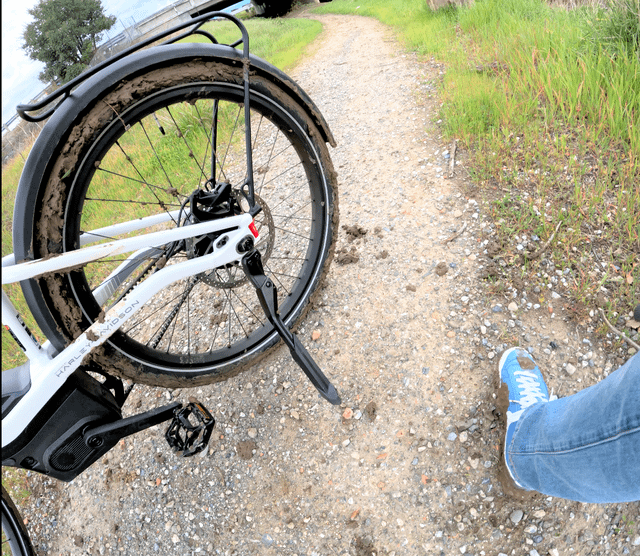
Picture this: you just returned from an exhilarating ride through the trails, the thrill of adventure still coursing through your veins. But as you glance at your bike, you notice the mud and grime clinging to your mudguards, a messy reminder of your epic journey.
You know that cleaning them is essential to keep your bike in top shape, but where do you begin? Don’t worry; you’re not alone in this. In this guide, you’ll discover simple and effective ways to clean your mudguards after those muddy rides, ensuring your bike remains ready for your next adventure.
We understand that you value your time and want the best for your trusted two-wheeled companion. By the end of this article, you’ll have practical tips at your fingertips that make cleaning less of a chore and more of a routine you can easily manage. So, let’s get started on making your post-ride cleanup as smooth as your ride itself!
Gather Necessary Tools
Gathering the right tools is essential for cleaning mudguards effectively. Start with a soft brush, mild detergent, and water. Keep a sponge and microfiber cloth handy for gentle scrubbing and drying.
Essential Cleaning Supplies
Get soft brushesfor gentle scrubbing. Use a spongeto wipe surfaces. Keep a bucketfilled with warm water ready. Prepare some mild soapfor cleaning. Grab a hoseto rinse off dirt. Don’t forget microfiber clothsfor drying.
Protective Gear
Wear glovesto protect your hands. Put on safety gogglesto guard your eyes. Choose a waterproof apronto keep clothes clean. Use rubber bootsfor safe footing. A maskcan help with dust and dirt.
Credit: www.rzrforums.net
Pre-cleaning Preparation
Prepare all necessary cleaning tools before starting. This includes a bucket, soap, soft brush, and a hose for rinsing.
Position The Bike
Place the bike on a stable surface. Use a bike stand if available. This keeps the bike from falling. Ensure safety while cleaning. Adjust the bike to a comfortable height. This makes cleaning easier.Remove Loose Mud
Use a soft brush or cloth. Gently wipe off the loose mud. Avoid scratching the bike’s surface. Check the mudguards carefully. Make sure no mud remains. Remove all visible dirt. This helps in deeper cleaning later. `Rinse Mudguards
Start by rinsing your mudguards with a garden hose. Aim for a gentle but steady flow. This helps remove loose dirt and mud quickly. Make sure to cover all areas, front and back. It’s important to hold the hose at a slight angle. This ensures that water flows off easily, taking dirt with it. Avoid using high pressure as it might damage the mudguard.
In case a hose is not available, use a large bucket of water. You can also try using a watering can. Gently pour water over the mudguards to remove dirt. Another option is using a soft sponge with water. This helps scrub off stubborn mud. Always ensure to rinse thoroughly. It’s essential to keep the mudguards clean for a smooth ride.

Credit: www.tiktok.com
Scrub The Surface
Scrub the Surface Efficiently clean mudguards by rinsing off excess mud with water. Use a soft brush to remove remaining dirt. Finish by drying with a clean cloth to prevent rust and maintain performance.
Choose The Right Brush
Using the correct brush is very important for cleaning mudguards. A soft-bristle brush works best for gentle scrubbing. Avoid hard bristles to prevent scratches. Long-handled brushes reach tricky spots easily. Rinse the brush often to remove mud.
Effective Scrubbing Techniques
Circular motions help lift dirt better than straight strokes. Start from the top and move downwards. This prevents dirt from spreading. Scrub lightly to avoid damage. Rinse with water often. Repeat scrubbing until all mud is gone.
Clean Hard-to-reach Areas
Special tools make cleaning easy. Use a soft brushfor tight spots. Brushes reach between small gaps. A toothbrushcan clean very small spaces. Sponges are good for larger areas. Always use clean water for rinsing. Dirty water spreads the mud.
Mud collects in joints and edges. Look closely at these parts. Use a clothto wipe them clean. Check the screws and bolts too. Mud hides in these areas. A small brush helps here. Clean carefully to avoid scratches. Repeat if mud stays stuck.
Dry And Inspect
Use a clean clothto wipe off any mud. Mud is easier to remove when it’s dry. Gently rub the mudguard with the cloth. Be careful not to scratch the surface. A soft cloth works best for this job.
Check for damageonce the mudguard is clean. Look for cracks or broken parts. Damaged mudguards won’t protect well. Fix any issues before the next ride. This keeps you safe and your bike in good shape.
Apply Protective Coating
Apply protective coating after cleaning mudguards. Begin by rinsing mudguards thoroughly to remove mud. Then, apply a suitable protective coating to prevent future dirt buildup and enhance durability.
Select Suitable Products
Choose quality products for your mudguards. They keep mud away. Look for options with water-repellent features. This helps in easy cleaning. Some sprays are safe for all surfaces. This means they won’t harm your mudguards.
Application Tips
Shake the spray bottle well. This mixes the ingredients evenly. Hold the bottle 6 inches away. Spray a light coat on the mudguard. Do not spray too much. Wipe with a clean cloth. This helps spread the coating evenly. Let it dry for a few minutes. Repeat if needed for extra protection.
Regular Maintenance Tips
Cleaning mudguards after muddy rides keeps them in top shape. Begin with a gentle rinse to remove loose dirt. Use a sponge with mild soap for stubborn stains, ensuring thorough rinsing and drying afterward. Regular care prevents buildup and prolongs mudguard life, enhancing your biking experience.
Set A Cleaning Schedule
Cleaning mudguards is important for their long life. Make a simple cleaning schedule. Wash them after every muddy ride. Use a soft cloth and mild soap. Avoid harsh chemicals that can damage the mudguards. Rinse thoroughly with clean water. Dry them completely to prevent rust.
Store Properly
Store mudguards in a dry place. Keep them away from direct sunlight. Hanging them on a wall can save space. Avoid stacking them under heavy objects. This can cause bending or breaking. Cover them with a cloth to keep dust away. Proper storage keeps mudguards ready for the next ride.

Credit: www.tiktok.com
Frequently Asked Questions
How To Clean Your Bike After A Muddy Ride?
Rinse your bike with low-pressure water to remove mud. Use a soft brush and mild detergent to scrub. Clean the drivetrain with a degreaser. Rinse again and dry with a clean cloth. Lubricate the chain and moving parts to prevent rust.
How To Clean Clothes After A Mud Run?
Rinse mud-soaked clothes with cold water to remove debris. Pre-treat stains with a stain remover. Wash on a heavy-duty cycle with detergent. Add vinegar or baking soda for odor removal. Air dry to prevent shrinking.
How To Clean Your Car After Mud?
Begin by rinsing off loose mud with a hose. Apply car shampoo and gently scrub with a sponge. Focus on muddy areas. Rinse thoroughly and dry with a microfiber towel. Clean the wheels using a dedicated cleaner for a spotless finish.
Ensure all mud residue is removed for a pristine look.
How To Clean Up After Mudding?
Begin by removing excess mud with a shovel or broom. Use a hose to wash the remaining dirt. Scrub surfaces with soapy water and a brush. Dry with towels or let air dry. Dispose of mud responsibly.
Conclusion
Cleaning mudguards after muddy rides is simple with these steps. Keep your bike looking fresh. Regular maintenance prevents long-term damage. First, remove excess mud using a hose or cloth. Next, scrub gently with soap and water. Dry thoroughly to avoid rust.
Routine care means better performance. Your rides stay enjoyable and safe. Always prioritize mudguard cleanliness. Protects bike and rider. A little effort goes a long way. Stay proactive and enjoy smoother rides. Mudguards deserve attention too. Happy cycling!



