
Have you ever tried to unlock your bike only to find the lock grimy and resistant? A clean bike lock not only looks better but also works more smoothly, helping you avoid frustrating delays.
If you’ve been putting off cleaning your bike lock, you’re not alone. Many people overlook this simple yet crucial task. But what if I told you that just a few minutes of your time could save you from sticky lock mishaps?
In this guide, you’ll discover easy steps to keep your bike lock in top shape, ensuring it’s ready to use whenever you need it. Stay with us, and you’ll learn how a clean lock can give you peace of mind and keep your bike secure.
Types Of Bike Locks
U-locks are strong and hard to break. They have a solid metal bar. This bar can resist cutting tools. Thieves find them tough to open. Always choose a U-lock with the right size. It should fit your bike frame and wheel. Small gaps make it hard to use tools.
Cable locks are flexible and light. They are easy to carry around. These locks can wrap around large objects. But they are less secure than U-locks. Thin cables can be cut quickly. Use them for short stops or as extra security. Pair with a U-lock for better safety.
Chain locks are heavy but very strong. They have thick, metal links. These links can resist cutting tools. Choose a chain lock with a tough cover. This cover stops scratches on your bike. They are best for high-theft areas. Use with a sturdy padlock for added security.
Common Causes Of Rust
Rain can cause bike locks to rust. Water makes metal weak. Dust and dirt build up over time. These can harm the lock. Sun can also damage the lock. Heat makes metal expand. Expansion can lead to rust. Snow and ice can freeze the lock. Cold weather makes metal brittle.
Some metals rust faster. Iron and steel are most likely to rust. These metals need extra care. Aluminum resists rust better. Stainless steel is also good. Regular checks keep locks safe. Protect locks from weather. Use covers if possible. Oil can protect metal parts. It creates a barrier against moisture.
Essential Cleaning Tools
Use a gentle soap mixed with warm water. It helps remove dirt. Choose a biodegradable cleaner to protect the environment. Avoid harsh chemicals that can damage the lock.
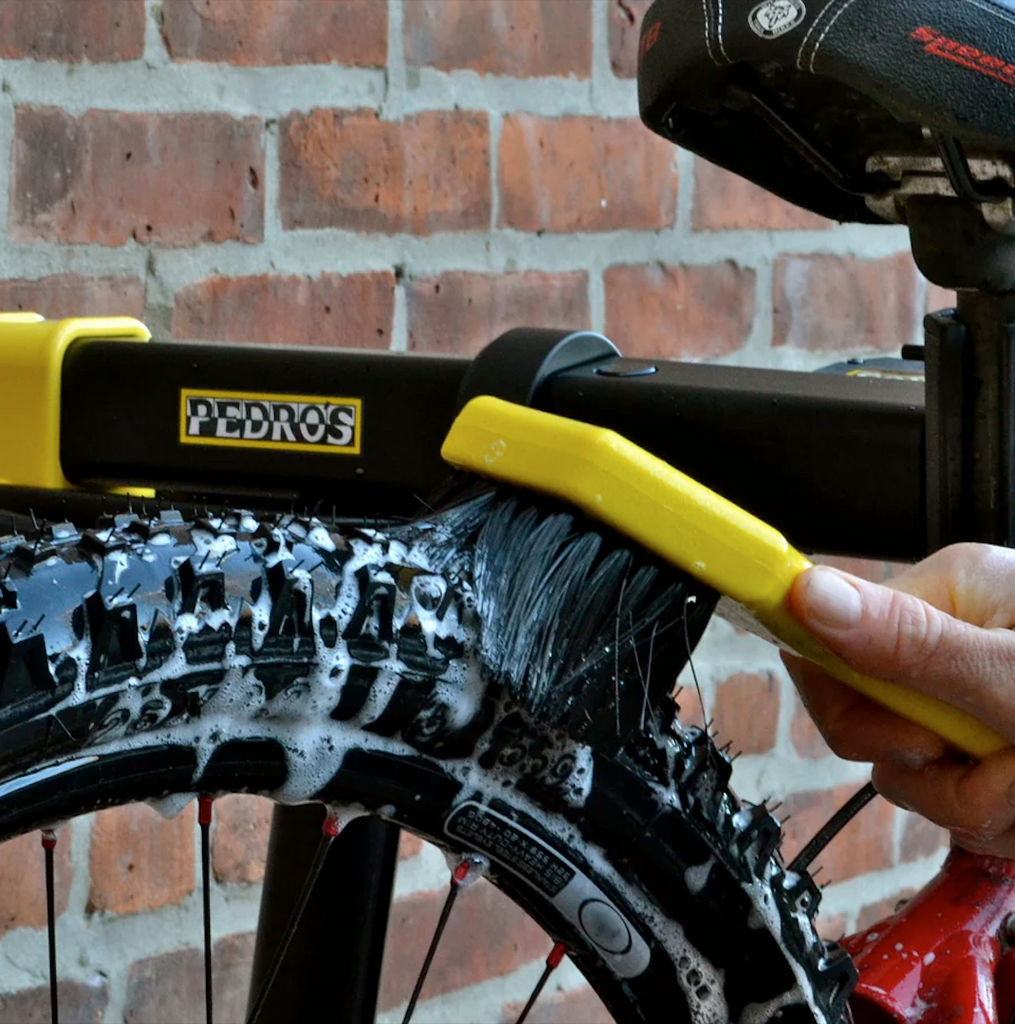
Soft bristle brushes are best for removing grime. Small toothbrushes can reach tight spots. Use a microfiber cloth to wipe surfaces. It leaves no lint behind. An old towel works for drying the lock.
Apply a bike-specific lubricant to the lock mechanism. It keeps the lock smooth and rust-free. Use a silicone spray to protect from moisture. Avoid using oil-based products. They attract more dirt.
Credit: sportandleisure.com
Step-by-step Cleaning Process
Check the lock for any visible issues. Look for broken parts or rust spots. Make sure the keyhole is clear. Inspect the outer casing for dirt and grime. Turn the lock to see if it moves smoothly.
Use a soft cloth to wipe away dust. Apply warm water and mild soap. Scrub gently with a brush. Dry with a clean towel. Ensure no water is trapped in the lock.
Apply a small amount of vinegar to a cloth. Rub the rusty spots gently. Use a soft brush for stubborn areas. Rinse with clean water and dry. Apply a small amount of oil to prevent future rust.
Preventing Future Rust
Keep the bike lock in a dry place. This helps prevent rust. Avoid storing it on the ground. Moisture from the ground can cause rust. Use a hook or shelfto hang it. This keeps it off damp surfaces. Store the bike lock indoors when not in use. Outdoor storage increases rust risk.
Check the lock for rust every month. Wipe it with a soft cloth. This removes dust and dirt. Apply a light oilto the lock parts. This helps keep them smooth. Use a small brushto clean tight spots. Keep the lock dry after cleaning. This prevents rust from forming.

Credit: www.youtube.com
Choosing Rust-resistant Locks
Choosing rust-resistant locks is crucial for maintaining your bike lock. Regular cleaning keeps them in top condition. Use a soft brush and mild soap to remove dirt. Dry thoroughly to prevent rust and ensure long-lasting performance.
Material Considerations
Choosing the right material is very important. Stainless steel is a good choice. It does not rust easily. Titanium is also strong and light. Some locks use plastic coatings. This keeps water away from metal parts.
Weatherproof Features
Weather can harm bike locks. Waterproof seals are helpful. They stop water from getting inside. Rubber covers protect the keyhole. This keeps out dirt and rain. Dust caps are another good feature. They close the keyhole when not in use. Look for locks with these features. They last longer in bad weather.

Credit: www.youtube.com
Frequently Asked Questions
Is Wd-40 Good For Bike Locks?
WD-40 is not ideal for bike locks. It may attract dirt and cause jamming. Use a graphite or Teflon-based lubricant instead to ensure smooth operation and longevity of your bike lock.
How To Clean Out A Dirty Lock?
Spray a lubricant like WD-40 into the lock. Insert and turn the key several times to distribute. Use compressed air to clear debris. Repeat if necessary for thorough cleaning. Ensure the lock is dry before use to avoid attracting dirt.
How To Clean A Gummed Up Lock?
Apply a graphite lubricant to the lock. Insert the key and turn it to distribute the lubricant. Use a cotton swab with rubbing alcohol to clean the keyhole. Repeat if necessary until smooth operation is restored. Avoid oil-based lubricants as they attract dirt and can worsen the issue.
How To Fix A Bike Lock That Won’t Unlock?
Apply lubricant to the lock to loosen any stuck parts. Gently jiggle the key while turning. If unsuccessful, use a lock pick or contact a locksmith for assistance. Avoid forcing the lock to prevent damage. Regular maintenance can help prevent future issues.
Conclusion
Cleaning your bike lock is simple and keeps it working well. Regular maintenance prevents rust and dirt buildup. Use a soft cloth to wipe the lock down. Apply lubricant to moving parts for smooth operation. Avoid harsh chemicals that can damage the lock.
Inspect for any signs of wear or damage. A clean lock ensures better security for your bike. Take time to clean it often. This keeps your lock reliable and your bike safe. With these easy steps, your bike lock will stay in great shape.
Keep your bike secure with a clean, well-maintained lock.



