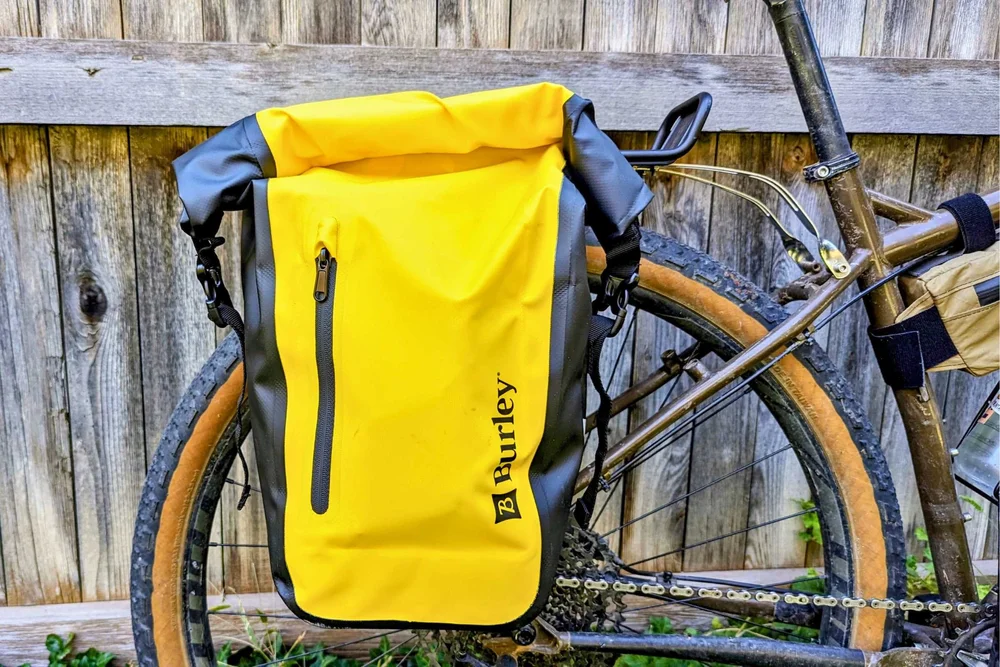
Choosing the right waterproof panniers for your bikepacking adventure can make all the difference between a smooth ride and a soggy mess. You need gear that keeps your belongings safe, dry, and easily accessible no matter the weather.
But with so many options out there, how do you find panniers that fit your bike, your style, and your needs? This guide will help you cut through the confusion and pick the perfect waterproof panniers to keep your gear protected, so you can focus on the road ahead without worry.
Keep reading to discover what really matters when selecting panniers designed to withstand the elements.
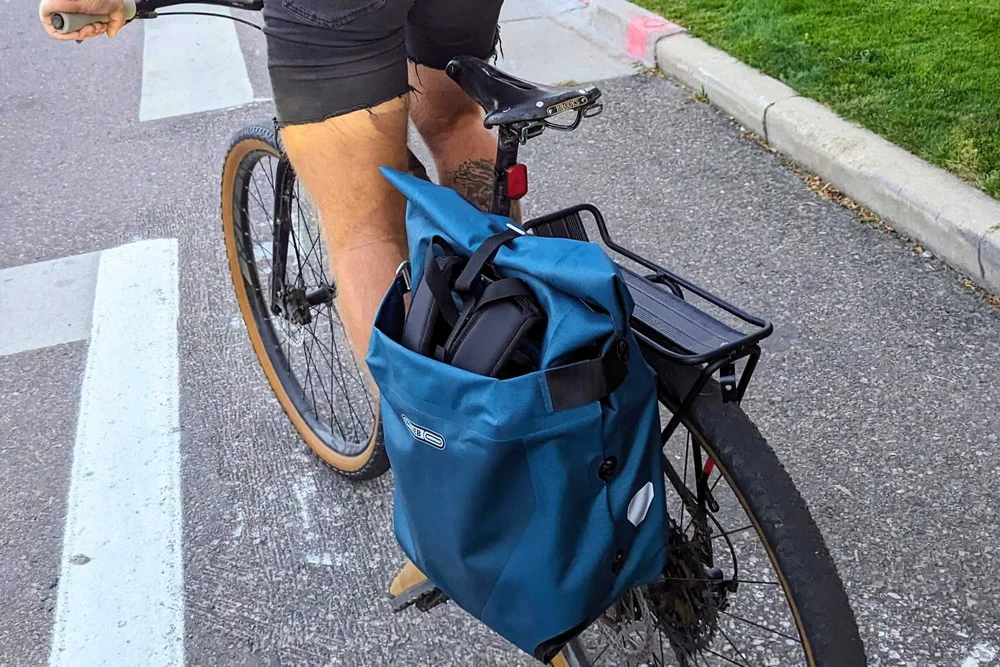
Credit: www.treelinereview.com
Benefits Of Waterproof Panniers
Waterproof panniers keep your gear safe from wet weather. They are important for bikepacking trips where rain is likely.
Choosing the right waterproof panniers helps protect your belongings and makes your trip easier and more comfortable.
Protecting Gear From Rain
Waterproof panniers stop water from soaking your clothes, electronics, and food. They give you peace of mind during rain or river crossings.
- Keep electronics dry and working
- Prevent clothes from getting wet and heavy
- Protect food from spoilage
- Stop important documents from damage
Durability And Longevity
Waterproof panniers usually use tough materials that resist tears and abrasions. They last longer in rough conditions and save you money.
| Feature | Benefit |
| Tear-resistant fabric | Prevents damage from sharp objects |
| Strong seams | Keeps bag intact under heavy load |
| Waterproof zippers or roll tops | Stops water entry even in heavy rain |
| UV-resistant coating | Protects from sun damage |
Enhanced Versatility
Waterproof panniers work well in many conditions. They help you carry gear safely whether you bike on roads, trails, or cross rivers.
- Use in wet weather without worry
- Store food and electronics safely
- Easy to clean after muddy rides
- Can double as dry bags off the bike
Key Features To Consider
Choosing waterproof panniers for bikepacking needs care. You want bags that keep your gear dry and fit your bike well.
Look at key features before buying. This guide covers important points to help you decide.
Material And Construction
Strong materials keep water out and resist wear. Look for fabrics like PVC or tarpaulin. These are tough and waterproof.
- Check for reinforced seams to stop leaks
- Choose durable fabric for rough rides
- Consider weight of material for easy carrying
- Look for UV resistance to prevent fading
Closure Systems
Closure type affects how well the bag seals out water. Roll-top closures are common and reliable. Waterproof zippers offer quick access but may wear out faster.
| Closure Type | Waterproof Level | Ease of Use |
| Roll-top | High | Moderate |
| Waterproof zipper | Medium | Easy |
| Flap with buckle | Low | Easy |
Mounting Compatibility
Check if panniers fit your bike rack. Some use hooks, others straps or clips. Adjustable mounts work for many bikes.
Secure mounting stops movement during rides. It also helps protect your gear and bike frame.
Capacity And Size
Choose size based on how much you carry. Bigger panniers hold more but add weight and bulk. Smaller ones are lighter but fit less gear.
- Match capacity to trip length and gear needs
- Consider if you want one or two panniers
- Check if size affects bike balance or handling
Types Of Waterproof Panniers
Waterproof panniers keep your gear dry during bikepacking trips. Choosing the right type helps protect your items better.
Different styles offer unique features and levels of waterproofing. Knowing the types helps you pick what fits your needs.
Roll-top Panniers
Roll-top panniers use a roll-down closure to seal the bag. This design prevents water from entering easily.
You roll the top down several times and clip it shut. This creates a tight, waterproof seal for your gear.
- Simple and reliable waterproof closure
- Allows flexible packing space
- Easy to open and close
- Works well in heavy rain
Zip-sealed Panniers
Zip-sealed panniers use waterproof zippers to close the bag. These zippers stop water from leaking inside.
They offer quick access to your belongings without unrolling or unclipping. Some zippers have extra flaps for more protection.
- Fast and easy to open
- Good waterproof protection
- May be less flexible than roll-top style
- Best for organized packing
Hybrid Designs
Hybrid panniers combine features from roll-top and zip-sealed types. They offer both flexibility and quick access.
These bags might use a roll-top with a zip pocket outside. The hybrid style helps keep gear dry and easy to reach.
- Mixes waterproof sealing methods
- Good balance of protection and convenience
- Often have extra compartments
- Great for varied weather conditions

Credit: www.treelinereview.com
Choosing The Right Capacity
Choosing waterproof panniers means picking the right size for your trip. The capacity affects how much gear you can carry and how comfortable your ride will be.
Too small panniers might leave you without space. Too big panniers can add extra weight and bulk.
Short Trips Vs Long Expeditions
Short trips need less space. You only carry essentials like food, water, and a light jacket. Small panniers with 10-20 liters capacity work well.
Long expeditions require more gear. You pack clothes, cooking gear, and camping supplies. Larger panniers with 30-40 liters or more are better for these trips.
- Short trips: 10-20 liters
- Long trips: 30-40+ liters
- Consider how many days you’ll be out
Balancing Weight And Space
More capacity means more weight. Heavy panniers make cycling harder and slow you down. Find a balance between space and weight.
Pack only what you need. Choose lightweight panniers to help keep your bike easy to ride. Avoid overpacking to stay comfortable.
- Use lightweight materials
- Pack essential items only
- Distribute weight evenly
Mounting And Stability
Choosing the right waterproof panniers for bikepacking means thinking about how they mount on your bike. Stability is important for a safe and smooth ride.
This guide helps you understand mounting and stability features to pick panniers that stay secure and balanced.
Rack Compatibility
Check if the panniers fit your bike rack size and shape. Not all panniers work with every rack.
Some racks have special shapes or mounting points. Panniers should match these to fit properly and hold tight.
- Measure your rack width and height
- Look for panniers designed for your rack type
- Consider weight limits of the rack and panniers
Attachment Mechanisms
Panniers use hooks, clips, or straps to attach to racks. The right mechanism keeps bags secure during your ride.
Strong, easy-to-use attachments save time and reduce the risk of bags falling off.
- Hooks are quick to mount and remove
- Clips offer a firm hold on the rack
- Straps add extra security and adjustability
- Look for anti-slip features on attachments
Preventing Sway And Bounce
Panniers can sway or bounce if not secured well. This affects your balance and comfort.
Choose panniers with features to reduce movement during your ride on rough roads or trails.
- Lower mounting points keep weight steady
- Compression straps tighten the load
- Anti-sway hooks connect bags to rack side rails
- Use padded or rubberized contact areas for grip
Additional Features To Look For
Choosing waterproof panniers for bikepacking means checking beyond just water resistance. Extra features can make your trip easier and safer.
Look closely at details that improve visibility, storage options, and bag stability. These help during long rides and in different weather conditions.
Reflective Elements
Reflective parts on panniers increase your visibility to drivers at night or in low light. They add an important safety layer for your bikepacking trips.
- Reflective strips along the edges
- Reflective logos or patches
- Glow-in-the-dark zipper pulls
- Placement that shines when car headlights hit
External Pockets
External pockets help organize small items you need quick access to. They keep things separate from your main storage space.
| Type | Use |
| Mesh pockets | Hold water bottles or maps |
| Zippered pockets | Store valuables like keys or phone |
| Expandable pockets | Fit extra gear or snacks |
Compression Straps
Compression straps tighten your panniers to reduce bulk and keep gear stable. They help keep weight balanced and prevent shifting on rough roads.
- Straps with quick-release buckles for easy adjustments
- Strong, durable materials to hold heavy loads
- Multiple straps to compress different sections
- Placement that does not block pannier openings
Popular Brands And Models
Choosing waterproof panniers is key for bikepacking trips. The right brand and model keep your gear dry and safe. Many brands offer different features and price points.
This guide covers popular high-end and budget-friendly panniers. You will find options to fit various needs and budgets.
High-end Options
High-end panniers offer top materials and designs. They focus on durability, waterproofing, and ease of use. These models often include extra features like quick-release mounts and reflective details.
- Ortlieb Back-Roller Classic:Known for fully waterproof fabric and roll-top closure.
- Arkel Orca 45:Offers large capacity and robust mounting systems.
- Restrap Waterproof Panniers:Lightweight with high-quality waterproof materials.
Budget-friendly Choices
Budget-friendly panniers provide waterproofing without a high price. They may use simpler materials and fewer extras. These models work well for casual bikepackers and beginners.
| Brand | Model | Waterproof Rating | Price Range |
| Topeak | MTX Trunk Bag DXP | Water-resistant | $50 – $80 |
| Roswheel | Waterproof Pannier Bags | Waterproof | $40 – $70 |
| BV | Waterproof Bike Pannier | Water-resistant | $30 – $60 |
Maintenance Tips For Waterproof Panniers
Waterproof panniers protect your gear in wet weather. Keeping them clean and intact helps them last longer. Proper care ensures they stay effective on your bikepacking trips.
Follow simple maintenance steps to keep your panniers in top shape. This guide covers cleaning, drying, and fixing small damages to seams and tears.
Cleaning And Drying
Clean your panniers after every trip to remove dirt and salt. Use cool water and mild soap to avoid damage. Avoid harsh detergents that can break down waterproof coatings.
- Empty all contents from the panniers.
- Use a soft brush to remove loose dirt.
- Wash with mild soap and cool water.
- Rinse thoroughly to remove soap residue.
- Dry panniers in a shaded, well-ventilated area.
- Do not use direct sunlight or heat sources.
Repairing Tears And Seams
Small tears or broken seams can cause leaks. Fix them quickly to keep your panniers waterproof. Use repair kits designed for waterproof fabrics.
| Damage Type | Repair Method | Materials Needed |
| Small tear | Patch with waterproof tape or fabric | Waterproof tape, scissors, cleaning cloth |
| Broken seam | Apply seam sealer or sew with waterproof thread | Seam sealer, needle, waterproof thread |
| Large tear | Use a patch and resew if possible | Patch material, waterproof thread, needle |
Budgeting For Your Panniers
Choosing the right waterproof panniers means planning your budget well. You want to find bags that protect your gear without costing too much.
Knowing how much to spend helps you avoid buying panniers that fail quickly or waste money on features you do not need.
Cost Vs Quality
Cheap panniers might save money at first. But they often use lower quality materials and zippers. This can lead to leaks or tears during your trips.
Higher quality panniers usually cost more. They use better fabrics and waterproof seals. This keeps your gear dry and safe in tough weather.
- Low cost: may wear out fast and leak
- Mid cost: balance of quality and price
- High cost: durable and highly waterproof
Investing In Longevity
Buying panniers that last saves money over time. Durable bags reduce the need for replacements. They also protect your gear better on long rides.
Look for strong seams, reliable closures, and tough materials. These features help your panniers resist wear and keep water out for years.
- Reinforced stitching increases bag strength
- Waterproof coatings keep water away
- Quality hardware lasts through rough use
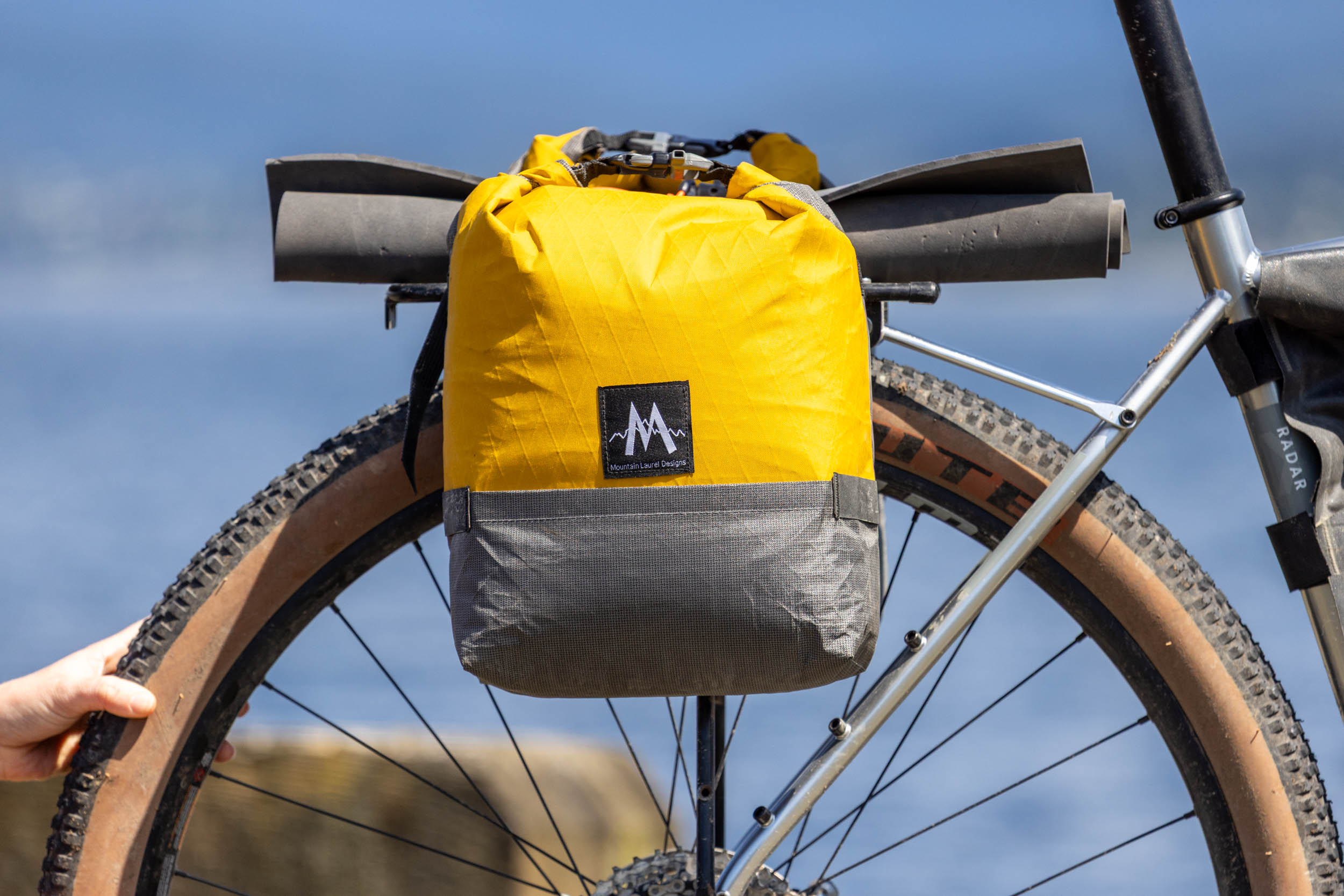
Credit: bikepacking.com
Frequently Asked Questions
What Materials Make The Best Waterproof Panniers?
The best waterproof panniers use durable materials like PVC, tarpaulin, or coated nylon. These materials resist water and tears, ensuring your gear stays dry during bikepacking trips. Choose panniers with sealed seams and waterproof zippers for extra protection.
How To Check Pannier Capacity For Bikepacking?
Check pannier capacity by assessing your gear size and trip length. Most bikepacking panniers range from 10 to 25 liters. Choose panniers that balance enough storage with lightweight design to avoid affecting your bike’s performance.
Are Waterproof Panniers Heavy Or Lightweight?
Waterproof panniers vary in weight but often add minimal bulk. Modern materials keep them lightweight while offering strong water resistance. Prioritize panniers that offer durability without compromising your bike’s speed or handling.
Can Panniers Fit All Types Of Bike Racks?
Not all panniers fit every bike rack. Check compatibility with your bike’s rack size and mounting system. Many panniers offer adjustable hooks or straps to fit various racks, ensuring a secure and stable fit during rides.
Conclusion
Choosing the right waterproof panniers is crucial for successful bikepacking. Consider durability and weight. Check for secure closures and seams. Look for adjustable straps for a snug fit. Size matters, so pick what suits your needs. Reflective materials add safety for night rides.
Ventilation can prevent odors. Always test for waterproof quality before long trips. A good choice enhances your adventure. Happy bikepacking!