
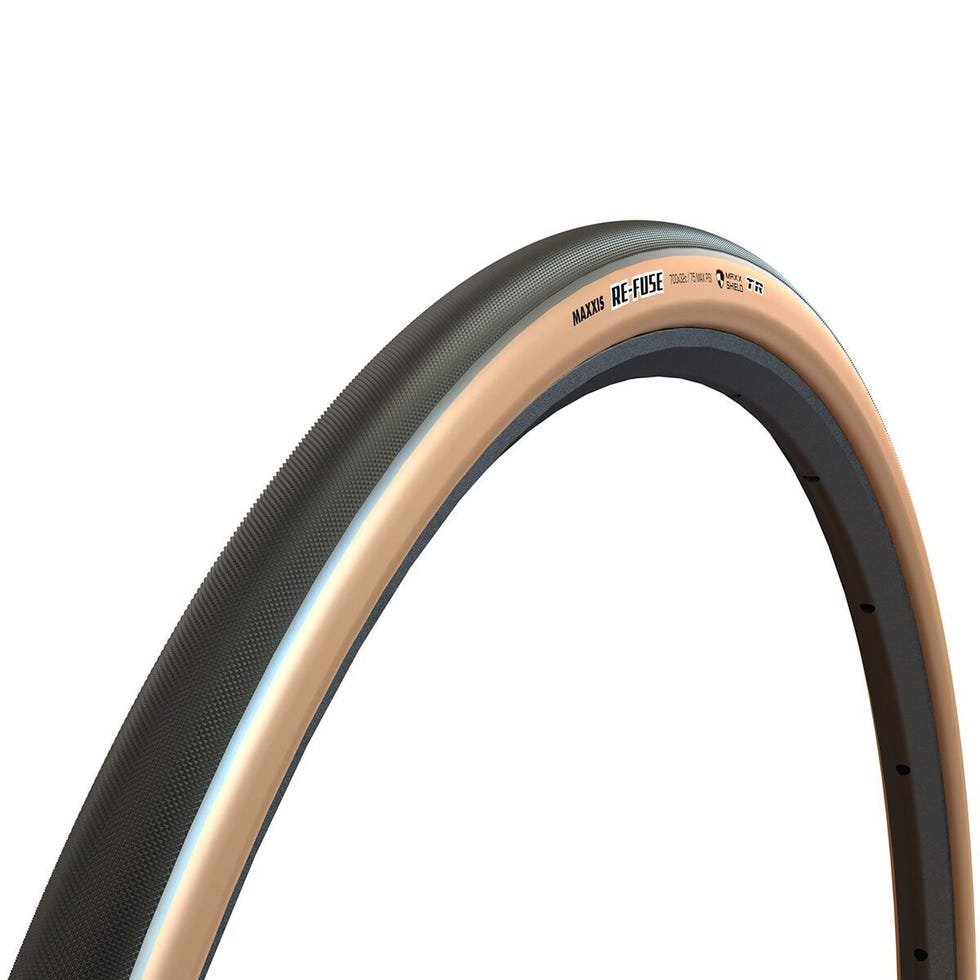
Choosing the right tires for your road cycling adventures can transform your experience on the pavement. Imagine gliding smoothly over the asphalt, feeling the difference in speed and control.
It’s not just about the ride; it’s about the thrill and satisfaction of knowing your bike is equipped for optimal performance. Have you ever wondered how tire choices can impact your cycling efficiency and safety? Your tire selection affects everything from speed and grip to comfort and durability.
In this guide, you’ll discover how to pick the perfect tires that match your cycling style and goals. Dive in to unlock the secrets that will elevate your cycling game and make each ride more exhilarating than the last!
Types Of Road Cycling Tires
Clincher tires are popular among cyclists. They have a separate tube inside. The rim holds the tire bead in place. Most bikes use clincher tires. They are easy to change. Punctures can be fixed quickly. Clincher tires offer good grip. They work well on different roads.
Tubular tires are lightweight and smooth. The tube is sewn inside the tire. They need special rims. Professional racers often use them. Tubular tires are glued to the rim. They provide better speed on races. Changing them takes more time.
Tubeless tires have no inner tube. They use sealant to prevent leaks. They offer a smoother ride. Flat tires are less common with tubeless. They reduce the risk of pinch flats. Tubeless tires are great for rough paths. They require special rims.

Credit: hyclinebike.com
Tire Width Considerations
Wider tires can be slower than narrow ones. Narrow tires reduce air resistance. This helps you go faster. They are great for smooth roads. But they might not be comfy on bumpy roads. Speed lovers often pick narrow tires.
Wider tires offer more comfort on rough roads. They absorb bumps better. This makes rides smoother. Stability improves with wider tires. They grip the road well. This is good for safe rides. Choose wider tires for comfy cycling.
Different terrains need different tires. Flat roads suit narrow tires. Bumpy paths need wider tires. Consider where you’ll ride most. Picking the right tire helps a lot. It makes cycling more fun and safe.
Tread Patterns And Grip
Slick tires are perfect for smooth roads. They have no grooves or textures. This makes them very fast. They offer less friction. Cyclists love them for speed. But they are not for rainy days. They can slip on wet surfaces. Choose slick tires for sunny rides. Make sure roads are dry.
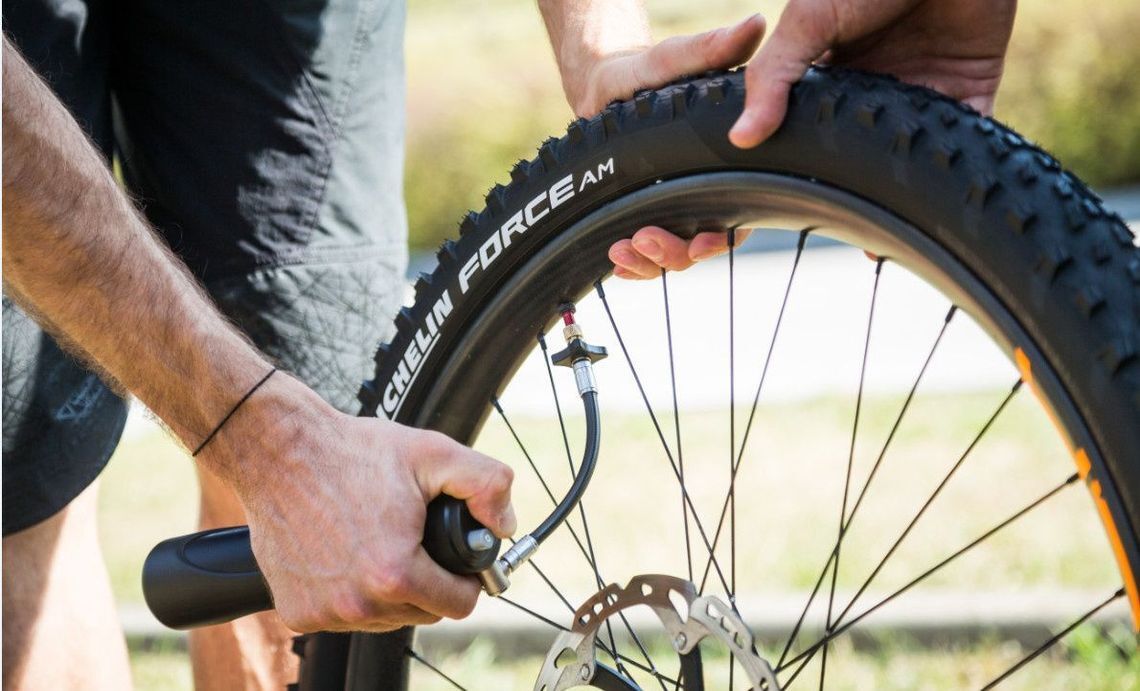
Textured tires have grooves and patterns. These help in wet conditions. They grip the road better when it’s rainy. This prevents slipping. They slow you down a bit. Safety is more important than speed. Textured tires are great for muddy paths too. Always check the weather before you ride.
Credit: www.michelin.ca
Tire Pressure And Performance
Finding the right PSI level is key to cycling success. Higher PSI levels can boost speed. Lower PSI levels offer more comfort. Many cyclists prefer PSI between 80 and 130. This range balances speed and comfort well. Proper PSI can prevent punctures. It also provides better grip on roads. Check your tire sidewall for recommended PSI.
Speed and comfort need balance. Higher pressure means faster rides. But it can feel rough on the road. Lower pressure makes riding smooth. But it might slow you down. Choose a PSI that feels right for you. Adjust pressure based on road conditions. Smooth roads might need higher PSI. Bumpy roads might need lower PSI. Always test different settings to find your best fit.
Durability And Longevity
Puncture resistanceis crucial for road cyclists. It helps prevent flat tires. Choose tires with thick rubber layers. This adds extra protection against sharp objects. Some tires have special lining for more safety. These linings block nails and glass. Always check for good puncture resistance. It saves time and trouble on long rides.
Wear indicators show tire health. They help know when to replace tires. Some tires have colored stripes that fade. Others have small holes or marks that disappear. Checking wear indicators is easy and fast. It ensures tires are safe and ready for rides. Always keep an eye on these indicators. It helps avoid accidents and keeps rides smooth.
Weight And Rolling Resistance
Choosing the right tires involves balancing weight and rolling resistance. Lightweight tires enhance speed but may compromise durability. Lower rolling resistance improves efficiency, making pedaling easier on the road.
Lightweight Options
Light tires make bikes go faster. They help on uphill roads. Less weight means less effort. Lightweight tires improve speed. They are easier to handle. These tires often cost more. But they give a smoother ride. Lightweight tires are popular with racers. They help you go further with less energy.
Impact On Cycling Efficiency
Rolling resistance affects tire speed. Smooth tires roll better on roads. Rough tires slow you down. Low resistance means less energy wasted. Tires with less resistance make cycling easier. You can ride faster and longer. Efficient tires save energy. Choose tires with good grip and low resistance. This boosts your cycling performance.
Budget And Cost Factors
Consider both price and quality when selecting tires for road cycling. Balancing cost with durability and performance is key. Choose wisely to enhance your cycling experience.
Premium Vs. Budget Tires
Budget tires are often cheaper than premium ones. They may not last as long. Premium tires have better grip and durability. They are made with high-quality materials. Budget tires can be a good choice for casual riders. Premium tires are ideal for serious cyclists and races. Choosing between them depends on your needs and riding style.
Long-term Investment
Premium tires can save money over time. They last longer and reduce the need for frequent replacements. This means fewer trips to the shop. Budget tires may need replacing more often. Consider how often you ride when choosing. Frequent riders might benefit from premium options.
Environmental Impact
Choosing eco-friendly road cycling tires reduces pollution and conserves resources. Opt for durable tires to minimize waste and decrease manufacturing demand, ensuring a sustainable ride.
Eco-friendly Materials
Choosing eco-friendly tires helps protect the planet. These tires use natural rubberand recycled materials. They reduce the harm to our environment. Some brands focus on using less energy in production. This means fewer carbon emissions. It’s good for our Earth. Eco-friendly choices make a big difference.
Recycling And Disposal
Recycling old tires is important. It keeps them out of landfills. Tires can take many years to break down. Many shops offer tire recyclingservices. They turn old tires into new products. Proper disposal helps save resources. It also prevents pollution. Always check for recycling options in your area. Doing this helps our environment stay clean and green.
Expert Advice And Recommendations
Cyclists pick tires for speed and safety. They prefer tires that grip well. Good grip means safer rides. Many choose tires with strong puncture resistance. This stops flats and keeps rides smooth. Lightweight tires help cyclists go faster. Less weight means less effort. Professionals often use special tires for races. These tires focus on speed over comfort.
- Continental: Known for durability and grip.
- Michelin: Offers great puncture resistance.
- Schwalbe: Popular for lightweight options.
- Vittoria: Provides race-focused tires.

Credit: www.bikeradar.com
Frequently Asked Questions
What Does 700c Mean On A Bike Tire?
The term 700c refers to the wheel size of a bike tire. It is approximately 29 inches in diameter. This size is commonly used for road bikes and hybrids. The “c” indicates an old French system for tire sizing.
Do Pro Riders Use 28mm Tires?
Yes, many professional cyclists use 28mm tires. They offer improved comfort and grip, especially on rough roads. These tires can enhance aerodynamics and reduce rolling resistance, making them a popular choice for racers. While tire choice depends on conditions, 28mm is increasingly favored for versatility and performance.
Are 28mm Tyres Faster Than 25mm Road Bike?
28mm tyres can offer more comfort and grip, while 25mm tyres are generally faster due to lower rolling resistance. Aerodynamics, road conditions, and rider preference also affect speed. Choose based on your priorities and riding style.
What Are The Three Types Of Bike Tires?
Bike tires come in three main types: clincher, tubular, and tubeless. Clincher tires use a wire bead for support. Tubular tires are glued to the rim and have a seamless construction. Tubeless tires don’t require an inner tube, providing better puncture resistance and a smoother ride.
Conclusion
Choosing the right tires boosts your road cycling experience. Consider tire width for comfort and speed. Select durable materials for longer lifespan. Tread patterns matter; they affect grip and rolling resistance. Match tire type to your riding style and terrain.
Regular maintenance keeps tires in top shape. Check air pressure often. Replace worn tires promptly. Quality tires enhance safety, efficiency, and enjoyment. Make informed choices. Your cycling journey deserves the best. Remember, good tires mean better rides. Stay informed and enjoy the ride.
Safe travels and happy cycling!



