
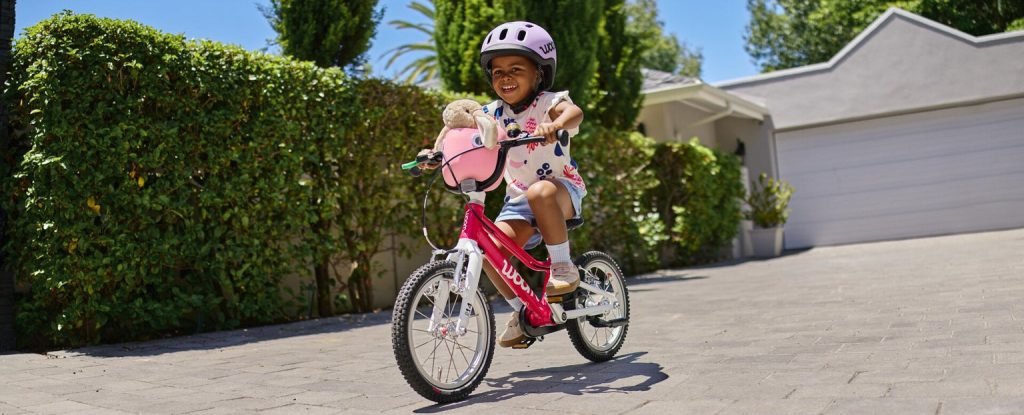
Choosing the right size bike for your child can feel overwhelming. You want your little one to ride safely, comfortably, and with confidence.
But how do you know which size is best? Picking the wrong size can make riding frustrating or even unsafe. You’ll discover simple tips that make finding the perfect bike size easy. Keep reading, and you’ll soon help your child enjoy every pedal stroke with a bike that fits just right.

Credit: www.hipkids.com.au
Why Bike Size Matters
Choosing the right bike size for a child is very important. A bike that fits well helps kids ride safely and enjoy their time outside.
If the bike is too big or small, it can cause discomfort and make riding hard. It also can increase the chance of accidents.
Comfort And Control
A bike that fits your child allows them to sit and reach the handlebars easily. This helps them feel comfortable and confident while riding.
If a bike is too big, your child may struggle to reach the pedals or brake. This makes it hard to control the bike safely.
Safety
The right bike size helps your child keep balance and stop quickly. This lowers the risk of falls and injuries.
A bike that is too small or too large can cause your child to lose control or fall off easily. Proper size is key to safe riding.
Skill Development
Riding a bike that fits well helps children learn faster. They can practice balance, steering, and braking without extra struggle.
If the bike is the right size, kids feel more confident and enjoy learning new skills. This encourages them to ride more often.
Growth And Adjustability
Kids grow fast, so it is good to find a bike that fits now but can also adjust. Some bikes have seat and handlebar heights that change.
Choosing a bike with adjustable parts means your child can use it longer as they grow. This saves money and effort.

Credit: timesofsandiego.com
Measuring Your Child’s Height
Choosing the right bike size starts with measuring your child’s height. This helps pick a bike that fits well and is safe.
Measuring your child’s height is simple. You only need a flat wall, a tape measure, and a pencil.
Prepare The Measuring Area
Find a flat wall without baseboards. Make sure the floor is flat and hard. Your child should stand straight against the wall.
Remove shoes and any headwear. Your child’s feet should touch the wall, heels together, and eyes looking forward.
Mark Your Child’s Height
Use a pencil to mark the wall at the top of your child’s head. Make sure the mark is straight and not slanted.
It helps to use a flat object, like a book, to make the mark flat and level across the head.
Measure The Height
Use a tape measure to find the distance from the floor to the mark. This number is your child’s height.
Record the height in inches or centimeters. This will guide you when choosing the bike size.
Use Height To Choose Bike Size
Bike sizes are often based on wheel diameter. Matching wheel size to your child’s height helps with comfort.
- Height 85-100 cm: 12-inch wheels
- Height 95-110 cm: 14-inch wheels
- Height 105-120 cm: 16-inch wheels
- Height 115-130 cm: 18-inch wheels
- Height 125-140 cm: 20-inch wheels
Checking Inseam Length
Choosing the right bike size for a child keeps riding safe and fun. The inseam length is key to picking the right bike size.
The inseam length helps find a bike where the child can reach the pedals and ground easily.
What Is Inseam Length?
The inseam length is the distance from the crotch to the floor. It shows how long the child’s legs are.
This measurement helps choose a bike frame that fits the child’s height and leg length well.
How To Measure Inseam Length
Use a tape measure or ruler to find the inseam length. Have the child stand straight with feet about 6 inches apart.
Place a book or flat object between the legs, snug against the crotch. Measure from the top of the book to the floor.
- Child should wear shoes or be barefoot, depending on the bike use
- Measure both legs and use the longer one for accuracy
- Repeat the measurement a couple of times for consistency
Using Inseam Length To Choose Bike Size
Compare the inseam length to the bike’s standover height. The child should stand over the bike with both feet flat.
There should be at least 1 to 2 inches of clearance between the child’s crotch and the bike frame.
| Inseam Length | Recommended Bike Size |
| 14 to 17 inches | 12-inch wheel bike |
| 16 to 20 inches | 14-inch wheel bike |
| 18 to 22 inches | 16-inch wheel bike |
| 20 to 24 inches | 18-inch wheel bike |
Why Inseam Length Matters More Than Age
Children grow at different rates. Age alone does not show the right bike size.
Using inseam length ensures the bike fits well and is comfortable to ride.
- Prevents the child from overreaching or sliding off the seat
- Helps with balance and control
- Reduces the risk of injury

Credit: averagejoecyclist.com
Age And Skill Level Considerations
Choosing the right bike size for a child depends on more than just their height. Age and skill level are important to consider. These factors help ensure the bike is safe and comfortable.
Matching a bike to a child’s abilities helps them learn faster and enjoy riding. Bikes that are too big or too small can cause frustration or accidents.
Understanding Age Ranges
Children grow quickly, so bike size changes often. Age groups give a general guide to bike size, but skill and height matter too.
- Toddlers (2-4 years): Use balance bikes or small pedal bikes with 12-inch wheels.
- Young children (5-7 years): Bikes with 16- or 18-inch wheels work well.
- Older kids (8-10 years): Bikes with 20-inch wheels fit best.
- Preteens (11+ years): A 24-inch wheel bike or a small adult bike may suit them.
Skill Level And Bike Fit
A child’s skill level affects the bike size and type. Beginners need bikes that are easy to control and lighter in weight.
| Skill Level | Recommended Bike Features |
| Beginner | Lower seat height, light frame, training wheels optional |
| Intermediate | Standard seat height, no training wheels, adjustable components |
| Advanced | Full-size bike, multiple gears, suitable for longer rides |
Adjusting For Comfort And Safety
A proper fit helps children feel secure. Check if they can touch the ground with their feet. The seat and handlebars should adjust as they grow.
Quick fit checklist:
- Child sits with feet flat on the ground.
- Hands reach the handlebars without stretching.
- Child can easily reach brakes and pedals.
- Bike weight feels manageable to lift and control.
Wheel Size And Its Impact
Choosing the right bike size for a child is very important. The wheel size plays a big role in how comfortable and safe the bike feels.
Wheel size affects the bike’s speed, balance, and control. It helps match the bike to the child’s height and skill level.
Understanding Wheel Sizes
Bike wheels come in many sizes, usually measured in inches. The common sizes for kids range from 12 to 24 inches.
Smaller wheels are easier to control and balance for young children. Larger wheels suit older kids who ride faster and farther.
How Wheel Size Affects Balance
Smaller wheels help kids learn balance and steering. They are lower to the ground, which makes falling less risky.
Larger wheels can make balancing harder for very young riders. They need more strength and skill to handle the bike well.
Wheel Size And Riding Speed
Bigger wheels cover more ground with each pedal. This means the bike can go faster and is good for kids who ride longer distances.
Smaller wheels are slower but easier to control. They help kids feel safe and confident while learning to ride.
Matching Wheel Size To Child’s Height
Choosing the right wheel size depends mostly on the child’s height and leg length. This ensures the child can reach the pedals and ground easily.
| Child Height | Recommended Wheel Size |
|---|---|
| 2’6″ to 3’3″ (76-99 cm) | 12 inches |
| 3’3″ to 3’9″ (99-114 cm) | 16 inches |
| 3’9″ to 4’3″ (114-130 cm) | 20 inches |
| 4’3″ to 4’9″ (130-145 cm) | 24 inches |
Safety Tips For Wheel Size
Check that the child can put their feet flat on the ground while sitting on the seat. This helps with stopping and balance.
Do not buy a bike with wheels too big. It can make the bike hard to control and unsafe for young kids.
- Test the bike before buying
- Adjust seat height to fit the child
- Choose wheel size based on height, not age only
Frame Size And Adjustability
Choosing the right bike size for a child is very important. A good fit helps the child ride safely and enjoy the experience.
Two key factors to consider are the frame size and the bike’s adjustability. These help the bike grow with the child.
Frame Size
The frame size is the main part of the bike that holds everything together. It must match the child’s height and leg length.
A frame that is too big or too small can make riding hard and unsafe. The child should be able to sit on the seat and reach the pedals easily.
- Measure the child’s inseam (inside leg length)
- Check the bike’s stand-over height (space between the frame and child)
- Look for a frame size that allows the child to touch the ground with feet
Adjustability
Adjustability means the bike parts can change size or position. This helps the bike fit the child as they grow.
Common adjustable parts include the seat height and handlebar position. These can be moved without buying a new bike.
- Adjust the seat height so the child can pedal comfortably
- Move the handlebars closer or farther to fit arm length
- Check if the bike has a quick-release lever for easy adjustments
Test Riding Tips
Test riding a bike helps check if it fits your child well. It shows how comfortable and safe the bike feels.
Try a few simple actions during the test ride. These tips guide you to find the right size bike for your child.
Check The Seat Height
Make sure your child can touch the ground with their feet while sitting. This helps them stop safely and feel balanced.
Test The Handlebar Reach
Your child should reach the handlebars without stretching their arms too much. They need to hold them comfortably to steer easily.
Try Starting And Stopping
Ask your child to start pedaling and then stop the bike. This shows if they can control the bike well and use the brakes safely.
- Make sure the child can pedal smoothly without strain.
- Check if the brakes are easy to reach and press.
- Look for any signs of discomfort during stops.
Observe Turning And Balance
Watch how your child turns the bike and keeps balance. A good fit bike lets them turn easily without wobbling.
| Test Action | What to Watch For | Why It Matters |
| Seat Height | Feet touch ground | Safety and confidence |
| Handlebar Reach | Comfortable arm stretch | Steering control |
| Starting and Stopping | Smooth pedaling and braking | Bike control |
| Turning and Balance | Easy turns, stable ride | Riding skill development |
Safety Gear And Accessories
Choosing the right bike size for a child is only part of keeping them safe. Proper safety gear protects children from injuries. Accessories also help improve their riding experience.
It is important to select helmets, pads, and other gear that fit well and meet safety standards. Accessories like lights and bells can make rides safer and more fun.
Helmet Fit And Safety
A helmet is the most important safety gear. It must fit snugly and cover the forehead. Look for helmets that meet safety certifications such as CPSC or ASTM.
Protective Pads
Knee and elbow pads protect children from scrapes and bruises. Choose pads with soft but firm padding. Make sure straps are adjustable for a secure fit.
Essential Accessories
- Bike bell to alert others
- Reflective stickers or tape for visibility
- Front and rear lights for dusk or dawn rides
- Water bottle holder to stay hydrated
- Comfortable seat cover for longer rides
Safety Gear Size Chart
| Gear | Size Guide |
| Helmet | Measure head circumference in inches |
| Knee Pads | Measure around the knee cap |
| Elbow Pads | Measure around the widest part of the elbow |
| Gloves | Measure hand circumference around knuckles |
Common Mistakes To Avoid
Choosing the right bike size for a child is important for safety and comfort. Many parents make mistakes that affect the child’s riding experience.
This guide covers common errors to avoid when picking a bike size for your child.
Ignoring The Child’s Height And Inseam
One common mistake is not measuring the child’s height and inseam. These numbers help find the right bike size. Guessing or using the child’s age alone can lead to a wrong fit.
Choosing A Bike That Is Too Big
Buying a bike that is too large can cause control problems and falls. Kids may struggle to reach the pedals or ground with their feet. This reduces confidence and safety.
- Child cannot touch the ground while seated
- Pedals are hard to reach
- Bike feels heavy or hard to steer
Choosing A Bike That Is Too Small
A bike that is too small can be uncomfortable and limit the child’s ability to grow with the bike. It may cause poor posture and quick outgrowing.
Not Checking The Bike’s Adjustable Features
Some parents forget to check if the bike has adjustable seats and handlebars. These parts help fit the bike perfectly and allow growth over time.
| Feature | Why It Matters | What to Check |
|---|---|---|
| Seat Height | Helps child reach pedals comfortably | Adjustable and easy to change |
| Handlebar Height | Ensures good posture and control | Can be raised or lowered |
| Frame Size | Fits the child’s body size | Measured by wheel diameter or frame length |
Skipping A Test Ride
Not letting the child test ride the bike is a big mistake. A test ride shows if the bike fits well and feels comfortable. It also helps spot any issues before buying.
When To Upgrade The Bike
Choosing the right time to upgrade your child’s bike helps keep them safe and comfortable. Kids grow fast, and their bike should grow with them. Watch for signs that show the bike no longer fits well.
Upgrading at the right moment also makes riding more fun. If the bike is too small or too big, your child might lose interest or find it hard to control.
Signs The Bike Is Too Small
Check if your child’s knees hit the handlebars when turning. Also, see if they struggle to reach the pedals or brakes. These signs show the bike is too small for them.
- Knees touch handlebars when turning
- Feet cannot reach pedals comfortably
- Child feels cramped while riding
- Child complains about discomfort
Signs The Bike Is Too Big
If your child’s feet cannot touch the ground while sitting, the bike may be too big. Also, if they have trouble controlling the bike or balancing, it might be time to choose a smaller size.
- Feet do not touch the ground when seated
- Child struggles to balance
- Child cannot reach brakes or handlebars easily
- Riding feels unsafe or uncomfortable
How To Measure For The Next Size
| Measurement | How to Measure | Why It Matters |
|---|---|---|
| Inseam Length | Measure from crotch to floor without shoes | Ensures bike height fits leg length |
| Height | Stand child against wall and measure | Helps pick frame size |
| Arm Length | Measure from shoulder to wrist | Checks handlebar reach |
Tips For A Smooth Upgrade
- Take your child with you to test bikes
- Adjust seat and handlebars before buying
- Choose a bike with adjustable parts
- Consider the bike’s weight for easy handling
Frequently Asked Questions
How Do I Measure My Child’s Bike Size?
Measure your child’s inseam in inches. Compare it with bike size charts. Choose a bike where the seat height matches their inseam for comfort and safety.
What Age Is Best For A Child To Start Biking?
Children usually start between 2 to 5 years old. It depends on their coordination and confidence. Balance bikes are great for beginners.
Should I Prioritize Wheel Size Or Frame Size?
Wheel size is more important for kids. It directly affects control and comfort. Frame size matters but often adjusts with seat height.
How Often Should I Check My Child’s Bike Size?
Check every 6 to 12 months. Kids grow fast, and a wrong bike size can cause discomfort or accidents. Adjust or upgrade as needed.
Conclusion
Choosing the right bike size for a child is crucial. It ensures safety and comfort while riding. Always measure your child’s height and inseam accurately. Visit a bike shop for professional guidance if unsure. Test the bike to check fit and ease of use.
Remember, a well-fitted bike boosts confidence and enjoyment. Avoid bikes too big or small to prevent accidents. Your child’s growth matters, so consider adjustable options. Invest time in this decision. It’s worth it for a happy, safe biking experience.



