
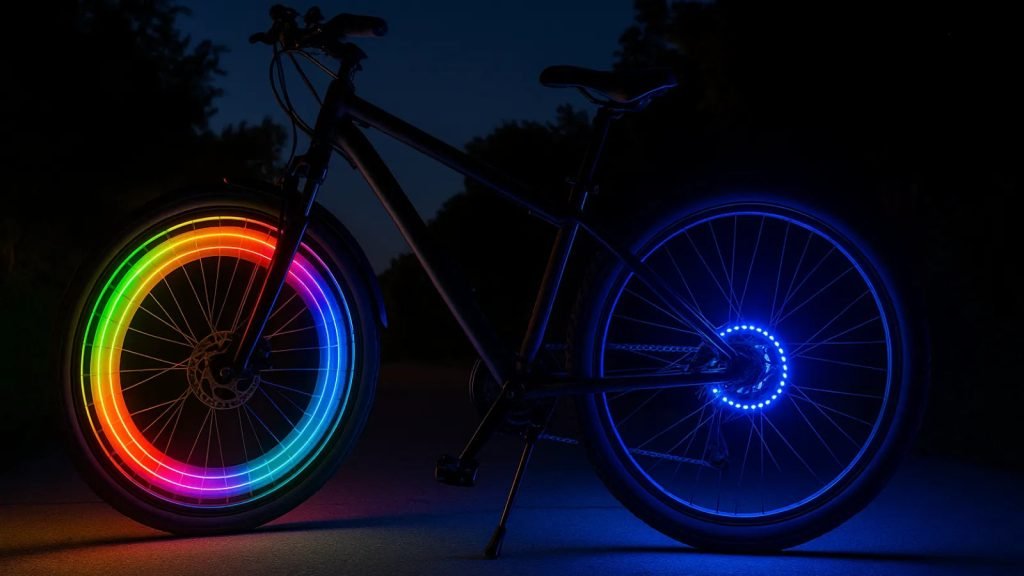
Imagine riding your bike at dusk, with the cool breeze brushing against your face. Suddenly, a car approaches, and you realize that you might not be as visible as you thought.
This is where the right reflector can make all the difference, ensuring your safety and peace of mind. Choosing the perfect reflector isn’t just about picking the first one you see; it’s about understanding your options and making a smart choice.
We’ll guide you through the process of selecting the best reflector for your bike, highlighting the factors you need to consider. Your safety on the road is paramount, and with the right reflector, you can ride confidently knowing that you’re seen by others. Keep reading to discover how to make the best choice for your biking needs and enhance your riding experience.
Credit: www.bike-components.de
Reflector Importance
Reflectors on bikes are essential for safety. They help others see you. Visibility is crucial, especially at night. Without reflectors, accidents can happen. Reflectors bounce light back to drivers. This makes your bike noticeable from far away.
There are different types of reflectors. Some attach to the wheels. Others go on the pedals or seat. Each type has its own benefit. Wheel reflectors move when you pedal. This catches drivers’ attention. Pedal reflectors flash as you ride. Seat reflectors are visible from behind.
Choosing the right reflector is important. Consider where you ride most. City cyclists need different reflectors than those in rural areas. Check if the reflector is easy to install. Make sure it fits your bike well. Good reflectors can save lives.
Types Of Bike Reflectors
Choosing the right bike reflector is essential for safety. Consider wheel reflectors for side visibility, or pedal reflectors for motion awareness. Rear and front reflectors help in low-light conditions, increasing visibility from a distance.
Front Reflectors
Front reflectors make bikes visible at night. They are usually white or clear. They attach to the handlebars or front forks. This reflector helps drivers see you coming. It’s important for safety.
Rear Reflectors
Rear reflectors are red and attach to the back of the bike. They make you visible to cars from behind. They are essential for night rides. Drivers can see your bike from far away. This keeps you safe.
Wheel Reflectors
Wheel reflectors attach to spokes. They are usually orange or white. They help drivers see you from the side. They spin with the wheels. This movement catches attention. It’s a good idea to have them.
Pedal Reflectors
Pedal reflectors are small but effective. They attach to pedals and shine when you ride. They help others see your moving feet. This makes you more visible. They are a useful addition to your bike.
Material Considerations
Material selection is crucial for choosing the right bike reflector. Consider durability, brightness, and weather resistance to ensure safety. Opt for reflectors that fit your bike and enhance visibility during night rides.
Plastic Reflectors
Plastic reflectors are light and cheap. They resist water and dirt well. Plastic can break easily if hit hard. Some plastic reflectors are bright. Others might not shine much. Check the brand before buying. Good ones last longer.
Metal Reflectors
Metal reflectors are strong and durable. They can handle rough roads. Metal is heavier than plastic. This might slow you down. They often shine brighter. Metal won’t break easily. But they can rust if wet often. Choose coated ones to avoid rust.
Glass Reflectors
Glass reflectors are shiny and clear. They reflect light well. Glass is fragile and can shatter. Handle with care. They look nice on bikes. They work well in dark places. Glass can be costly. Make sure it’s worth the price.
Reflector Size And Shape
Choosing the right reflector for your bike involves considering its size and shape. Larger reflectors offer better visibility, while different shapes can fit specific bike designs. Select one that complements your bike’s appearance and enhances safety on the road.
Large Vs. Small Reflectors
Large reflectors are easy to see. They help cars notice your bike. Small reflectors are lighter. They look nice on small bikes. Both sizes keep you safe. Choose based on your bike’s size. Also, think about where you ride. City riders might need large reflectors. For short trips, small ones work well.
Round Vs. Rectangular Reflectors
Round reflectors are classic and popular. They fit on many bike parts. Rectangular reflectors cover more space. They shine brighter at night. Both shapes are good for safety. Pick what fits your bike best. Make sure it’s easy to attach. Check if it stays on tight. This keeps you safe while riding.
Mounting Options
Selecting a reflector involves considering visibility, size, and attachment method. Ensure it fits your bike securely and enhances safety. Explore options like clip-on, adhesive, or bolt-mounted reflectors for different bike styles.
Clip-on Reflectors
Clip-On Reflectors are easy to attach and remove. They fit on handlebars or seat posts. No tools are needed. These reflectors are perfect for quick trips. They are lightweight and not permanent.
Bolt-on Reflectors
Bolt-On Reflectors offer a secure attachment. They need a wrench to install. Once attached, they stay in place. These reflectors are ideal for long rides. They withstand bumps and rough roads.
Adhesive Reflectors
Adhesive Reflectors stick directly to the bike. Peel the backing and press them on. They are easy to apply. These reflectors are great for smooth surfaces. They are less secure on rough areas.
Reflector Color Choices
Selecting the right reflector color for your bike enhances visibility and safety. Bright colors like orange and red are eye-catching, making you more noticeable to drivers. Match your reflector to your bike’s environment for optimal effectiveness.
Red Reflectors
Red reflectorsare usually placed on the rear of bikes. They help drivers see you from behind. Red is a strong color that stands out in the dark. It’s important to keep them clean for the best reflection. Dirty reflectors won’t work well at night. Always check your reflectors before riding.
Amber Reflectors
Amber reflectorsare often used on the sides of bikes. They help cars see you from the sides. Amber is a bright color that catches the eye. It is especially helpful at intersections. Make sure they are attached securely. Loose reflectors might fall off while riding.
White Reflectors
White reflectorsare typically found on the front of bikes. They help others see you coming towards them. White is a clear and bright color for visibility. Always ensure they are not blocked by other parts. Keep them clean for the best effect at night.
Durability And Maintenance
Durability and Maintenance Select a reflector that can endure harsh weather conditions. Opt for materials that resist scratches and dents. Regular cleaning keeps your reflector shining bright, ensuring optimal visibility on the road.
Weather Resistance
Reflectors must face sun, rain, and wind. Choose ones that are weather-resistant. Check for materialslike plastic or metal. These last longer. Make sure they are sealedwell. Water should not get inside. This can damage the reflector.
Cleaning Tips
Keep reflectors clean for best visibility. Use a soft clothand water. Avoid strong chemicals. These can harm the surface. Gently wipe off dirt and grime. Check regularly for scratches. Replace if damaged. Reflectors should shine bright for safety.
Safety Regulations
Choosing the right reflector enhances bike safety, ensuring visibility in low light. Prioritize reflectors that meet safety regulations and fit securely. Reflectors should be bright and durable, providing maximum reflection and easy attachment to your bike.
Local Laws
Every city has its own bike rules. Check your local lawsfor bike reflectors. Some places need front and back reflectors. Others might need side ones too. Not using reflectors can get you fined. Always follow the rules for safety. This keeps you and others safe on the road.
Cycling Guidelines
Reflectors help others see you at night. Choose reflectors that are bright and clear. They should be easy to attach to your bike. Make sure they are not broken or dirty. Good reflectors can prevent accidents. Always check them before riding. It’s important for safe cycling.
Expert Recommendations
Selecting the right reflector ensures safety and visibility for bike riders. Consider the size and brightness for effectiveness. Ensure compatibility with your bike’s design for easy installation.
Choose a reflector that fits your bike size. Bigger bikes need bigger reflectors. Smaller bikes can use smaller ones. The shape is important too. Round reflectors are common. They work well for most bikes. Some reflectors are rectangular. These might fit better on certain bikes.
Reflector Color
Red reflectors are for the back of the bike. White ones go on the front. Yellow or orange reflectors are for the sides. These colors help cars see you. Choose the right color for safety.
Attachment Type
Some reflectors clip on easily. Others might need screws. Check how the reflector attaches. Make sure it is secure. You don’t want it falling off while biking.
Reflector Material
Plastic reflectors are common. They are light and cheap. Metal reflectors can be stronger. They might last longer. Pick a material that suits your needs.

Credit: www.amazon.com

Credit: www.amazon.com
Frequently Asked Questions
What Reflectors Do You Need On A Bike?
A bike needs front white reflectors, rear red reflectors, and amber or white side reflectors. Reflectors enhance visibility, especially in low light. Adding pedal reflectors boosts safety. Ensure reflectors meet local regulations for optimal effectiveness. Regularly check and clean them for maximum visibility and safety.
How To Fit Bike Wheel Reflectors?
Attach the reflector to a spoke near the hub. Tighten screws securely. Ensure it’s visible from both sides. Repeat for the other wheel. Test for stability and adjust if needed. Make sure reflectors comply with local regulations for safety.
Do Red Reflectors Go On Front Or Back Bike?
Red reflectors are installed on the back of a bike. They enhance visibility and safety in low light. Always use white reflectors on the front for maximum clarity. Proper reflector placement helps cyclists stay safe and visible to motorists.
How Many Lumens Is Best For A Bike Light?
For urban commuting, 200-500 lumens is ideal for a bike light. Off-road trails require 800-1200 lumens for safety. Always choose a light based on your cycling environment and time of day.
Conclusion
Choosing the right reflector ensures safety on the road. Consider your riding environment and weather. Bright colors enhance visibility. Reflectors should fit your bike securely. Test them before a ride. Proper lighting boosts confidence and safety. Explore options at local shops or online.
Read reviews for real-life experiences. Aim for quality and durability. Regular checks keep reflectors effective. Stay visible. Stay safe. Making informed choices leads to a safer biking experience. Enjoy your rides with peace of mind. Happy cycling!



