
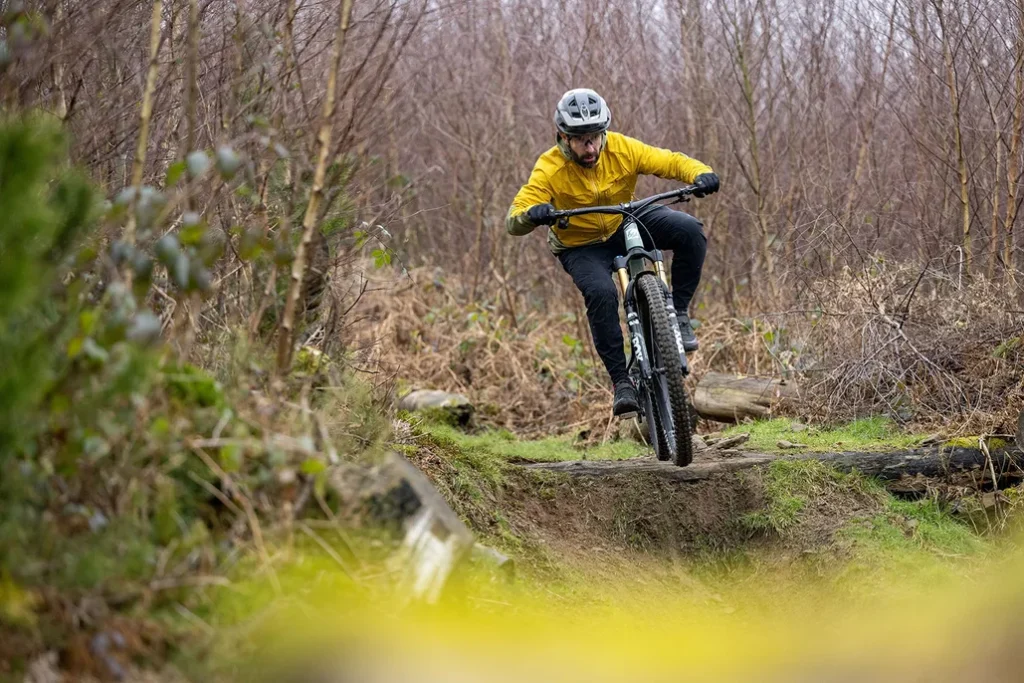
Choosing the right mountain bike can be a daunting task, especially with so many options available. You might feel overwhelmed by the choices, but fear not—this guide is here to help!
Imagine the thrill of effortlessly gliding down rugged trails, feeling the rush of adrenaline and the freedom of the outdoors. Your perfect mountain bike can make that dream a reality. But how do you find the one that’s just right for you?
By understanding your needs and knowing what to look for, you can make an informed decision that will enhance your riding experience. Dive into this article to discover how you can choose a mountain bike that fits your lifestyle and boosts your adventures. Get ready to unlock a world of excitement and possibility!
Types Of Mountain Bikes
Hardtail bikes have a front suspension fork only. These are lighter and easier to maintain. Full-suspension bikes have suspension in both front and rear. They provide better comfort and control. Choose hardtail for smoother trails. Pick full-suspension for rough terrains.
Cross-country bikes are built for speed and efficiency. They are lightweight and have narrow tires. Perfect for long rides and climbing hills. They help riders go faster on flat trails.
Trail bikes offer a good balance. They are versatile for various terrains. These bikes have wider tires and more suspension. Ideal for riders who want to explore different trails.
Enduro bikes focus on downhill and uphill rides. They have strong frames and more suspension. Great for challenging trails. Riders enjoy their stability and control.
Downhill bikes are designed for steep descents. They have heavy frames and lots of suspension. These bikes are for speed and control downhill. Perfect for racing and extreme trails.

Credit: biketips.com
Frame Material Choices
Selecting the right mountain bike involves choosing the best frame material. Aluminum offers lightweight and affordability. Carbon fiber provides excellent strength and vibration absorption. Steel is durable and comfortable for long rides. Each material has unique benefits, so consider your riding style and budget.
Aluminum Frames
Aluminum frames are lightweight and strong. They offer a smooth ride and resist corrosion. These frames are often affordable and come in many designs. Aluminum is popular for mountain bikes because it balances weight and strength. It’s great for beginners and casual riders.
Carbon Fiber Frames
Carbon fiber frames are very light and durable. They absorb shocks well, making rides comfortable. These frames are often more expensive. They are best for serious riders who need performance. Carbon fiber allows for unique shapes and styles.
Steel Frames
Steel frames are known for their strength and durability. They provide a smooth ride and can handle rough terrains. Steel is heavier than aluminum or carbon fiber. It is often favored by traditionalists and those who value durability. Steel frames can last a long time.
Titanium Frames
Titanium frames combine lightness and strength. They offer an excellent ride and resist rust. These frames are often premium and come at a higher cost. Titanium is ideal for riders who want the best quality. It is both light and strong.
Wheel Size Considerations
Choosing the right mountain bike involves considering wheel sizes. Larger wheels offer smoother rides and are better for long distances. Smaller wheels provide agility and are ideal for technical trails.
26-inch Wheels
These wheels are lightweight and easy to handle. They are perfect for quick turns and tight trails. Ideal for young riders or those with small frames. These wheels make bikes easy to carry. They fit well in cars.
27.5-inch Wheels
These wheels offer a balance between speed and control. Smooth ride on different terrains. Better than 26-inch wheels for rough trails. They are popular among many bikers. Great for both new and experienced riders.
29-inch Wheels
These wheels are big and stable. They can handle bumps and rough paths easily. They are good for long rides and big riders. These wheels give fast speed and steady control. They are perfect for open trails.
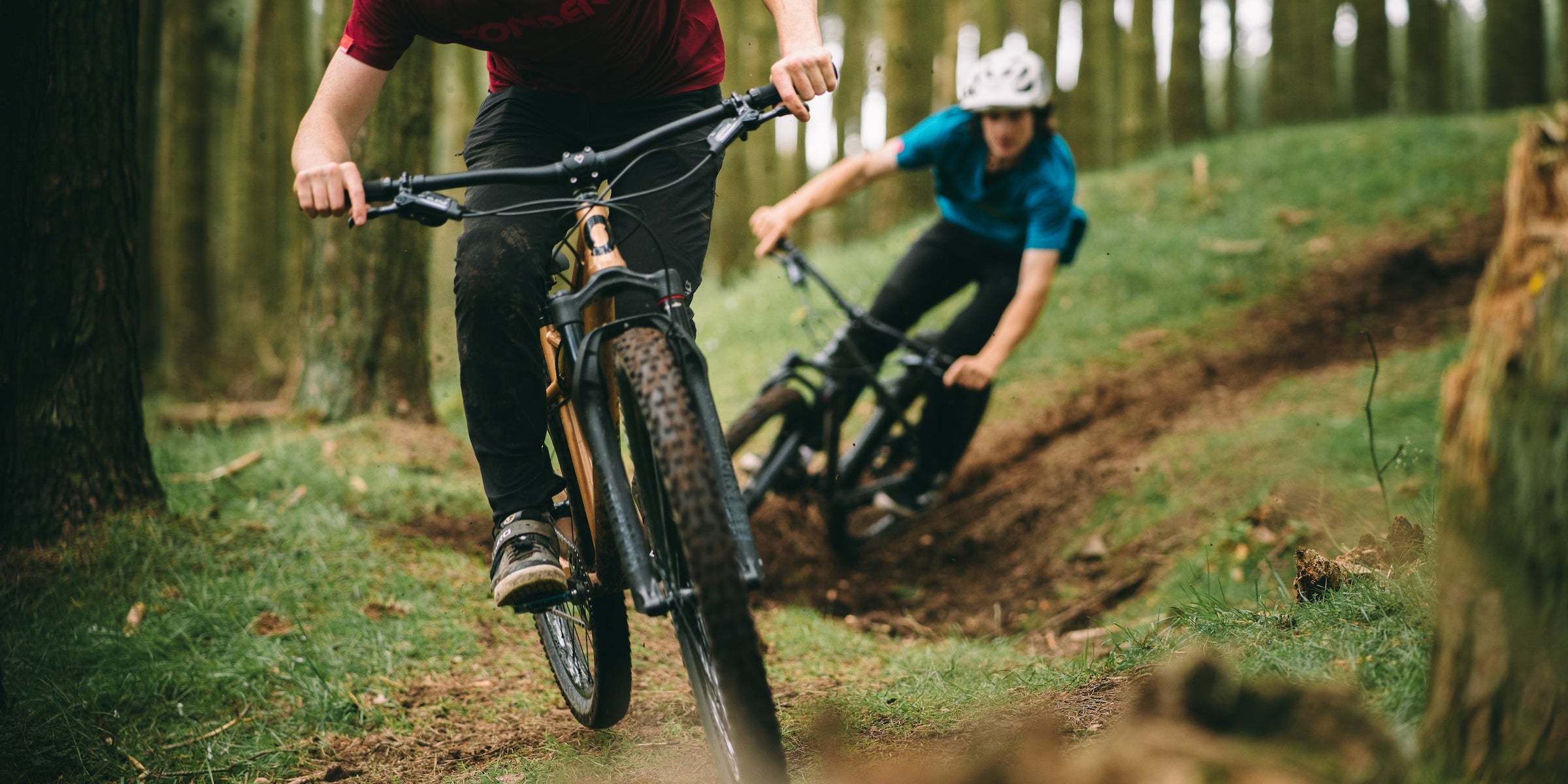
Credit: us.alpkit.com
Suspension Systems
Front suspension is important for a smooth ride. It helps absorb bumps on rough trails. This makes biking more comfortable. A good front suspension increases control over the bike. It is often called a fork. Some bikes have adjustable forks. This allows for a custom ride feel.
Rear suspension is found in full-suspension bikes. It helps in managing rough terrains. Rear shocks absorb bigger impacts. This makes the bike stable. It is especially useful on rocky paths. Rear suspension adds weight to the bike. Consider this if you like climbing hills.
Lockout features are useful for different terrains. They stiffen the suspension. This helps while climbing hills or riding on smooth paths. Lockout systems save energy. They are easy to use. Just flip a switch on the bike. It’s great for riders who switch terrains often.
Brake Types
Selecting the right mountain bike involves understanding brake types. Disc brakes offer reliable stopping power in varied terrains. Rim brakes are lighter and simpler, ideal for casual riders. Choose based on your riding style and trail conditions.
Disc Brakes
Disc brakes are very popular for mountain bikes. They use a metal discon the wheel. This disc helps the bike stop fast. They work well in mud and rain. Disc brakes need less maintenance than other types. They are a good choice for beginners. They may cost more but are worth it for safety.
Rim Brakes
Rim brakes are another option. They use pads that squeeze the wheel rim. They are lighterand cheaper than disc brakes. Rim brakes are easy to fix and replace. But they might not work well in wet conditions. They may wear out the rims over time. Choose rim brakes for dry and smooth trails.
Drivetrain Options
Choosing a mountain bike involves understanding drivetrain options. Single-speed bikes are simpler and require less maintenance. Multi-speed systems, though complex, offer versatility for various terrains. Select based on your riding style and terrain preference.
Single-speed Drivetrains
Single-speed bikes have only one gear. This makes them simple. They are easy to use and maintain. Single-speed bikes are lighter. You can ride them on flat roads easily. But they can be hard on steep hills. You need strong legs to pedal uphill. Single-speed is great for beginners. It’s also a good choice for city rides. If you like simple things, try single-speed.
Multi-speed Drivetrains
Multi-speed bikes have many gears. You can change gears while riding. This helps on different terrains. Climb hills with less effort. Go faster on flat roads. Multi-speed bikes are heavier. They need more maintenance. Gears can be tricky for beginners. But they offer more flexibility. Riders with experience enjoy multi-speed. They are great for mountain trails. Choose multi-speed for varied paths.
Fit And Comfort
Selecting a mountain bike involves prioritizing fit and comfort. Choose a size that aligns with your height and frame. Ensure adjustable seat and handlebars for optimal riding posture.
Sizing Your Bike
Choosing the right sizebike is important. Stand over the bike frame. There should be a small gap between the frame and you. Check the length from seat to handlebars. Your arms should not stretch too much. This gives better controland comfort.
Adjustable Components
Many parts on a bike can be adjusted. The seat height is important. It should be at hip level when you stand. Handlebars can also be moved. They should be easy to reach. This helps in keeping your ride comfortableand safe.
Saddle Comfort
The seat, or saddle, is crucial for comfort. It should be soft but not too soft. Some saddles are wideand some are narrow. Choose what feels best for you. Try riding for a short time to test it. A good saddle makes rides enjoyable.
Budgeting For Your Bike
Choosing the right mountain bike involves balancing your budget with your biking needs. Consider the bike’s frame, suspension, and components. Investing wisely ensures a safe and enjoyable ride on any trail.
Entry-level Bikes
Entry-level bikes are perfect for beginners. They cost less but still offer good features. These bikes are light and easy to handle. You can expect basic gear systems. They are great for simple trails. Ideal for those who ride occasionally. These bikes give you a taste of mountain biking without spending much.
Mid-range Options
Mid-range bikes offer more advanced features. They have better suspension systems. These bikes can handle rougher trails. Perfect for riders who want a bit more. They provide a balanced ride and improved durability. Expect stronger frames and better gear options. Mid-range bikes are a wise investment for regular riders.
High-end Choices
High-end bikes are for serious riders. They include top-notch components. Perfect for challenging terrains and long rides. These bikes are robust and light. Expect excellent suspension and gear systems. They offer maximum comfort and control. High-end bikes are a premium choice for enthusiasts.
Additional Gear And Accessories
Wearing a helmetis crucial for biking safety. It protects your head in falls. Helmets come in various sizes and designs. Choose one that fits snugly. Look for ones with adjustable straps. Safety gear like gloves and knee pads protect you. They prevent scrapes and bruises. Bright clothing makes you visible to others. Reflective tape helps at night. Always check your gear before riding.
Keep your bike in top shape with the right tools. A basic toolkitis handy. It includes wrenches, tire levers, and a pump. A multi-tool is useful for quick fixes. Lubricant helps the chain run smoothly. Inspect your bike regularly. Check brakes and tires often. A clean bike lasts longer and rides better.
Store your bike safely when not in use. A wall mountsaves space in small areas. Floor stands keep the bike upright. Covers protect bikes from dust. Locks are essential for security. Use a strong lock when outside. Keep bikes in a dry place. This prevents rust and damage.

Credit: bikespalmbeach.com
Expert Advice And Resources
Visit local bike shops for expert advice. They know the best bikes for your area. Ask questions to find the perfect fit for you. Try different models to see what feels right. Local shops often offer maintenance tips too. Building a relationship with a shop can be helpful.
Check online reviews to see what others think. Forums are helpful for learning from other riders. People share their experiences, both good and bad. Look for bikes with many positive reviews. Avoid bikes with common problems. Online resources help make informed decisions.
Test rides are important to find the right bike. Feel the bike and see if it’s comfortable. Make sure you can handle it easily. Test different terrains to see how it performs. A good test ride helps you choose wisely. Never skip this step when buying a bike.
Frequently Asked Questions
How To Decide What Mountain Bike To Get?
Consider your riding style, terrain, and budget. Test different bikes for comfort and fit. Check features like suspension, frame material, and wheel size. Research and read reviews to compare options. Choose a reputable brand with good warranty and support.
Is It Better To Have 27.5 Or 29 Mtb?
Both 27. 5″ and 29″ MTB wheels have benefits. 27. 5″ offers agility and quicker handling. 29″ provides better traction and smoother rides over rough terrain. Choose based on riding style and terrain.
What Size Mountain Bike Do I Need For My Height?
Choose a mountain bike size based on your height. For 5’4″ to 5’7″, opt for a 16-17 inch frame. If 5’8″ to 6’0″, select an 18-19 inch frame. Taller riders above 6’0″ should consider 20 inches or larger. Always test ride to ensure comfort.
Why Do People Prefer Hardtails?
People prefer hardtails for their simplicity, affordability, and low maintenance. They offer excellent pedaling efficiency and are lighter. Hardtails provide a better feel for the trail, making them ideal for beginners and smoother terrains. Their versatility and ease of upgrades also attract many mountain biking enthusiasts.
Conclusion
Choosing the right mountain bike boosts your riding experience. Start by understanding your riding style. Consider the terrain you’ll explore. Different bikes fit various trails. Evaluate the suspension type and wheel size. Budget wisely but prioritize quality. Test ride whenever possible to ensure comfort.
Seek advice from experienced riders or shop experts. Remember, a well-chosen bike enhances your adventures. It ensures safety, comfort, and fun. Happy trails and enjoy the ride!



