
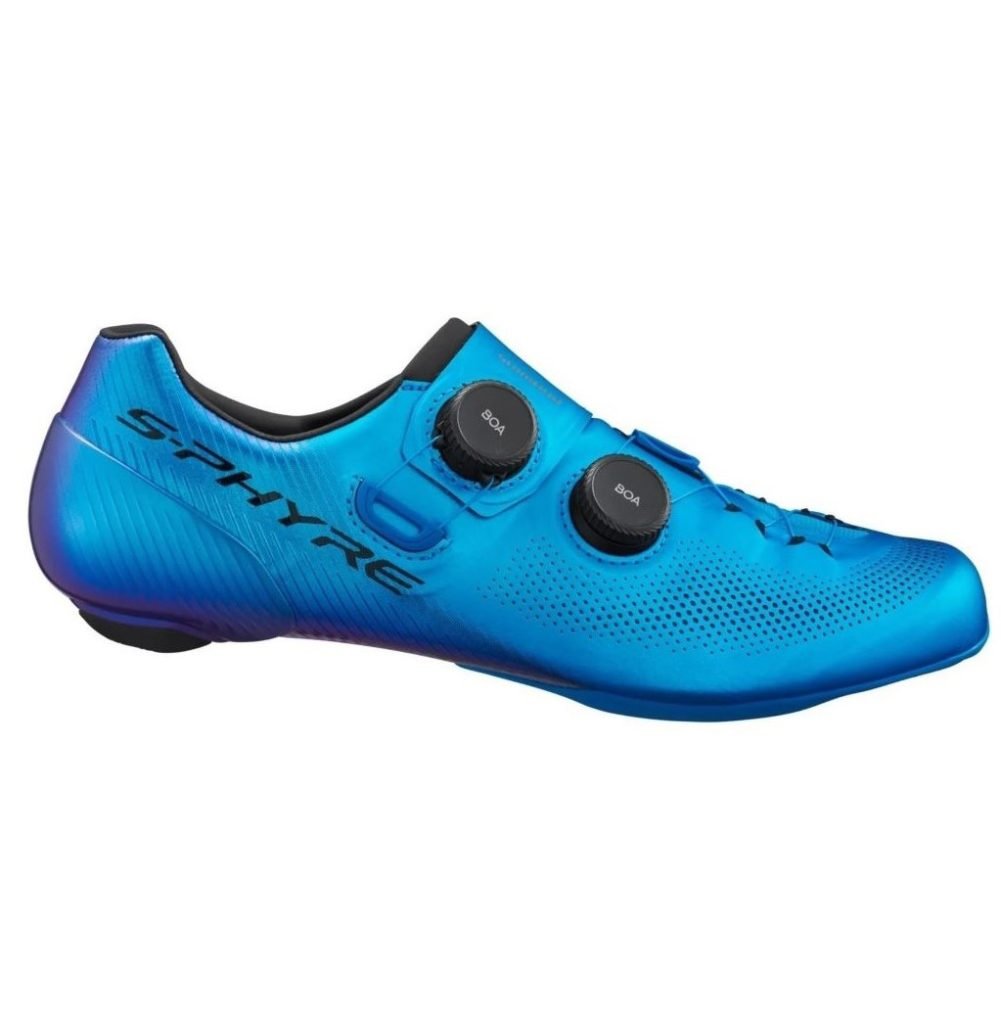
Choosing the right cycling shoes is more than just a step in the right direction—it’s the foundation for a better ride. Imagine cruising down the road with shoes that feel like an extension of your feet, enhancing your performance and comfort.
But with so many options available, how do you find the perfect pair that meets your needs? You might wonder about the differences between road and mountain biking shoes, or what features make one pair stand out from another. Your cycling experience is about to get a lot more enjoyable as we unravel the secrets of selecting the ideal cycling shoes tailored just for you.
Keep reading to discover how the right choice can transform your rides and elevate your cycling adventures.
Importance Of Cycling Shoes
Cycling shoes make pedaling easier and more efficient. They offer better grip and stability. With good cycling shoes, you can ride longer without feeling tired. They help transfer energy from your legs to the pedals. This means you go faster with less effort.
Comfort is key when choosing cycling shoes. They should fit snugly but not too tight. Your feet should feel good even after long rides. Breathable material keeps your feet cool and dry.
Safety is another reason to pick the right shoes. Good shoes can prevent injuries. They keep your feet in place and avoid slips. Look for shoes with strong soles and secure straps.
Credit: www.cyclingnews.com
Types Of Cycling Shoes
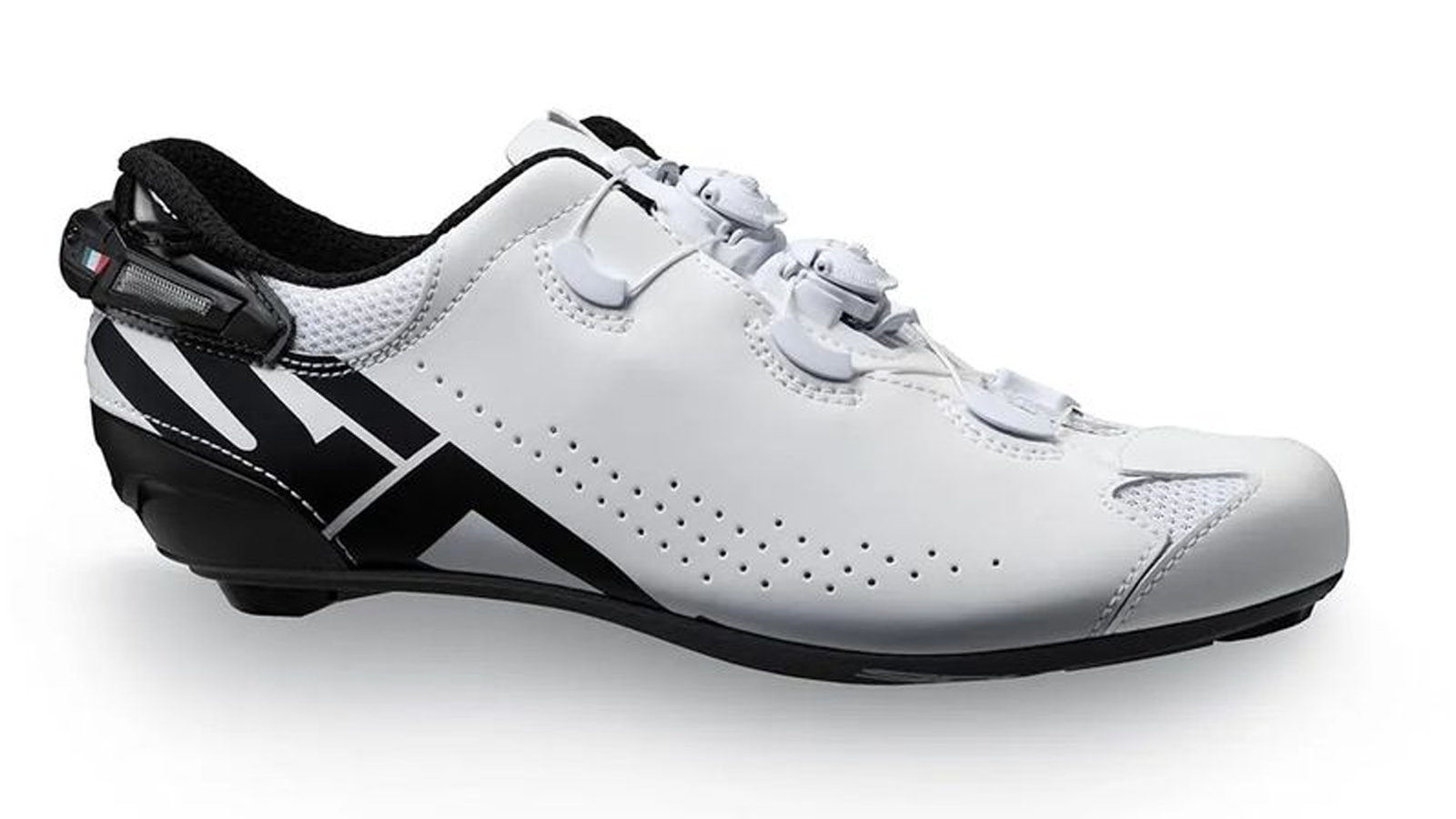
Road cycling shoes are made for smooth rides. They have stiff soles. This helps transfer power to pedals. Lightweight design reduces effort. Velcro straps or buckles ensure a snug fit. Not made for walking much.
These shoes are sturdy and durable. Grippy soles help on rough paths. Cleats are recessed for walking ease. They provide extra protection. Ideal for rocky terrains and muddy trails.
Triathlon shoes save time in transitions. Quick-dry material helps after swimming. They have easy-to-use straps. Lightweight design for faster cycling. Not suitable for long walks.
Casual cycling shoes look like regular shoes. They are comfortable for short rides. Flexible soles allow easy walking. Good for city rides or errands. Not ideal for long or intense cycling.
Key Features To Consider
Comfort, fit, and pedal compatibility are key features when choosing cycling shoes. Consider sole stiffness for efficient power transfer. Breathability and closure systems also play a vital role in ensuring a secure and comfortable ride.
Fit And Comfort
Good cycling shoes must fit well. They should not be too tight. A snug fit helps you ride better. Always try shoes before buying. Make sure they feel right. You should be able to wiggle your toes a bit. Comfortis very important.
Sole Stiffness
Sole stiffness helps transfer power to the pedals. Stiff soles make pedaling easier. You will not lose much energy. More stiff soles are better for racing. Less stiff ones can be more comfy for long rides.
Closure Systems
Closure systems keep shoes secure on your feet. Velcro, buckles, and laces are common types. Buckles are strong and secure. Velcro is quick and easy. Choose what feels best for you.
Ventilation And Weather Resistance
Good shoes have ventilation. This keeps your feet cool. In wet weather, weather-resistant shoes help. They keep your feet dry. Choose based on your riding environment.
Weight And Material
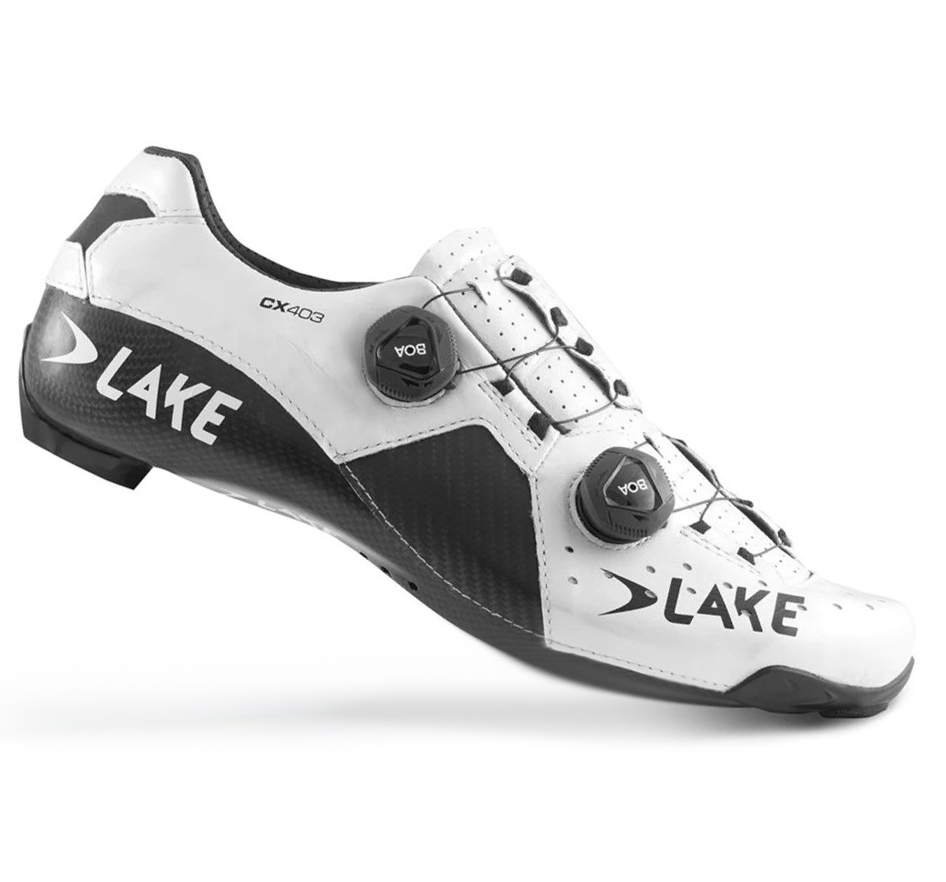
Lighter shoes can help you ride faster. Lighter shoes might be made of carbon or other materials. Check the material for durability. Lightweight shoes often use advanced materials.
Credit: www.cyclingweekly.com
Choosing The Right Fit
Finding cycling shoes that fit comfortably is key for a great ride. Consider shoe size, closure type, and pedal compatibility. Prioritize comfort and performance to enhance your cycling experience.
Sizing Guide
Proper cycling shoes must fit well. Shoe sizes vary by brand. Always check the size chart. Measure your foot length and width. Use a ruler for accuracy. Compare your measurements with the chart. Try to find the closest match. Remember, feet swell during long rides. Allow a small space for comfort.
Trying Before Buying
Visit a store to try shoes on. Walk around to test comfort. Check for tight or loose areas. Ensure no pressure points. Test with your cycling socks. Feel how the shoe holds your foot. Ask for expert advice if unsure. Trying on shoes helps avoid mistakes.
Common Fit Issues
- Too tight can cause blisters.
- Loose fit affects pedaling efficiency.
- Pressure points cause discomfort.
- Wide feet need special sizes.
- Arch support varies by model.
Budget And Quality Balance
Choosing the right cycling shoes means finding a balance. Budget shoes are cheaper but may not last long. High-end shoes have better quality. They also offer more comfort. Some high-end shoes are very expensive.
High-end Vs. Budget Options
High-end options use better materials. They offer more features. Budget options are simpler. They might lack advanced features. Decide what features are most important for you.
Assessing Durability
Durability matters a lot. Check shoe material. Strong materials last longer. Look at stitching quality. Good stitching prevents tearing. Durable shoes save money over time.
Expert Recommendations
Selecting the perfect cycling shoes involves considering fit, comfort, and pedal compatibility. Prioritize shoes with good ventilation and durable materials. Explore different brands to find the best support for your riding style.
Top Brands To Consider
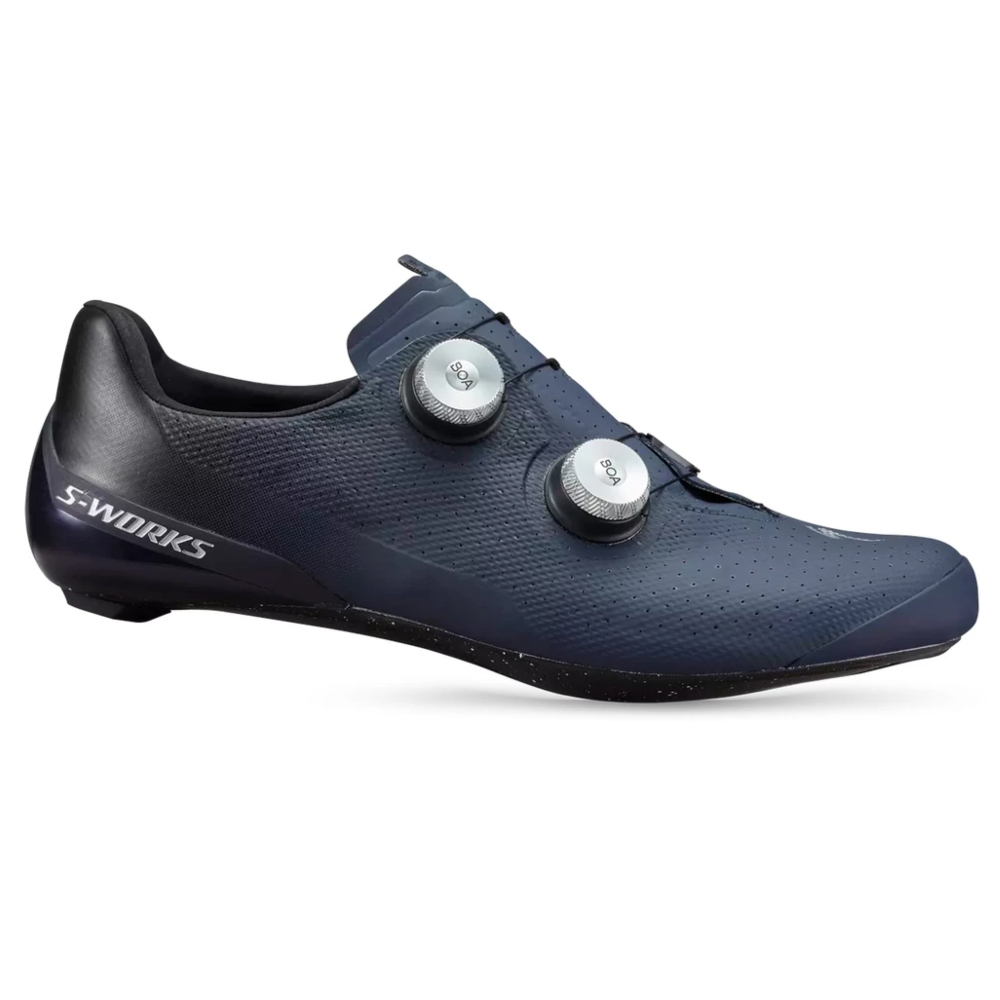
Cycling shoes come from many great brands. Nikeoffers stylish designs. Shimanois known for durability and comfort. Giroprovides lightweight options. Specializedfocuses on performance. Each brand has unique features. Choose based on your needs.
Expert Picks For Different Needs
Different cyclists need different shoes. Road cyclists prefer light and stiff shoes. Mountain bikers choose shoes with good grip. Commuters like comfortable and easy-to-wear shoes. Triathletes need quick-drying shoes. Consider your cycling type. Pick shoes that match your riding style.
Maintenance And Care Tips
Always keep your cycling shoes clean. Use a soft brush to remove dirt. Wipe the shoes with a damp cloth. Never soak the shoes in water. Let them dry naturally, away from heat. Heat can damage the shoe material. Store the shoes in a cool, dry place. Avoid direct sunlight or damp areas. This keeps the shoes fresh and long-lasting.
Inspect your shoes regularly for wear and tear. Replace worn-out parts like insoles or laces. Tighten any loose screws on cleats. Rotate your shoes if you have more than one pair. This reduces daily wear on a single pair. Use shoe trees to maintain shape. This prevents the shoes from losing form. Proper care ensures your shoes last longer.
Credit: www.cyclingweekly.com
Frequently Asked Questions
What Types Of Cycling Shoes Are Available?
Cycling shoes come in road, mountain, and hybrid types. Road shoes feature a stiff sole for speed and efficiency. Mountain shoes offer rugged durability and grip for off-road trails. Hybrid shoes combine features of both, making them versatile for various terrains.
How Do I Determine The Right Shoe Size?
To find the right size, measure your foot length and width. Compare these measurements with the manufacturer’s size chart. Ensure a snug fit without pressure points. Trying shoes with your cycling socks helps achieve the most accurate fit for comfort.
Why Is Sole Stiffness Important In Cycling Shoes?
Sole stiffness enhances power transfer from foot to pedal. A stiff sole prevents energy loss, making cycling efficient. It also supports your foot, reducing fatigue during long rides. Choose a stiffness level that matches your cycling style and comfort preference.
Are Clipless Shoes Better Than Flat Shoes?
Clipless shoes provide better power transfer and control. They attach securely to pedals, improving pedaling efficiency. Flat shoes offer easy foot release and are versatile for casual rides. Your choice depends on cycling goals, comfort, and personal preference.
Conclusion
Choosing cycling shoes is important for comfort and performance. Consider shoe fit and pedal compatibility. Think about your cycling style. Road cyclists need lightweight shoes. Mountain bikers need durable options. Check for good ventilation and support. Shoes should fit snug but not tight.
Invest in quality for a better ride. Try different brands for best results. Cycling shoes enhance your experience. Make a careful choice for happy cycling. Enjoy your ride with the right shoes. Your feet will thank you.



