

Choosing the right bike helmet size is more than just a matter of comfort; it’s about your safety. You wouldn’t buy shoes that don’t fit, right?
The same logic applies to bike helmets. When you’re cruising down the streets or tackling a mountain trail, your helmet is your first line of defense. But how do you ensure it’s the perfect fit? Imagine the peace of mind you’ll have knowing your helmet is snug and secure.
With the right size, you’re not just protecting your head; you’re enhancing your riding experience. You’ll discover simple steps to measure and select the perfect helmet size for you. Get ready to ride with confidence and make sure you’re fully protected. Are you ready to find the ideal helmet that fits like a glove? Let’s dive in!
Credit: catlike.com
Importance Of Helmet Fit
Choosing the right bike helmet size ensures maximum safety and comfort. A properly fitting helmet protects your head effectively. Avoid loose or tight helmets to ensure optimal protection during rides.
Safety Benefits
A helmet that fits well is very important for safety. A snug fit protects your head better. It reduces the risk of injuries during falls or accidents. Loose helmets can slip off easily. This can be dangerous. A helmet that fits properly stays in place. It offers maximum protection.
Comfort Considerations
Comfort is key when wearing a helmet. A good fit means more comfort. It should not be too tight or too loose. A helmet should sit level on your head. It should not rock side to side. Proper padding inside adds comfort. It also absorbs sweat. This keeps you cool and dry. Choose a helmet that feels good for long rides.

Credit: riiroo.com
Measuring Your Head
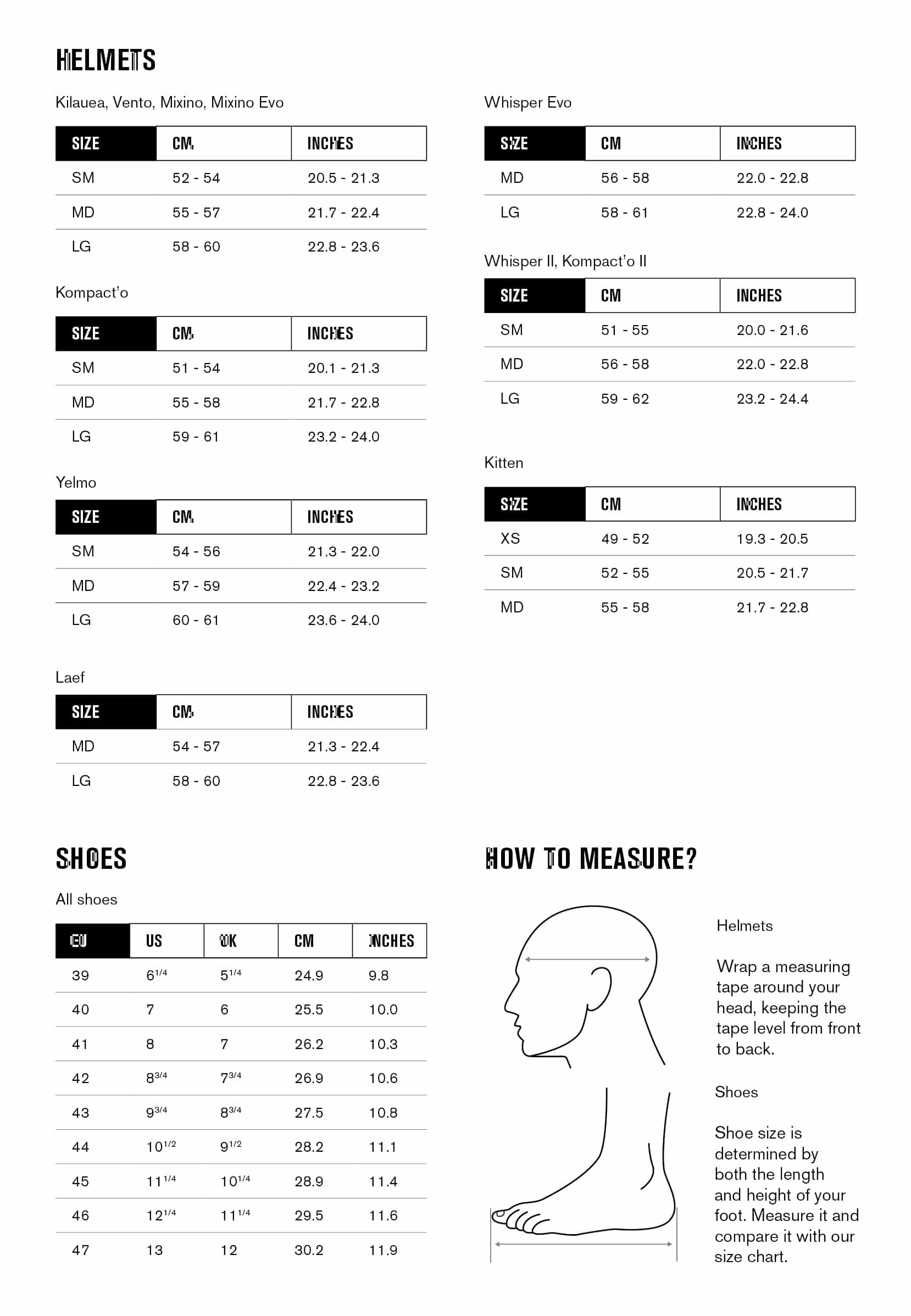
Measuring your head is essential to choose the right bike helmet size. Use a soft tape measure around your head just above the eyebrows. This ensures a snug and comfortable fit for safety and performance.
Tools Needed
To measure your head, you’ll need a few tools. A soft tape measure is best. You can also use a piece of string. Make sure you have a mirror or a friend to help. These tools will help you find the right size.
Step-by-step Guide
- Wrap the tape measure around your head. Place it just above your eyebrows.
- Make sure the tape is level around your head.
- Check the number where the tape meets. This is your head size.
- If using string, mark where it meets. Then measure the string with a ruler.
Knowing your head size helps in choosing a helmet. Always double-check your measurements. A well-fitted helmet is important for safety.
Understanding Helmet Sizes
Finding the perfect helmet size ensures safety and comfort while biking. Measure your head’s circumference accurately to choose a snug fit. Try different sizes and adjust straps for a secure feel.
Size Charts
Bike helmets come in different sizes. It’s important to find the right fit. Size charts help you do this easily. Measure your head with a tape. Wrap it around your forehead. Look at the size chart to find your match. Each brand might have different sizes. Always check the brand’s chart. Remember, a helmet should fit snugly. Not too tight or too loose.
International Standards
Helmets must meet international standards to keep you safe. These standards make sure helmets are strong. Look for labels on the helmet. Labels show if they pass the test. Common standards include CPSC, ASTM, and EN1078. These standards vary by region. Always check if your helmet meets them. A certified helmet keeps your head safe. Riding with a good helmet is smart.
Try Before You Buy
Bike helmetscome in different sizes. It’s important to get the right one. Always try helmets on before buying. Make sure it feels comfortable. The helmet should sit level on your head. It should not tilt back or forward. Check if the helmet feels snug, but not tight. Make sure there’s no gap between your head and the helmet.
Fit Test Tips
- Put on the helmet.
- Adjust the helmet on your head.
- Shake your head gently.
- Check if the helmet moves.
- Make sure it stays in place.
Adjusting Straps
Strapsare important for safety. Adjust them to fit well. Make sure they form a V-shape under your ears. Buckle the strap under your chin. It should be snug but not too tight. You should fit two fingers between the strap and your chin. Check if the helmet feels secure. Adjust again if needed.
Common Fit Mistakes
Finding the right bike helmet size is crucial for safety and comfort. Many people choose helmets that are too big or small, leading to discomfort and reduced protection. Measure your head and try on several helmets to find the best fit.
Loose Fit Issues
A loose bike helmet can be risky. It may slip off your head. This happens during a ride. Ensure the helmet sits snug. Not too tight, but firm. Check the straps. They must hold the helmet in place. Straps should form a “V” under each ear. Adjust the buckle under the chin. Make sure it is secure. A loose helmet can’t protect you well. Always check the fit before riding.
Pressure Points
A helmet should not press too hard on your head. Pressure points can cause discomfort. They might lead to headaches. Try wearing the helmet for a few minutes. This helps to spot any pressure issues. Adjust the padding if needed. Some helmets come with extra pads. Use them to make the fit better. A comfortable helmet makes your ride more enjoyable.
Special Considerations
Proper fit ensures maximum protection when choosing a bike helmet. Measure your head circumference for accurate sizing. Adjust the straps for a snug fit without discomfort.
Children’s Helmets
Children’s helmets must fit snugly on their heads. Always choose a helmet that covers the forehead. Ensure the strap forms a ‘V’ under the ears. Check if the buckle is tight but comfortable. Children’s heads grow fast, so check the fit often. Replace the helmet if it cracks or gets damaged. Bright colors are best for visibility.
Helmets For Special Conditions
Some activities need special helmets. Biking in wet conditions? Get a helmet with a visor. Mountain biking requires a helmet with extra coverage. Choose one with ventilation for hot weather rides. Some helmets have lights for night biking. Always pick a helmet suited for your specific needs. This ensures safety and comfort.
Maintenance And Care
Selecting the right bike helmet size ensures safety and comfort. Measure your head’s circumference above the eyebrows. Adjust the helmet’s fit using the retention system for a snug feel.
Cleaning Tips
Clean your bike helmet regularly. Use a soft cloth and mild soap. Avoid harsh chemicals that can damage the helmet. Rinse with warm water and let it air dry. Do not use a dryer or direct sunlight. Check the straps and pads for dirt. Remove any debris gently. A clean helmet lasts longer and smells better.
Replacement Guidelines
Helmets need replacement after a crash. Even if damage is not visible, replace it. Check for cracks or dents often. Replace if found. Helmets have a lifespan. Five years is the typical limit. After five years, materials weaken. Replace your helmet for safety. Always prioritize your head’s protection.

Credit: www.amazon.co.uk
Frequently Asked Questions
How Do I Know What Size Bike Helmet To Get?
Measure your head circumference using a flexible tape. Match your measurement with helmet size charts online. Ensure a snug fit without pressure points. Check adjustability features for optimal comfort.
What Is The 2 2 2 Rule When Fitting A Helmet On Your Head?
The 2 2 2 rule ensures a proper helmet fit. Two fingers above your eyebrows, two fingers under the chin strap, and two fingers between your helmet and head. This rule helps maintain safety and comfort while cycling. Always check for a snug fit without discomfort.
Is It Better To Size Up Or Down For Helmets?
Choose the helmet that fits snugly without discomfort. A tight but comfortable fit offers better protection. Measure your head accurately and refer to the manufacturer’s size chart. Trying on different sizes can help ensure the best fit. Avoid helmets that are too loose or too tight.
How To Know Correct Helmet Size?
Measure your head circumference above the eyebrows with a tape measure. Match the measurement with helmet size charts available online or in-store. Ensure the helmet fits snugly without pressure points. Test the fit by shaking your head; it should stay secure.
Conclusion
Choosing the right bike helmet size keeps you safe. Measure your head carefully before buying. Try different helmets for comfort and fit. Make sure the helmet sits level on your head. Adjust the straps snugly under your chin. A well-fitted helmet should not move around.
Always check for safety certifications. Trust brands known for quality. Your safety on the bike depends on wearing a proper helmet. Invest time in choosing the right one. Enjoy your rides with peace of mind. Stay safe, and happy cycling!



