
Choosing the right sleeping bag can make or break your bikepacking trip. You want something that keeps you warm, packs small, and feels comfortable after a long day on the road.
But with so many options out there, how do you pick the best one for your needs? This guide will help you cut through the noise and find a sleeping bag that fits your adventure perfectly. Keep reading, and you’ll discover exactly what to look for to sleep soundly and wake up ready to ride.
Key Factors For Bikepacking Sleeping Bags
Choosing the right sleeping bag is vital for a good bikepacking trip. Your sleeping bag must balance comfort, weight, and protection.
This guide covers key factors to help you pick the best sleeping bag for bikepacking.
Weight And Packability
Weight matters because you carry your gear on a bike. A heavy sleeping bag makes riding harder. Packability means how small your bag gets when packed.
- Look for lightweight materials
- Choose bags that compress well
- Balance weight with warmth needs
Temperature Ratings
Temperature ratings tell you the coldest weather the bag handles. Choose a bag rated for the lowest night temperature you expect. Remember, ratings vary by brand.
| Rating Type | Description |
| Comfort | Lowest temperature for comfort |
| Limit | Lowest temperature for survival |
| Extreme | Lowest temperature for short exposure |
Insulation Types
Insulation keeps you warm. Two main types exist: down and synthetic. Each has pros and cons for bikepacking.
- Down:Lightweight and compressible but loses warmth if wet.
- Synthetic:Heavier but stays warm when damp and dries fast.
Durability And Material
Durable materials resist tears and wear. Look for ripstop nylon or polyester fabrics. Water-resistant coatings help keep insulation dry.
Check for:
- Strong stitching
- Reinforced areas like the footbox
- Quality zippers that won’t snag
Shape And Size
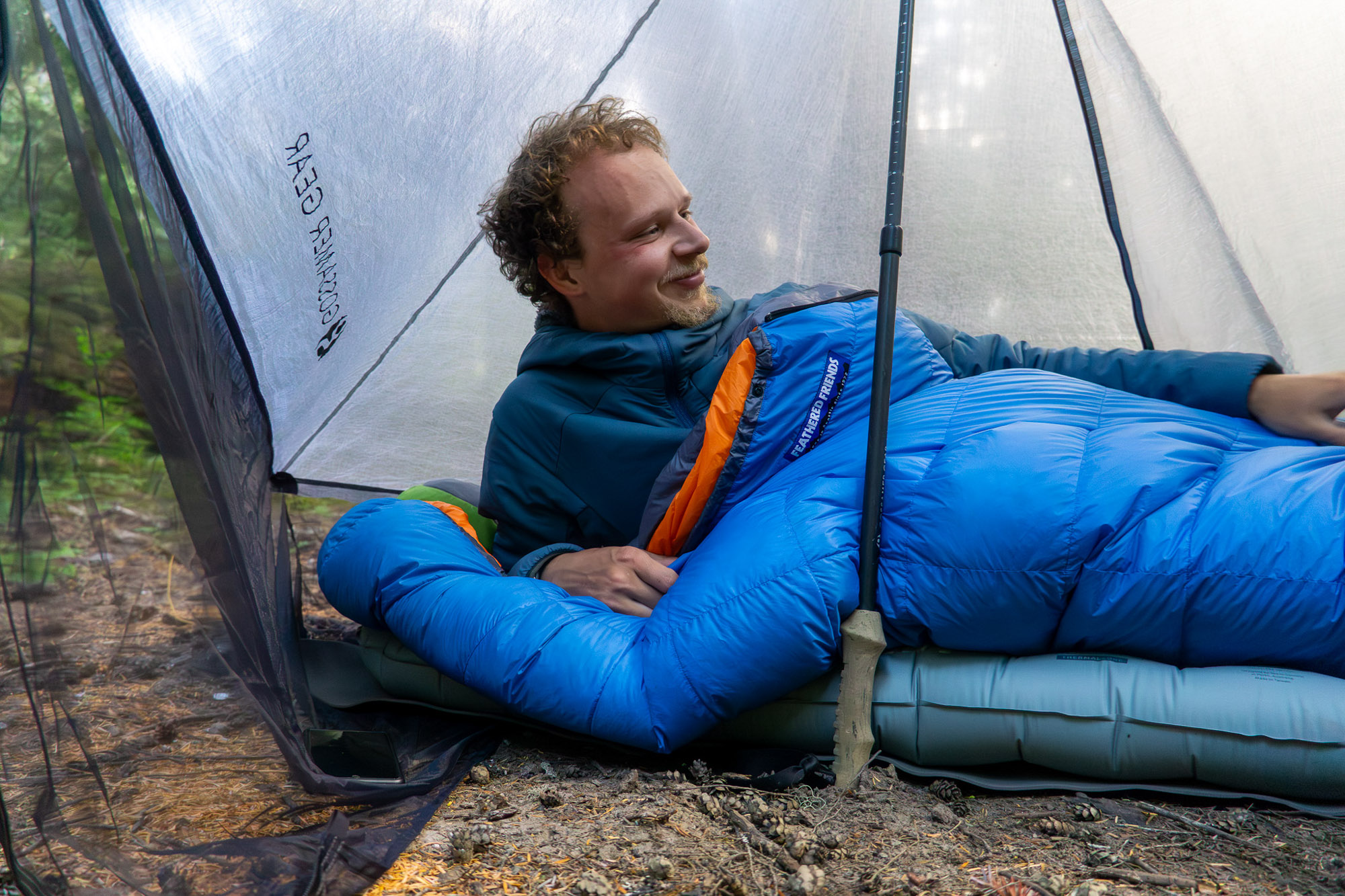
Sleeping bag shape affects warmth and weight. Mummy bags fit close to your body and keep heat better. Rectangular bags offer more room but weigh more.
- Choose a size that fits your height
- Consider bags with adjustable hoods
- Smaller bags pack lighter and warmer
Choosing The Right Insulation
Choosing the right insulation in a sleeping bag is key for a good night’s sleep on your bikepacking trip.
It affects warmth, weight, and how easy it is to carry your gear.
Down Vs Synthetic
Down insulation uses feathers from ducks or geese. It is very warm and light.
Synthetic insulation uses man-made fibers. It works well even if wet.
| Type | Weight | Warmth | Water Resistance | Durability |
| Down | Light | High | Poor | Delicate |
| Synthetic | Heavier | Moderate | Good | Strong |
Benefits For Bikepacking
- Down bags pack smaller for easier storage on a bike.
- Synthetic bags dry faster if they get wet on the road.
- Down offers better warmth-to-weight ratio for long rides.
- Synthetic insulation stays warm even in damp conditions.
- Both types can be light enough for carrying on a bike.
Care And Maintenance
Proper care keeps your sleeping bag working well for many trips.
- Keep the bag dry to maintain insulation quality.
- Store it loose, not compressed, between trips.
- Use a sleeping bag liner to reduce dirt and sweat.
- Clean the bag only when necessary with gentle soap.
- Dry the bag thoroughly after washing or getting wet.
Temperature Ratings Explained
Sleeping bags have temperature ratings to show how warm they keep you. These ratings help you pick the right bag for your trip.
Understanding these ratings is key to staying comfortable and safe while bikepacking. Let’s explore how they work.
Seasonal Considerations
Choose a sleeping bag based on the season you ride in. Different seasons need different warmth levels.
For warm summer nights, a light bag works well. Cold winter trips need bags rated for low temperatures.
- Summer: 35°F (1.6°C) and above
- Spring/Fall: 20°F to 35°F (-6.6°C to 1.6°C)
- Winter: Below 20°F (-6.6°C)
Comfort Vs Limit Ratings
Sleeping bags show two ratings: comfort and limit. Comfort rating means the temperature you feel warm in.
Limit rating is the coldest temperature you can survive in without danger. Pick bags based on comfort for better sleep.
- Comfort rating:For most users, ideal for sleep.
- Limit rating:Lowest temperature for survival.
- Choose a bag with a comfort rating above the coldest night.
Testing Standards
Temperature ratings come from tests made by organizations. These tests help compare bags fairly.
The most common standard is the EN 13537. It uses mannequins and sensors to check warmth.
| Standard | What It Measures | Why It Matters |
|---|---|---|
| EN 13537 | Comfort, Limit, Extreme ratings | Shows real-world warmth for different users |
| ISO 23537 | Updated version of EN 13537 | Improves testing accuracy and consistency |
| Manufacturer Tests | Internal tests vary by brand | Ratings may differ, so check standards used |
Credit: gearjunkie.com
Sleeping Bag Shapes And Fits
Choosing the right sleeping bag shape and fit is key for bikepacking comfort. It affects warmth, weight, and mobility. Understanding different styles helps you pick the best match for your needs.
This guide covers three important features: mummy vs rectangular shapes, fit for mobility, and hood and collar designs. Each section explains how these affect your sleep and ride.
Mummy Vs Rectangular
Mummy bags are narrow and taper at the feet. They hold heat well and weigh less. Rectangular bags are wider and allow more room to move. They may be heavier and less warm.
- Mummy Bags:Good for cold weather and saving space.
- Rectangular Bags:Better for warm weather and comfort.
- Shape Choice:Pick based on your climate and sleeping style.
Fit For Mobility
Bikepacking needs sleeping bags that allow easy movement. A tight fit keeps warmth but limits movement. A looser fit lets you move but may lose heat.
| Fit Type | Mobility | Warmth |
| Tight Fit | Low | High |
| Standard Fit | Medium | Medium |
| Loose Fit | High | Low |
Hood And Collar Features
Hoods and collars help trap heat around your head and neck. They come in many styles and add comfort in cold conditions. Some have drawstrings or adjustable closures.
- Hood:Keeps your head warm and blocks wind.
- Draft Collar:Seals the neck area to stop heat loss.
- Adjustability:Allows a snug or loose fit based on preference.
Weight And Compression Tips
Choosing the right sleeping bag for bikepacking means focusing on weight and how small it packs down. Light gear makes riding easier and faster. Good compression saves space on your bike.
In this guide, learn how to balance warmth and weight, pick the right compression sack, and pack smartly for your trip.
Balancing Warmth And Weight
Warmth is important, but heavy sleeping bags slow you down. Look for bags with good insulation that weigh less. Choose temperature ratings that match your season and location.
- Down insulation is light and compresses well.
- Synthetic insulation works better in wet conditions.
- Consider a bag with a lower temperature rating for colder nights.
- A lighter bag may need extra layers for warmth.
Compression Sack Choices
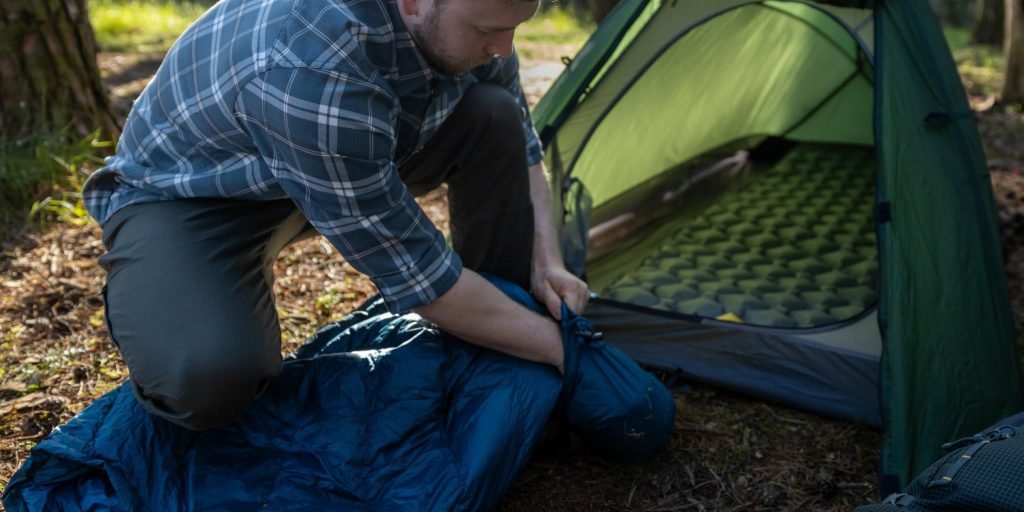
A good compression sack reduces the sleeping bag size and protects it. Look for sacks with strong straps and durable material. Some sacks use drawstrings, others use buckles.
| Compression Sack Type | Pros | Cons |
|---|---|---|
| Stuff Sack | Simple, lightweight | Less compression |
| Compression Sack with Straps | Better compression, adjustable | Heavier, more parts |
| Dry Sack | Waterproof, protects from rain | Usually heavier, pricier |
Packing Strategies
Packing your sleeping bag properly saves space and keeps it safe. Roll it tight before putting it in the sack. Keep it dry by placing it in a waterproof bag or liner inside your bike bag.
- Roll or stuff the bag depending on sack type.
- Keep the bag off the ground when you stop.
- Use compression straps to reduce volume.
- Store the bag where it won’t get squashed by heavy gear.

Credit: us.alpkit.com
Durability For Rough Bikepacking
Bikepacking exposes your gear to tough conditions. Your sleeping bag must handle rough use. Durability is key for a good trip.
Choosing the right materials and features helps your sleeping bag last longer. Look for strong fabrics, water resistance, and solid zippers.
Tear-resistant Fabrics
Sleeping bags with tear-resistant fabrics resist rips and holes from rough terrain and bike frames. Nylon and ripstop materials work well. They keep your bag intact on sharp rocks or branches.
- Ripstop nylon adds extra strength
- High-denier fabrics resist abrasion
- Double stitching improves durability
- Reinforced corners prevent wear
Water Resistance
Water resistance keeps your sleeping bag dry in wet weather or damp ground. Look for bags with water-repellent coatings. These coatings stop water from soaking in and damaging insulation.
| Material | Water Resistance Level |
| Polyester with DWR coating | High |
| Nylon with silicone treatment | Very High |
| Cotton blends | Low |
Zipper Quality
Strong zippers prevent failures and keep your bag secure. Look for zippers that slide smoothly and resist snagging. Metal teeth often last longer than plastic ones.
Tips for Zipper Durability:
- Choose zippers with protective flaps
- Check for water-resistant zippers
- Keep zippers clean and lubricated
- Avoid forcing stuck zippers
Additional Features To Consider
Choosing the right sleeping bag for bikepacking means looking beyond warmth and weight. Extra features can improve comfort and convenience on your trip.
Focus on pockets, ventilation, and zipper placement. These details can make a big difference during your ride and rest.
Pockets And Storage
Pockets inside your sleeping bag help keep small items close and safe. You can store a headlamp, phone, or wallet there.
- Look for mesh or fleece-lined pockets for comfort.
- Some bags have exterior pockets for quick access.
- Pocket size matters if you carry larger items.
Ventilation Options
Good ventilation helps you control temperature inside the bag. It stops you from getting too hot or sweaty while you sleep.
| Ventilation Type | Description | Best Use |
| Two-way zippers | Allows opening from top or bottom | Adjust airflow without fully opening |
| Mesh panels | Breathable fabric sections | Improve airflow in warm weather |
| Draft collars | Seals around neck area | Reduce heat loss in cold weather |
Zipper Placement
Zipper position affects ease of use and comfort. Most sleeping bags have side zippers, but some differ.
- Left-side zippers suit right-handed users better.
- Right-side zippers work well for left-handed users.
- Full-length zippers make it easy to get in and out.
- Some bags have two zippers for more ventilation control.
Budgeting For Bikepacking Bags
Choosing the right sleeping bag for bikepacking needs careful budgeting. You want a bag that fits your needs and your wallet.
Understanding price ranges and value helps you pick a sleeping bag without overspending or missing important features.
Price Ranges
Sleeping bags come in various price ranges. Each range offers different features and materials. Knowing these helps you set a budget.
| Price Range | Features | Typical Weight |
| Under $100 | Basic insulation, heavier | 3 to 4 lbs |
| $100 – $200 | Better insulation, lighter fabric | 2 to 3 lbs |
| Above $200 | Premium materials, very light | Under 2 lbs |
Value Vs Cost
Cost is the price tag. Value is what you get for that price. A cheap bag might not last or keep you warm.
- Look for durable fabrics that last
- Check insulation type for warmth
- Consider weight for easy carrying
- Read reviews for real user feedback
When To Invest More
Spend more when you need a bag for cold climates or long trips. Higher cost bags offer better warmth and lower weight.
Invest more if you want a bag that packs small and lasts many seasons. This saves money over time.
Top Brands And Models
Choosing the right sleeping bag is key for a good night on bikepacking trips. The right bag keeps you warm and comfortable. Many brands offer models made for cyclists.
Look for bags that balance weight, warmth, and size. We review popular brands and some niche makers. User reviews also help find the best fit.
Popular Choices
Many bikepackers trust well-known outdoor brands. These companies make tested and reliable sleeping bags. They often offer lightweight and compact options.
- REI Co-op Trailbreak: Affordable and warm for three seasons
- Therm-a-Rest Questar: Lightweight with good insulation
- Marmot Trestles Elite: Durable and roomy for comfort
- Sea to Summit Spark SPIII: Very light and compressible
- Mountain Hardwear Lamina: Good warmth with synthetic fill
Niche Brands
Some smaller brands focus on bikepacking gear. They build bags with special features for cyclists. These bags may weigh less or pack smaller.
| Brand | Model | Weight (oz) | Temperature Rating (°F) |
| Enlightened Equipment | Revel | 15 | 20 |
| Katabatic Gear | Alsek | 17 | 25 |
| Western Mountaineering | Alpinlite | 19 | 15 |
| Feathered Friends | Hummingbird YF | 14 | 20 |
User Reviews
Reviews from bikepackers show what works in real rides. Many note weight and pack size as top factors. Warmth and comfort also get high marks.
- Lightweight bags make long rides easier.
- Synthetic fills dry faster after rain.
- Down fill is warmer but needs care in wet weather.
- Smaller packed size fits better on bikes.
- Durability matters on rough trails.
Credit: www.rei.com
Tips For Testing Sleeping Bags
Testing a sleeping bag before your bikepacking trip helps you find the best fit. You learn how warm and comfortable it is. This guide covers ways to test your bag at home and outside.
Try different methods to see how the bag performs in real conditions. Adjust your choice based on your needs and the weather you expect.
At-home Trials
Start testing your sleeping bag in a warm and dry place at home. This helps check comfort and size before going outside. Try lying inside the bag for a few hours.
- Check if the bag fits your height and width.
- Feel how soft or rough the material is on your skin.
- Test the zipper for ease of use and noise.
- See if the hood and collar keep your head warm.
- Measure how easy it is to pack and carry.
Field Testing
Take the sleeping bag on short trips to test in real weather. Try camping in different temperatures to see how well it keeps you warm and dry.
| Test Condition | What to Check | Notes |
| Cool night (40°F / 4°C) | Warmth and insulation | Check if you stay warm |
| Damp weather | Water resistance | Look for wet spots or leaks |
| Windy environment | Draft protection | See if cold air enters the bag |
| Sleeping surface | Comfort and padding | Try different mats or ground types |
Adjusting Expectations
Know that no sleeping bag is perfect for all conditions. You may need to add layers or change your gear based on the weather.
Consider these points for adjusting your sleeping bag use:
- Use a liner to add warmth if needed.
- Wear dry clothes inside the bag to stay warm.
- Keep the bag dry by storing it in a waterproof sack.
- Accept that very cold nights may require extra gear.
Frequently Asked Questions
What Temperature Rating Should I Choose For Bikepacking Bags?
Choose a sleeping bag with a temperature rating matching the coldest conditions you’ll face. Opt for bags rated slightly lower than expected temperatures for safety and comfort.
How Important Is Weight In Selecting A Bikepacking Sleeping Bag?
Weight is crucial as lighter bags reduce your load and improve riding comfort. Prioritize compact, lightweight sleeping bags without compromising insulation and warmth.
Should I Pick Down Or Synthetic Filling For Bikepacking?
Down fills offer better warmth-to-weight ratio but lose insulation when wet. Synthetic fills perform better in damp conditions and dry faster, ideal for wet climates.
What Size Sleeping Bag Fits Best For Bikepacking Trips?
Select a sleeping bag that fits your body snugly to retain heat effectively. Avoid oversized bags to minimize weight and bulk while maximizing warmth.
Conclusion
Choosing the best sleeping bag for bikepacking is crucial. Consider comfort and weather conditions. Lightweight bags are easier to carry. Insulation matters too. Down bags are warm but costly. Synthetic bags are cheaper and dry faster. Look for compact and durable options.
Test the sleeping bag before your trip. Good rest means a better adventure. Choose wisely and enjoy your bikepacking journey. A well-selected sleeping bag can make all the difference. Happy trails!



