
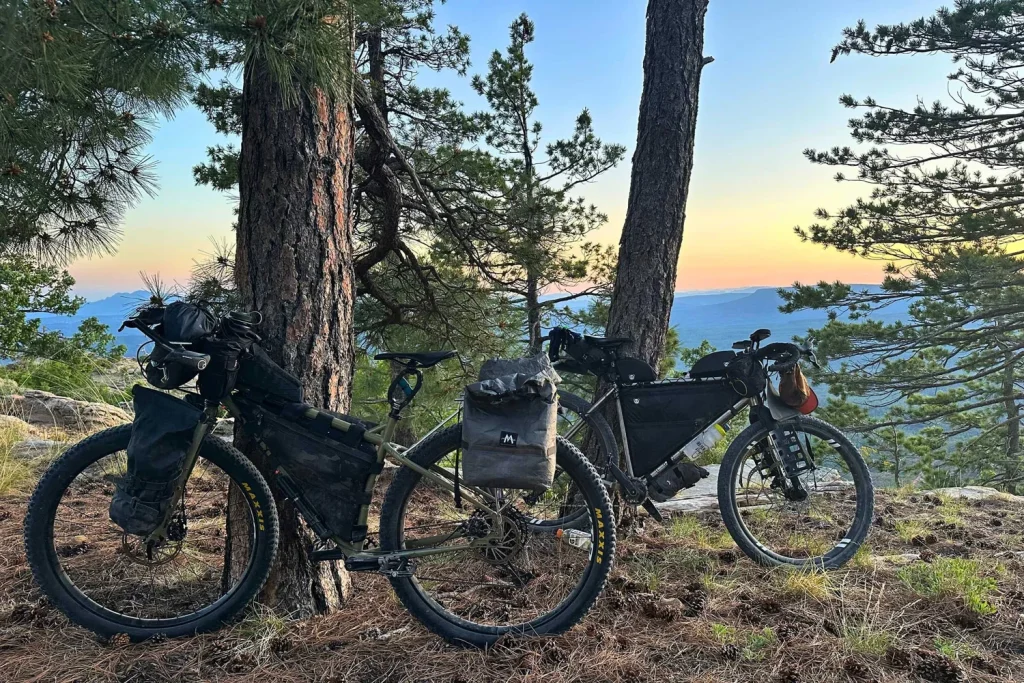
Choosing the right bike for your long bikepacking trips can make all the difference between an unforgettable adventure and a tough, uncomfortable ride. You want a bike that fits your style, handles rough terrain, and carries your gear without slowing you down.
But with so many options out there, how do you know which one is best for you? This guide will help you cut through the noise and find the perfect bike that matches your needs, so you can focus on the road ahead and enjoy every mile.
Keep reading, and by the end, you’ll feel confident about picking the bike that will carry you through your next big trip.
Key Features Of Bikepacking Bikes
Choosing the right bikepacking bike is important for long trips. The bike must be strong, comfortable, and able to carry gear.
Several features affect how well the bike performs on rough roads and trails. Understanding these features helps you pick the best bike.
Frame Material And Design
Frame material affects the bike’s weight and strength. Common materials include steel, aluminum, and carbon fiber.
The frame design must allow space for bags and give a comfortable riding position. Look for frames with mounts for racks and bottles.
- Steel frames are strong and easy to repair but heavier.
- Aluminum frames are light and stiff but less comfortable on rough roads.
- Carbon fiber frames are very light but costly and less durable.
- Look for frames with multiple mounting points for gear.
Tire Size And Type
Tire size influences comfort and traction. Wider tires offer better grip and absorb bumps well.
Choose tires that suit the terrain you will ride on, such as gravel, dirt, or pavement.
- 2.1 to 2.5 inches wide tires work well on mixed surfaces.
- Knobby tires give better control on dirt and rocks.
- Smoother tires roll faster on pavement.
- Consider tubeless tires to reduce flats.
Gear And Drivetrain Options
The gear system helps you handle different slopes and terrain. A wide range of gears is useful for climbing hills and riding fast.
Look for simple and reliable drivetrains that are easy to fix on the trail.
- 1x drivetrains have one front chainring and many rear gears.
- 2x drivetrains offer more gear choices but are heavier.
- Internal gear hubs need less maintenance but add weight.
- Check for durable parts that work well in dirt and rain.
Brake Systems
Good brakes are important for safety and control on steep or rough trails. Disc brakes are common on bikepacking bikes.
Disc brakes work well in wet or muddy conditions and need less force to stop.
- Mechanical disc brakes are easier to fix but less powerful.
- Hydraulic disc brakes offer strong stopping power and modulation.
- Rim brakes are lighter but less effective in bad weather.
Cargo Capacity
Bikepacking needs enough space to carry your gear safely. Look for bikes with racks, mounts, and frame bag options.
Consider how much weight the bike can hold and how the load affects handling.
- Check for front and rear rack mounts for panniers.
- Look for frame triangles that fit large frame bags.
- Use handlebar bags for easy access to essentials.
- Balance weight to keep the bike stable.

Credit: www.treelinereview.com
Types Of Bikes Suitable For Bikepacking
Choosing the right bike is key for a good bikepacking trip. Different bikes offer different benefits. You should pick one that fits your trip style and terrain.
This guide explains four common bike types used for bikepacking. Learn what makes each bike a good choice for long trips.
Gravel Bikes
Gravel bikes are made for mixed surfaces. They work well on roads, dirt, and gravel paths. These bikes are fast and stable. They often have wider tires and strong frames to carry gear.
Touring Bikes
Touring bikes are built for long-distance rides. They have a sturdy frame and many mounting points for bags. These bikes offer a comfortable ride and can hold heavy loads. They are perfect for paved roads and light trails.
- Strong steel or aluminum frame
- Multiple racks and bag mounts
- Comfortable geometry for long hours
- Wide gear range for hills
Mountain Bikes
Mountain bikes work best on rough trails and steep paths. They have thick tires and suspension to absorb bumps. These bikes are great if your trip includes off-road riding. They handle rocks, roots, and mud well.
Hybrid Bikes
| Feature | Description |
| Frame | Lightweight and comfortable |
| Tires | Medium width, good for roads and light trails |
| Speed | Moderate, good for mixed riding |
| Use | Best for easy bikepacking routes |
Hybrid bikes mix road and mountain bike features. They are good for smooth and mild off-road surfaces. They offer a balance of speed and comfort. These bikes suit riders who want flexibility on their trip.
Matching Bike To Terrain And Route
Choosing the right bike for bikepacking depends on the terrain and route you will ride. Different bikes work best on different surfaces. Picking the right one makes your trip safer and more fun.
Think about the ground you will cover. Will it be rough trails, a mix of roads, or smooth pavement? This helps you pick the best bike for your journey.
Off-road Trails
Off-road trails have dirt, rocks, and roots. You need a bike that can handle rough surfaces and keep you stable. A mountain bike or a gravel bike with wide tires works well here.
Look for strong frames and good suspension. This helps absorb shocks from bumps. Wider tires give better grip and stop you from slipping on loose dirt.
- Wide, knobby tires for grip
- Suspension forks to soften bumps
- Durable frame to handle rough use
- Powerful brakes for quick stops
Mixed Terrain
Mixed terrain means you will ride on dirt roads, gravel, and paved surfaces. You want a bike that performs well in many conditions. A gravel bike or adventure bike fits this need.
Medium-width tires give a good balance between speed and comfort. The bike should be light but strong. It should handle both smooth roads and rough patches.
- Medium-width tires for versatility
- Lightweight frame for easier riding
- Mounts for racks and bags
- Reliable gears for different speeds
Paved Roads
Paved roads are smooth and fast. A road bike or touring bike works best here. These bikes have thin tires that roll easily and a frame that supports long rides.
Look for a bike that is comfortable over many miles. It should have enough space to carry your gear without slowing you down. Good brakes and gears help with hills and stops.
- Thin tires for speed
- Comfortable seat and handlebars
- Strong frame for carrying gear
- Efficient brakes for safety
Comfort And Fit Considerations
Choosing the right bike for bikepacking means focusing on comfort. A good fit helps you ride longer without pain.
Comfort depends on the bike’s shape, saddle, and handlebar setup. These parts affect how your body feels on the bike.
Frame Geometry
Frame geometry affects how you sit and handle the bike. A relaxed frame helps reduce strain on your back.
Look for a frame with a longer wheelbase and slacker angles. This offers more stability on rough roads.
- Longer top tube for more room
- Slacker head angle for better control
- Higher bottom bracket for clearance
- Stable rear triangle for load carrying
Saddle And Handlebar Choices
A good saddle supports your sit bones and reduces pressure points. Pick one with enough padding but not too soft.
Handlebars affect your riding posture. Wide bars give control, while drop bars offer multiple hand positions.
- Try saddles with different shapes and padding
- Choose handlebars that allow comfortable hand positions
- Consider bar tape or grips for extra cushioning
- Use bar ends or extensions for more options
Adjusting For Long Rides
Adjust your bike to fit your body. Small changes can prevent pain and injury on long trips.
Check saddle height, handlebar height, and reach. Make sure you can ride with a relaxed posture.
- Raise or lower the saddle for leg comfort
- Adjust handlebar height for wrist and back relief
- Move saddle forward or backward for better balance
- Test different stem lengths for reach comfort
Essential Accessories For Long Trips
Choosing the right accessories makes long bike trips safer and more comfortable. These tools help you carry gear, find your way, and fix problems on the road.
Focus on bags for storage, lighting for visibility, and repair kits for emergencies. These items are key for any bikepacking adventure.
Bikepacking Bags And Storage
Bikepacking bags hold your clothes, food, and gear. Choose bags that fit your bike and trip length. Frame bags, handlebar rolls, and seat packs are common types.
Waterproof materials keep your gear dry in rain. Look for bags with easy access pockets for snacks and tools.
- Frame bags fit inside your bike frame
- Handlebar rolls carry bulky items
- Seat packs attach under the saddle
- Top tube bags store small items
- Waterproof and durable fabrics
Lighting And Navigation
Good lighting helps you see and be seen. Use front and rear lights with strong batteries for night riding. Headlamps are useful for setting up camp.
Navigation tools keep you on track. GPS devices and smartphone apps work well. Carry a paper map as a backup if electronics fail.
- Bright front light with long battery life
- Red rear light for visibility
- Headlamp for hands-free use
- GPS device or smartphone with maps
- Paper map as a backup
Repair Kits And Tools
Bike repairs may be needed far from help. Carry a basic repair kit with tools for fixing flats and adjusting parts. Knowing how to use them is important.
Include spare tubes, tire levers, a pump, and multi-tools. Small patches and chain links can fix common problems quickly.
- Spare inner tubes for flats
- Tire levers to remove tires
- Mini pump or CO2 inflator
- Multi-tool with Allen keys and screwdrivers
- Patch kit for tube repairs
- Spare chain links and chain tool
Budgeting For Your Bikepacking Setup
Choosing the right bike for long bikepacking trips means planning your budget well. You need to think about the cost of the bike, upgrades, and ongoing maintenance.
Setting a clear budget helps you avoid surprises and keeps your trip affordable. Let’s look at the main costs to expect for your bikepacking setup.
Cost Of The Bike
The bike is the biggest expense in your bikepacking setup. Prices vary based on the type, brand, and features you choose. You can find bikes for different budgets, but quality matters for long trips.
Look for a bike that fits your riding style and terrain. A well-built bike may cost more but can save money on repairs later.
Upgrades And Customizations
After buying the bike, you may want to add upgrades or change parts. These can include racks, bags, tires, or better brakes. Upgrades help make your bike ready for long trips.
Plan extra funds for these changes. Some upgrades cost little, while others can be expensive. Prioritize what you really need to keep costs down.
- Bike racks and bags for carrying gear
- Stronger tires for rough trails
- Comfortable saddles and grips
- Lights and navigation tools
Maintenance Expenses
Bike maintenance keeps your setup safe and working well. Regular costs include tune-ups, tire replacements, and brake checks. These costs add up over time during long trips.
Set aside money for tools or professional service. Fixing small problems early can prevent bigger, costly repairs later.
- Chain cleaning and lubrication
- Brake pad replacement
- Tire and tube repairs
- Gear adjustments and tune-ups
Test Riding And Final Selection
Choosing the right bikepacking bike needs careful test riding. You want a bike that feels good and fits your long trips.
Test rides help you check comfort, handling, and gear fit. After riding, you can make the final choice with confidence.
What To Look For During Test Rides
Focus on how the bike feels on different surfaces. Notice if the seat and handlebars feel right. Check how the bike handles weight with gear.
- Comfort of the saddle and grips
- Ease of shifting gears
- Stability on rough roads and trails
- Clearance for tires and bags
- Braking power and control
- Frame size and fit
- Noise or rubbing from bags or racks
Making The Final Decision
After test rides, compare your options carefully. Think about your trip length and terrain. Use a simple table to weigh your bike choices.
| Feature | Bike A | Bike B | Bike C |
| Comfort | Good | Excellent | Fair |
| Handling | Stable | Very Stable | Stable |
| Gear Capacity | Medium | High | Low |
| Weight | Light | Medium | Light |
| Price | $$ | $$$ | $ |
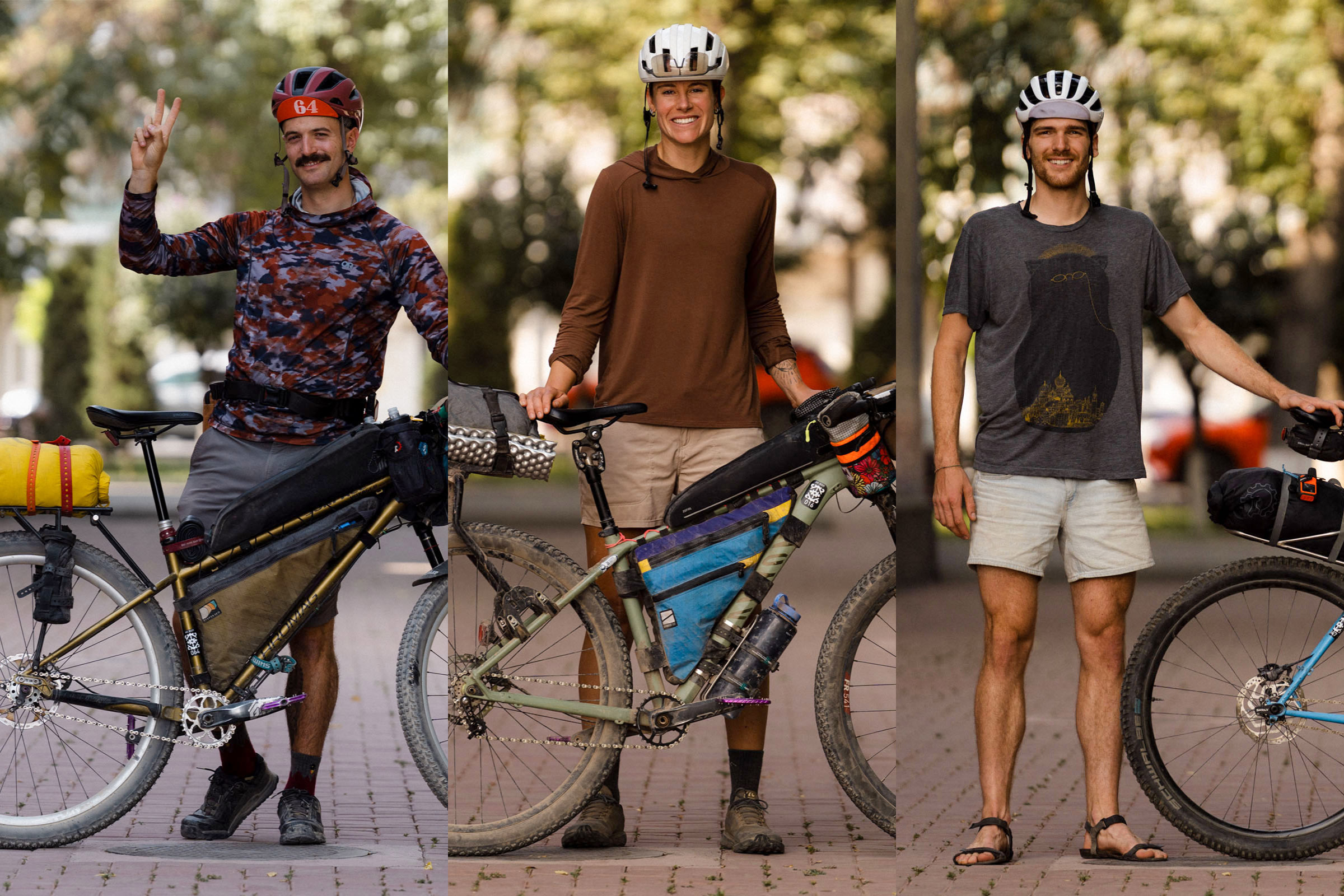
Credit: bikepacking.com
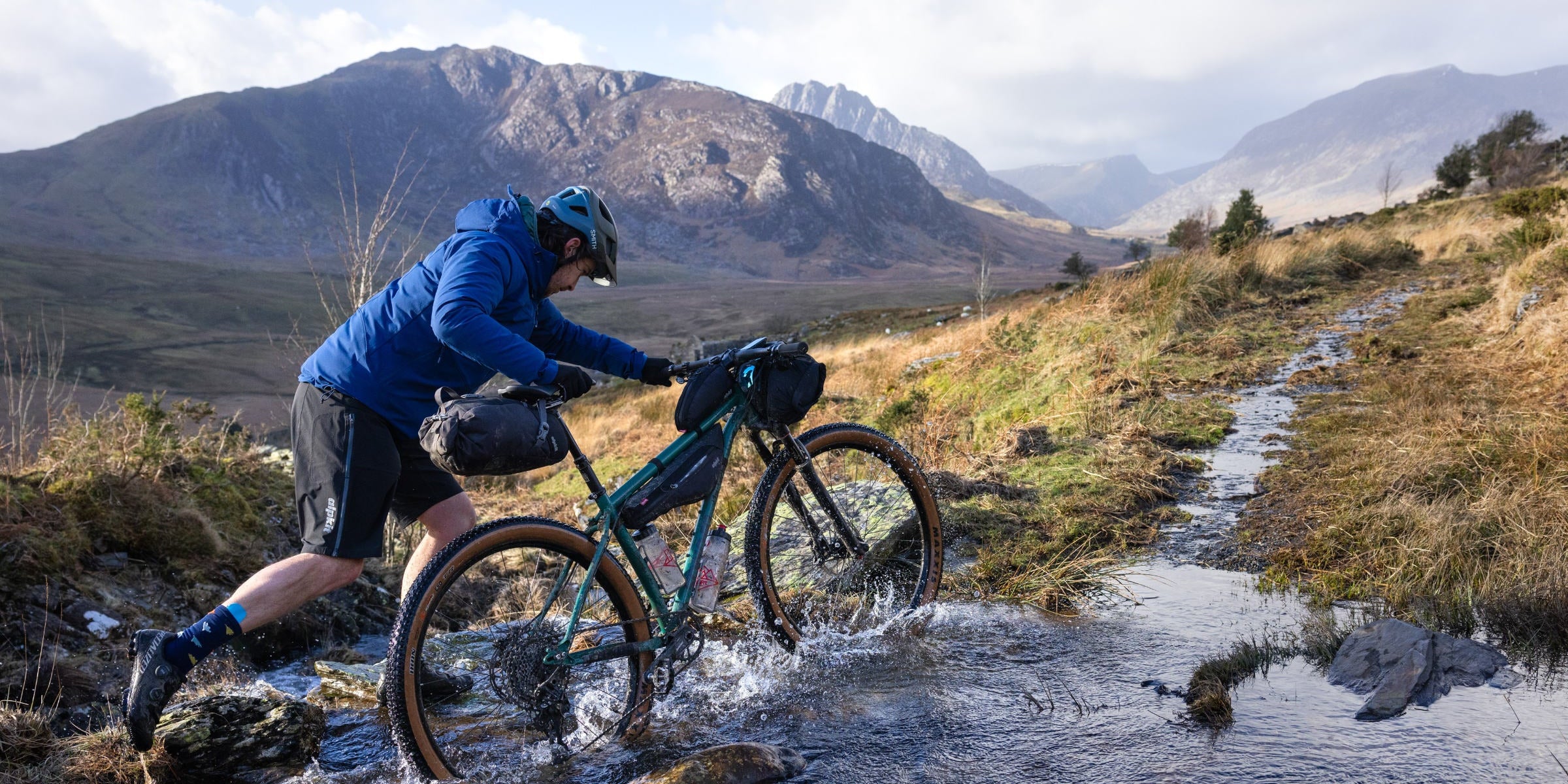
Credit: eu.alpkit.com
Frequently Asked Questions
What Features Make A Bikepacking Bike Ideal For Long Trips?
A good bikepacking bike has a durable frame, wide tires, and multiple mounting points. It should offer comfort, stability, and versatility for varied terrains during long rides.
How Important Is Bike Weight For Bikepacking?
Bike weight affects ease of riding and handling. Lighter bikes reduce fatigue and improve efficiency on long trips, but durability and load capacity remain crucial.
Should I Choose A Mountain Or Gravel Bike For Bikepacking?
Choose based on terrain. Gravel bikes excel on mixed surfaces with speed and comfort, while mountain bikes handle rough, technical trails better with robust suspension.
How Do I Ensure Bike Comfort On Extended Bikepacking Trips?
Comfort comes from proper bike fit, ergonomic handlebars, and a quality saddle. Adjusting tire pressure and adding suspension can reduce fatigue on long rides.
Conclusion
Choosing the right bikepacking bike is crucial for long trips. Focus on comfort and durability. Consider the terrain you will explore. Match bike features to your needs. Lightweight frames are great for uphill rides. Larger tires offer better grip on rough paths.
A good bike fit enhances your adventure. Don’t forget storage options for gear. Test the bike before buying if possible. A well-chosen bike ensures a smooth journey. Enjoy your bikepacking adventures!



