Are you tired of those nagging aches and discomforts after a long ride? Choosing the right saddle can transform your cycling experience from painful to pleasurable.
As a woman cyclist, your needs are unique, and finding that perfect fit can make all the difference. Imagine the joy of cycling with a saddle that feels like it was made just for you, offering both support and comfort.
In this guide, we’ll unravel the secrets to selecting the ideal saddle for women cyclists, ensuring you enjoy every mile to the fullest. Ready to discover how to make your rides more enjoyable and pain-free? Let’s dive into the essentials that will keep you pedaling happily.

Credit: www.youtube.com
Factors Affecting Saddle Comfort
Choosing the right saddle is key for women cyclists to stay comfortable. Many factors affect how a saddle fits and feels during rides.
Understanding these factors helps you pick a saddle that reduces pain and improves your cycling experience.
Anatomical Differences
Women have different pelvic shapes than men. Their sit bones are usually wider. This affects how pressure is placed on the saddle.
- Wider sit bone spacing needs a broader saddle
- Soft tissue areas require cut-outs or relief zones
- Pelvic tilt can change pressure distribution
Riding Style Impact
How you ride also changes what saddle you need. Different styles put pressure on different parts of the body.
| Riding Style | Pressure Points | Saddle Shape |
| Road Cycling | Forward pelvis, sit bones | Narrow and firm |
| Mountain Biking | Variable, more movement | Moderate width with padding |
| Commuting | Upright, perineum area | Wide and cushioned |
Saddle Material Options
The material of the saddle affects comfort and durability. Some materials offer more padding and flexibility.
- Foam: soft but may compress over time
- Gel: molds to body shape for pressure relief
- Leather: durable and breathable but needs break-in
- Carbon fiber: light and stiff for performance
.jpg)
Credit: www.jejamescycles.com
Types Of Saddles For Women
Choosing the right saddle is key to comfort while cycling. Women’s saddles come in different shapes and materials.
Understanding saddle types helps women find the best fit for their riding style and body.
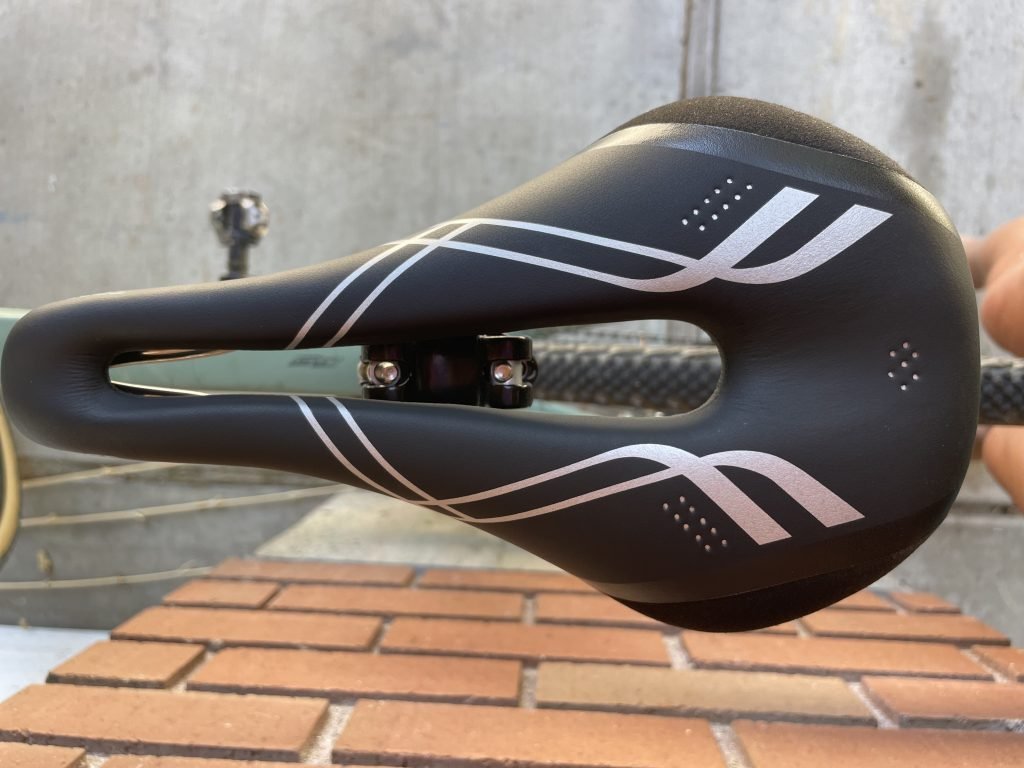
Cut-out Saddles
Cut-out saddles have a groove or hole in the middle. This design reduces pressure on sensitive areas.
They help improve blood flow and reduce numbness during long rides.
- Good for riders with soft tissue discomfort
- Helps prevent numbness and pain
- Available in many shapes and sizes
Wide Vs Narrow Saddles
Wide saddles support wider sit bones. Narrow saddles suit closer sit bones and racing positions.
Choosing the right width helps keep you stable and comfortable on the bike.
- Wide saddles offer more support for casual riding
- Narrow saddles allow more leg movement for speed
- Measure sit bone width to find your ideal saddle width
Gel Vs Foam Padding
Gel padding molds to your body shape. Foam padding is firmer and lighter.
Each type offers different comfort depending on ride length and style.
- Gel padding suits shorter rides and soft cushioning
- Foam padding works well for long rides and firm support
- Gel can feel warmer; foam breathes better
Measuring And Fitting Your Saddle
Choosing the right saddle is key for comfort while cycling. Measuring and fitting your saddle helps prevent pain and injury.
Proper fit supports your body and improves your ride. Focus on key areas to get the best saddle fit.
Sit Bone Width Measurement
Your sit bones carry your weight on the saddle. Measuring their width helps pick the right saddle width.
Use a piece of paper and sit on it firmly. Mark the edges of your sit bones and measure the distance.
- Wider sit bones need wider saddles.
- Narrow sit bones fit narrower saddles.
- Proper width reduces pressure and pain.
Proper Saddle Height
Set saddle height so your leg extends comfortably. Your knee should bend slightly at the bottom pedal stroke.
Too high or too low saddle height causes discomfort and reduces efficiency.
- Place your heel on the pedal at the lowest point.
- Your leg should be straight with heel on pedal.
- If your knee bends, raise or lower the saddle.
Saddle Tilt And Positioning
Adjust saddle tilt to keep your pelvis stable. Most riders find a level saddle the most comfortable.
Move the saddle forward or backward to align your knees over the pedals for better power and comfort.
- Start with saddle level to the ground.
- Tilt nose slightly down if you feel pressure.
- Adjust saddle position to avoid knee strain.
Additional Comfort Features
Choosing the right saddle for women cyclists means looking beyond basic shape and size. Extra comfort features can make rides more enjoyable. These features help reduce pressure and improve support during long trips.
This guide covers key comfort features like suspension, breathability, and cover materials. Understanding these can help you pick a saddle that fits your needs well.
Suspension And Shock Absorption
Saddles with good suspension reduce bumps from rough roads. Shock absorption helps protect sensitive areas. This can prevent pain and fatigue on long rides.
- Springs under the saddle soften impacts.
- Gel or foam padding absorbs shocks.
- Flexible rails allow some movement to ease pressure.
- Suspension seat posts add extra cushioning.
Breathability And Ventilation
Breathable saddles keep you cool and dry. Ventilation prevents sweat build-up, which can cause discomfort and skin issues. Look for saddles with air channels or cut-outs.
| Feature | Benefit |
| Central cut-out | Reduces pressure on soft tissue |
| Perforated padding | Improves air flow |
| Mesh covers | Allows sweat to evaporate quickly |
| Raised edges | Supports hips and prevents sliding |
Cover Materials And Durability
The saddle cover affects comfort and lifespan. Soft, smooth covers reduce chafing. Durable materials resist wear from weather and friction.
| Material | Comfort | Durability | Maintenance |
|---|---|---|---|
| Leather | Very soft and molds to body | High, but needs care | Requires conditioning |
| Synthetic leather | Soft and water-resistant | Good durability | Easy to clean |
| Microfiber | Breathable and smooth | Moderate | Wipe clean |
| Plastic | Firm, less comfortable | Very durable | Low maintenance |
Testing And Adjusting Your Saddle
Choosing the right saddle is key for women cyclists. Testing and adjusting your saddle helps find comfort. This process avoids pain and improves your ride.
Small changes during rides can make a big difference. Learning how to test and adjust will help you enjoy cycling more.
Short Test Rides
Take short rides to check saddle comfort before long trips. These rides help you notice pressure points or discomfort early.
Try different saddle positions and shapes on short rides. Pay attention to any soreness or numbness after each ride.
- Ride 10 to 15 minutes at your normal pace
- Stop and check for pain or pressure
- Adjust saddle angle or height if needed
- Repeat until the saddle feels comfortable
Adjusting During Rides
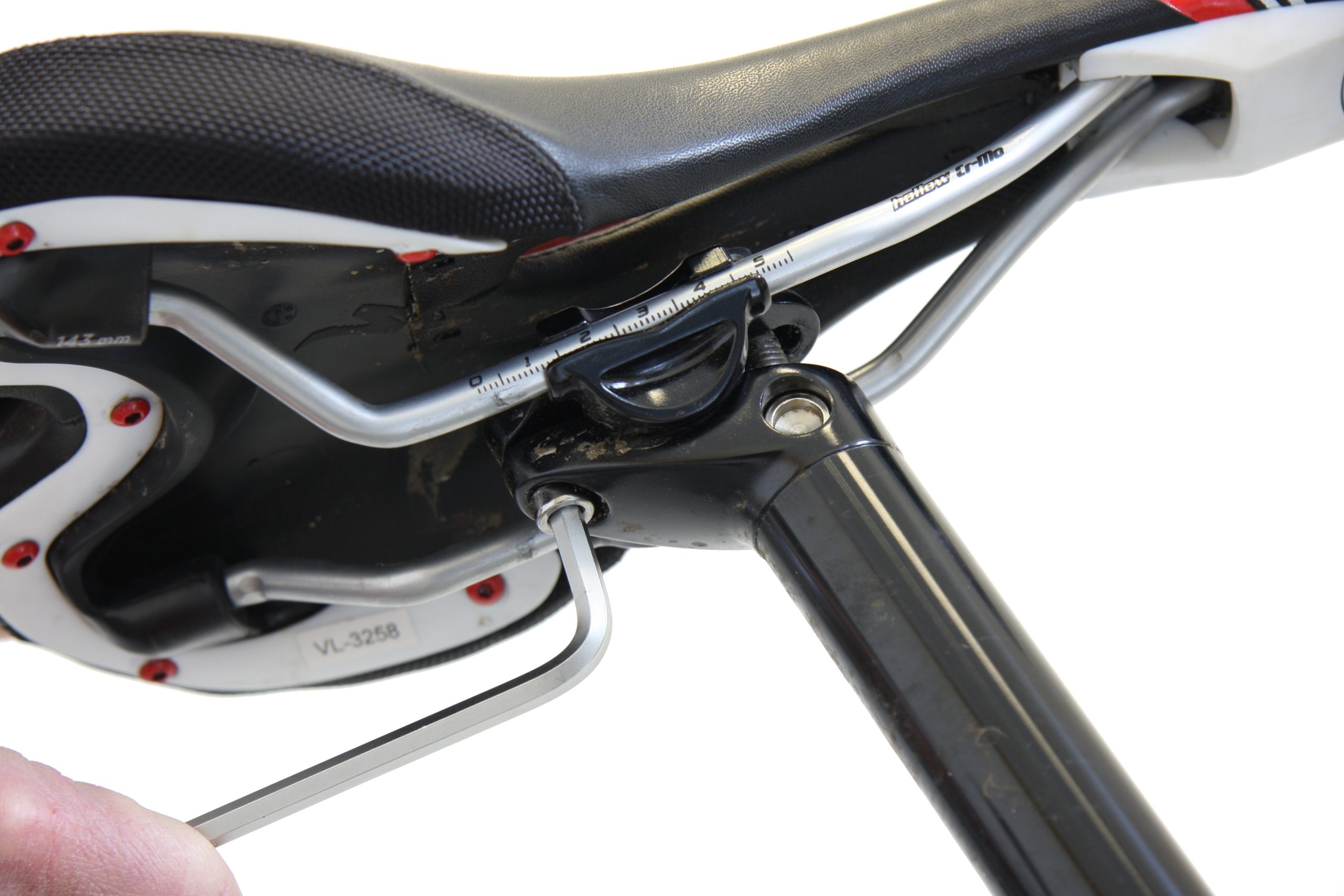
Make small saddle adjustments during rides to improve comfort. You can change saddle tilt, height, or fore-aft position.
Use these tips to adjust while riding:
- Loosen saddle clamp slightly to move saddle
- Tilt saddle nose up or down by small degrees
- Raise or lower saddle height in small steps
- Slide saddle forward or backward for better support
- Test each change on flat ground before longer rides
When To Replace Your Saddle
Replace your saddle if discomfort lasts after adjustments. Old saddles may lose padding or shape, causing pain.
Look for these signs to know when to get a new saddle:
- Persistent soreness or numbness on rides
- Visible wear or cracks in saddle cover
- Flattened or hard padding under your sit bones
- Saddle rails bent or damaged
- Riding feels unstable or awkward
Credit: totalwomenscycling.com
Tips For Maintaining Saddle Comfort
Choosing the right saddle is important for women cyclists. Keeping comfort during rides needs more than just a good saddle. There are ways to keep your saddle feeling good for a long time.
This guide shares simple tips to help you stay comfortable. These tips cover clothing, saddle care, and using chamois cream.
Proper Clothing Choices
Wearing the right clothes makes a big difference in saddle comfort. Choose padded cycling shorts to reduce pressure and friction. Avoid cotton because it holds moisture and causes chafing.
Look for shorts with a soft, breathable chamois pad. Make sure your shorts fit well and are not too loose or tight. Change your clothes after rides to keep skin healthy.
- Wear padded cycling shorts with a good chamois
- Choose moisture-wicking fabrics instead of cotton
- Ensure your shorts fit snugly but not too tight
- Change clothes right after your ride
Saddle Care And Cleaning
Keeping your saddle clean helps maintain comfort and lasts longer. Wipe your saddle after each ride to remove sweat and dirt. Use mild soap and water for deeper cleaning.
Do not use harsh chemicals or soak the saddle. Check for damage regularly and replace your saddle if padding wears out. Proper care prevents discomfort caused by rough surfaces or worn parts.
- Wipe saddle after every ride
- Clean with mild soap and water when needed
- Avoid harsh chemicals and soaking
- Inspect saddle for damage and wear
- Replace saddle if padding is worn out
Using Chamois Cream
Chamois cream reduces friction and prevents skin irritation. Apply it on your skin or the inside of your shorts before riding. Use a small amount and spread evenly.
Reapply cream on longer rides to keep skin comfortable. This simple step helps avoid saddle sores and chafing during cycling.
- Apply chamois cream before rides
- Spread evenly on skin or shorts
- Use a small amount to avoid mess
- Reapply during long rides
- Helps prevent chafing and saddle sores
Frequently Asked Questions
What Factors Affect Saddle Comfort For Women Cyclists?
Saddle width, padding, and shape directly impact comfort. Women-specific designs consider pelvic anatomy for better support. Proper fit reduces pressure and chafing during rides. Choosing the right saddle enhances overall cycling experience and reduces discomfort.
How To Measure The Correct Saddle Width?
Measure the distance between your sit bones using a sit bone measuring tool. Match the saddle width to this measurement for optimal support. A proper width prevents pressure points and improves comfort on long rides.
Why Is Saddle Shape Important For Women Cyclists?
Saddle shape affects weight distribution and pressure relief. Women-specific saddles usually have a wider rear and a cutout for sensitive areas. This design reduces numbness and enhances blood flow during cycling.
How Does Padding Influence Saddle Comfort?
Padding cushions the sit bones and reduces vibration from the road. Too much padding can cause discomfort by increasing pressure points. Choose moderate padding tailored to your riding style and duration.
Conclusion
Choosing the right saddle comfort makes cycling more enjoyable and pain-free. Think about your riding style and how long you ride. Try different saddles to find what feels best for you. Remember, comfort varies from person to person. A good saddle supports your sit bones and reduces pressure.
Don’t rush the process; comfort improves with time and the right fit. Your bike rides will become more fun and comfortable with the right saddle choice. Keep your needs in mind and enjoy every ride.