
Picture this: You’re planning your next thrilling mountain biking adventure, and you’re eager to explore new trails. But there’s one crucial element that can make or break your experience—how you transport your bike.
Choosing the right rack for your mountain bike isn’t just a mundane task; it’s the key to ensuring your precious ride arrives safely and ready to conquer any terrain. Imagine the peace of mind you’ll have, knowing your bike is securely mounted, allowing you to focus solely on the excitement of the ride ahead.
With countless options on the market, it can be overwhelming to decide which rack suits your needs best. Don’t worry, though, because we’re here to guide you through the process, helping you make a confident decision that aligns perfectly with your biking lifestyle. Dive in as we unravel the secrets to finding the perfect bike rack that complements your adventures and keeps your mountain bike safe and sound.

Credit: www.lippert.com
Types Of Bike Racks
Roof racks sit on top of your car. They keep your bike safe and secure. These racks require lifting bikes high. This might be tricky for some people. They are great for keeping the trunk free. But they might affect the car’s height clearance.
Trunk racks are easy to install. They attach to the back of the car. These racks are usually affordable. They fit most car models. But, bikes might block the rear view. Make sure straps are tight. This prevents bikes from falling.
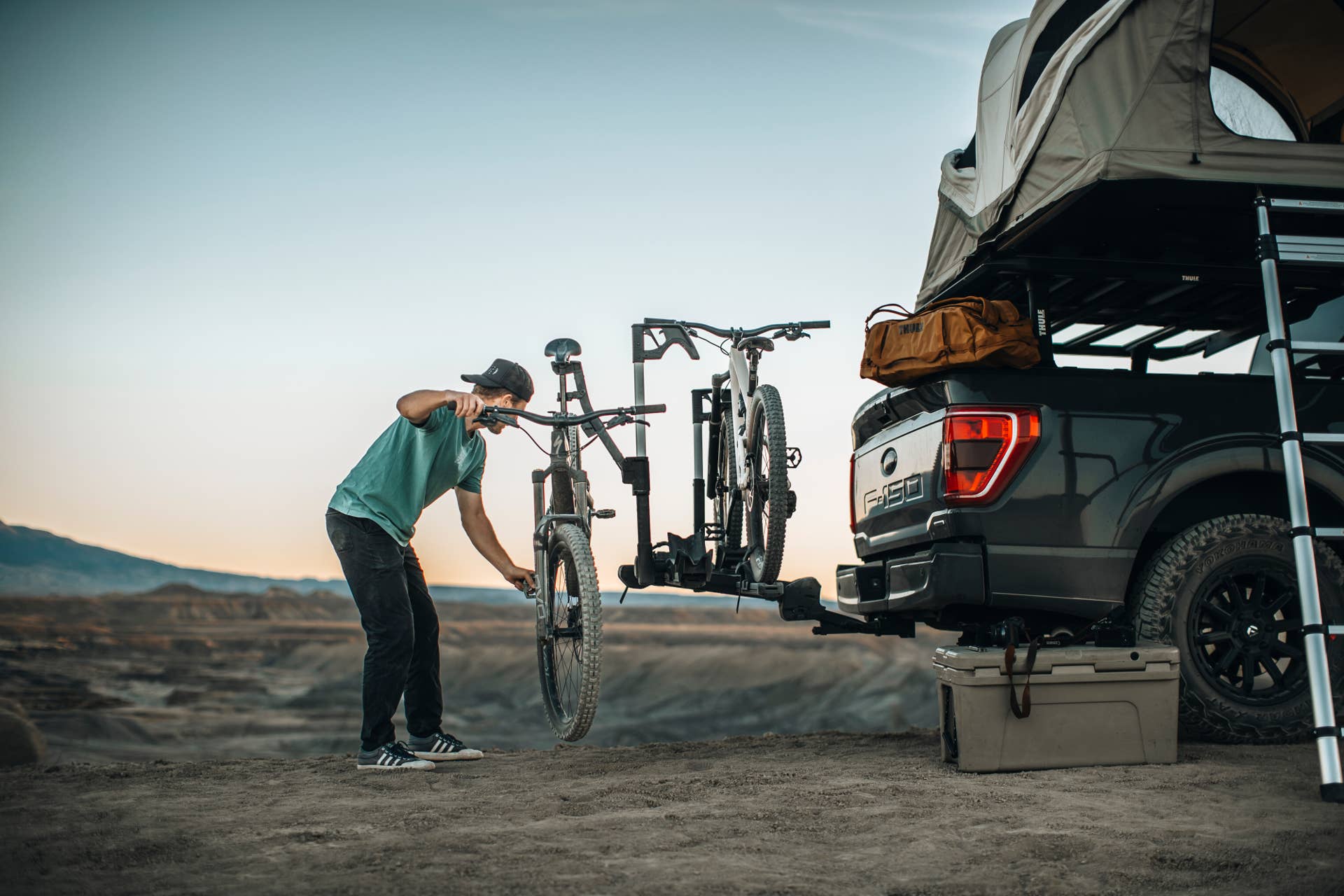
Hitch racks attach to the car’s hitch receiver. They are strong and easy to use. These racks can carry multiple bikes. No need to lift bikes high. They keep bikes stable during travel. But, they need a hitch on the car.
Spare tire racks mount on the back tire. They are perfect for SUVs and Jeeps. These racks are simple and quick to set up. They keep bikes away from the car’s body. But, they might not fit all tire sizes.
Key Features To Consider
Check the weight limitof the rack. Some racks hold more weight. Make sure your bike is not too heavy. This will keep your bike safe on the rack. Always check before you buy.
Some racks are easy to install. Others need tools and time. Look for racks with clear instructions. Quick installation saves time. Easy racks make your life simple.
Locking featuresare important for safety. Some racks come with locks. Others need separate locks. Check if the rack has strong locks. A safe bike is a happy bike.
Not all racks fit every bike. Check if the rack fits your bike frame. Some racks are for specific bikes. Always check compatibility before buying.
Material And Durability
Selecting the right rack involves considering material and durability. Opt for high-quality, rust-resistant metals like aluminum or steel. A sturdy rack ensures safety and longevity during mountain bike adventures.
Steel Vs. Aluminum
Steel racks are strong and can hold heavy bikes. They last longer but are heavier. Aluminum racks are lighter. They are easy to carry and install. But they may not be as strong. Choose based on your bike’s weight and your needs.
Weather Resistance
Racks face rain, sun, and snow. Some racks have special coatings. This helps them last longer outside. Steel racks might rust if not coated. Aluminum racks resist rust better. Think about your area’s weather. It helps in choosing the right rack.
Long-term Reliability
Reliable racks keep bikes safe on long trips. Check for strong joints and good build. Well-made racks last many years. Look for brands known for quality. It ensures peace of mind during your rides.
Credit: www.bikemag.com
Budget And Price Range
Consider your budget when selecting a mountain bike rack. Options vary widely, from affordable to premium. Balance cost with features to find the best fit for your needs.
Affordable Options
Many racks are budget-friendly yet strong. Look for racks made from aluminum or steel. These materials are durable and lightweight. Some racks have a simple design. They are easy to use and install. Prices usually start at $20. Great for short trips or city rides.
Mid-range Choices
Mid-range racks offer more features. They are often adjustable and can carry more weight. Made from better materials, they last longer. They may have extra straps for safety. These racks cost between $40 and $80. Perfect for regular riders.
Premium Selections
Premium racks are the most reliable and stylish. Built from high-quality materials like carbon fiber. They offer advanced features like quick-release systems. Some have anti-theft locks. Prices can go over $100. Best for serious biking enthusiasts.
Brand Recommendations
Choosing a mountain bike rack requires considering weight capacity and compatibility with your bike’s frame. Ensure the rack is sturdy and easy to install, offering security and protection during transport.
Popular Brands
Many riders like Thuleand Yakimafor bike racks. These brands are famous and trusted. Sarisand Allen Sportsalso make good racks. They are reliable and safe for bikes. People trust these brands for their quality.
Best For Durability
Thuleracks last a long time. They are made with strong materials. These racks can handle rough roads. Yakimais also known for durable products. They make racks that withstand weather and wear. These brands are perfect for tough rides.
Top For Ease Of Use
Sarisracks are easy to set up. They have simple instructions. Allen Sportsracks are quick to mount. No tools are needed. Both brands make it easy for bikers. They save time and effort.
User Reviews And Ratings
Exploring user reviews can reveal useful insights about mountain bike racks. Look for ratings that highlight durability and ease of installation. Consider feedback on how well the rack secures different bike sizes.
Analyzing Feedback
Reading user reviews helps find the best bike rack. Look for patterns in what people say. This shows common thoughts and feelings. Some racks might have many good reviews. Others may have repeated bad feedback. Focus on specific features users mention. This helps understand what works well and what does not.
Common Complaints
- Racks not fitting all bike sizes.
- Difficulty in installing the rack.
- Lack of durability over time.
- Noisy during travel.
Highly Rated Features
- Easy to install and remove.
- Sturdy and lasts long.
- Holds bikes securely without shaking.
- Adjustable to fit different bikes.
Installation Tips
First, check the bike’s frame for mounting points. These spots are where the rack connects to the bike. Next, gather all the necessary bolts and washers. Align the rack with the mounting points on the bike. Secure the bolts tightly, but do not over-tighten. Check if the rack sits level and adjust if needed. Finally, ensure the rack is secure by gently shaking it.
Avoid using the wrong size bolts. This can damage the bike. Do not skip checking the weight limit of the rack. Overloading can cause accidents. Make sure the rack does not block your brake cables. Always double-check your work for safety.
- Allen wrench set
- Screwdriver
- Adjustable wrench
- Rag for cleaning
Maintenance And Care
Choosing the right rack for your mountain bike involves considering the size and weight of your bike. Ensure the rack is compatible with your vehicle type and has secure mounting options. Check for durable materials to withstand weather conditions for better maintenance and care.
Cleaning Techniques
Keep your mountain bike rack clean for longer life. Use a soft cloth and mild soap. Gently wipe the rack to remove dirt and grime. Avoid harsh chemicals. These can damage the rack’s finish. Rinse with water and let it dry completely. This prevents rust and keeps it shiny.
Inspecting For Damage
Check your rack for any cracks or bends. Look for loose bolts or screws. Tighten them to ensure safety. Watch out for rust or corrosion spots. These can weaken the rack. If you find any damage, fix it right away. A strong rack keeps your bike safe.
Regular Servicing
Get your rack serviced at least twice a year. A professional can spot hidden issues. They will check all parts and fix them. Regular servicing keeps the rack in top condition. It ensures your bike is always safe and secure.

Credit: www.thule.com
Frequently Asked Questions
How To Know Which Bike Rack To Get?
Consider your vehicle type and bike quantity. Check compatibility with hitch, trunk, or roof mounts. Ensure weight capacity suits your needs.
How To Choose Bike Racks?
Choose bike racks based on vehicle compatibility, installation ease, and security features. Consider rack type: roof, hitch, or trunk. Check load capacity and durability. Prioritize racks with anti-theft locks and weather-resistant materials. Ensure it fits your budget and lifestyle needs.
Are Vertical Or Horizontal Bike Racks Better?
Vertical bike racks save floor space and are ideal for tight areas. Horizontal racks offer easier access and stability. Choose based on your space and usage needs. Both options securely store bikes, but consider installation and convenience. Evaluate your area size and preferred bike accessibility before deciding.
What Is The Difference Between A Class 1 And Class 2 Bike Rack?
Class 1 bike racks support lighter loads and typically accommodate one or two bikes. Class 2 bike racks are sturdier, designed for heavier loads, and can hold more bikes, often with additional features for security and stability. Both classes cater to different biking needs and preferences.
Conclusion
Choosing the right rack for your mountain bike is crucial. It ensures safe transport and easy access. Consider the type of rack. Think about your bike’s weight and size. Look at how often you travel. Compare different brands and models.
Read reviews for real user experiences. Make sure it fits your car securely. Check its durability for long-term use. A good rack keeps your bike safe. It gives you peace of mind during trips. Your mountain adventures will be more enjoyable.
Picking the right rack makes your biking journeys smoother.



