
Choosing the right pedals for your track bike can make a huge difference in your speed, control, and comfort. But with so many options out there, how do you know which pedals are the best fit for you?
This guide will help you understand exactly what to look for, so you can boost your performance and enjoy every ride. Keep reading to discover simple tips that will make picking the perfect pedals easy and stress-free. Your bike—and your legs—will thank you.
Credit: www.bikemag.com
Types Of Pedals For Track Bikes
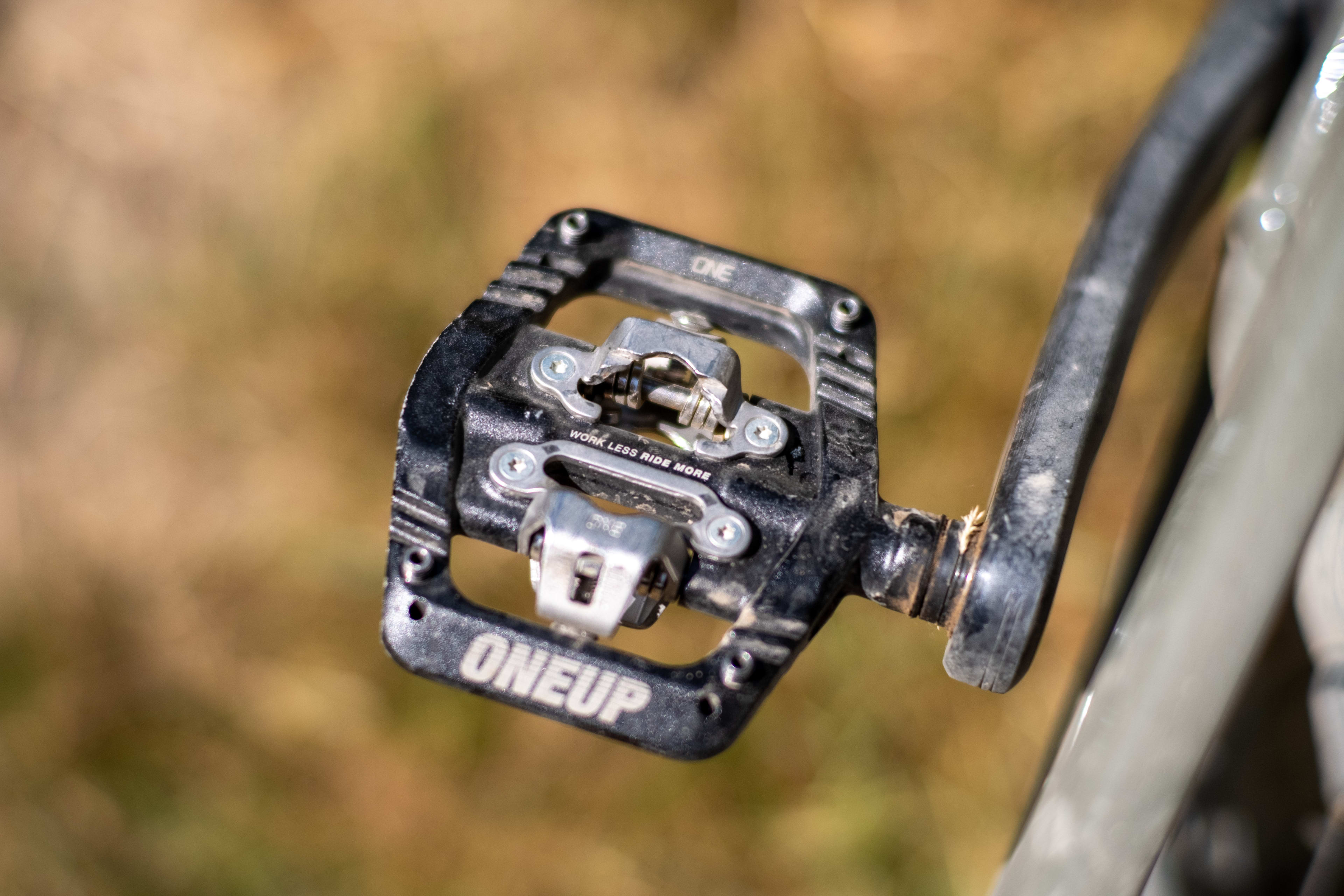
Platform pedalshave a flat surface and are easy to use. They allow quick foot removal, which helps in fast stops. These pedals are good for beginners and casual riders. They provide good grip with pins or textured surfaces.
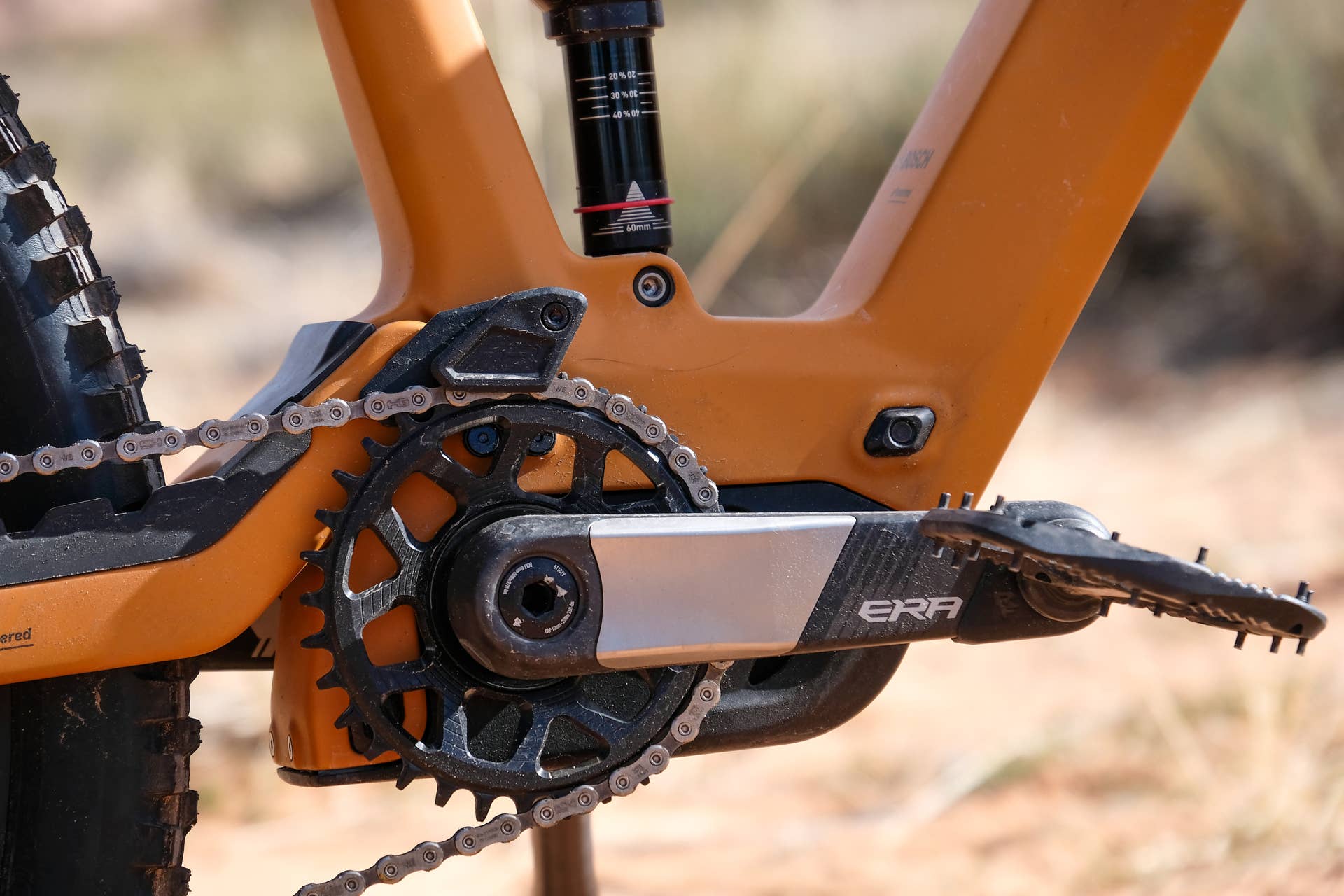
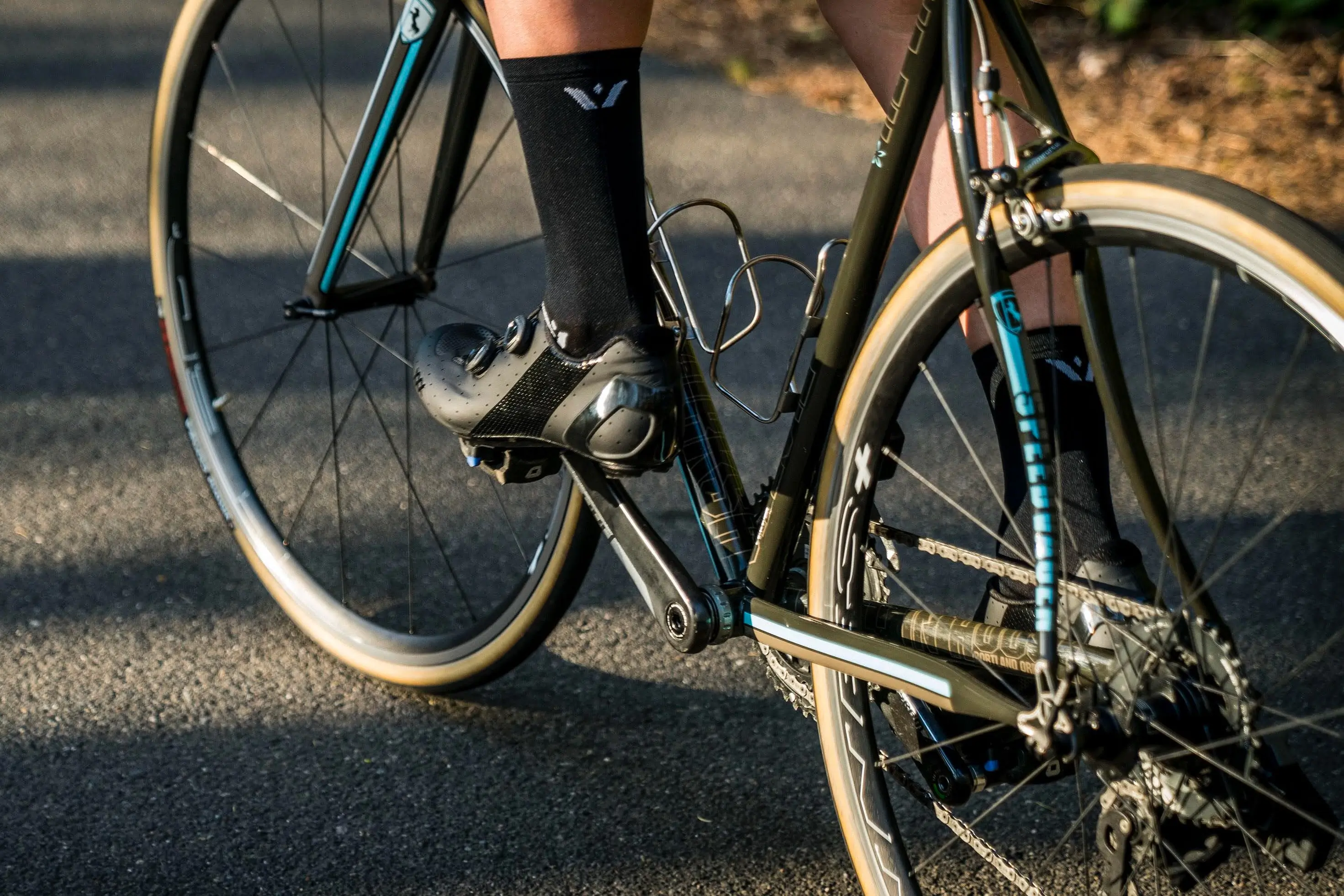
Clipless pedalsconnect directly to special shoes using cleats. This gives a strong, secure fit and better power transfer. Riders feel more control and efficiency. They require practice to clip in and out safely.
Toe clip pedalsuse a cage or strap to hold the foot on the pedal. They help keep feet in place without special shoes. These pedals offer more control than platform pedals but less than clipless pedals. They are a good middle ground choice.
Credit: www.bikemag.com
Key Factors To Consider
Pedals must fit wellwith your shoes. Check the type of cleats your shoes use. Make sure the pedals and shoes match for a secure connection.
Materialaffects how long pedals last. Steel pedals are strong but heavy. Aluminum pedals are lighter but may wear faster. Look for pedals made with durable materialsto avoid frequent replacements.
Lighter pedals help you pedal faster and save energy. But very light pedals can be less durable. Find a good balance between weight and strength.
- Good griphelps keep your feet steady.
- Look for pedals with pins or textured surfaces.
- Better traction means safer ridesand fewer slips.
Benefits Of Different Pedal Types
Power transfer efficiencyis key for track biking. Clipless pedals hold your feet tightly. This means less energy loss during pedaling. Platform pedals offer less grip but are easier to use. The right pedal helps you push hard and fast on the track.
Safety and controlare vital. Clipless pedals keep your feet from slipping off. This prevents accidents and helps you stay steady. Platform pedals allow quick foot removal. They are safer for beginners or quick stops. Choose pedals that fit your skill level and riding style.
Comfort during ridesdepends on pedal design. Some pedals have extra padding for foot comfort. Clipless pedals need compatible shoes, which can feel stiff at first. Platform pedals work with any shoes and feel more natural. Comfort helps you ride longer without pain.
How To Match Pedals To Riding Style
Sprint and racing ridersneed pedals that offer a secure gripand quick release. Lightweight, stiff pedals help transfer power fast. Clipless pedals are common, giving better control and speed.
For endurance riding, comfort is key. Pedals that allow some foot movement reduce fatigue. Wider pedals help spread pressure, making long rides easier. Easy to clip in and out pedals are best.
Casual track ridersprefer pedals that are simple and reliable. Flat pedals or basic clipless pedals work well. Comfort and ease of use matter more than weight or speed. Durability is important too.
Installation And Maintenance Tips
Start by aligning the pedals with the crank arms. Turn the right pedal clockwise to tighten. The left pedal tightens counterclockwise. Use a pedal wrench for a secure fit. Avoid over-tightening to prevent damage.
Keep pedals clean by wiping off dirt and dust regularly. Use a soft cloth and mild soap if needed. Lubricate the pedal threads and bearings to ensure smooth rotation. This prevents rust and extends pedal life.
- Check pedals for loose parts or damage every month.
- Listen for unusual noises during rides.
- Look for worn out or cracked pedal bodies.
- Replace damaged pedals promptly to avoid injury.
Credit: gearjunkie.com
Top Brands And Models To Consider
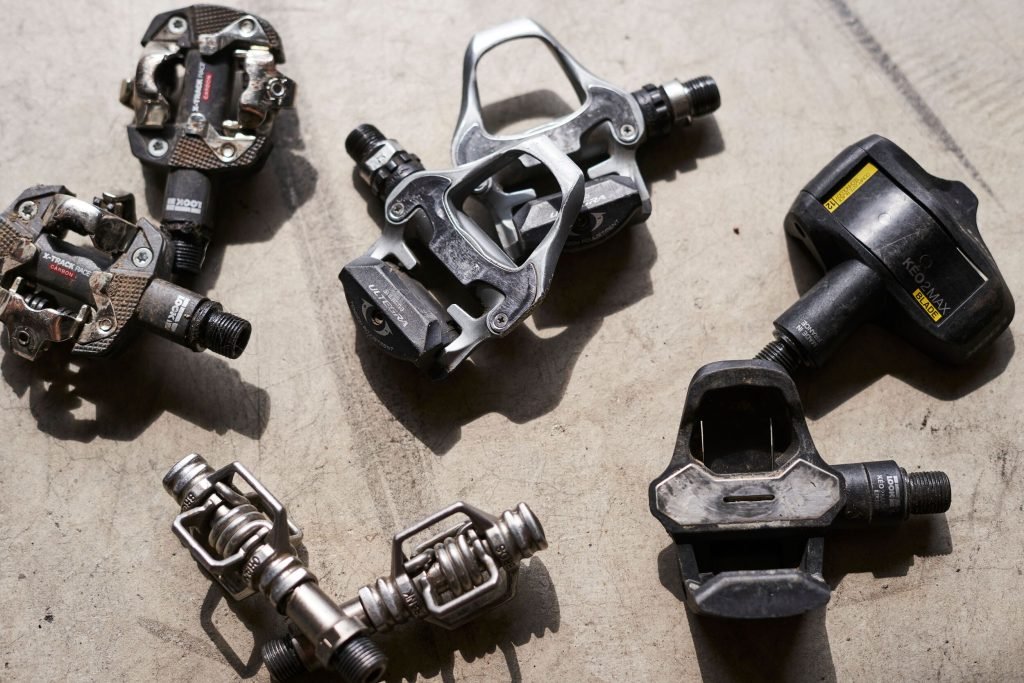
Choosing the right pedals can be fun. Shimano offers reliable and durable options. They are great for track bikes. Look at the SPD-SL model for good performance. Another popular brand is Look. Their Keo pedals are light and strong. They help you ride faster.
Consider Time brand too. The Xpresso model is easy to use. It provides a smooth ride. Crankbrothers is another choice. Their pedals are stylish and work well. The Eggbeater model is unique and simple.
Think about your needs. Are you racing or just riding for fun? Different pedals fit different bikes. Some are better for speed. Others are best for comfort. Choose wisely!
Frequently Asked Questions
What Types Of Pedals Are Best For Track Bikes?
Track bikes commonly use clipless pedals for better power transfer and control. They securely attach to cycling shoes, enhancing efficiency during sprints and steady rides on the velodrome.
How Do Pedal Weights Affect Track Bike Performance?
Lighter pedals reduce overall bike weight, improving acceleration and handling. However, durability matters too. Choose pedals that balance lightness with strength for optimal track performance.
Can I Use Mountain Bike Pedals On Track Bikes?
Mountain bike pedals are generally unsuitable for track bikes. Track pedals focus on stiffness and weight, while MTB pedals prioritize grip and mud clearance, which isn’t needed on smooth tracks.
How Important Is Pedal Compatibility With Cycling Shoes?
Pedal and shoe compatibility ensures secure engagement and efficient power transfer. Using compatible cleats and pedals prevents slipping and improves riding safety on track bikes.
Conclusion
Choosing the right pedals makes riding a track bike easier and safer. Focus on pedal type, material, and how they fit your shoes. Think about your riding style and comfort. Good pedals help you pedal smoothly and stay steady. Take time to try different pedals before buying.
The right choice improves your speed and control on the track. Keep your pedals clean and check them often. Enjoy riding with pedals that match your needs perfectly.



