
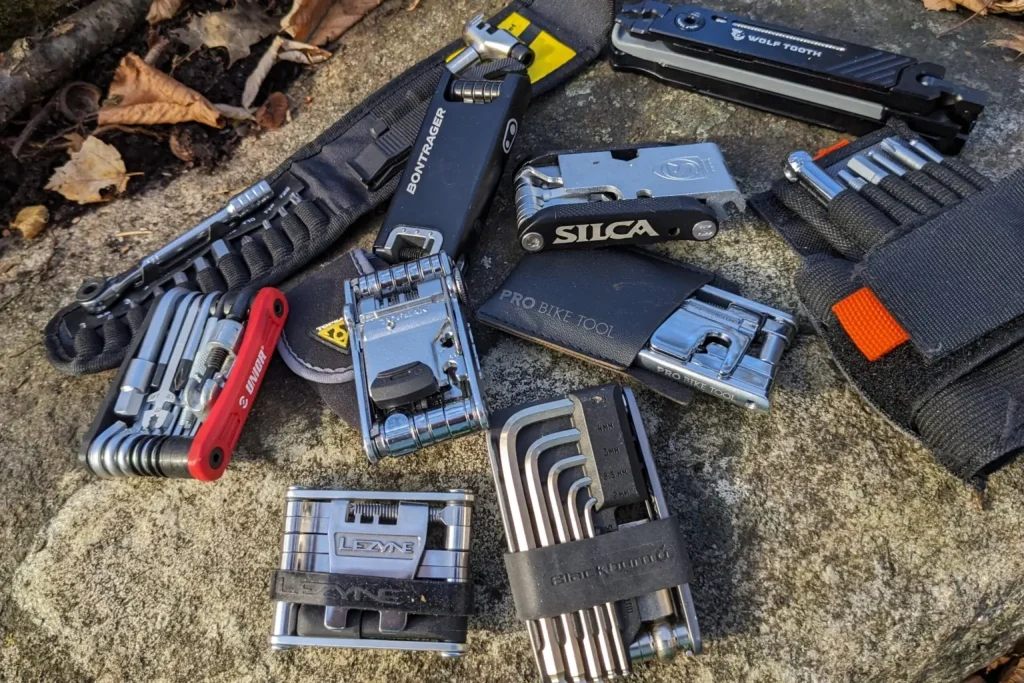
When you’re out on a bikepacking trip, the last thing you want is to get stuck with a broken bike and no way to fix it. Choosing the right multi-tool for bikepacking repairs can make all the difference between a smooth ride and a frustrating delay.
But with so many options out there, how do you know which one fits your needs? In this guide, you’ll discover exactly what to look for in a multi-tool that will keep your bike running, no matter where the trail takes you.
Keep reading to find the perfect tool that will give you confidence and peace of mind on every adventure.
Key Features To Look For
Choosing the right multi-tool for bikepacking repairs is important. It can save time and keep your ride smooth. Focus on features that make fixing your bike easier on the trail.
Look for tools that offer the right balance of size, weight, and function. Each feature helps in different ways during your bikepacking trips.
Essential Tools Included
A good multi-tool has the main tools for common bike repairs. Look for these key tools:
- Hex wrenches in multiple sizes
- Tire levers for removing tires
- Chain breaker for fixing broken chains
- Screwdrivers (flathead and Phillips)
- Spoke wrench to adjust wheel spokes
- Torx keys for newer bike parts
Weight And Portability
Multi-tools should be light and small. They must fit easily in your pack or pocket. Heavy or bulky tools can slow you down on long rides.
| Feature | Why It Matters |
|---|---|
| Weight under 200 grams | Light to carry without feeling heavy |
| Compact size | Fits in small bags or pockets |
| Foldable design | Keeps tools secure and prevents damage |
Durability And Material
Strong materials make tools last longer. Look for stainless steel or heat-treated metals. These resist rust and breakage during rough use.
- Stainless steel for rust resistance
- Heat-treated metal for strength
- Corrosion resistance for wet conditions
- Solid build to avoid wobbling parts
Ease Of Use
Choose a multi-tool that is simple to operate. Tools should open smoothly and lock securely. Easy access saves time during repairs.
- Clear tool markings for quick identification
- Ergonomic handles for better grip
- Locking mechanisms to hold tools in place
- Tools that deploy fully without obstruction
Types Of Multi-tools For Bikepacking
Choosing the right multi-tool is important for bikepacking repairs. Multi-tools come in different styles and sizes. Each type fits specific needs on the trail.
Knowing the types helps you pick a tool that matches your bike and repair tasks. This guide explains the main types of multi-tools.
Compact Multi-tools
Compact multi-tools are small and light. They easily fit in your pocket or saddlebag. These tools usually include essential functions like Allen keys, screwdrivers, and a chain tool.
- Lightweight and easy to carry
- Basic tools for common repairs
- Good for quick fixes on the road
- May lack specialized tools
Specialized Bike Multi-tools
Specialized bike multi-tools focus on specific bike parts. They often include tools for disc brakes, cassette removal, or tire levers. These are good if you know your bike needs certain repairs.
| Tool Type | Common Use |
| Disc Brake Piston Press | Brake adjustments |
| Cassette Lockring Tool | Remove or install cassettes |
| Tire Levers | Remove tires from rims |
| Spoke Wrench | Adjust wheel spokes |
Modular And Customizable Options
Modular multi-tools let you add or remove parts. You can build a tool set that fits your needs. These tools often use a frame where you attach different bits or tools.
- Customize tools for your bike
- Replace broken parts easily
- Upgrade tools as needed
- Save space by carrying only what you need
Matching Tools To Your Bike Needs
Choosing the right multi-tool for bikepacking repairs is important. The tools you carry should fit your bike and your repair needs.
Carrying the wrong tools adds weight and may not help fix your bike on the trail. Match tools carefully to avoid this problem.
Tools For Common Repairs
Most bike issues happen often and need simple tools. Your multi-tool should cover these common repairs.
- Allen keys in various sizes for bolts
- Chain tool to fix broken chains
- Screwdrivers for adjusting components
- Tire levers to remove tires easily
- Spoke wrench for wheel truing
These tools help fix flat tires, loose bolts, and broken chains fast. Make sure your multi-tool has them.
Tools For Specific Bike Types
Different bikes need different tools. Your multi-tool should fit your bike type to be useful.
- Mountain bikes often need larger Allen keys and a chain tool
- Road bikes may require smaller screwdrivers and a tire lever
- Gravel bikes might need tools for tubeless tire repair
- Electric bikes could need special tools for battery and motor parts
Check your bike’s parts and carry tools that match those parts for easier repairs.
Considering Your Repair Skills
Your repair skill level affects the tools you need. Carry tools you know how to use well.
Simple tools work best for beginners. Experienced riders may carry more complex tools for advanced fixes.
- Beginners should focus on basic Allen keys, screwdrivers, and tire levers
- Intermediate users can add chain tools and spoke wrenches
- Advanced riders might carry mini pumps, patch kits, and specialty tools
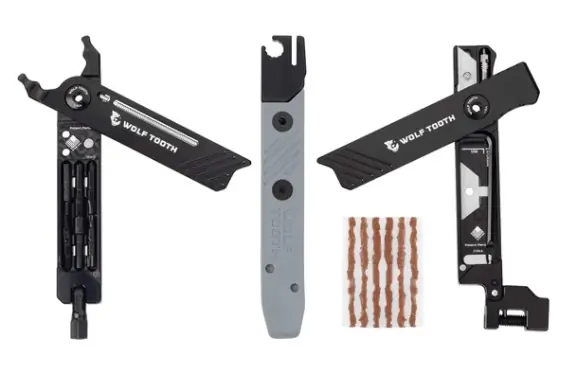
Credit: gearjunkie.com
Balancing Weight And Functionality
Choosing the right multi-tool for bikepacking repairs means finding a balance. You want a tool that is light but still works well for many repairs.
Carrying heavy tools can slow you down. But small tools may not fix all problems. Think about what matters most for your ride.
Importance Of Lightweight Gear
Lightweight gear helps you ride longer and faster. It reduces the load on your bike and body. This makes your trip easier and more fun.
- Less weight means less effort on climbs.
- Light gear fits better in small bike bags.
- It prevents fatigue during long rides.
- Easy to carry if you need to hike or walk.
Trade-offs Between Size And Capability
Small multi-tools save space but may lack some functions. Bigger tools offer more features but add weight. Choose what repairs you might face.
| Tool Size | Weight | Functions | Best For |
| Compact | Under 100g | Basic repairs (Allen keys, screwdrivers) | Short trips, light riders |
| Medium | 100-200g | More tools plus chain tool | Longer rides, varied terrain |
| Large | Over 200g | Full repair kit including tire levers | Extended bikepacking trips |
Budget And Quality Considerations
Choosing the right multi-tool for bikepacking repairs depends on your budget and the quality you need. A good tool can fix problems fast and keep you riding.
Think about how often you will use the tool and the types of repairs you might face. This helps balance cost and durability.
Affordable Vs Premium Multi-tools
Affordable multi-tools cost less and usually cover basic repairs. They are good for occasional use or light bikepacking trips.
Premium multi-tools have more functions and stronger materials. They work better for tough repairs and last longer on long trips.
- Affordable tools often use lighter metals or plastics
- Premium tools use stainless steel or titanium for strength
- Basic tools include essential wrenches and screwdrivers
- Advanced tools offer more bits and special bike parts
- Affordable tools may weigh less but feel less solid
- Premium tools focus on durability and reliability
Long-term Value And Reliability
Cheap multi-tools might save money now but can break or wear out quickly. This can cause delays during your trip.
Investing in a reliable multi-tool saves money over time. It reduces the chance of failure and helps you fix more problems easily.
- Look for tools with solid joints and corrosion resistance
- Check if the tool parts fold smoothly and lock in place
- Read reviews about long-term use and durability
- Choose brands known for quality and repair support
- Consider the warranty or replacement parts availability
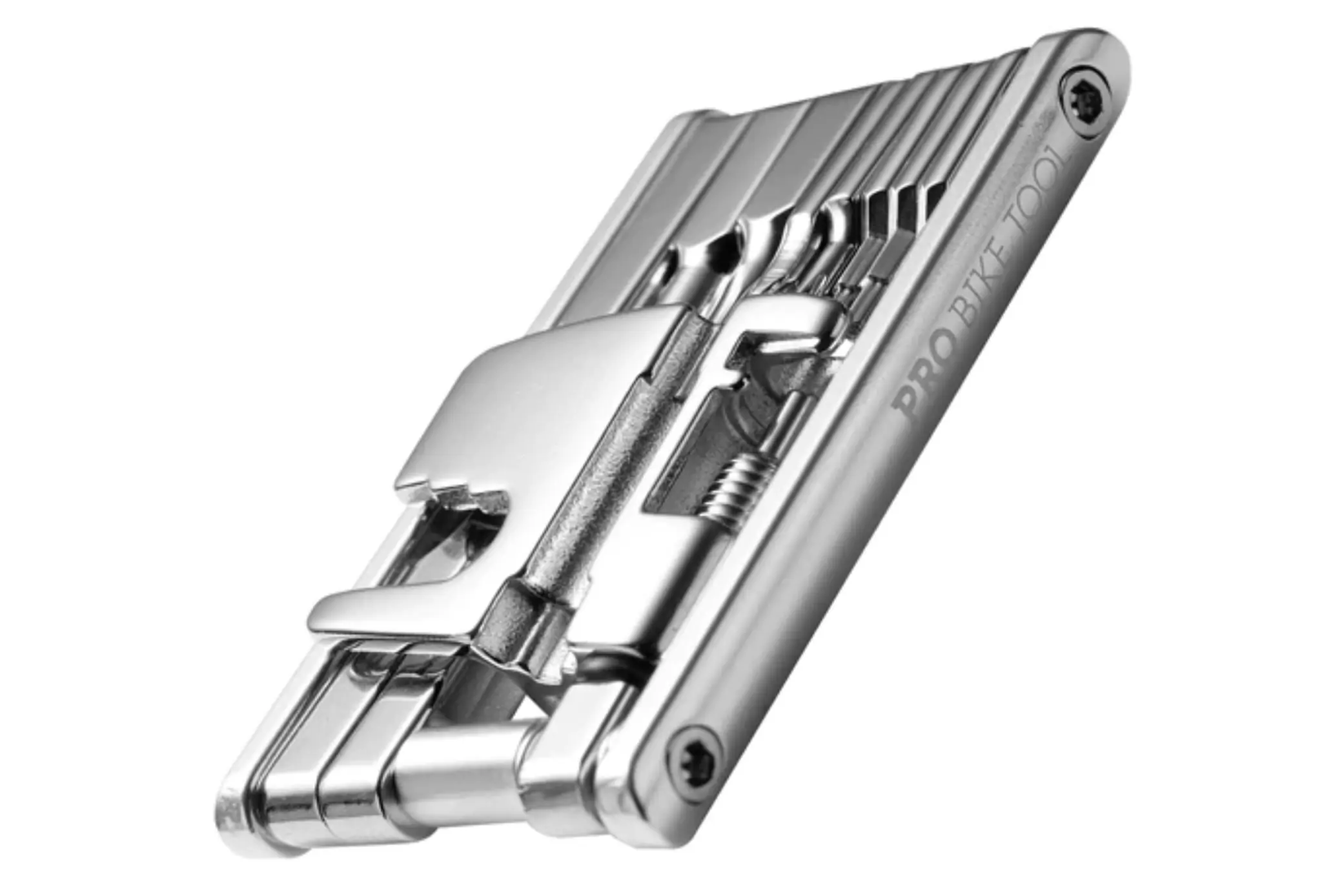
Credit: gearjunkie.com
Maintenance And Care Tips
Keeping your multi-tool in good shape helps it last longer. Regular care prevents damage. This guide covers simple ways to maintain your bikepacking multi-tool.
Proper cleaning, storage, and knowing when to replace parts keep your tool ready for any repair. Follow these tips to keep your tool working well on every trip.
Cleaning And Lubrication
Dirt and rust reduce the tool’s function. Clean your multi-tool after each ride. Use a soft brush or cloth to remove grime. Avoid water soaking; use a damp cloth instead.
Lubricate moving parts to keep them smooth. Apply a small drop of light oil to hinges and joints. Wipe off extra oil to avoid attracting dirt.
Storage And Protection
Store your multi-tool in a dry place to stop rust. Use a pouch or case to protect it from scratches. Avoid leaving it in damp bags or pockets.
- Keep the tool away from moisture
- Use a protective case or pouch
- Store it with tools closed to avoid damage
- Check it before trips to ensure no parts are loose
When To Replace Your Multi-tool
Replace your multi-tool if parts break or bend. Dull tools can slip and cause injury. Rust that cannot be cleaned may weaken the metal.
| Sign | Reason to Replace |
| Broken or bent tools | Unsafe or unusable for repairs |
| Dull edges | Cannot cut or tighten properly |
| Rust spots | Weakens tool strength and reliability |
| Loose joints | Parts may fall off during use |
User Reviews And Recommendations
Choosing the right multi-tool for bikepacking repairs is important. User reviews help find tools that work well on the trail.
Many riders share their experiences to guide others in picking durable and useful multi-tools.
Top Multi-tools For Bikepacking
Some multi-tools are popular among bikepackers for their size, weight, and functions. Users like tools that fit easily in pockets or bags.
- Compact tools with essential hex wrenches and screwdrivers
- Tools that include a chain breaker for fixing broken chains
- Lightweight designs that do not add much weight to gear
- Tools with strong, durable metal parts that last
Real-world User Experiences
Users say the best multi-tools hold up well in tough conditions. They report that easy-to-use tools save time during repairs.
Many riders recommend testing a tool before a trip to ensure it fits your needs and feels comfortable in hand.
- One user fixed a flat tire quickly using a tool with tire levers included.
- Another rider praised a tool that had all the needed sizes of hex keys for different bikes.
- Several reviews mentioned tools that resisted rust and stayed strong after long trips.
- Some users wished for better grip on handles for use with dirty or wet hands.

Credit: gearjunkie.com
Frequently Asked Questions
What Features Make A Multi-tool Ideal For Bikepacking?
An ideal bikepacking multi-tool is compact, lightweight, and durable. It should have essential tools like hex wrenches, screwdrivers, and a chain breaker. Versatility and ease of use are important for quick repairs on the trail.
How Many Tools Should A Bikepacking Multi-tool Have?
A good bikepacking multi-tool should include 8 to 15 tools. This range covers common repairs without adding too much weight. Prioritize tools that fit your bike’s specific needs and your repair skills.
Which Materials Ensure Durability In Multi-tools?
High-quality stainless steel or hardened alloy materials ensure durability. These resist rust, wear, and damage from frequent use. Lightweight aluminum parts can reduce weight but should be balanced with strength.
Can Multi-tools Replace A Full Bike Repair Kit?
Multi-tools are compact and handy but can’t fully replace a complete bike repair kit. They cover basic fixes but lack specialized tools. Carrying both ensures you’re prepared for all bikepacking repair needs.
Conclusion
Choosing the right multi-tool is essential for bikepacking success. Consider tool weight, size, and functions. Think about your bike’s specific needs. A compact, lightweight tool is ideal. Ensure it includes essential functions. Like tire levers, screwdrivers, and chain breakers. These help with common repairs on the trail.
Read reviews from other bikepackers. Their experiences can guide your choice. Test the tool before your trip. Make sure you’re comfortable using it. A good multi-tool saves time and stress. Enjoy your ride with peace of mind. Safe travels and happy bikepacking!



