
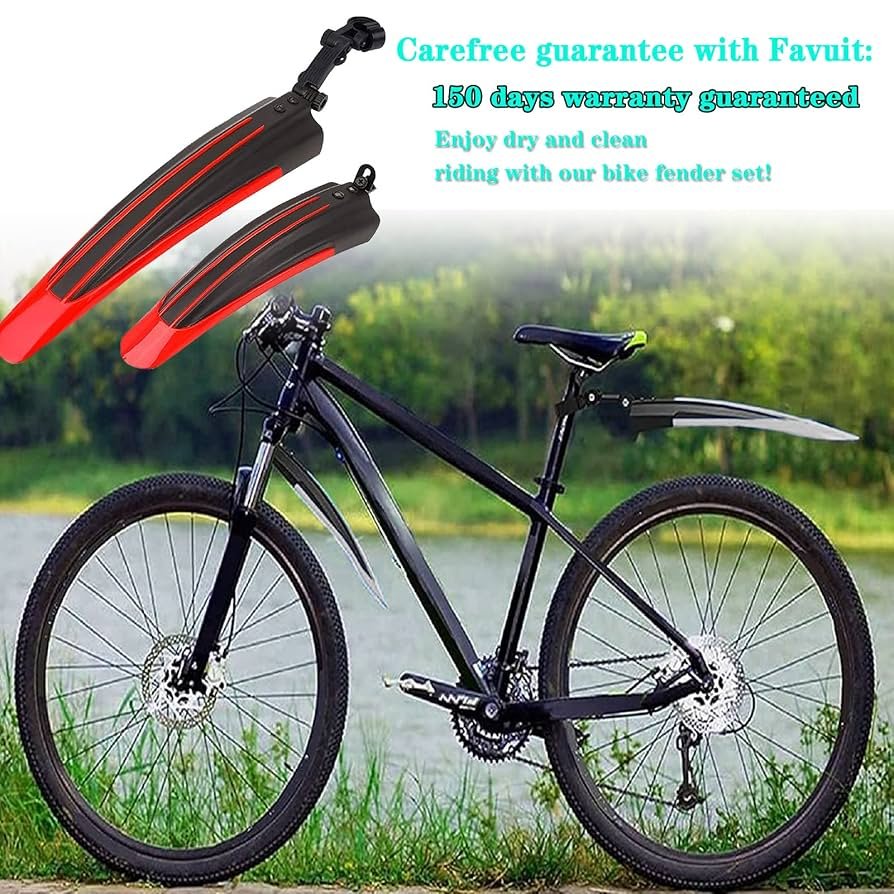
Imagine you’re powering through a muddy trail on your mountain bike, adrenaline pumping and wheels spinning. Suddenly, a wave of dirt splashes up, coating you in grit and grime.
Sound familiar? If you’re tired of dealing with mud-splattered gear and soggy clothes, it’s time to think about mudguards. Choosing the right mudguards for your mountain bike can transform your riding experience, keeping you clean and focused on the thrill of the ride.
But with so many options out there, how do you pick the perfect one for your needs? Stay with us as we guide you through everything you need to know to make an informed decision. Discover how the right mudguards can enhance your biking adventures, giving you more control over your ride and less worry about mess. Keep reading to find out how to protect yourself and your bike from the elements and ensure every journey is as enjoyable as it should be.
Types Of Mudguards
Choosing mudguards for mountain bikes involves understanding different types. Clip-on mudguards offer easy installation. Full-length mudguards provide maximum coverage and protection. Consider the terrain and riding conditions to select the best option for your needs.
Clip-on Mudguards
Clip-On mudguards are easy to attach. They are lightweight and fit most bikes. These mudguards are perfect for occasional rides. Installation is quick and requires no tools. They are less durable than other types. Clip-On mudguards are great for dry conditions.
Full-length Mudguards
Full-Length mudguards offer the best protection. They cover more of the wheel, keeping you dry. Durability is a key feature of these mudguards. They are heavier and require more installation time. Full-Length mudguards are ideal for wet and muddy trails. They are perfect for daily use and long rides.
Front And Rear Mudguards
Front and rear mudguards protect both ends of your bike. They reduce dirt and water spray. Balance is important with these mudguards. They may need tools for fitting. These mudguards are suitable for all weather conditions. Front and rear mudguards provide complete coverage.
Material Considerations
Consider the type of mountain biking terrain you frequent. Mudguards should be durable, lightweight, and easy to install. Look for adjustable designs that offer ample coverage against mud and debris.
Plastic Mudguards
Plastic mudguards are light and easy to install. They come in many colors. This makes your bike look cool. They are cheaper than metal ones. But, they might break if hit hard. Plastic is a good choice if you want something simple. They resist water well, keeping you dry.
Metal Mudguards
Metal mudguards are very strong and last longer. They can handle rough paths better. They might cost more than plastic. But they don’t break easily. Metal gives your bike a classic look. They are great for serious bikers. Metal mudguards are also good at stopping mud. They keep your bike clean on messy trails.
Installation Process
Choosing the right mudguards involves considering terrain and weather conditions. Assess the bike’s design for compatibility. Ensure easy installation with adjustable fittings and sturdy materials.
Tools Required
Gather these tools for a smooth installation:
- Allen wrenchfor tightening bolts.
- Screwdriverfor fixing screws securely.
- Adjustable wrenchfor larger bolts.
- Zip tiesto secure loose parts.
Step-by-step Guide
Start by cleaning the bike frame. Dirt can affect the fit. Position the mudguard correctly over the wheel. Check alignment before tightening. Use the Allen wrench to secure bolts. Make sure each bolt is tight. Avoid over-tightening to prevent damage. Use zip ties for extra stability. Check the mudguard’s position. Ensure it doesn’t touch the tire. Adjust if necessary for proper clearance. Finally, test the bike on rough terrain. Ensure the mudguards stay firm and stable.

Credit: www.bikeradar.com
Compatibility With Bike Frame
Ensure mudguards fit your bike frame for effective protection. Check compatibility with your frame size and attachment points. Proper fitting prevents mud and water from splashing on you.
Frame Size And Design
Choose mudguards that fit your bike’s size and design. Some frames are unique and need special mudguards. Measure your bike frame before buying. Check if the mudguards are adjustable. This helps them fit well. Look for mudguards with easy installation. This saves time and effort.
Suspension Systems
Suspension systems affect mudguard choice. Some mudguards fit only specific suspension types. Check if your bike has front or rear suspension. Ensure mudguards do not block suspension movement. Consider mudguards that attach to the frame, not the suspension. This keeps your ride smooth and clean.
Weather And Terrain Factors
Selecting the right mudguards for mountain bikes involves considering weather and terrain. Wet, muddy trails demand durable and wide mudguards. Rocky paths call for robust options to withstand debris.
Rainy Conditions
Rain makes trails slippery and muddy. Mudguards protect you from splashes. They keep dirt off your clothes and face. Choose wide mudguards for more coverage. They help in heavy rain. Look for durable material. They should withstand water and mud.
Mud And Off-road Trails
Off-road trails are full of mud and bumps. Mudguards prevent mud from flying up. They keep the bike clean. Choose flexible mudguards for bumpy rides. They should bend without breaking. Ensure easy installation and removal. Pick mudguards that fit your bike well.
Cost And Budgeting
High-end mudguards offer better protection and durability. These mudguards often use premium materials. They fit perfectly and look stylish. Expect to pay more money for these features. Some brands offer advanced designs. These designs might include extra features like quick release systems. They usually have a better finish and are lightweight. These are great for serious riders.
Affordable mudguards are budget-friendly. They provide basic protection against mud. These options are easy to install. Materials might not be top-notch. They are more than enough for casual riders. These mudguards come in simple designs. You can find them in most bike shops. They fit most mountain bikes. Perfect for riders on a tight budget.
Maintenance Tips
Choosing mudguards for mountain bikes involves considering the terrain and weather conditions. Opt for durable, lightweight materials to ensure performance and comfort. Always measure your bike’s tire width for a perfect fit.
Cleaning And Care
Keep mudguards clean for best protection. Use a soft cloth and water. Avoid harsh chemicals to prevent damage. Check for dirt and debris buildup regularly. This helps in maintaining optimum performance. Clean edges and joints carefully. Dry with a towel to avoid rust. Inspect for any cracks or broken parts. Fix them to ensure they last longer. Proper care helps mudguards work well.
Repair And Replacement
Check mudguards for damage after each ride. Look for cracks or bends. Replace them if they are too damaged. Use the right tools for repairs. This ensures safe and secure fitting. Follow the bike’s manual for correct installation. Keep spare parts handy for quick fixes. Regular checks can save time and money. Make sure mudguards fit snugly after repair. A good fit protects you from splashes.

Credit: www.amazon.ca

Credit: www.amazon.ca
Frequently Asked Questions
How To Choose Bike Mudguards?
Choose mudguards based on your bike type, riding conditions, and wheel size. Ensure compatibility with your bike’s frame. Opt for durable materials like plastic or aluminum. Consider ease of installation and removal. Look for mudguards offering good coverage to protect from dirt and water.
Are Mudguards Worth It For Mtb?
Mudguards are worth it for MTB as they protect against mud and debris. They enhance riding comfort, keep gear cleaner, and reduce maintenance time. Choosing the right mudguard improves performance and safety on muddy trails. They are a small investment with significant benefits for mountain bikers.
What Are The Best Mtb Mudguards?
Top MTB mudguards include the Mucky Nutz Gut Fender, SKS Mudrocker, and Rapid Racer Products ProGuard. These offer excellent protection and durability. They are lightweight and easy to install, keeping your bike clean and you dry. Choose based on your riding style and terrain preferences.
How To Fit A Mudguard Mtb?
Secure the mudguard to the MTB frame using provided brackets or zip ties. Ensure alignment with tire clearance. Adjust positioning for optimal coverage and stability. Check tightness regularly to prevent movement during rides. Follow manufacturer instructions for specific fitting details.
Conclusion
Choosing the right mudguards for your mountain bike is crucial. They keep you dry and clean during muddy rides. Consider the size, material, and fit. These factors ensure effective protection. Look for durable options that withstand tough trails. Easy installation saves time and effort.
Test them before buying. This confirms they fit your bike properly. A proper choice enhances your biking experience. With the right mudguards, enjoy cleaner rides. Stay comfortable and focused on the trail. Happy biking!



