
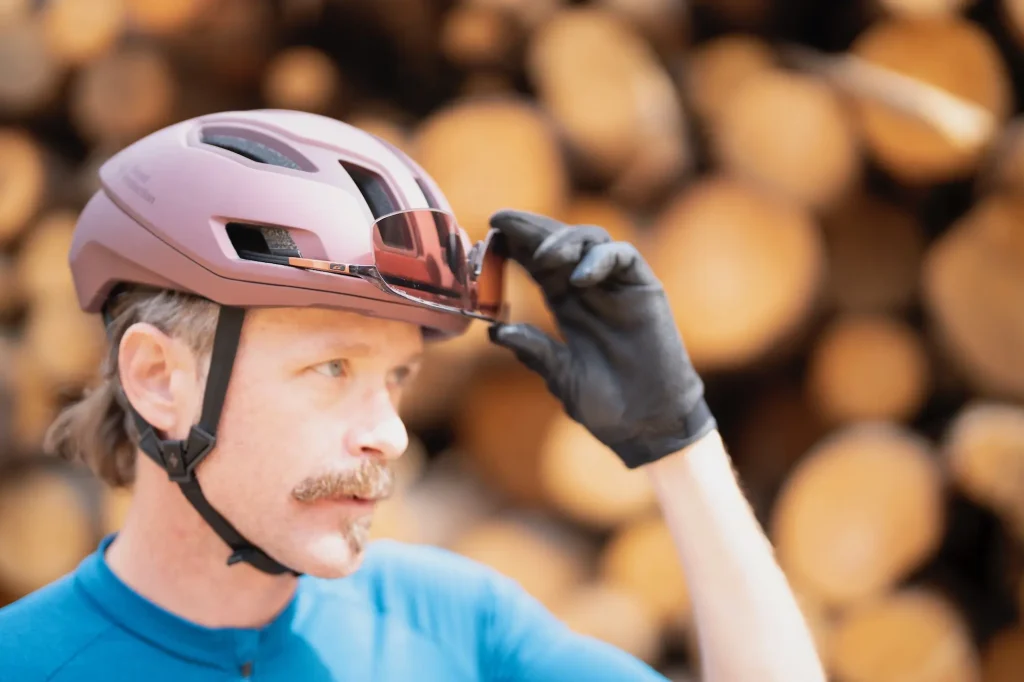
Choosing the right helmet for your mini velo bike isn’t just about style—it’s about keeping yourself safe every time you ride. You want a helmet that fits perfectly, feels comfortable, and protects you well.
But with so many options out there, how do you know which one is best for you? You’ll discover simple tips to pick the perfect helmet that matches your mini velo biking needs. Keep reading, and make sure your next ride is both fun and safe.
Helmet Types For Mini Velo
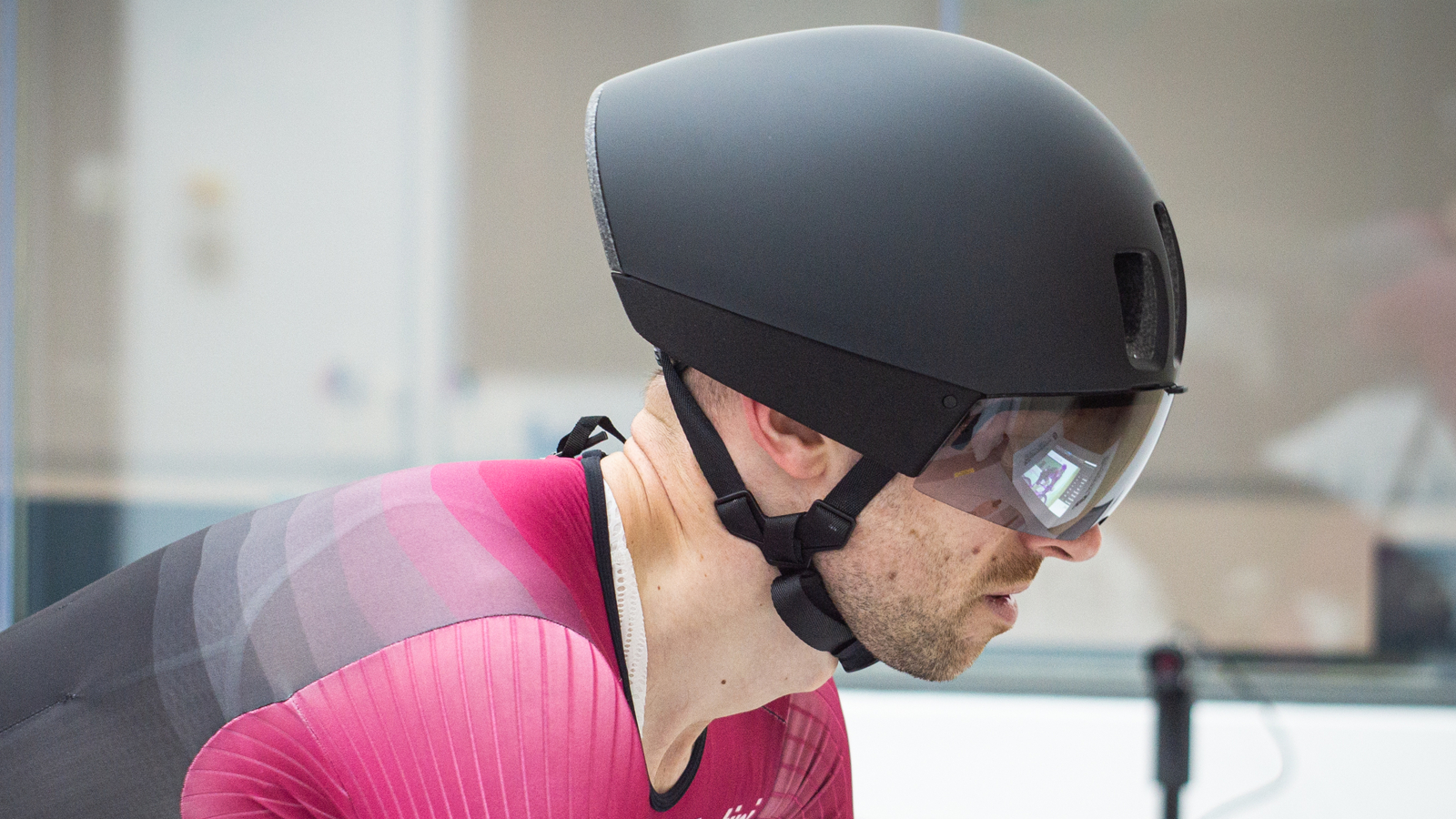
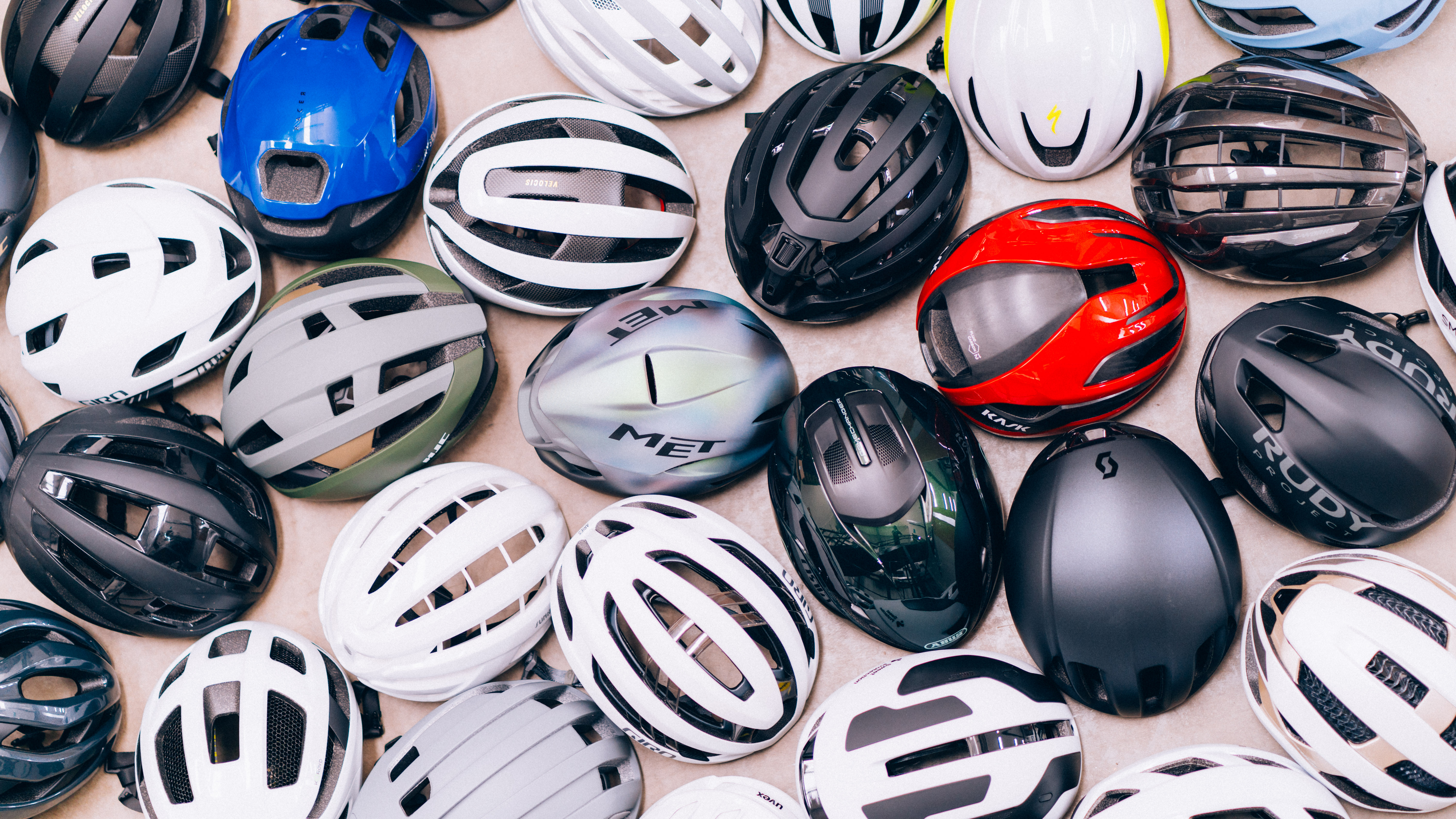
Road helmetsare designed for speed and aerodynamics. They have many vents to keep your head cool. These helmets are lightweight but offer strong protection. Ideal for riding on smooth roads and longer trips.
Urban helmetsfocus on comfort and style. They usually have fewer vents and a solid design. These helmets protect well in city traffic. They often come with features like built-in lights or reflectors.
Lightweight helmetsare easy to carry and wear. They balance protection with comfort. Perfect for short rides or casual biking. Many riders prefer them for mini velo bikes because they do not feel heavy.
Credit: www.cyclingnews.com
Key Safety Features
Impact protection standardsensure helmets can absorb shocks well. Look for helmets that meet safety certifications like CPSCor EN 1078. These marks show the helmet passed strict tests and will protect your head in a crash.
Fit and comfortare key. A helmet must fit snugly but not too tight. Adjustable straps and padding help keep the helmet steady and comfy. Try different sizes to find the best match for your head shape.
Ventilation and aerodynamicskeep you cool and reduce wind drag. Helmets with good air vents let fresh air flow in. A smooth, rounded shape helps you bike faster with less effort. Both features improve your ride experience.
Sizing And Fit Tips
Measure your head just above the eyebrows using a soft tape. Keep it snug but not tight. This size helps pick the right helmet.
Adjust the straps to fit comfortably under your chin. The side straps should form a “V” shape around each ear. Use pads inside the helmet to fill gaps for a snug fit.
- The helmet should sit level on your head, not tilted back.
- You should feel no pressure points or pain.
- Shake your head; the helmet should stay in place.
- Straps should be snug but allow you to open your mouth easily.
Material And Durability
Helmets for mini velo biking often use polycarbonateor ABS plasticfor the shell. These materials offer good strengthwhile staying light. The shell protects your head from sharp objects and spread impact forces.
The linerinside the helmet is usually made of expanded polystyrene (EPS) foam. This foam absorbs shock during a fall. Newer helmets may use multi-density foamfor better protection and comfort.
| Helmet Part | Common Material | Purpose |
|---|---|---|
| Shell | Polycarbonate, ABS Plastic | Protects against scratches and spreads impact |
| Liner | Expanded Polystyrene (EPS) Foam | Absorbs shock and cushions head |
Style And Design Options
Choosing the right colorfor your mini velo helmet helps you stand out. Bright colors like red, yellow, or blue improve visibilityon the road. Dark colors may look cool but can be harder to see.
Reflective elementson helmets increase safety, especially at night. Look for helmets with reflective strips or stickers that bounce light back to drivers. This small feature makes a big difference.
- Customizable featureslet you add personal touches.
- Some helmets have removable visors to shield your eyes from sun.
- Others offer adjustable straps for a perfect fit.
- Ventilation options keep you cool during rides.
Budget And Value
Helmets have different price ranges. Some helmets cost very little. Others are more expensive. Prices can be as low as $20. Some helmets cost up to $200. Picking the right price is important. Cheaper helmets might not be safe. Expensive ones might be too costly. Choose a helmet that fits your budget.
Safety is very important. A safe helmet can save your head. Cheaper helmets might not protect well. Look for helmets with safety ratings. A good helmet balances cost and safety. Make sure it fits well. A loose helmet can be dangerous. Always wear a helmet when biking.
Check if the helmet has a warranty. A warranty shows trust. Reputable brands often have good warranties. Known brands usually make safer helmets. Read reviews about the brands. Choose a brand with good reviews. A trusted brand is often a safer choice.
Maintenance And Replacement
Helmets need regular checks for cracks or damage to keep you safe. Replace helmets after any strong impact or every few years for best protection. Proper care extends helmet life and ensures reliable safety during mini velo biking.
Cleaning Tips
Use a soft cloth to clean the helmet. Avoid using harsh chemicals. Mild soap and water work best. Rinse well and let it air dry. Avoid direct sunlight for drying. Make sure the padding is clean too. Remove and wash it if possible. This keeps the helmet fresh and comfortable.
When To Replace A Helmet
Replace the helmet after any crash. Even if it looks fine, unseen damage may exist. Check for cracks or dents often. Replace every 3 to 5 years, regardless of condition. Age weakens the materials. Better safe than sorry.
Storage Best Practices
Store the helmet in a cool, dry place. Avoid hot or humid environments. Use a helmet bag for extra protection. Keep it away from sharp objects. This prevents scratches. Hang it or place it on a flat surface. Don’t stack heavy items on it.

Credit: www.specialized.com
Credit: www.cyclingnews.com
Frequently Asked Questions
What Size Helmet Fits Best For Mini Velo Biking?
Choose a helmet that fits snugly without pressure. Measure your head circumference and match it with the helmet size chart. A proper fit ensures safety and comfort during rides.
Which Helmet Type Is Ideal For Mini Velo Riders?
Look for lightweight, well-ventilated helmets with good coverage. Urban or commuter helmets often suit Mini Velo biking due to their design and comfort.
How Important Is Helmet Ventilation For Mini Velo Biking?
Ventilation keeps your head cool and reduces sweat. Good airflow improves comfort, especially during longer rides or warm weather.
Should I Prioritize Helmet Safety Certifications?
Yes, always choose helmets with safety certifications like CPSC, ASTM, or EN standards. Certified helmets guarantee tested protection for your head.
Conclusion
Choosing the right helmet keeps you safe and comfortable on your mini velo. Focus on fit, weight, and ventilation for the best ride. A well-fitted helmet protects your head in case of falls. Don’t forget to check safety certifications before buying.
Your helmet should feel snug but not tight. Regularly replace your helmet after any strong impact. Ride with confidence knowing your helmet suits your needs. Safety and comfort go hand in hand for every mini velo biker. Keep these tips in mind to enjoy every ride safely.



