
Choosing the right handlebars can make or break your bike touring experience. You want comfort, control, and the right fit for long hours on the road.
But with so many options out there, how do you pick the perfect set for your ride? You’ll discover simple tips to find handlebars that match your style and needs. Keep reading, and you’ll be ready to tackle your next adventure with confidence and ease.
Types Of Bike Touring Handlebars
Choosing the right handlebar for your bike touring setup can make a huge difference in comfort, control, and overall riding experience. Different types of handlebars offer various hand positions and riding postures, which can affect how you handle long distances and diverse terrains. Understanding each type helps you match your handlebar to your touring style and physical needs.
Drop Bars
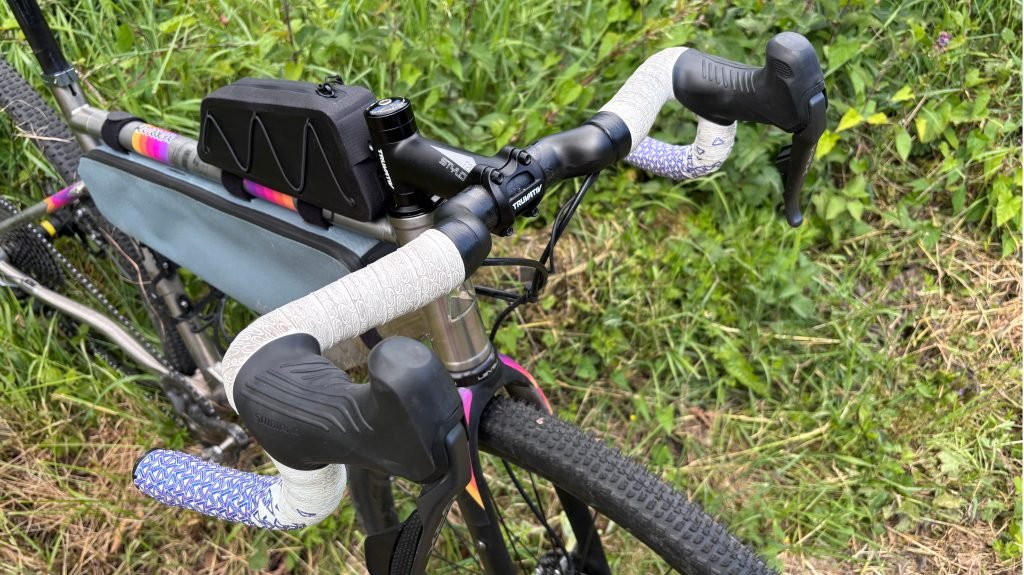
Drop bars are the classic choice for bike touring, especially for riders who want multiple hand positions. They allow you to switch between a relaxed upright posture and a more aerodynamic stance when you’re pushing hard. These bars work well on paved roads and mixed terrain but can be less comfortable if you prefer a more upright ride.
Flat Bars
Flat bars offer a straightforward, wide grip that gives you good control and stability, especially on rough roads or trails. They put you in a more upright position, which many find comfortable for long hours in the saddle. If you want simplicity and easy access to brakes and gears, flat bars could be your go-to.
Riser Bars
Riser bars curve upward and slightly back toward you, providing a natural, upright posture that reduces strain on your back and wrists. These are popular among touring cyclists who prioritize comfort over speed. They also offer good leverage for climbing steep sections or controlling a heavily loaded bike.
Butterfly Bars
Butterfly bars, or trekking bars, create a wide range of hand positions thanks to their looping design. This variety can help you prevent numbness and fatigue by shifting your grip regularly. They work great on long tours where comfort and versatility are more important than aerodynamics.
Bullhorn Bars
Bullhorn bars extend forward and curve up slightly, giving you a more aggressive riding position while still offering some upright comfort. They are favored by riders who want speed and power but also need a decent range of hand positions for longer rides. If you like a mix of urban riding and touring, bullhorns might suit your style.

Credit: alpkit.com
Factors Affecting Handlebar Comfort
Choosing the right handlebars plays a key role in bike touring comfort. Several factors affect how comfortable your handlebars feel during long rides. These factors influence your grip, posture, and overall control of the bike. Understanding them helps you pick handlebars that reduce strain and improve your riding experience.
Hand Position Variety
Varied hand positions reduce fatigue on long rides. Handlebars that offer multiple grip spots let you change your hand posture often. This helps to avoid numbness and pressure on one area. Drop bars and butterfly bars are good examples. They allow you to shift your hands easily.
Grip Material And Shape
Grip material affects how comfortable your hands feel. Soft, cushioned grips absorb shock and reduce hand pain. The shape also matters. Ergonomic grips fit the natural curve of your hand. They distribute pressure evenly and prevent hotspots. Avoid hard or slippery materials that cause discomfort.
Handlebar Width
Handlebar width impacts shoulder and arm comfort. Bars that are too wide cause your arms to stretch uncomfortably. Bars that are too narrow cramp your shoulders. Choose a width close to your shoulder width. This keeps your arms in a natural, relaxed position.
Reach And Sweep
Reach is the distance from the stem to the grips. Sweep is the angle the bar bends back toward you. Both affect wrist and back comfort. A proper reach prevents overextending your arms. The right sweep keeps your wrists straight and relaxed. Pick handlebars that match your body size.
Vibration Dampening
Road vibrations cause hand numbness and fatigue. Handlebars with built-in vibration dampening reduce this effect. Materials like carbon fiber absorb shocks better than aluminum. Rubber inserts or padded grips also help. Reducing vibration protects your hands on rough terrain.
Matching Handlebars To Touring Styles
Matching handlebars to your touring style is key for comfort and control. Different types of bike touring need different handlebars. This choice affects your riding position and endurance. Understanding your touring style helps pick the right handlebars. This section breaks down handlebar types for various touring styles.
Lightweight Touring
Lightweight touring focuses on speed and less gear. Riders prefer handlebars that are simple and light. Drop bars work well for this style. They allow multiple hand positions and a low, aerodynamic stance. Lightweight handlebars reduce fatigue on long rides. They also keep the bike agile on smooth roads.
Fully Loaded Touring
Fully loaded touring means carrying heavy gear over long distances. Comfort and stability become very important here. Upright handlebars or butterfly bars suit this style best. These bars offer many hand positions and better control. They reduce strain on your back and wrists. Strong handlebars help manage the added weight safely.
Mixed Terrain Touring
Mixed terrain touring covers both paved and rough roads. Handlebars need to balance comfort and control. Flat bars or flare bars are good choices for this style. They provide a wider grip for better stability on uneven surfaces. These bars help you handle sudden obstacles with ease. Versatility is key for mixed terrain handlebars.

Credit: bluelug.com
Adjusting Handlebars For Better Fit
Adjusting your handlebars improves comfort and control on long rides. Proper fit reduces strain on your hands, arms, and back. Small changes in handlebar setup make a big difference. Focus on key areas like stem length, height, brake lever placement, and grips. Each part plays a role in creating a better ride position.
Stem Length And Angle
The stem connects the handlebars to the bike frame. Adjusting its length changes how far you reach forward. A shorter stem brings handlebars closer, easing pressure on your back. A longer stem stretches your body for better aerodynamics. The stem angle also affects handlebar height. Tilting it up raises bars, while tilting down lowers them. Choose a stem that fits your riding style and body shape.
Handlebar Height
Handlebar height impacts comfort and control. Higher bars reduce strain on your neck and shoulders. Lower bars improve speed and handling but may cause fatigue. Adjust height using spacers on the steerer tube or by flipping the stem. Find a position that balances comfort with efficient riding. Test different heights before long rides.
Brake Lever Placement
Brake levers must be easy to reach without stretching. Position them so your fingers rest naturally on the levers. This improves safety and reduces hand fatigue. Angle the levers slightly downward for a relaxed wrist position. Check lever placement while riding to ensure quick, comfortable access.
Bar Tape And Grips
Good bar tape or grips add comfort and reduce vibration. Choose tape with enough padding to protect your hands. Replace worn tape to maintain grip and comfort. Consider cushioned grips for extra support on rough roads. Properly wrapped tape or securely fitted grips prevent slipping and blisters.
Testing And Choosing The Right Handlebar
Choosing the right handlebar affects comfort and control on long bike tours. Test different shapes and sizes to find what fits your riding style best. Consider grip positions and how each handlebar supports your posture during rides.
Choosing the right handlebars for bike touring is more than just a simple decision; it’s about ensuring comfort, efficiency, and control during your journey. The handlebars you choose can significantly affect your riding experience, especially on long tours where comfort and ergonomics play a crucial role. To make the best choice, it’s essential to consider testing and professional advice to find the handlebars that suit your needs perfectly.Test Rides
Taking different handlebars for a test ride is crucial. It allows you to experience firsthand how each type impacts your posture and handling. Try various styles like drop bars, flat bars, or butterfly bars to see which feels most comfortable during longer rides. A friend once found their perfect fit by borrowing a touring bike with butterfly bars, realizing how much the multiple hand positions reduced fatigue over long distances.Professional Bike Fitting
Consider investing in a professional bike fitting session. A bike fitter can adjust the handlebars to match your body geometry, ensuring optimal comfort and efficiency. They take into account factors like your arm length, shoulder width, and riding style. A professional fitting can often reveal subtle adjustments that make a world of difference, like tweaking the angle or height of the handlebars.Personal Comfort Preferences
Your personal comfort preferences should never be overlooked. What feels comfortable to one rider might be uncomfortable to another. Pay attention to how your hands, wrists, and shoulders feel during and after a ride. Do you prefer a more upright position, or do you like a more aerodynamic posture? Reflecting on these preferences can guide your decision. Are there handlebars that support your riding style while providing comfort? Remember, the right choice enhances your touring experience, making every mile enjoyable.Maintenance Tips For Touring Handlebars
Keeping your touring handlebars in top shape is key to a smooth and safe ride. Regular maintenance not only extends the life of your handlebars but also ensures comfort and control on long journeys. Here are some practical tips to help you care for your handlebars effectively.
Regular Inspection
Check your handlebars frequently for any signs of cracks, dents, or corrosion. Pay attention to the areas where the bars connect to the stem and where accessories are mounted. Catching damage early can prevent accidents and expensive repairs on the road.
Ask yourself: have you noticed any unusual wobbling or noises while riding? These could be signs that your handlebars need tightening or replacement.
Grip And Tape Replacement
Worn-out grips or tape can cause discomfort and reduce your control over the bike. Replace grips or handlebar tape whenever they feel slippery, torn, or hardened. Fresh grips improve your grip and reduce hand fatigue during long rides.
Try to keep spare tape or grips in your repair kit. Changing them on the road is easier than you think, and it can save you from painful blisters or numbness.
Handlebar Cleaning
Dirt, sweat, and grime can degrade the material of your handlebars over time. Clean them regularly using mild soap and water, avoiding harsh chemicals that might damage the finish. Dry thoroughly to prevent rust, especially if you ride in wet conditions.
Think about your last tour—did you clean your handlebars before packing up? A quick wipe can keep your setup fresh and ready for the next adventure.

Credit: bluelug.com
Frequently Asked Questions
What Are The Best Handlebar Types For Bike Touring?
Drop bars, butterfly bars, and flat bars are popular for touring. Drop bars offer multiple hand positions. Butterfly bars provide comfort and versatility. Flat bars give control and simplicity. Choose based on comfort, riding style, and terrain.
How To Choose Handlebars For Long Bike Tours?
Prioritize comfort and multiple grip options. Look for ergonomic designs that reduce hand fatigue. Lightweight and durable materials improve performance. Consider handlebars that allow easy access to brakes and shifters for safety.
Why Is Handlebar Width Important In Bike Touring?
Handlebar width affects control and comfort. Wider bars offer better stability on rough terrain. Narrow bars are more aerodynamic and fit narrow trails. Choose a width that suits your shoulder size and riding conditions.
Can Handlebar Material Impact Touring Performance?
Yes, material affects weight, comfort, and durability. Aluminum is light and strong but less shock-absorbing. Steel is durable and comfortable but heavier. Carbon fiber is very light and absorbs vibrations but costs more.
Conclusion
Choosing the right handlebars can change your bike touring experience. Think about comfort, control, and the type of riding you prefer. Test different styles to find what feels best. Remember, good handlebars help reduce fatigue and improve your ride. Take your time deciding, and enjoy your journey on the road.
Safe travels and happy cycling!



