

Choosing the right GPS navigation for your bikepacking adventure can make all the difference between a smooth ride and a frustrating experience. You want a device that’s easy to use, reliable, and fits perfectly with your biking style.
But with so many options out there, how do you find the one that’s just right for you? In this guide, you’ll discover the key factors to consider so you can confidently pick a GPS that keeps you on track, safe, and fully focused on the road ahead.
Keep reading to make your next bikepacking trip your best yet.
Credit: gearjunkie.com
Key Features For Bikepacking Gps
Choosing the right GPS for bikepacking is important. It helps you find your way and stay safe.
Look for features that match your needs on long rides and rough trails.
Durability And Weather Resistance
Your GPS should handle tough conditions. It needs to resist dust, water, and shocks.
Look for devices with strong cases and good waterproof ratings. This keeps them working in rain or mud.
- Shockproof build protects from drops
- Waterproof rating like IPX7 or higher
- Dust resistance for off-road trails
- Easy to clean after muddy rides
Battery Life And Power Options
Long battery life is key on multi-day trips. Your GPS should last many hours or days.
Check if the device uses rechargeable batteries or standard AA/AAA cells. Power banks can help recharge.
- Look for at least 15 hours of battery life
- Use replaceable batteries for long trips
- Support for USB charging or power banks
- Low power modes to save battery
Screen Size And Visibility
The screen should be big enough to read maps clearly. Brightness matters for sunlight visibility.
Choose screens with good contrast and anti-glare features. Touchscreens can be tricky with wet hands.
- 3 to 4 inch screens balance size and portability
- High brightness for outdoor use
- Anti-glare or matte screen finishes
- Physical buttons for easier control in rain
Navigation And Mapping Capabilities
Your GPS should have detailed maps and clear route guidance. Offline maps are important for remote areas.
Look for features like route planning, turn-by-turn directions, and track recording to help you navigate easily.
- Preloaded maps for trails and roads
- Ability to add custom maps offline
- Turn-by-turn navigation for bike routes
- Track recording and route saving
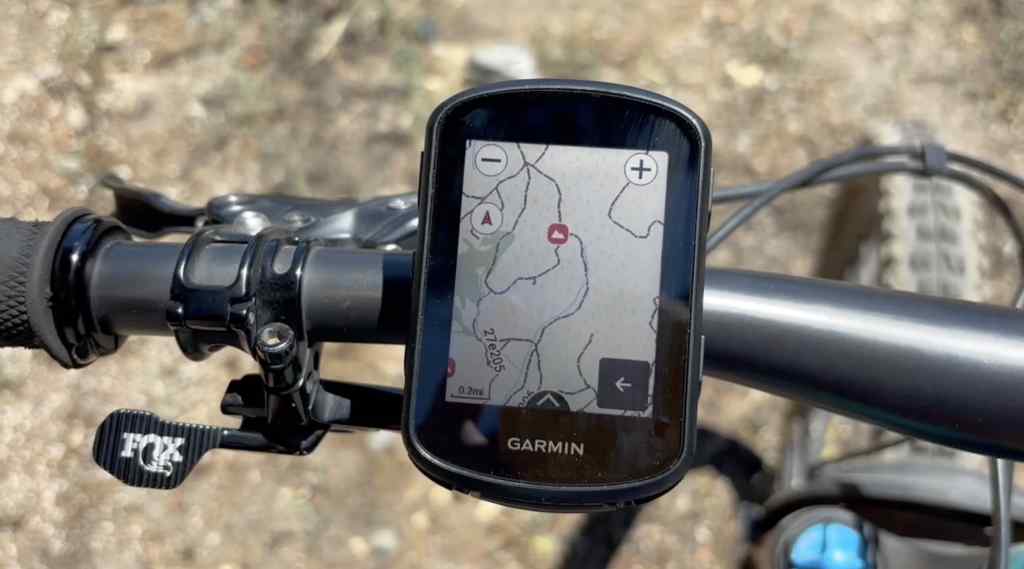
Connectivity And Smartphone Integration
Some GPS devices connect to your phone. This allows easy updates and notifications on the device.
Bluetooth and Wi-Fi help sync routes and share data. Check if your GPS works with popular cycling apps.
- Bluetooth for pairing with smartphones
- Wi-Fi for map and software updates
- Compatibility with cycling apps like Strava
- Notification display for calls and messages
Credit: www.outdoorgearlab.com
Types Of Gps Devices
Choosing the right GPS device can improve your bikepacking experience. Different devices offer various features and levels of durability.
Understanding the types of GPS devices helps you pick one that fits your needs and riding style.
Dedicated Bike Gps Units
These devices are made specifically for cycling. They show maps, track routes, and measure speed and distance. They often have long battery life and strong screens for outdoor use.
- Designed for bike use
- Water-resistant and durable
- Detailed cycling maps
- Long battery life
Smartphone Apps
Many bikepackers use phone apps for GPS. They are easy to update and offer many features. You need a phone mount and power bank for long trips.
- Easy to install and update
- Access to many map options
- Can track and share rides
- Requires phone battery management
Multi-sport Watches With Gps
These watches track many activities, including cycling. They offer GPS and fitness data on your wrist. They are small but may have shorter battery life than dedicated units.
| Feature | Benefit |
| GPS tracking | Know your route and location |
| Heart rate monitor | Watch your fitness level |
| Compact size | Easy to wear on rides |
| Shorter battery life | Charge more often |
Handheld Gps Devices
Handheld GPS units are rugged and made for all outdoor activities. They work well off the bike too. They tend to be larger and heavier than bike-specific GPS devices.
- Very durable and weather-resistant
- Good for hiking and camping
- May be bulkier on a bike
- Offer detailed topographic maps
Choosing Based On Terrain And Route
Picking the right GPS navigation for bikepacking depends on the terrain and route you plan to ride. Different paths need different GPS features.
Knowing your route type helps you find a GPS that offers the best support and safety for your journey.
Mountain Trails And Off-road Paths
Mountain trails and off-road paths are rough and often have poor signal. Your GPS should be rugged and have good satellite reception.
Look for GPS devices with offline maps and long battery life. A clear screen that works in sunlight is helpful too.
- Durable and water-resistant design
- Offline map support for remote areas
- Strong GPS signal tracking
- Long battery life for long rides
- Easy-to-read screen in bright light
Long-distance Touring Routes
For long-distance touring, you need a GPS that tracks your whole trip. It should store many routes and waypoints.
Battery life is very important. Choose GPS with power-saving modes or options to use external batteries.
- Large storage for maps and routes
- Power-saving and long battery life
- Ability to mark and save waypoints
- Clear navigation instructions
- Compatibility with external power sources
Urban And Mixed Terrain Riding
Urban and mixed terrain riding needs GPS with detailed street maps. It should show bike lanes and traffic info.
Look for fast route recalculation and easy-to-use interfaces. Voice commands and turn-by-turn directions help keep your eyes on the road.
- Detailed street and bike lane maps
- Quick route recalculation
- Turn-by-turn voice navigation
- User-friendly interface
- Traffic and road condition updates
Budget Considerations
Choosing the right GPS navigation for bikepacking depends a lot on your budget. Different devices offer various features at different prices. Knowing what fits your budget helps you pick the best device for your needs.
Think about how often you bikepack and what features you need. This will guide you to the right price range and device type.
Entry-level Options
Entry-level GPS devices are good for beginners or those on a tight budget. They cover basic navigation needs like showing maps and tracking routes. These devices usually have smaller screens and fewer features.
They help you find your way without extra costs. Battery life might be shorter, and screen quality may be lower than higher-end models.
- Simple maps and navigation
- Basic route tracking
- Limited battery life
- Lower screen resolution
- Affordable price
Mid-range Devices
Mid-range GPS units offer more features for regular bikepackers. They have better screen quality and longer battery life. These devices often include preloaded maps and support for custom routes.
They balance price and functionality well. You get more accuracy and durability without paying too much.
- High-quality screens
- Longer battery life
- Preloaded maps
- Custom route support
- Durable design
Premium Gps Units
Premium GPS units have advanced features for serious bikepackers. They offer the best screen clarity and battery performance. Many include wireless connectivity and advanced sensors like barometers and compasses.
These devices are built to last in tough conditions. They often come with large storage and fast processors for smooth use.
- Top-quality screen and battery
- Wireless syncing and updates
- Advanced sensors and tracking
- Large map storage
- Rugged and weatherproof design
User Experience And Ease Of Use
Choosing the right GPS navigation device for bikepacking is key for a smooth ride. A device that feels easy to use improves your trip and reduces stress. Focus on features that help you interact naturally with the device.
This guide covers important parts like interface, mounting, and customizable features. These elements shape how well you can use your GPS on the road or trail.
Interface And Controls
The screen should be clear and easy to read in bright sunlight. Buttons and touch controls must work well, even with gloves on. Look for simple menus and quick access to key functions.
- Screen size and brightness
- Button size and placement
- Touchscreen responsiveness
- Menu layout and navigation
- Feedback like sounds or vibrations
Mounting And Handling
Your GPS should mount securely on the bike frame or handlebars. It must stay in place on rough terrain but be easy to remove. The size and weight affect how it handles during long rides.
| Feature | What to Check |
| Mount Type | Handlebar, stem, or frame mount options |
| Security | Locking mechanism to prevent falling off |
| Size and Weight | Compact and light for less bulk |
| Weather Resistance | Water and dust protection ratings |
Customizable Features
Custom options let you tailor the GPS to your needs. You can change data screens, set alerts, and save favorite routes. These features make navigation easier and more personal.
- Adjusting map views and data fields
- Setting speed and distance alerts
- Loading custom routes and waypoints
- Changing units between miles and kilometers
Credit: gearjunkie.com
Additional Tools And Accessories
Choosing the right GPS navigation for bikepacking is not just about the device. Extra tools and accessories help improve your experience and safety.
These add-ons keep your GPS powered, protected, and easy to use during long rides on rough terrain.
External Battery Packs
External battery packs extend the GPS device’s battery life. They are important for long trips where charging options are limited.
Look for battery packs that are lightweight and have enough capacity to fully charge your GPS one or more times.
- Choose packs with fast charging to save time
- Water-resistant designs add durability
- Compact size helps keep your load light
Protective Cases
Protective cases shield your GPS from drops, dirt, and water. They keep the device safe on rugged trails.
Use cases made from tough materials that fit your GPS model well. A clear cover helps you see the screen without removing the case.
- Shockproof cases reduce damage from impacts
- Waterproof cases prevent damage in rain
- Easy-access designs let you use buttons and touchscreens
Mounting Systems
Mounting systems hold your GPS on the bike frame or handlebars. They keep the device visible and stable while riding.
Choose mounts that fit your bike and GPS size. Strong clamps and vibration dampeners help protect your device from shaking loose.
- Handlebar mounts place the GPS in easy view
- Stem mounts offer a lower profile setup
- Quick-release mounts allow fast removal of the GPS
Popular Brands And Models In 2025
Choosing the right GPS navigation device is key for bikepacking trips. Many brands offer models suited for different needs and budgets. In 2025, technology and durability remain top priorities for riders.
This guide covers popular brands and their top GPS models designed for bikepacking adventures. You will find features, strengths, and what makes each model stand out.
Garmin
Garmin is a well-known brand for outdoor GPS devices. Their bike-specific models offer reliable mapping and strong battery life. The Garmin Edge 1040 and Edge Explore 2 are favorites among bikepackers.
Wahoo
Wahoo focuses on simplicity and user-friendly interfaces. The Wahoo ELEMNT ROAM 2 has clear maps and easy navigation. It also offers great connectivity with other devices.
Hammerhead
Hammerhead’s Karoo 2 stands out with its large, bright touchscreen. It supports offline maps and has detailed route planning options. Its fast response time helps on tricky trails.
Bryton
Bryton offers more affordable GPS options. The Bryton Rider 750 provides good mapping and training features. It is a solid choice for budget-conscious riders.
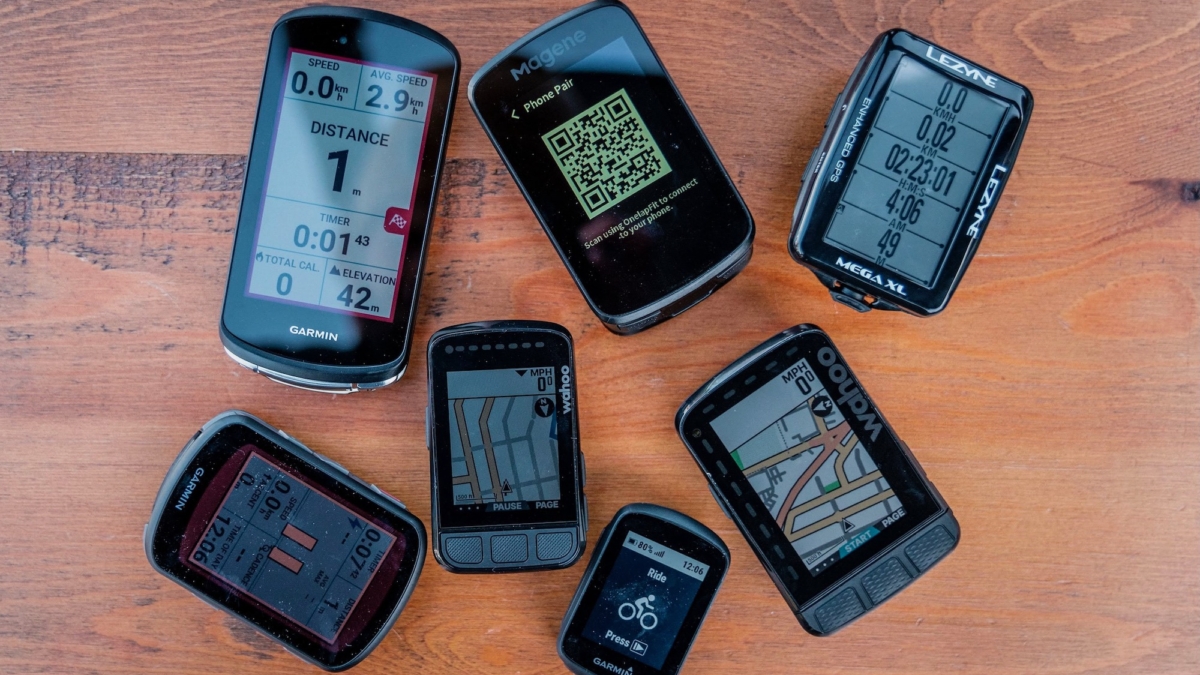
Comparison Table Of Top Gps Models
| Brand | Model | Screen Size | Battery Life | Offline Maps | Price Range |
| Garmin | Edge 1040 | 3.5 inches | 35 hours | Yes | High |
| Garmin | Edge Explore 2 | 3 inches | 16 hours | Yes | Mid |
| Wahoo | ELEMNT ROAM 2 | 2.7 inches | 17 hours | Yes | High |
| Hammerhead | Karoo 2 | 3.5 inches | 10 hours | Yes | High |
| Bryton | Rider 750 | 2.8 inches | 20 hours | Yes | Low |
Tips For Getting The Most From Your Gps
Using a GPS device can help you stay on track during bikepacking trips. You must prepare your GPS before you hit the trail.
Good planning and regular updates keep your GPS reliable and easy to use.
Pre-trip Setup And Testing
Start by charging your GPS fully and checking the battery health. Make sure the screen is clear and easy to read under sunlight.
- Charge the GPS overnight before your trip.
- Test all buttons and touchscreen functions.
- Check signal reception in your home area.
- Update the device software if needed.
Route Planning And Uploading
Plan your route on a computer or phone. Upload the route to your GPS so you can follow it easily.
| Task | Advice |
| Route Creation | Use trusted mapping software |
| File Format | Check GPS supports the format |
| Uploading | Connect GPS via USB or Bluetooth |
| Backup | Save a copy of the route on your device |
Maintaining And Updating Devices
Keep your GPS device updated and clean. Regular maintenance extends its life and improves performance.
Follow this checklist to maintain your GPS:
- Clean the screen and buttons with a soft cloth
- Install firmware updates as soon as they are available
- Replace batteries if they do not hold charge
- Store the GPS in a dry and safe place after use
Frequently Asked Questions
What Features Matter Most In A Bikepacking Gps?
Key features include battery life, waterproof design, route tracking, and offline maps. These ensure reliable navigation during long rides. Compatibility with your smartphone and ease of use are also crucial for smooth bikepacking experiences.
How To Choose Gps Battery Life For Bikepacking?
Select a GPS with long battery life, ideally 15+ hours. This supports multi-day trips without frequent recharging. Consider devices with power-saving modes to extend usage during extended bikepacking adventures.
Can Bikepacking Gps Devices Work Offline?
Yes, most bikepacking GPS devices support offline maps. Download maps in advance to navigate areas without mobile signals. Offline capability is essential for remote trails and ensures uninterrupted guidance.
Is Screen Size Important For Bikepacking Gps?
Screen size matters for visibility but balance size with portability. A 2. 5 to 3. 5-inch screen offers clear maps without bulky design. Choose a size that fits your bike setup and riding preferences.
Conclusion
Choosing the right GPS for bikepacking is crucial for a great adventure. It ensures you stay on track and enjoy your ride. Consider battery life, screen size, and durability. Think about your specific needs and preferences. Always read reviews and compare options before purchasing.
Remember, a good GPS enhances your experience, making navigation simple. Invest in a reliable device for peace of mind on your journey. Happy bikepacking!



