
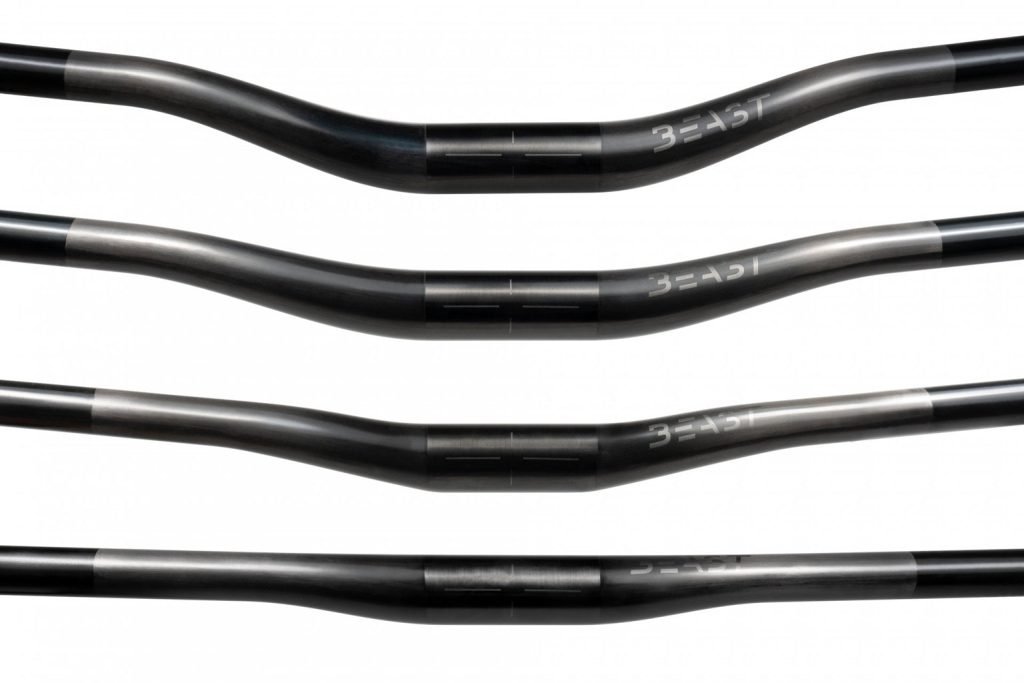
Choosing the right handlebars can completely change your riding experience. You might wonder whether flat or riser handlebars suit you best.
This decision affects your comfort, control, and even your speed on the bike. You’ll discover simple yet powerful insights to help you pick the perfect handlebars for your style. By the end, you’ll feel confident making a choice that fits your needs and keeps you riding smoothly.
Keep reading to unlock the secret to better rides!
Credit: www.coverfox.com
Flat Handlebars Benefits
Flat handlebars offer several benefits for cyclists seeking a simple and effective riding experience. They provide a natural hand position and enhance bike handling. These handlebars suit riders who want comfort and control without extra complexity.
Improved Control And Stability
Flat handlebars give a wider grip than risers. This wider grip helps keep the bike steady. It improves control on rough or tight trails. Riders feel more confident steering and balancing. These handlebars reduce wrist strain by promoting a natural hand posture.
Enhanced Aerodynamics
Flat handlebars help cyclists keep a lower body position. This reduces wind resistance during rides. A lower stance means faster speeds with less effort. Flat bars encourage a forward-leaning posture that cuts through the air efficiently.
Lightweight Design
Flat handlebars usually weigh less than risers. Their simple shape uses less material. This makes the bike lighter overall. A lighter bike is easier to carry and maneuver. It also improves acceleration and climbing ability.

Credit: www.boyercycling.com
Riser Handlebars Benefits
Riser handlebars offer distinct benefits that can enhance your cycling experience, especially if comfort and adaptability are priorities. They change how you hold your bike and how your body feels during the ride. Understanding these benefits can help you decide if riser bars match your style and needs.
Comfortable Riding Posture
Riser handlebars lift your hands higher than flat bars, which naturally raises your upper body. This position reduces strain on your back and shoulders, making long rides less tiring.
Many riders find themselves less hunched over, which improves breathing and overall comfort. Have you noticed how a small change in hand position can make a big difference in how your body feels?
Better Shock Absorption
The higher grip of riser handlebars lets you absorb bumps more effectively. Your arms act like natural shock absorbers, which reduces the impact on your wrists and hands.
This is especially helpful on rough roads or trails, where vibrations can cause discomfort. If you’ve ever felt numbness or pain in your hands after a ride, riser bars might ease that problem.
Versatility For Different Terrains
Riser handlebars provide a flexible riding stance suitable for varied surfaces. Whether you’re climbing steep hills or cruising urban streets, the raised position gives you better control and balance.
This versatility makes riser bars a solid choice if your routes change often or if you like to mix up your cycling styles. Can your current handlebars keep up with every path you want to explore?
Riding Style Considerations
Choosing between flat and riser handlebars depends on your riding comfort and control needs. Flat bars suit faster, more aggressive riding, while riser bars offer better posture and easier handling on rough trails. Consider how you want to ride before making a choice.
Choosing between flat and riser handlebars can significantly influence your biking experience. Your riding style plays a pivotal role in this decision. Whether you’re commuting in a bustling city, tackling rugged trails, or embarking on a long-distance tour, understanding how each handlebar type complements these styles is crucial. Let’s dive into the specifics to help you make an informed choice.Commuting And Urban Riding
In urban settings, agility and comfort are key. Flat handlebars often excel here. They offer a more aerodynamic position, making it easier to weave through traffic. A friend of mine swears by flat handlebars for his daily commute. He finds them perfect for quick maneuvers and maintaining a brisk pace. On the other hand, riser handlebars provide a more upright posture, enhancing visibility and comfort during stop-and-go riding. Consider what matters most for your daily rides.Mountain And Trail Riding
For those who crave the thrill of rugged terrains, handlebar choice is crucial. Riser handlebars provide better control and stability on uneven surfaces. Their elevated position allows for easier handling during steep climbs and descents. Many mountain bikers prefer riser bars for their enhanced control. They make navigating rocky trails feel more secure. However, if you value speed over control, flat handlebars might be your go-to. They create a more aggressive riding position, ideal for zipping down smoother trails.Long Distance And Touring
When embarking on long rides, comfort becomes a priority. Riser handlebars often come out on top for touring. They allow for a more relaxed, upright position, reducing strain on your back and shoulders over extended periods. Imagine embarking on a cross-country tour with the wrong handlebars. It could be a painful experience. Flat handlebars, while less common in touring, can be a good fit if you prefer a faster, more aerodynamic posture. Consider how long you plan to ride and your comfort preferences. In deciding between flat and riser handlebars, think about your typical routes and what you value in your rides. What feels right for one scenario might not suit another. Tailor your choice to your unique biking adventures.Bike Type Compatibility
Choosing between flat and riser handlebars depends a lot on the type of bike you ride. Each bike style has specific needs and typical riding positions. Picking the right handlebar helps improve comfort, control, and overall ride quality. Understanding how handlebar types match bike categories makes this choice easier.
Road Bikes
Road bikes usually favor drop bars for speed and aerodynamics. But flat bars can work for casual riders. Flat bars offer a more upright position and better control in city traffic. Riser bars are less common on road bikes. They can add comfort but might reduce speed and efficiency.
Mountain Bikes
Mountain bikes benefit most from riser handlebars. Riser bars provide better control on rough trails. They allow a more natural wrist position and improved handling. Flat bars are also used on some mountain bikes for a lower, more aggressive stance. The choice depends on trail type and rider preference.
Hybrid Bikes
Hybrid bikes blend road and mountain features. Flat handlebars are popular on hybrids for comfort and control. They give an upright riding posture, reducing strain on the back and neck. Riser bars are sometimes used for extra height and improved visibility. Both options suit casual and fitness riders well.
Ergonomics And Fit
Choosing between flat and riser handlebars affects your riding comfort. Ergonomics and fit play a crucial role in this decision. A well-fitted handlebar enhances control and reduces fatigue. It adapts to your body’s unique structure.
Handlebar Width And Reach
Handlebar width influences bike control and stability. A wider handlebar provides more leverage, aiding in steering. Narrow handlebars suit tight spaces and enhance aerodynamics. Reach determines how far you stretch to hold the bars. A comfortable reach reduces strain on your back and shoulders.
Rider Height And Arm Length
Your height and arm length affect handlebar choice. Taller riders may prefer wider bars for better leverage. Shorter riders might find narrower bars more comfortable. Arm length influences how far you extend to reach the bars. Proper fit prevents overreaching and discomfort.
Hand And Wrist Comfort
Handlebar shape impacts hand and wrist comfort. Flat bars offer a neutral wrist position, reducing strain. Riser bars elevate your hands, providing a relaxed grip. Consider grips and padding to enhance comfort further. Adjusting angle and height of bars can improve wrist alignment.
Installation And Adjustments
Installing and adjusting handlebars correctly affects comfort and control. Different handlebars need distinct setups. Flat and riser bars each offer unique installation steps. Proper adjustments improve riding posture and handling.
Handlebar Height And Angle
Riser handlebars raise your hand position. This helps reduce back strain. Flat bars keep you lower and more aerodynamic. Adjust the height by changing stem spacers or flipping the stem.
Angle the handlebars to fit your wrist and arm position. Small tweaks can relieve pressure on your hands. Test different angles until you find comfort. Tighten bolts firmly to keep the position stable.
Stem Compatibility
Check if the stem fits your chosen handlebars. Flat bars usually need a narrower clamp size. Riser bars might require a wider clamp or different stem length. Confirm the diameter before buying.
Stem length affects reach and steering. Shorter stems make steering quicker. Longer stems provide more stability. Choose stem length based on your riding style and comfort.
Cable And Brake Lever Setup
Flat and riser bars change cable routing. Riser bars often need longer brake and gear cables. Flat bars require shorter cables for a clean look.
Brake levers must align correctly with the handlebar shape. Adjust lever angle for easy reach and smooth braking. Check cable tension after installation to avoid slack or tightness.
Cost And Material Factors
Choosing between flat and riser handlebars involves understanding cost and material differences. These factors affect bike performance, comfort, and budget. Materials like aluminum and carbon impact weight, strength, and price. Knowing these helps make a smart choice for your riding style.
Aluminum Vs Carbon
Aluminum handlebars are common and affordable. They offer good strength and resist rust. They are slightly heavier but provide solid control.
Carbon handlebars are lighter and absorb shocks better. They improve comfort on rough roads. Carbon is more expensive and can be fragile if damaged.
Price Ranges
- Aluminum handlebars usually cost between $20 and $70.
- Carbon handlebars range from $100 to over $300.
- Flat handlebars often fall in a lower price range than risers.
- Riser handlebars made from carbon can be pricier due to design complexity.
Durability And Maintenance
Aluminum handlebars last long and require little care. They handle bumps and falls well. Inspect for cracks regularly to ensure safety.
Carbon handlebars need careful handling. They can crack under sharp impacts. Regular checks for damage are essential. Replace immediately if damaged to avoid accidents.

Credit: leoguarbikes.com
Common Misconceptions
Many riders hold wrong ideas about flat and riser handlebars. These misconceptions affect their choices and riding experience. Understanding the truth helps pick the right handlebar type for your needs. This section clears up some common myths.
Performance Differences
Some believe flat bars always boost speed and control. Others say risers reduce performance. The truth? Both bars offer good control. Flat bars suit aggressive, fast rides. Riser bars give better handling on rough paths. Performance depends more on skill and bike type than bar shape.
Comfort Myths
Many think riser bars are always more comfortable. Others say flat bars cause wrist pain. Comfort depends on bike fit and riding style. Riser bars raise your hands, easing strain for some. Flat bars create a lower, stretched position, which some prefer. Testing both helps find what feels best.
Handlebar Weight Impact
Some riders worry riser bars add too much weight. Others claim flat bars are much lighter. The weight difference is often small, usually under 100 grams. This difference rarely affects riding performance. Focus on durability and comfort over small weight changes.
Expert Tips For Selection
Choosing between flat and riser handlebars can shape your riding experience significantly. Experts suggest focusing on practical testing and personal comfort rather than just specs or trends. Here are some tips to help you make a confident choice that fits your style and needs.
Test Riding Different Handlebars
Nothing beats hands-on experience. Try riding bikes equipped with both flat and riser handlebars. Pay close attention to how each feels during turns, climbs, and long rides.
Notice your wrist position and how much control you have. Does one type reduce fatigue or improve your balance? These insights are crucial and often reveal what specs alone can’t.
Consulting With Professionals
Talk to bike shop experts or experienced riders who know the local terrain and common riding styles. They can offer tailored advice based on your height, riding goals, and bike type.
Ask specific questions like, “Which handlebar suits aggressive trail riding?” or “What’s better for city commuting?” Their recommendations often come from trial and error, saving you time and frustration.
Personal Preference And Adaptation
Your body and riding style matter most. Some riders prefer the aggressive posture of flat bars, while others enjoy the upright comfort risers provide. Think about your typical ride duration and terrain.
Remember, adaptation plays a role too. You might find that after a few rides, your initial preference changes. Give yourself time to adjust before making a final decision.
Frequently Asked Questions
What Are The Main Differences Between Flat And Riser Handlebars?
Flat bars are straight and lower, offering an aerodynamic position. Riser bars have an upward bend, providing a more upright, comfortable posture for better control.
Which Handlebar Is Better For Mountain Biking?
Riser handlebars are preferred for mountain biking due to improved control and comfort on rough terrain. Flat bars suit smoother trails and speed-focused riders.
How Do Handlebars Affect Cycling Posture And Comfort?
Flat bars promote a forward-leaning, aggressive posture, ideal for speed. Riser bars encourage an upright position, reducing strain on the back and wrists for comfort.
Can I Switch Between Flat And Riser Handlebars Easily?
Yes, most bikes allow handlebar swaps. Ensure compatibility with your bike’s stem and brake/shifter mounts before switching.
Conclusion
Choosing between flat and riser handlebars depends on your riding style and comfort. Flat bars suit riders who want speed and control on smooth paths. Riser bars offer a more upright position, easing stress on your back and wrists. Think about the terrain and how long you ride.
Test both types if you can. Your bike should feel right and help you enjoy every ride. Simple choices lead to better rides.



