
Imagine cruising down your favorite road on a rainy day, only to be splashed by water and mud from your bike tires. Frustrating, right?
Choosing the right fenders for your road bike can transform your riding experience, keeping you dry and comfortable. But with so many options out there, how do you decide what’s best for you? This guide is your go-to resource, simplifying the process and helping you make an informed choice.
Whether you’re a seasoned cyclist or a beginner, understanding fenders will protect your bike and enhance your rides. Stick around to discover the secrets behind selecting the perfect fenders tailored to your needs. You won’t want to miss the tips that could make every ride a pleasure.

Credit: road.cc
Types Of Road Bike Fenders
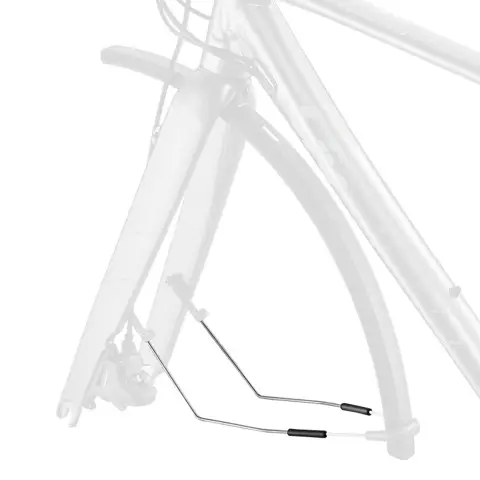
Choosing the right fenders for road bikes involves understanding different types. Clip-on fenders offer easy installation and removal. Full-length fenders provide more coverage and protection from mud and water. Consider the type of riding and weather conditions to make the best choice for your bike.
Full-coverage Fenders
Full-coverage fenders provide maximum protectionagainst water and mud. These fenders cover most of the wheel area. They are perfect for rainy days. Installation might take more time. But, they offer great durability. Suitable for long rides.
Clip-on Fenders
Clip-on fenders are easy to attach. They are lightweightand portable. Ideal for short rides. These fenders can be removed quickly. They offer less protection compared to full-coverage ones. Great for cyclists who travel often.
Mudguards
- Mudguards protect from splashes.
- They are smaller than fenders.
- Simple to install and remove.
- Good for dry weather rides.
- Not suitable for heavy rain.
Material Considerations
Plastic fenders are lightweightand easy to install. They are often the most affordable choicefor road bikes. Plastic is great in wet conditions. It doesn’t rust, but it can crack if hit hard. Choose plastic for everyday ridesand rainy weather.
Aluminum fenders are strong and durable. They offer good protection against water and mud. Aluminum is a bit heavier than plastic. It resists rust and stays shiny. Many riders like its stylish lookand long life. Suitable for long-distance rides.
Carbon fiber fenders are very lightand strong. They are the most expensive option. Carbon fiber looks sleek and modern. It is best for racing bikesand high-performanceneeds. Handle with care as it can be brittle.
Installation And Compatibility
Choose fenders that fit your bike frame and tire size. Check compatibility with brake type and mounting points. Ensure easy installation for hassle-free use.
Frame Fit
Fenders must fit your bike’s frame well. Measure the space between the tires and the frame. Ensure there is enough room for the fenders. Check the mounting points. Not all bikes have them. Some bikes need special clamps. These clamps hold fenders in place. Ask a bike shop for help if unsure.
Wheel Size Alignment
Fenders come in different sizes. Match your fender size with your wheel size. Common wheel sizes are 26″, 27.5″, and 29″. The fender should curve around the wheel. This keeps water and mud away. A wrong size might not protect well. Always check the fender label for size details.
Brake Type Compatibility
Bikes have different brakes like disc or rim brakes. Check if the fender fits your brake type. Rim brakes need extra space. Disc brakes might need special fenders. Some fenders work with all brake types. Read the fender’s instructions. Ensure it suits your bike’s brake system.
Weather And Riding Conditions
Selecting the right fenders for road bikes depends on weather and riding conditions. Wet climates need full-coverage fenders for better protection. In drier areas, clip-on fenders might be sufficient, offering flexibility and ease of use.
Rainy Conditions
Choose fenders that are long and wide. This keeps you dry. Look for mudflaps at the bottom. They help stop splashes. Plastic fenders are light and rust-free. Metal fenders are more durable. They fit tightly, stopping most water. Ensure they cover the entire wheel arc. This ensures maximum protection. Always check for secure attachments. A loose fender can be dangerous.
Dry And Dusty Roads
Opt for narrow fenders. They suit dry conditions well. Clip-on fenders are easy to use. They can be removed quickly. Lightweight options are best. They won’t slow you down. Smooth surfaces help reduce dust build-up. Ensure they fit properly. A good fit means better protection.
Mixed Weather Scenarios
Choose adjustable fenders. They adapt to various conditions. Look for versatile designs. They work in rain and dry weather. Medium-length fenders are ideal. They offer decent protection. Ensure they have quick release systems. This helps when weather changes. Durable materials last longer. Check for flexibility in design. It allows for easy adjustments.
Budget And Brand Options
Selecting road bike fenders involves considering budget and brand options. Explore affordable choices for casual riders. Trusted brands offer quality and durability for dedicated cyclists.
Affordable Choices
Many affordable fenders work well for road bikes. Brands like SKSand Planet Bikeoffer good options. These brands provide durable fenders at a lower cost. Check online reviews before buying. Look for fenders that fit your bike size. Consider the material, too. Plastic fenders are lighter. Metal ones last longer.
Premium Brands
Premium brands offer high-quality fenders with advanced features. Ass Saversand Topeakare popular choices. They provide better protection against mud and water. The design is often more stylish. Premium fenders might cost more. But they offer greater durability and performance. Choose these if you ride often in wet conditions.
Value For Money
Some fenders offer the best of both worlds. They are affordable yet reliable. Portland Design Worksis one such brand. These fenders balance cost and quality. They last long and fit most bikes. Read user reviews to ensure a good buy. Always consider your riding needs. Balance your budget with quality for the best value.

Credit: sim-works.com
Maintenance And Durability
Clean your road bike fenders often. Dirt can damage them over time. Use a soft cloth to wipe them. Water with mild soap works well. Avoid using harsh chemicals. They can make the fenders weak. Rinse well to remove soap.
Choose fenders made from strong materials. Materials like plastic or metal are good. Check for rust or cracks often. Store your bike indoors when possible. This keeps fenders safe from weather. Proper storage extends fender life.
Small cracks can be repaired with glue. Use strong glue for better results. If damage is big, consider replacing them. Replacement is better than using broken fenders. Always check that new fenders fit well. Good fit keeps your ride smooth.
Aesthetic And Design Preferences
Choose fenders that match your bike’s style and color for a cohesive look. Consider sleek, minimalist designs for modern road bikes. Ensure the fenders are lightweight and fit snugly for optimal performance.
Color Options
Fenders come in many colors. Choose a color that matches your bike. Bright colors can make your bike stand out. Dark colors may hide dirt better. Some fenders even have patterns. Pick what makes you happy.
Sleek Designs
Sleek fenders look modern. They are often thin and smooth. These designs can make bikes look fast. Sleek fenders can also be lightweight. This helps in easy riding. Always check if they fit your bike well.
Customizable Features
Some fenders let you add features. You can add stickers for fun. Some have clips to attach lights. These make riding at night safer. Custom fenders might cost more. But they give your bike a unique style.

Credit: www.amazon.com
Frequently Asked Questions
How Do I Choose Bike Fenders?
Choose bike fenders based on bike type, tire size, and weather conditions. Ensure compatibility and easy installation. Opt for durable materials to withstand wear. Consider full-length fenders for maximum coverage. Check for additional features like mudflaps. Prioritize quality and reviews for long-lasting performance.
Is 32mm Too Wide For A Road Bike?
A 32mm tire width is suitable for road bikes, providing comfort and stability on varied surfaces. It enhances grip and reduces rolling resistance, making it ideal for long rides and rough roads. Many cyclists prefer this width for its balance between speed and comfort.
Always check your bike’s clearance first.
What Size Bike Fenders Do I Need?
Choose bike fenders matching your tire width for optimal protection. Measure your tire’s width, then select fenders slightly wider. Common sizes range from 35mm to 60mm. Ensure compatibility with your bike frame and consider clearance for proper installation. Properly fitting fenders improve performance and keep you dry.
What Are The Best Bike Fenders?
The best bike fenders include SKS Chromoplastic, Portland Design Works Full Metal, and Planet Bike Cascadia. They offer durability, easy installation, and effective splash protection. Choose based on your bike type and riding needs for optimal performance.
Conclusion
Choosing the right fenders for your road bike is crucial. Consider the weather and terrain you often encounter. Durable materials offer protection. Ensure they fit your bike’s style and size. Proper installation prevents unwanted movement. Lightweight options maintain speed and comfort.
Check reviews for reliable brands. Invest in quality for long-term benefits. Fenders keep your ride clean and enjoyable. They protect against mud and water splashes. Make sure they suit your cycling needs. Thoughtful selection enhances your biking experience. Happy cycling!



