
Are you gearing up for your next downhill mountain biking adventure? If so, you know that every piece of equipment matters, including your fenders.
Choosing the right fenders for your downhill MTB can be a game changer, enhancing your ride by keeping mud and debris at bay. But with so many options on the market, how do you make the right choice? You want fenders that are not only durable and efficient but also complement your riding style and conditions.
In this guide, we’ll break down exactly what you need to consider, helping you make an informed decision that will elevate your biking experience. Stick with us, and you’ll discover how the right fenders can transform your ride from average to exceptional. Ready to dive in? Let’s get started!
Types Of Fenders
Clip-On fenders are easy to attach and remove. They are perfect for quick rides. You can install them in seconds. They are light and portable. Clip-On fenders provide basic splash protection. They are good for short trips. You can carry them easily in a backpack.
Full-Coverage fenders protect from mud and water. They cover the wheels completely. These fenders keep you dry and clean. They are ideal for rainy days. Full-Coverage fenders are more stable. They fit tightly to the bike. They might need tools to install.
Bolt-On fenders are sturdy and reliable. They are attached using bolts. You need tools to fix them. Bolt-On fenders offer strong protection. They are perfect for rough terrains. They stay in place during bumpy rides. These fenders are long-lasting.

Credit: www.ebay.com
Material Considerations
Selecting the right fenders for downhill MTB involves considering durability and material strength. Lightweight options reduce drag while durable plastics offer solid protection against debris. Ensure compatibility with your bike’s frame to achieve optimal performance and protection.
Plastic Fenders
Plastic fenders are light and cheap. They resist rust and are easy to clean. They bend easily, protecting from rocks. Some riders find them too flexible. They might not last long.
Aluminum Fenders
Aluminum fenders are strong and durable. They resist impacts better than plastic. They weigh more than plastic. They last longer but might dent. They are a bit costly.
Carbon Fiber Fenders
Carbon fiber fenders are very light. They are strong and stylish. They resist high impacts. They cost a lot more. They are popular with serious riders.
Size And Fit
Fenders must match the wheel size. Most mountain bikes have 26, 27.5, or 29-inch wheels. Ensure your fender fits one of these sizes. A wrong-sized fender will not protect you from mud. Measure your wheels first.
Check the space between the tire and bike frame. Fenders need enough clearance to fit. If the space is tight, choose slim fenders. Make sure they won’t rub against the tire. Look for flexible materials that can bend.
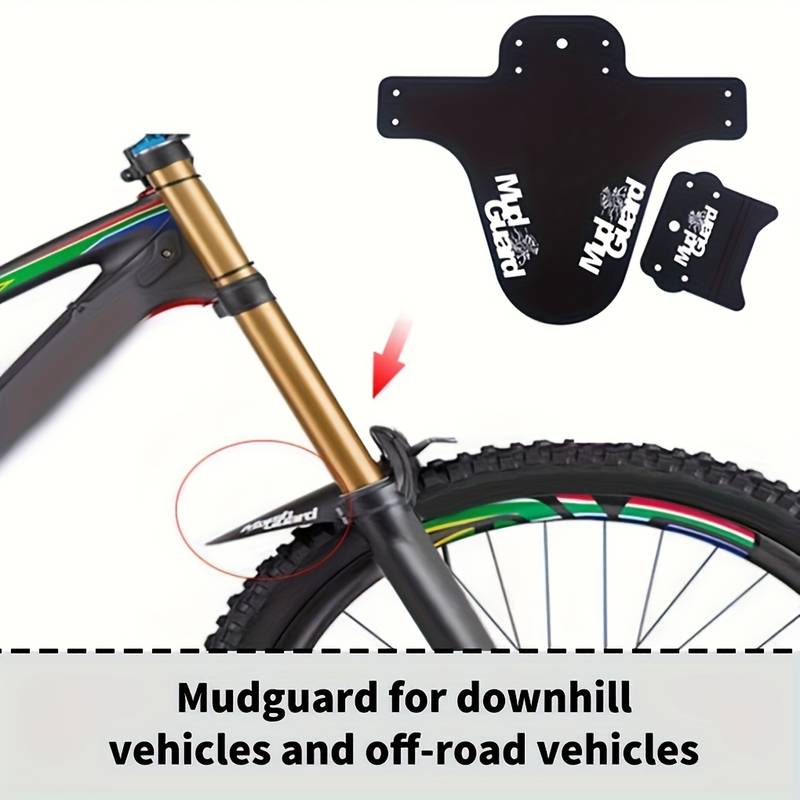
Adjustable fenders offer more flexibility. They can be repositioned for the best fit. Look for fenders with movable arms or brackets. This allows you to change their angle. Adjustable fenders are great for different terrains.
Credit: riteacademy.com
Durability And Weight
Durability and weight play crucial roles in selecting fenders for downhill mountain biking. Lightweight fenders reduce strain on your bike, while durable materials ensure long-lasting protection against debris. Balance these factors to enhance performance and safety.
Impact Resistance
Fenders must handle bumps and crashes. Choose ones with strong impact resistance. Plastic fenders are lightweight but can break easily. Metal fenders are more durable but heavier. Look for fenders made from high-quality materials. These can survive harsh conditions.
Weight Implications
The weight of fenders affects your ride. Heavy fenders can slow you down. Lightweight fenders make biking easier. But they might not last long. Balance is key. Pick fenders that offer durability without extra weight. This helps you ride smoothly downhill.
Long-term Performance
Good fenders last many rides. Check for long-term performancebefore buying. Read reviews from other bikers. They can tell you which fenders last longer. Avoid fenders that need frequent replacements. Invest in quality for a better biking experience.
Installation And Maintenance
Selecting the right fenders for downhill mountain biking is essential for protection and performance. Ensure they fit your bike and are easy to install. Regular maintenance will keep them in top condition for every ride.
Ease Of Installation
Fenders should be easy to installon your mountain bike. Check if tools are needed. Some fenders snap on without tools. This saves time and effort. Read the instructions carefully before starting. This helps avoid mistakes.
Maintenance Requirements
Keep fenders clean and freefrom mud. Dirt can build up quickly. Use water to wash them. A cloth is also helpful for wiping. Check for any damage often. Replace broken parts to keep them working well. Proper care makes them last longer.
Quick-release Options
Some fenders have quick-release features. These make removing easy. You can take them off quickly when needed. This is helpful for cleaning or repairs. Look for fenders with this option. It adds convenience to your biking experience.

Credit: www.doba.com
Weather Conditions
Fenders help keep your bike clean. They stop mud from hitting you. Rain can make trails slippery. Fenders protect against wet and muddy conditions. They keep water away from your face and back. This helps you see better while riding.
Snow can be tricky to ride in. Fenders help by stopping snow spray. This keeps your clothes dry. It’s important to stay warm and dry in the cold. Fenders help make winter rides more enjoyable.
In dry weather, fenders are still useful. They protect against dust and small rocks. Dust can make you cough or sneeze. Fenders help keep your bike and you clean. They are a great choice for all weather types.
Cost And Budget
Finding affordable fenders is possible. Look for simple designs. Plastic fenders cost less. They protect well and are light. Check sales and discounts. Online stores often offer deals. Compare prices before buying. Ask friends for their recommendations. Sometimes used fenders work fine. Keep your bike safe without spending much.
Premium fenders offer high durability. They are made from strong materials. Carbon fiber is popular. It is light and tough. Premium fenders come with extra features. Some are adjustable. They fit different bikes easily. Quality brands make them. They last longer and perform better. Choose them for a smoother ride.
Choosing value for money fenders is smart. Balance cost and quality. Mid-range fenders offer good protection. Check reviews before buying. Look for trusted brands. Reliable fenders save money over time. They need fewer replacements. Invest in quality to protect your bike. Make sure they fit your needs.
Expert Recommendations
Choosing downhill MTB fenders requires considering mud protection and weight. Look for durable materials and easy installation. Ensure compatibility with your bike model for optimal performance on rough terrains.
Top Brands To Consider
Some brands are known for quality and reliability. SKSmakes durable fenders. Mudhuggeroffers great designs. Topeakis famous for innovation. These brands are trusted by many riders.
Professional Rider Insights
Riders prefer fenders that fit well. They should not be too heavy. Easy installation is a key feature. Professionals suggest checking the material. Strong materials last longer. Adjustable fenders are often recommended. They suit different bike sizes and conditions.
Community Feedback
Many riders share their experiences online. They often recommend fenders that prevent mud splashes. Riders value fenders that stay firm during rides. Community reviews highlight ease of cleaning. This is important for maintenance. Positive feedback often mentions good customer service.
Frequently Asked Questions
How To Choose Bike Fenders?
Consider wheel size, compatibility, and material quality when choosing bike fenders. Opt for durable, lightweight options. Ensure easy installation and effective coverage to protect against mud and water. Select fenders matching your bike style and riding conditions for optimal performance.
Are Mud Guards Worth It On Mtb?
Mud guards on an MTB prevent mud and debris from splattering. They keep your bike and clothes cleaner. Riders find them useful in wet conditions. They can improve your riding experience by reducing maintenance needs. Considering terrain and weather, they can be a worthwhile investment.
Should You Put Fenders On A Mountain Bike?
Yes, installing fenders on a mountain bike can be beneficial. They help keep mud, water, and debris off you. This enhances comfort and visibility during rides. Fenders can also protect bike components, reducing maintenance needs. Consider the terrain and weather conditions to decide if fenders are necessary for your rides.
What Gear For Downhill Mtb?
Essential gear for downhill MTB includes a full-face helmet, goggles, gloves, and body armor. Wear durable clothing, knee and elbow pads for protection. Opt for sturdy shoes with good grip. Choose a mountain bike with strong suspension and disc brakes for a safe ride.
Prioritize safety and comfort.
Conclusion
Choosing the right fenders for downhill MTB is crucial. They keep you clean and improve your ride. Consider your terrain and weather conditions. Think about ease of installation and maintenance. Choose durable materials for long-lasting performance. Remember, the perfect fender balances protection and style.
Look for options that fit your bike well. Test different types if possible. Your choice impacts your biking experience. A well-chosen fender enhances safety and enjoyment. So, make a smart decision based on your needs. Ride confidently and enjoy your adventures!



