

Imagine cycling through the city streets without worrying about mud splashes or sudden rain showers. That’s the freedom the right fenders can offer you.
As a commuter, you know the importance of keeping your clothes clean and your ride smooth. But with so many options available, choosing the perfect fenders can be overwhelming. Are you tired of soggy commutes and dirty gear? If so, you’re in the right place.
Here, we’ll guide you through the essentials of selecting fenders that perfectly match your needs. Whether you’re navigating busy streets or scenic paths, the right fenders can transform your daily ride. Curious to know how? Let’s dive in and discover how to make your commute cleaner and more enjoyable.

Credit: www.hovsco.com
Types Of Bike Fenders
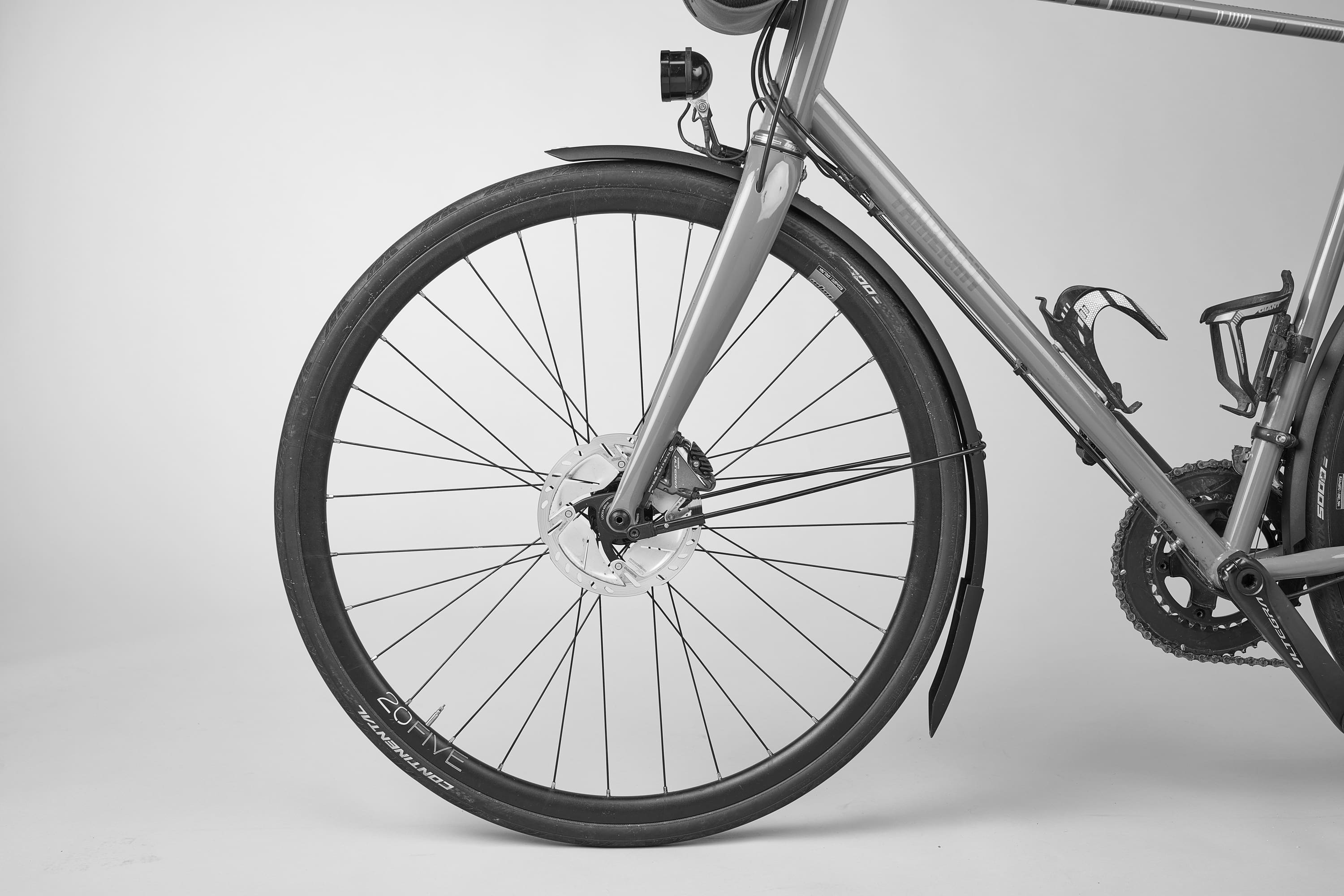
Full-Length Fenders cover the entire wheel. They offer the best protection from mud and rain. These fenders are great for daily commuters. They keep your clothes dry and clean. Full-Length Fenders are often made of metal or plastic. They are durable and last long. Installation might take some time, though. It’s worth it for the protection they provide.
Clip-On Fenders are easy to install. They attach quickly to your bike. These are a good choice for those who need fenders sometimes. Clip-On Fenders are light and portable. You can remove them when it’s sunny. They may not protect as well as full-length ones. Still, they do a decent job in light rain.
Mountain Bike Fenders are strong and tough. They are made for off-road biking. These fenders handle mud and dirt well. They are often smaller than road bike fenders. Mountain Bike Fenders are made of sturdy materials. They fit snugly to avoid getting caught in branches. They help keep the rider and bike cleaner.
Road Bike Fenders are lightweight and sleek. They are designed for speed and efficiency. These fenders are usually narrow. They fit close to the tires. Road Bike Fenders are made from plastic or aluminum. They are easy to attach and remove. They protect against water splashes on the road.

Credit: m.youtube.com
Material Considerations
Consider the material of fenders, focusing on durability and weight. Plastic fenders are lightweight and rust-resistant, while metal ones offer sturdiness. Choose based on your commuting environment and weather conditions.
Plastic Fenders
Plastic fenders are light and cheap. They resist rust and corrosion. They are easy to install and maintain. These fenders can crack under pressure. Choose reinforced plastic for more strength. They work well for short trips.
Metal Fenders
Metal fenders are strong and durable. They withstand tough conditions and last long. They are heavier than plastic. They might rust if not treated. Stainless steel fenders resist rust better. They are ideal for long rides.
Hybrid Materials
Hybrid fenders mix different materials. They offer balanced features. They are lighter than metal but stronger than plastic. They are flexible and can bend without breaking. They provide good protection and style. These fenders suit various commuting needs.
Size And Compatibility
Fenders must match your bike’s wheel size. Most bikes have sizes like 26, 27.5, or 29 inches. Check the fender packagingfor size information. This ensures a snug fit. Wrong sizes may cause rubbing or damage. Always measure your wheel size before buying.
Your bike frame needs enough space for fenders. Check the clearance between tiresand the frame. Limited space can make fitting tricky. Measure the gap carefully. Some bikes have tight spaces. Ensure the fenders are flexible and adjustable. This helps in fitting into smaller areas.
Installation Process
Gather the following tools before starting: a wrench, screwdriver, and pliers. A measuring tape is also useful. Ensure you have all parts of the fender kit. Missing pieces make installation hard. Have a clean workspace. This helps to keep parts organized. Safety goggles protect your eyes. Always wear them while working.
First, place the fender over your bike tire. Check the alignment carefully. Next, use a wrench to attach the fender’s brackets. Tighten the screws with a screwdriver. Make sure they are secure. Then, adjust the fender’s position using pliers. Ensure it does not touch the tire. Finally, test the fender by riding your bike. Listen for rubbing sounds. If needed, adjust again.
Weather Conditions
Rain makes roads slippery. Fenders keep you dry. Without them, water splashes up. Your clothes get wet and dirty. Wide fenders cover more of the wheel. They block more water. Plastic fenders are cheap and light. Metal fenders last longer. They look nice too. Check if they fit your bike. Some fenders need special parts. Measure your tire size. Buy the right size fender. Install them carefully. Tighten all screws.
Snow can be tricky. Fenders help keep snow off. Ice can hide under snow. Fenders can block some ice. They stop snow from sticking. Metal fenders are strong. They handle snow well. Plastic fenders might crack. Wide fenders work best in snow. They cover more tire. Fit them close to the tire. This helps block snow. Keep them clean. Snow can build up.
Maintenance Tips
Selecting the right fenders for commuting ensures a clean and comfortable ride. Consider the size and type of your bike. Choose durable materials like aluminum or plastic for long-lasting protection.
Cleaning Fenders
Use a soft cloth for cleaning. Warm water helps remove dirt easily. Avoid harsh chemicals to prevent damage. Dry fenders with a towel after washing. Check for mud or leaves stuck inside. Clean regularly for shiny fenders.
Checking For Damage
Inspect fenders for cracks or holes. Small cracks can grow bigger. Fix them early to avoid trouble. Look for loose screws or bolts. Tighten them to keep fenders secure. Check fenders after riding in rough areas. Replace damaged fenders for safe commuting.
Cost And Budget
Choosing the right fenders depends on your budget. Set a realistic cost range to find suitable options. Consider materials and durability for long-term value.
Budget-friendly Options
Choosing fenders for commuting can be easy on your wallet. Some fenders are made of plastic, which is less expensive than other materials. These fenders are lightweight and easy to install. They protect your bike from water and dirt. Look for universal designs that fit many bike types. These are usually cheaper and readily available. When shopping, check online stores for deals and discounts.
Premium Fenders
Premium fenders offer extra features and higher quality. They are often made of metal like aluminum or stainless steel. These fenders are more durable and can last a long time. Premium options might include built-in lights for safety. They often have better fit and finish. Some even come with custom designs to match your bike’s look. If you ride in wet conditions often, consider investing in premium fenders.
Popular Brands
SKS Germany offers durable fenders for bikes. Their products are known for high qualityand reliable protectionagainst mud and water. Easy installation is a big plus. Cyclists prefer SKS for their efficient designand robust materials.
Planet Bike is famous for its eco-friendly approach. They use recycled materials in their products. Their fenders are lightweightyet sturdy. Many commuters choose Planet Bike for their affordable pricesand green initiatives.
Topeak fenders are known for versatile designs. They fit various bike models easily. Easy adjustmentmakes them popular among cyclists. Topeak combines style and functionin their products, attracting many users.
Credit: www.statspros.com
Frequently Asked Questions
How To Pick Bike Fenders?
Choose bike fenders based on tire size, bike type, and material preference. Ensure they offer adequate coverage and compatibility. Select durable materials like plastic or aluminum for long-lasting protection. Consider easy installation and removal features for convenience. Prioritize fenders that suit your riding conditions and personal style.
Do I Need Mudguards For Commuting?
Mudguards are essential for commuting in wet conditions. They keep you dry and protect your bike from dirt. Investing in quality mudguards improves comfort and reduces maintenance. Stay clean and enjoy a smooth ride, rain or shine.
Is Front Or Rear Mudguard More Important?
Both front and rear mudguards are essential for optimal protection. The front mudguard shields you from water and debris while riding. The rear mudguard prevents spray from affecting those behind you and keeps your back dry. Prioritize both for full coverage and enhanced riding comfort.
What Size Fenders For Road Bike?
For road bikes, fenders typically measure 20-35 mm wide. Choose according to your tire size for optimal coverage. Ensure compatibility with your bike frame and brakes to avoid installation issues.
Conclusion
Choosing the right fenders makes commuting smoother and drier. Consider your bike type and local weather. Ensure easy installation and removal. Check the material for durability and weight. Plastic is light but metal lasts longer. Measure your tires for a proper fit.
Fenders should cover the tires well. Look for adjustable options for flexibility. Aim for quality without overspending. Read reviews for real user experiences. Shop wisely and enjoy a comfortable ride. Safe travels on your daily journeys!



